
Objects in the Sky
Authored by Trilby (DCPS-MS)
Science
5th Grade
NGSS covered
Used 486+ times


AI Actions
Add similar questions
Adjust reading levels
Convert to real-world scenario
Translate activity
More...
Content View
Student View
19 questions
Show all answers
1.
MULTIPLE CHOICE QUESTION
30 sec • 1 pt

The sun is the largest star in the sky.
True
False
Tags
NGSS.MS-ESS1-1
2.
MULTIPLE CHOICE QUESTION
30 sec • 1 pt

What causes day and night?
Tags
NGSS.MS-ESS1-1
3.
MULTIPLE CHOICE QUESTION
30 sec • 1 pt

How long does it take the earth to rotate one time?
Tags
NGSS.MS-ESS1-1
4.
MULTIPLE CHOICE QUESTION
30 sec • 1 pt

The sun is
Tags
NGSS.MS-ESS1-1
5.
MULTIPLE CHOICE QUESTION
30 sec • 1 pt
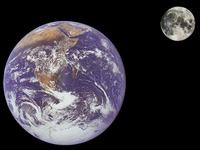
The moon orbits around the earth.
True
False
Tags
NGSS.MS-ESS1-1
6.
MULTIPLE CHOICE QUESTION
30 sec • 1 pt

What is the name of this moon phase?
Tags
NGSS.MS-ESS1-1
7.
MULTIPLE CHOICE QUESTION
30 sec • 1 pt

There are eight different ways the moon looks and they are called this:
Tags
NGSS.MS-ESS1-1

Access all questions and much more by creating a free account
Create resources
Host any resource
Get auto-graded reports

Continue with Google

Continue with Email

Continue with Microsoft
or continue with

%20(1).png)
Apple

Others
By signing up, you agree to our Terms of Service & Privacy Policy
Already have an account?



