
Exercise 2 - Principle of Design
Authored by Wan Yahaya
Arts
University
Used 1+ times


AI Actions
Add similar questions
Adjust reading levels
Convert to real-world scenario
Translate activity
More...
Content View
Student View
15 questions
Show all answers
1.
MULTIPLE CHOICE QUESTION
30 sec • 1 pt

This Principle of Design is the distribution of the visual weight of objects, colors, texture, and space. If the design was a scale, these elements should be balanced to make a design feel stable. Symmetrical, asymmetrical, radial balance are examples of this principle.
Movement
Emphasis
Pattern
Balance
2.
MULTIPLE CHOICE QUESTION
30 sec • 1 pt
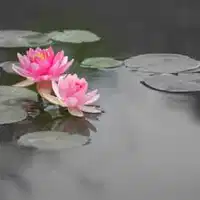
This Principle of Design catches the viewer’s attention. Usually the artist will make one area stand out by contrasting it with other areas. The area could be different in size, color, texture, shape, etc.
Movement
Emphasis
Repetition
Balance
3.
MULTIPLE CHOICE QUESTION
30 sec • 1 pt
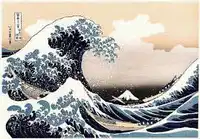
This Principle of Design is the path the viewer’s eye takes through the work of art, often to focal areas. It can be directed along lines, edges, shape, and color within the work of art.
Movement
Repetition
Unity
Emphasis
4.
MULTIPLE CHOICE QUESTION
30 sec • 1 pt
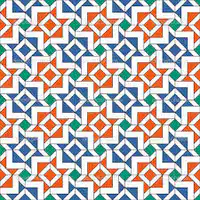
This Principle of Design is the repeating of an object or symbol all over the work of art.
Balance
Emphasis
Repetition
Pattern
5.
MULTIPLE CHOICE QUESTION
30 sec • 1 pt
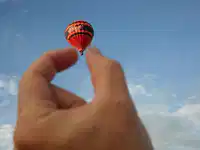
This Principle of Design is the feeling of unity created when all parts (sizes, amounts, or number) relate well with each other. It can refer to the size of the head in relationship to the rest of the body, for instance.
Proportion
Emphasis
Rhythm
Variety
6.
MULTIPLE CHOICE QUESTION
30 sec • 1 pt

The Principle of Design is created when one or more elements of design are used repeatedly to create a feeling of organized movement. It creates a mood like music or dancing. To keep this principle exciting and active, variety is essential.
Pattern
Repetition
Variety
Rhythm
7.
MULTIPLE CHOICE QUESTION
30 sec • 1 pt
When all of the elements in a work look as though they belong together it is called
form
unity
contrast
emphasis
Access all questions and much more by creating a free account
Create resources
Host any resource
Get auto-graded reports

Continue with Google

Continue with Email

Continue with Microsoft
or continue with

%20(1).png)
Apple

Others
Already have an account?



