
Subatomic Particles
9th Grade
•15 Qs

Similar activities
Topic 1 - Atomic Structure
9th - 10th Grade
•15 Qs
Periodic Table
9th - 12th Grade
•20 Qs
Lesson 9 Nature of Chemical Bonds
9th Grade
•10 Qs
2022 Yr 9 Chem L13b start quiz
9th Grade
•12 Qs
Atomic structure
9th - 11th Grade
•20 Qs
5.1 Revising the Atomic Model
9th - 12th Grade
•12 Qs
Final Exam Review: Concepts and Calculations
9th - 12th Grade
•18 Qs
Final Exam Review: Mix of Stuff
9th - 12th Grade
•10 Qs

Subatomic Particles

Quiz
•
Chemistry
•
9th Grade
•
Practice Problem
•
Medium

jessica Taylor
Used 1+ times
FREE Resource

Enhance your content in a minute
15 questions
Show all answers
1.
MULTIPLE CHOICE QUESTION
1 min • 1 pt

Which subatomic particle has a positive charge?
proton
neutron
electron
midichlorian
2.
MULTIPLE CHOICE QUESTION
1 min • 1 pt
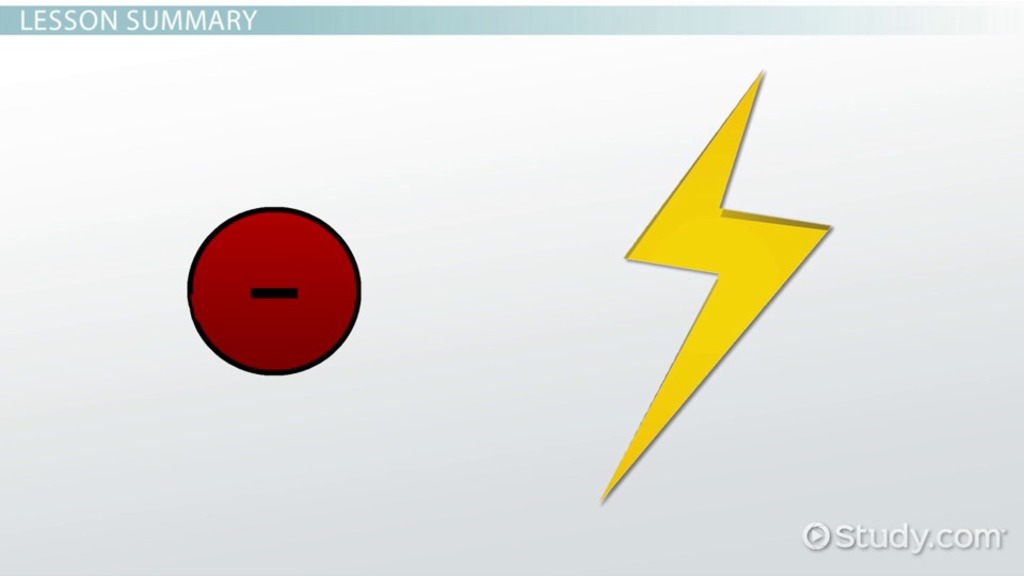
Which subatomic particle has a negative charge?
proton
neutron
electron
cybertron
3.
MULTIPLE CHOICE QUESTION
1 min • 5 pts
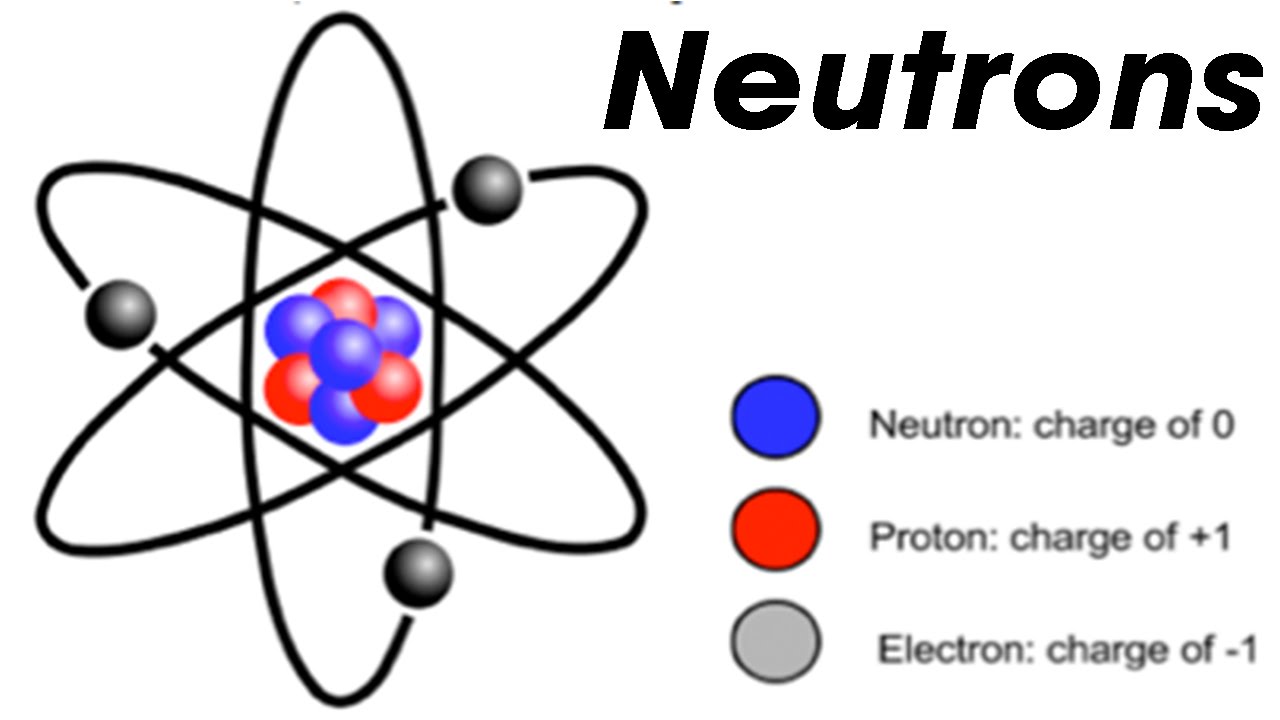
Which subatomic particle has no charge, also known as a neutral charge?
proton
neutron
electron
quark
4.
MULTIPLE CHOICE QUESTION
1 min • 1 pt

What is the center of an atom called?
The headquarters
The centrometer
The hypothesis
The nucleus
5.
MULTIPLE CHOICE QUESTION
1 min • 1 pt

The nucleus of an atom contains which subatomic particles?
protons and electrons
protons and neutrons
electrons and neutrons
protons, electrons, and neutrons
6.
MULTIPLE CHOICE QUESTION
1 min • 1 pt

Which subatomic particle does the RED(+) circle represent?
proton
neutron
electron
nucleus
7.
MULTIPLE CHOICE QUESTION
1 min • 1 pt

Typically in an atom, which two subatomic particles are equal in number?
protons and neutrons
all subatomic particles are equal in number
neutrons and electrons
protons and electrons

Access all questions and much more by creating a free account
Create resources
Host any resource
Get auto-graded reports

Continue with Google

Continue with Email

Continue with Classlink

Continue with Clever
or continue with

Microsoft
%20(1).png)
Apple

Others
Already have an account?
Similar Resources on Wayground
15 questions
Evidence for Atomic Structure
Quiz
•
9th - 12th Grade
17 questions
is matter around us pure
Quiz
•
9th Grade
10 questions
6.2 Classification of Elements
Quiz
•
9th - 12th Grade
20 questions
Bohr and Lewis Dot
Quiz
•
7th - 11th Grade
10 questions
Nuclear Chemistry
Quiz
•
7th - 12th Grade
12 questions
Chemical Bonding 18a
Quiz
•
8th - 9th Grade
10 questions
Periodic Table
Quiz
•
8th - 10th Grade
20 questions
5.3 Representative Groups
Quiz
•
8th - 10th Grade
Popular Resources on Wayground
15 questions
Fractions on a Number Line
Quiz
•
3rd Grade
20 questions
Equivalent Fractions
Quiz
•
3rd Grade
25 questions
Multiplication Facts
Quiz
•
5th Grade
54 questions
Analyzing Line Graphs & Tables
Quiz
•
4th Grade
22 questions
fractions
Quiz
•
3rd Grade
20 questions
Main Idea and Details
Quiz
•
5th Grade
20 questions
Context Clues
Quiz
•
6th Grade
15 questions
Equivalent Fractions
Quiz
•
4th Grade
Discover more resources for Chemistry
20 questions
Types of Chemical Reactions
Quiz
•
9th - 12th Grade
10 questions
Formative 3BC: Ionic v Covalent Bonds
Quiz
•
9th Grade
10 questions
Exploring Stoichiometry Concepts

Interactive video
•
6th - 10th Grade
20 questions
Mixed Bonding Naming
Quiz
•
9th Grade
20 questions
Chemical Reactions
Quiz
•
9th Grade
20 questions
electron configurations and orbital notation
Quiz
•
9th - 12th Grade
14 questions
Reaction Types, Balancing, and Predicting Products
Quiz
•
9th - 12th Grade
8 questions
Empirical and Molecular Formulas

Lesson
•
9th - 12th Grade