
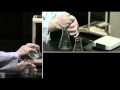
Unraveling DNA Evidence Through Gel Electrophoresis

Interactive Video
•
Biology, Chemistry, Science
•
9th - 12th Grade
•
Practice Problem
•
Hard

Patricia Brown
FREE Resource
Read more
10 questions
Show all answers
1.
MULTIPLE CHOICE QUESTION
30 sec • 1 pt
What is the first step in preparing the DNA samples for comparison?
Adding ethidium bromide
Labeling the microtest tubes
Boiling the agarose solution
Connecting the electrodes
2.
MULTIPLE CHOICE QUESTION
30 sec • 1 pt
Why is it important to use a fresh micropipette for each DNA transfer?
To prevent contamination
To ensure the gel solidifies
To speed up the electrophoresis
To enhance the dye luminescence
3.
MULTIPLE CHOICE QUESTION
30 sec • 1 pt
What is the purpose of incubating the DNA samples at 37 degrees?
To view the DNA bands
To activate the enzymes
To dissolve the agarose powder
To solidify the gel
4.
MULTIPLE CHOICE QUESTION
30 sec • 1 pt
How do smaller DNA molecules behave in an agarose gel compared to larger ones?
They move in the opposite direction
They move more slowly
They move more quickly
They remain stationary
5.
MULTIPLE CHOICE QUESTION
30 sec • 1 pt
What is the purpose of adding glycerol to the gel loading solution?
To make the gel transparent
To help the sample sink into the well
To increase the voltage
To prevent the gel from tearing
6.
MULTIPLE CHOICE QUESTION
30 sec • 1 pt
What is the role of ethidium bromide in the electrophoresis process?
To make the DNA bands visible under UV light
To speed up the electrophoresis
To make the gel solidify
To dissolve the DNA
7.
MULTIPLE CHOICE QUESTION
30 sec • 1 pt
What indicates that the current is flowing properly during electrophoresis?
The gel becomes clear
Bubbles form on the electrodes
The dye changes color
The gel solidifies
Access all questions and much more by creating a free account
Create resources
Host any resource
Get auto-graded reports

Continue with Google

Continue with Email

Continue with Microsoft
or continue with

%20(1).png)
Apple

Others
Already have an account?

