
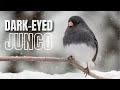
Dark-eyed Juncos: Winter Behavior and Traits

Interactive Video
•
Biology
•
6th - 8th Grade
•
Practice Problem
•
Hard

Patricia Brown
FREE Resource
Read more
10 questions
Show all answers
1.
MULTIPLE CHOICE QUESTION
30 sec • 1 pt
What nickname is given to dark-eyed juncos due to their winter appearance?
Winter Sparrows
Snowbirds
Frosty Flyers
Cold Hoppers
2.
MULTIPLE CHOICE QUESTION
30 sec • 1 pt
Which color is more prominent in male dark-eyed juncos compared to females?
Brown
Pink
Dark Gray
White
3.
MULTIPLE CHOICE QUESTION
30 sec • 1 pt
Where are dark-eyed juncos most commonly found during winter?
Beaches
Backyards
Mountains
Deserts
4.
MULTIPLE CHOICE QUESTION
30 sec • 1 pt
What is a notable behavior of juncos during the winter season?
They change their plumage color.
They hibernate underground.
They form flocks with other bird species.
They migrate to the southern hemisphere.
5.
MULTIPLE CHOICE QUESTION
30 sec • 1 pt
What is unique about the nesting habits of female juncos?
They do not build nests at all.
They build nests in trees only.
They use only man-made materials for nests.
They construct nests on the ground or in unusual places.
6.
MULTIPLE CHOICE QUESTION
30 sec • 1 pt
How do male juncos ensure they have the best breeding territories?
By gathering the most food.
By migrating first to the breeding grounds.
By building the largest nests.
By singing the loudest songs.
7.
MULTIPLE CHOICE QUESTION
30 sec • 1 pt
What type of call do juncos use when they are alarmed?
A soft cooing sound
A melodic whistle
A high-pitched chip alarm
A deep growl
Access all questions and much more by creating a free account
Create resources
Host any resource
Get auto-graded reports

Continue with Google

Continue with Email

Continue with Classlink

Continue with Clever
or continue with

Microsoft
%20(1).png)
Apple

Others
Already have an account?

