
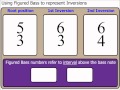
Understanding Figured Bass and Inversions

Interactive Video
•
Other
•
9th - 10th Grade
•
Practice Problem
•
Hard

Jennifer Brown
FREE Resource
10 questions
Show all answers
1.
MULTIPLE CHOICE QUESTION
30 sec • 1 pt
What is the primary purpose of using figured bass in music theory?
To simplify the notation of melodies
To represent chord inversions
To indicate tempo changes
To denote key signatures
2.
MULTIPLE CHOICE QUESTION
30 sec • 1 pt
In figured bass, what does the notation '53' signify?
Second inversion
First inversion
Root position
Diminished chord
3.
MULTIPLE CHOICE QUESTION
30 sec • 1 pt
Which note is in the bass for a chord in first inversion?
The seventh
The root
The third
The fifth
4.
MULTIPLE CHOICE QUESTION
30 sec • 1 pt
What does the '63' notation in figured bass indicate?
Augmented chord
Second inversion
First inversion
Root position
5.
MULTIPLE CHOICE QUESTION
30 sec • 1 pt
In a second inversion chord, which note is in the bass?
The root
The third
The fifth
The seventh
6.
MULTIPLE CHOICE QUESTION
30 sec • 1 pt
How does the arrangement of notes affect the figured bass notation?
It changes the notation
It does not affect the notation
It only affects the notation in minor keys
It depends on the tempo
7.
MULTIPLE CHOICE QUESTION
30 sec • 1 pt
What remains constant in figured bass notation regardless of note arrangement?
The melody
The tempo
The inversion number
The key signature
Access all questions and much more by creating a free account
Create resources
Host any resource
Get auto-graded reports

Continue with Google

Continue with Email

Continue with Classlink

Continue with Clever
or continue with

Microsoft
%20(1).png)
Apple

Others
Already have an account?

