Free Printable Kitchen Safety Worksheets for Class 1
Discover free Class 1 kitchen safety worksheets and printables that help young students learn essential safety practices in the kitchen through engaging practice problems and activities with answer keys.
Explore printable Kitchen Safety worksheets for Class 1
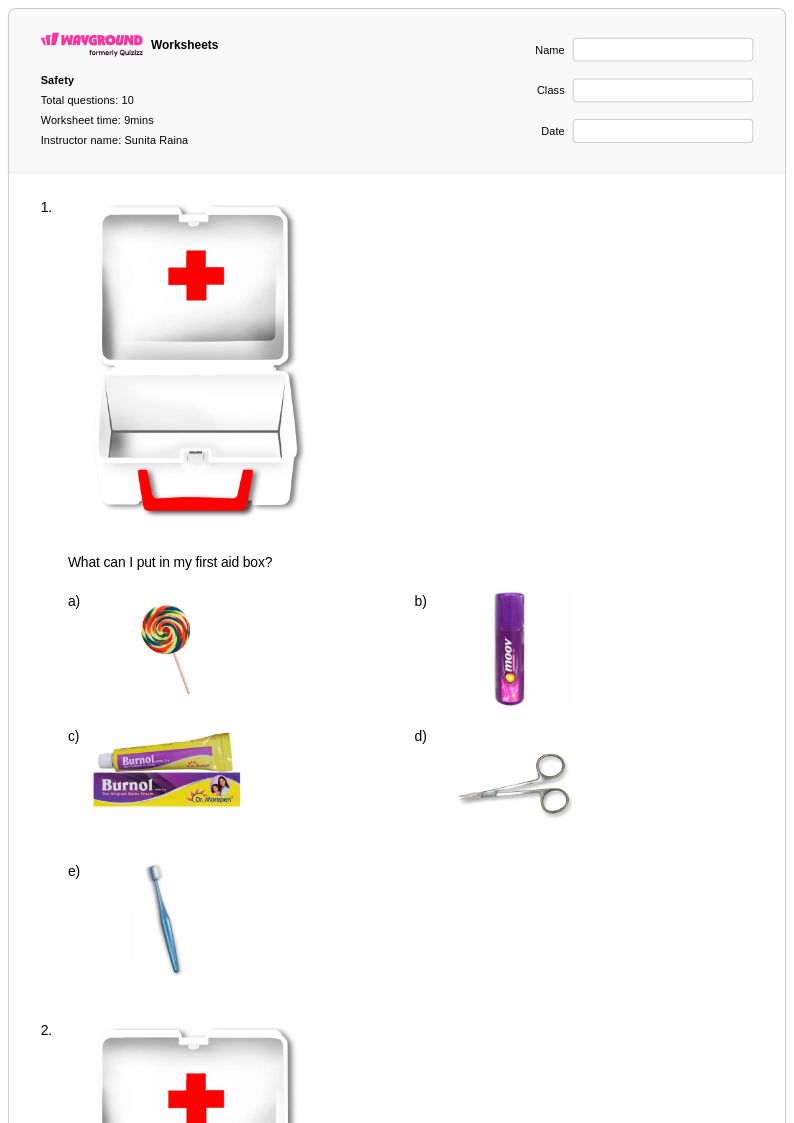
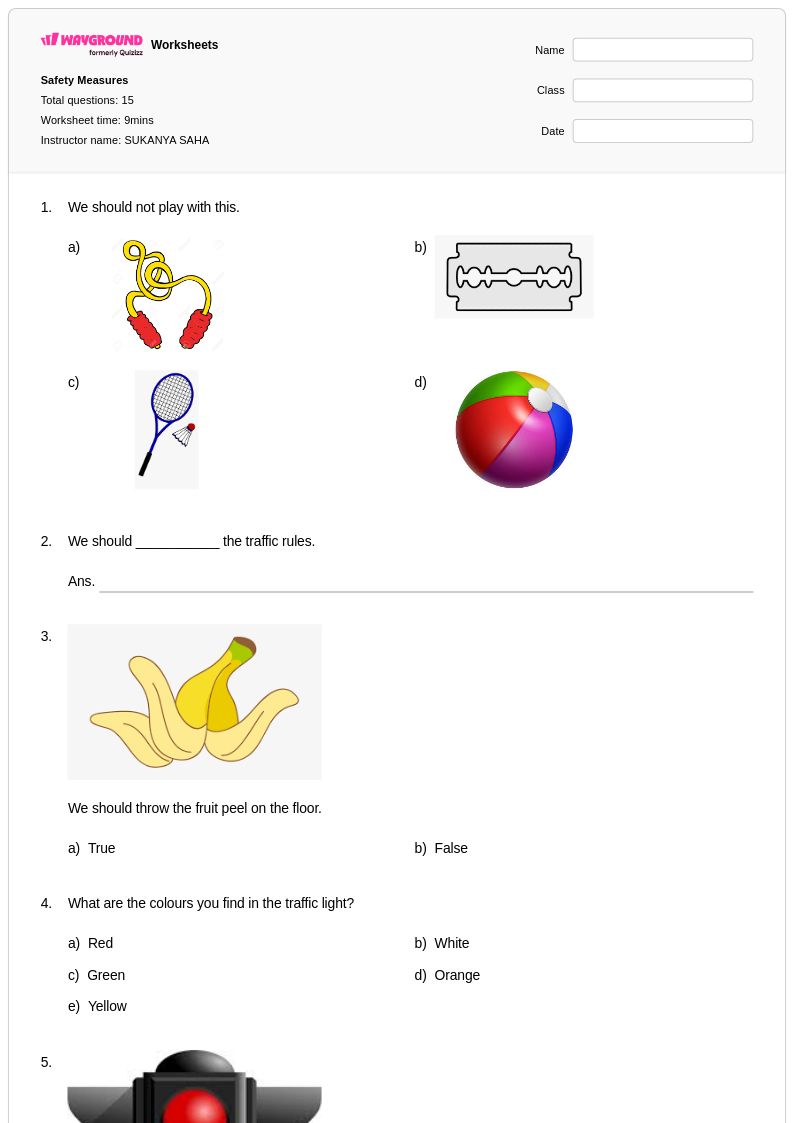
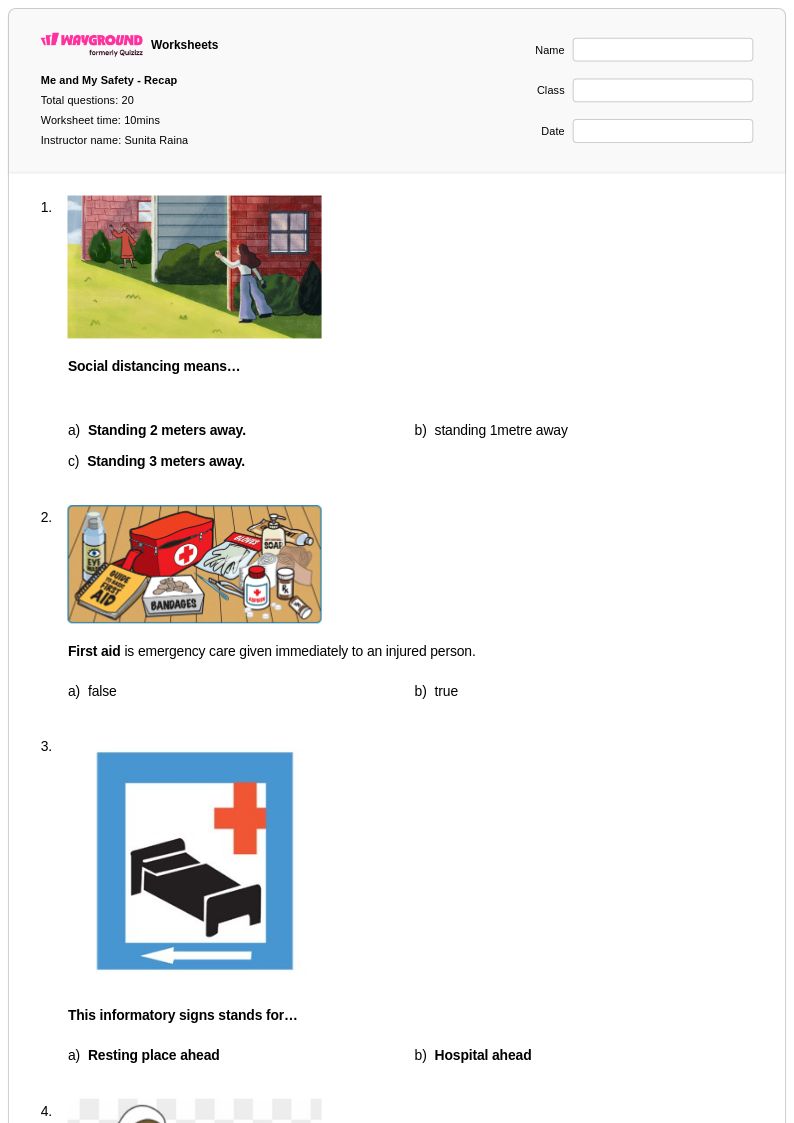
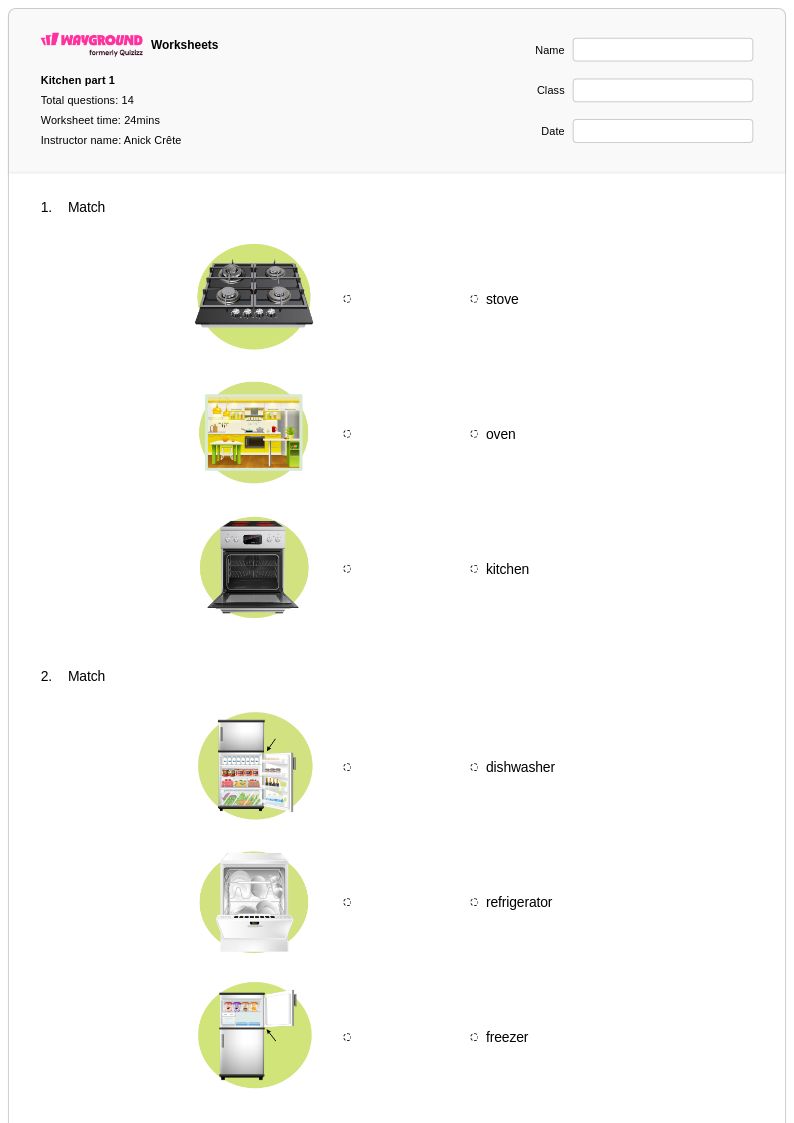
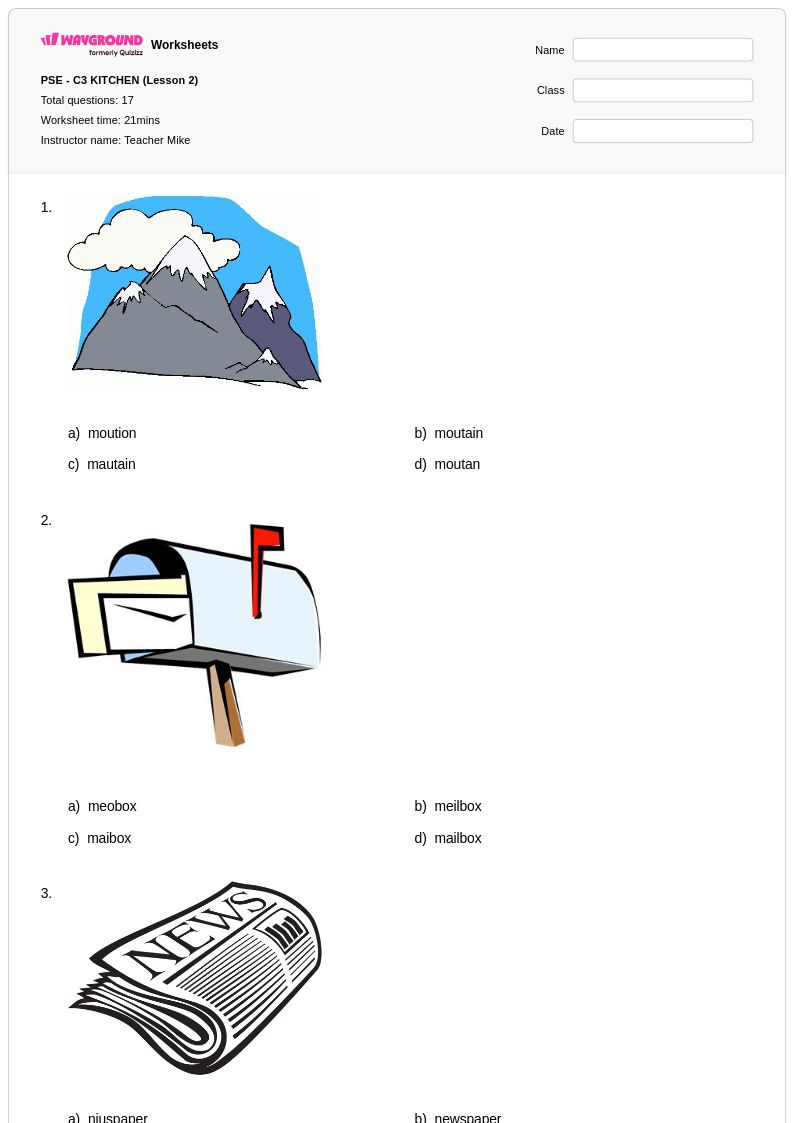
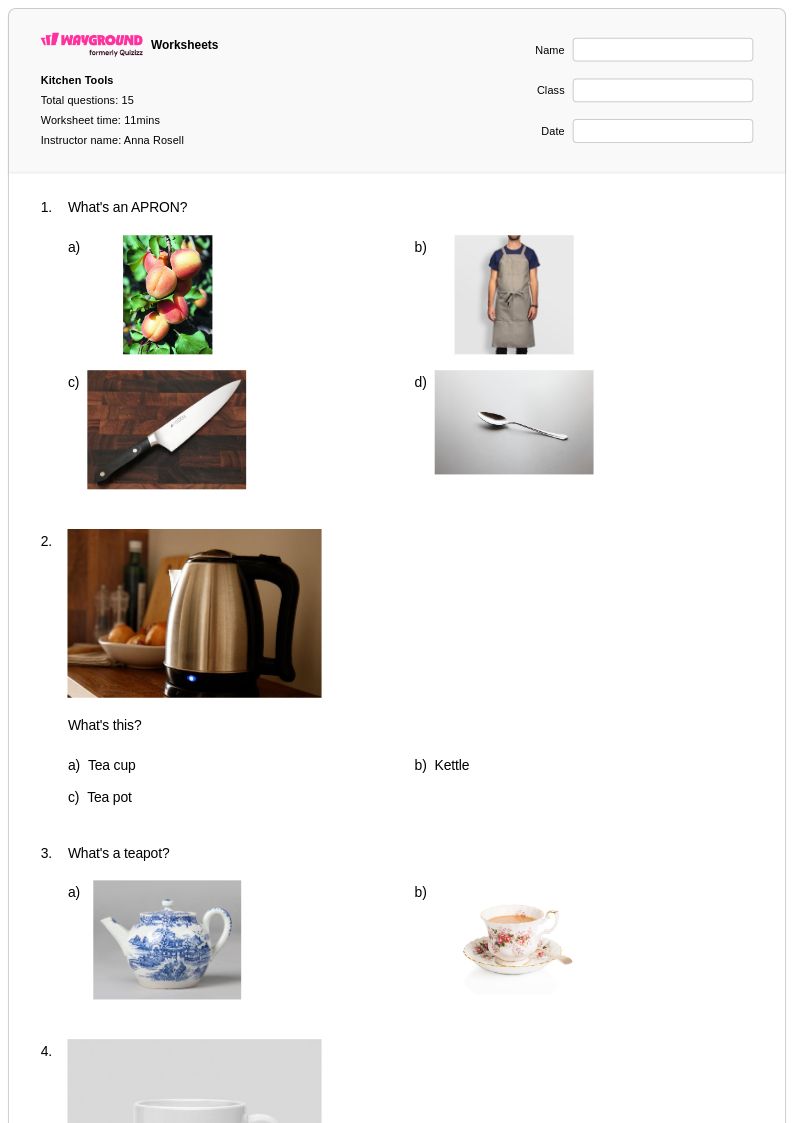
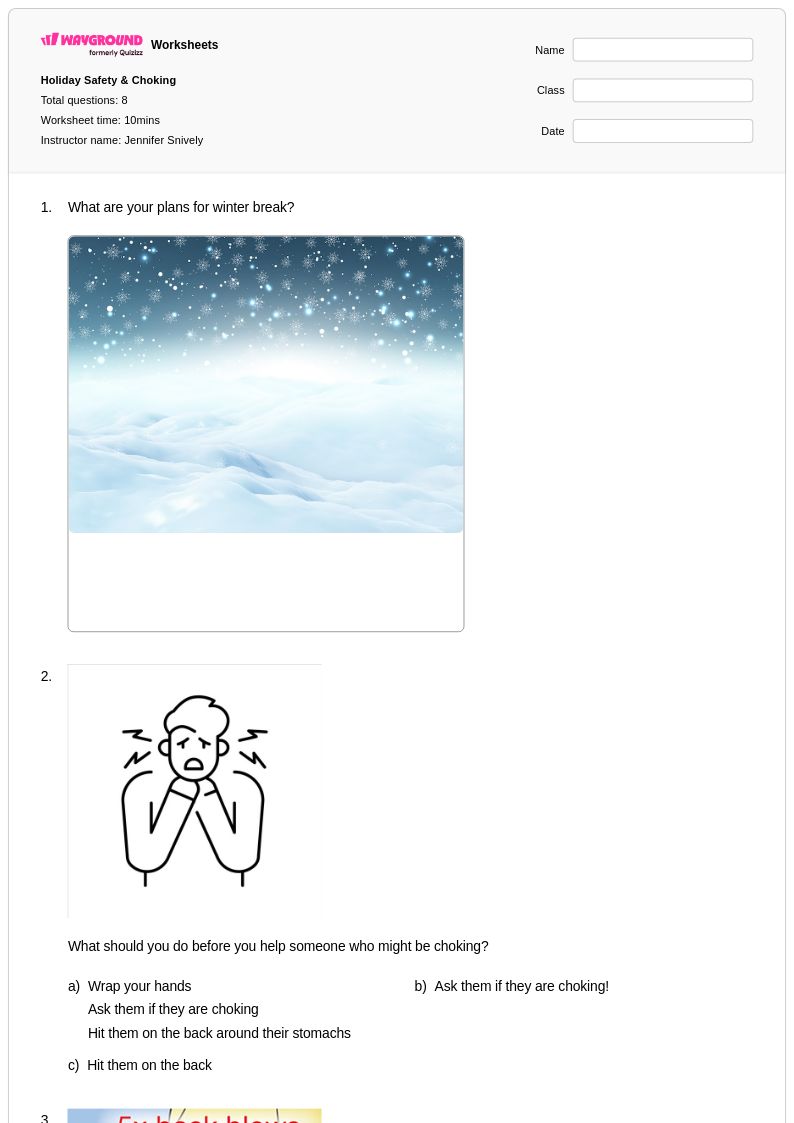
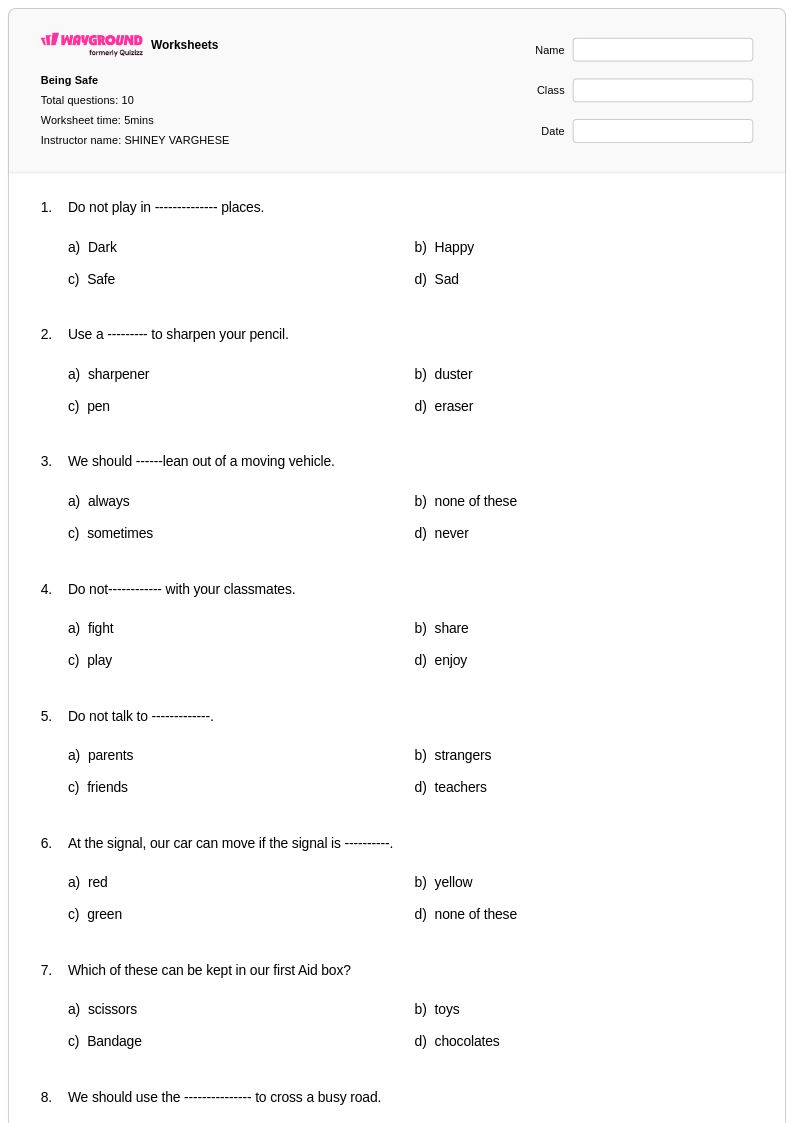
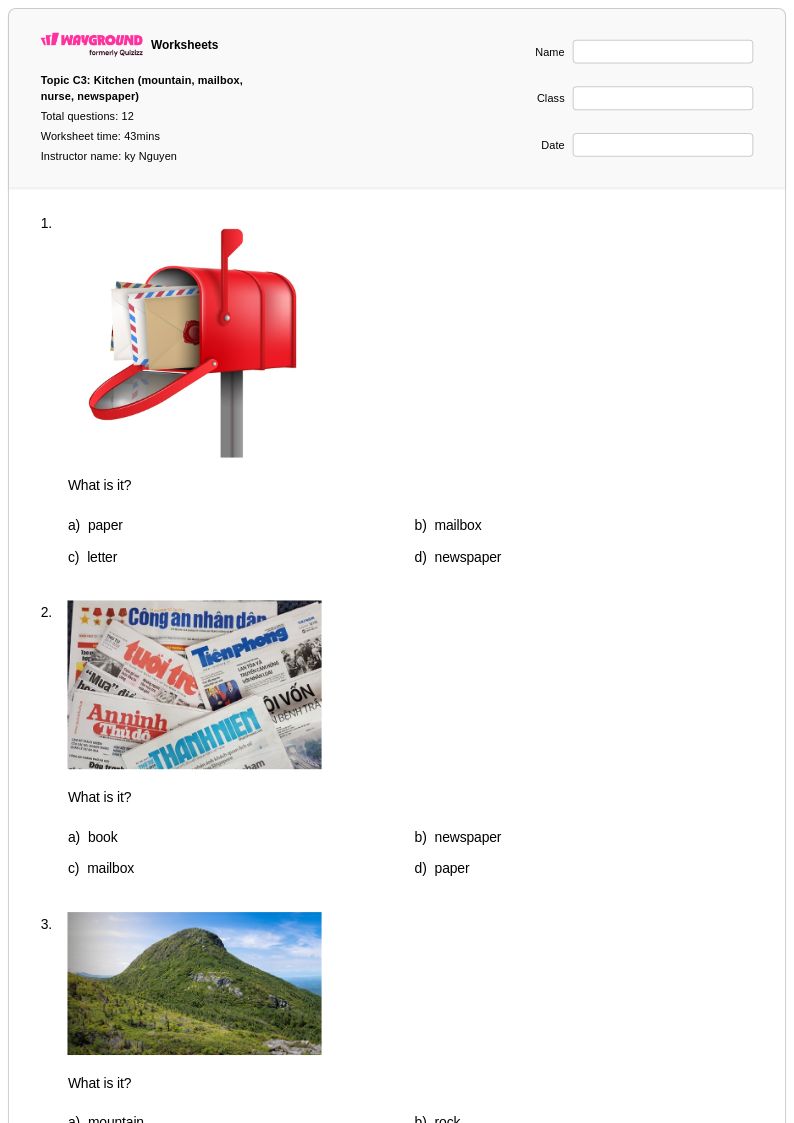
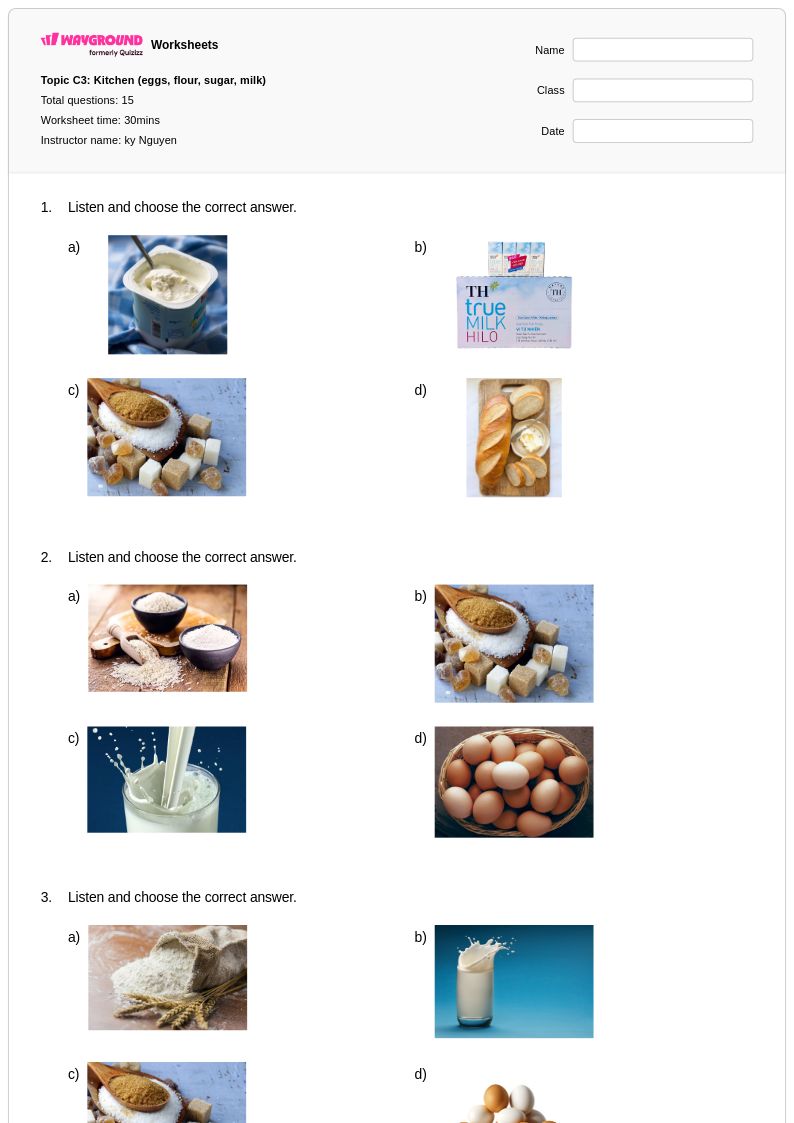
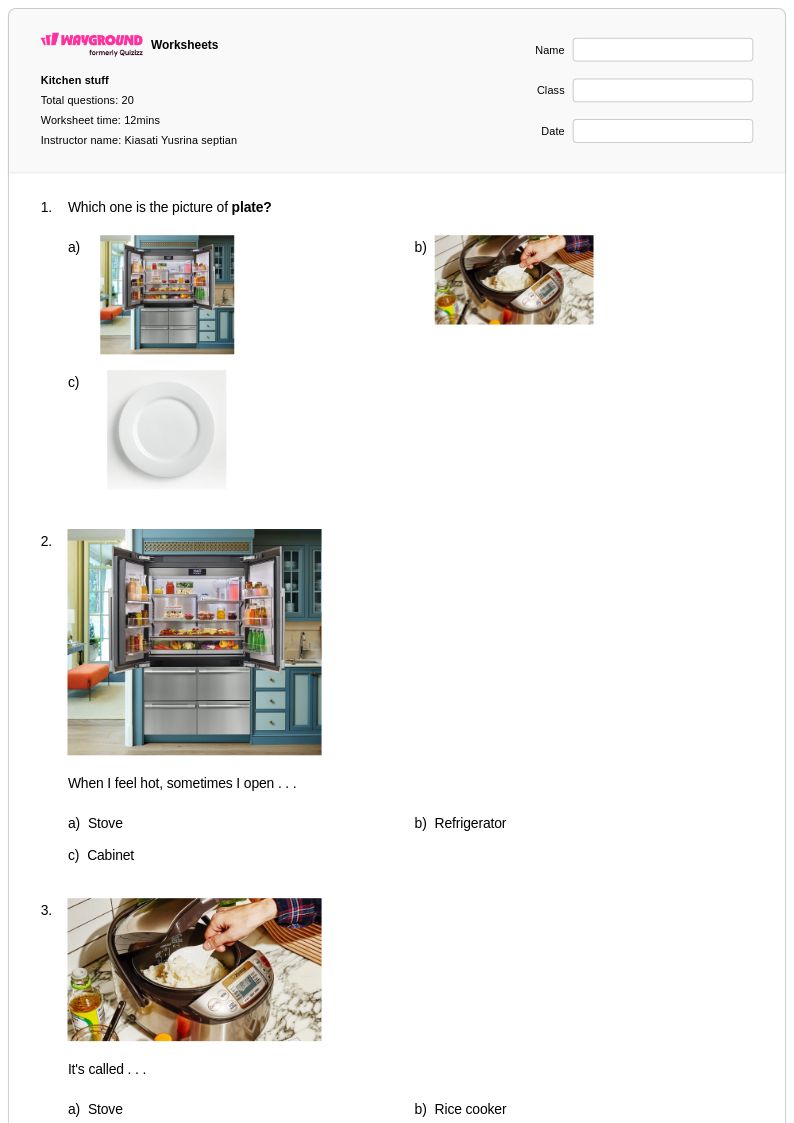
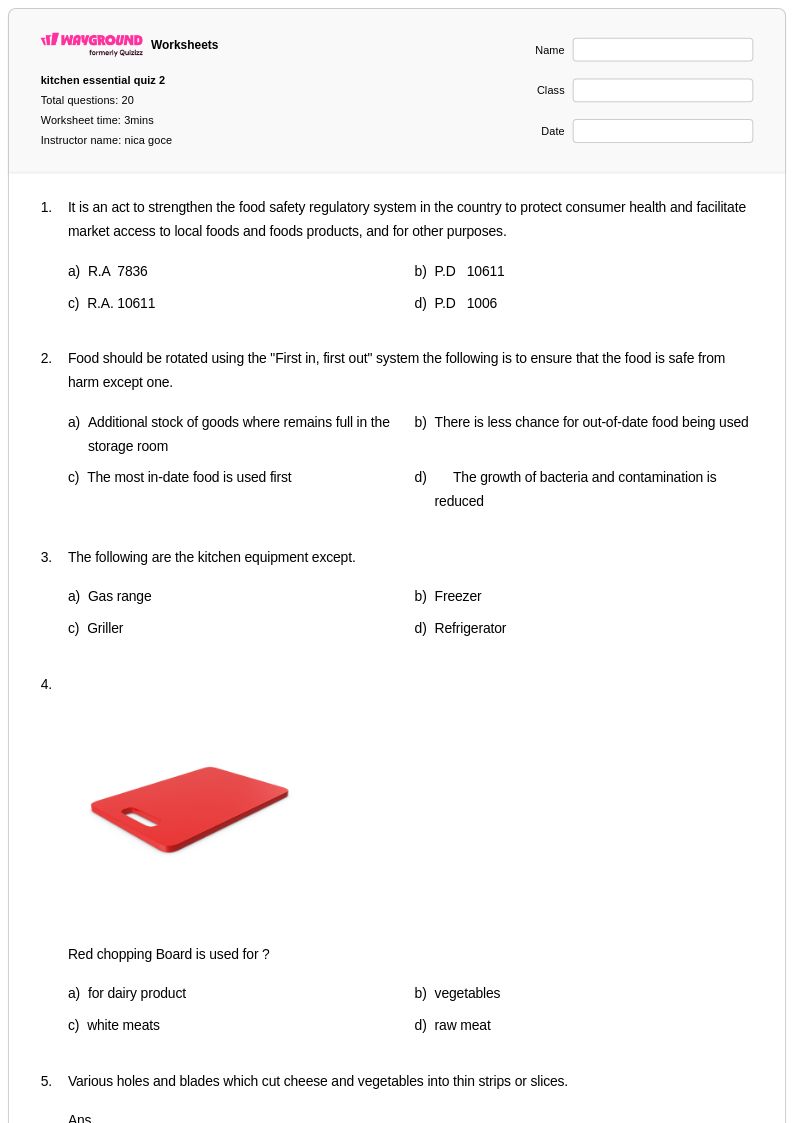
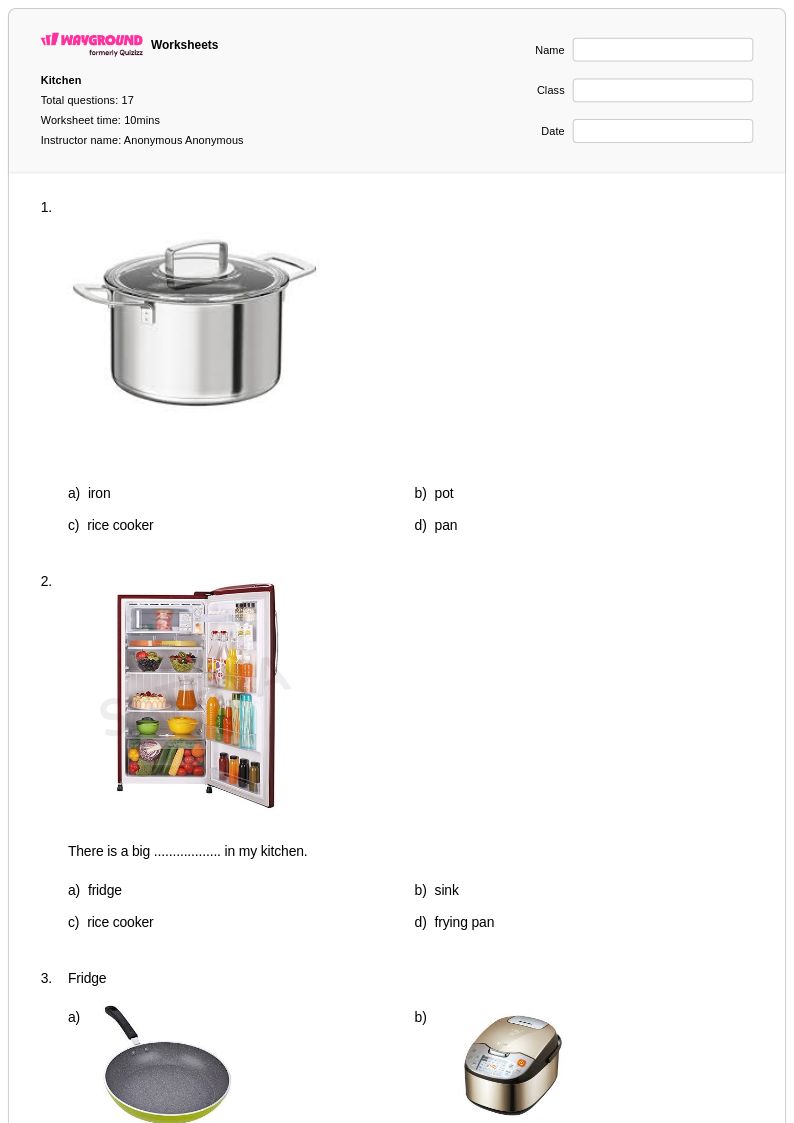
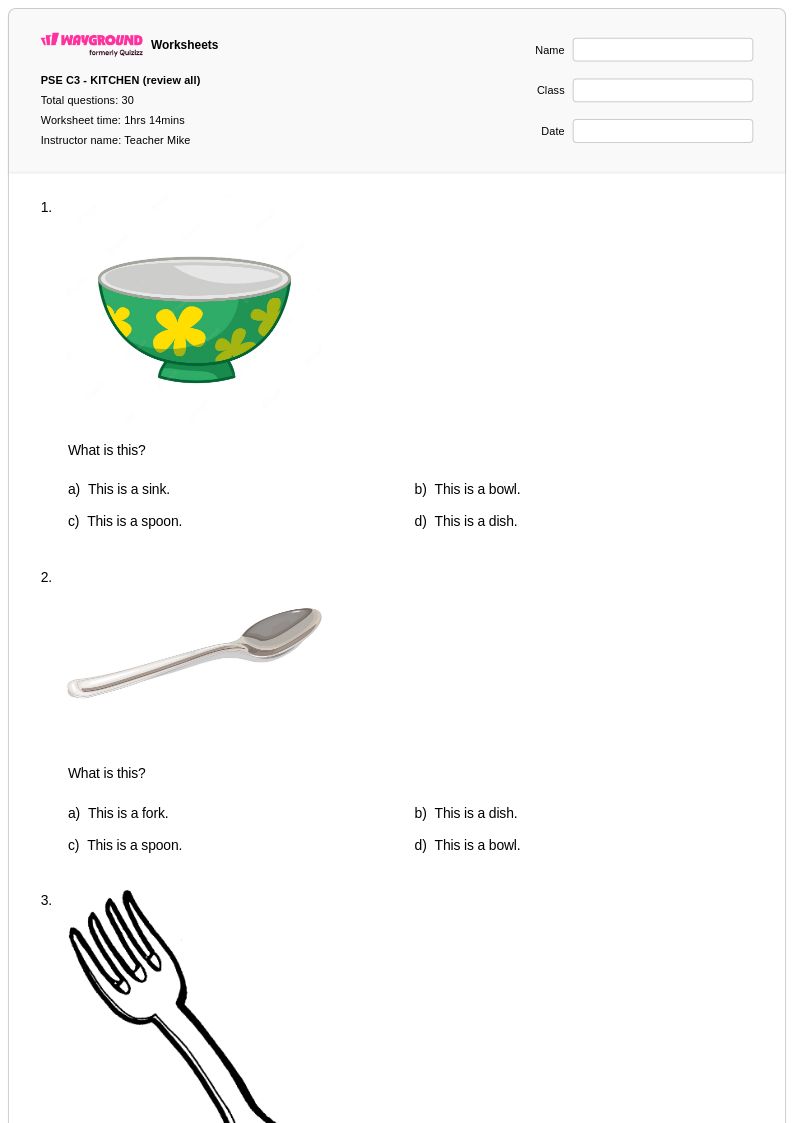
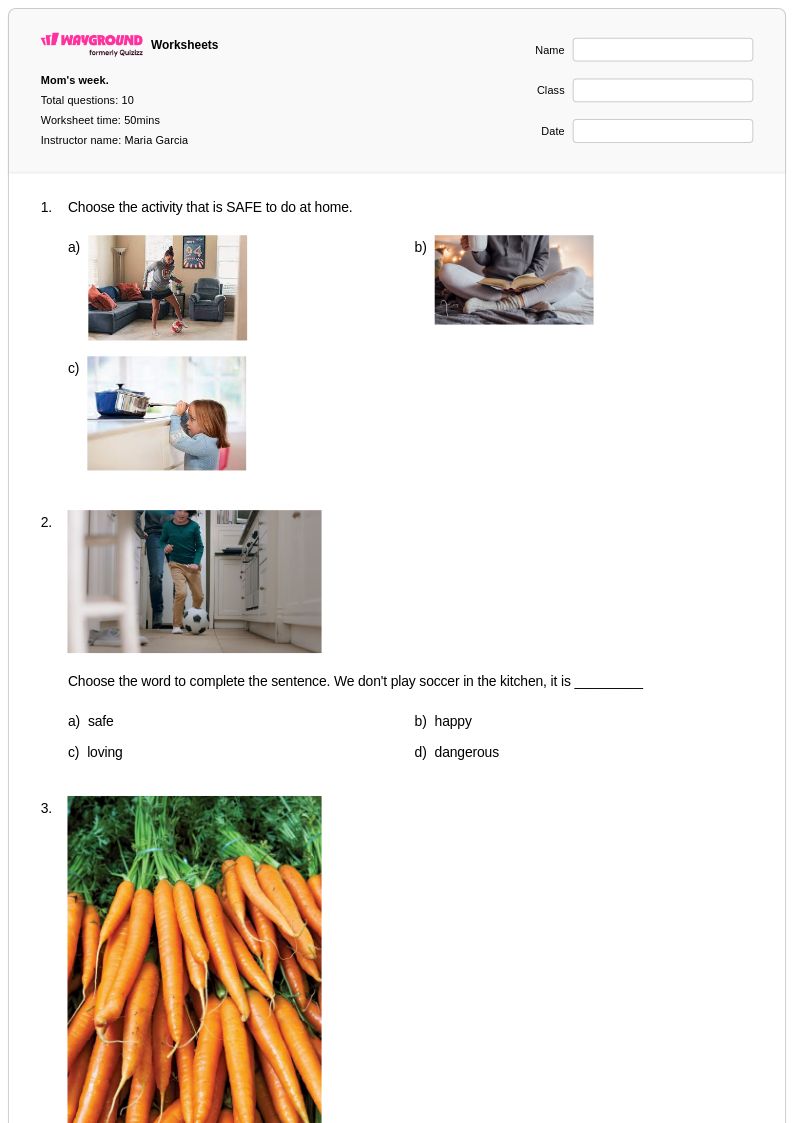
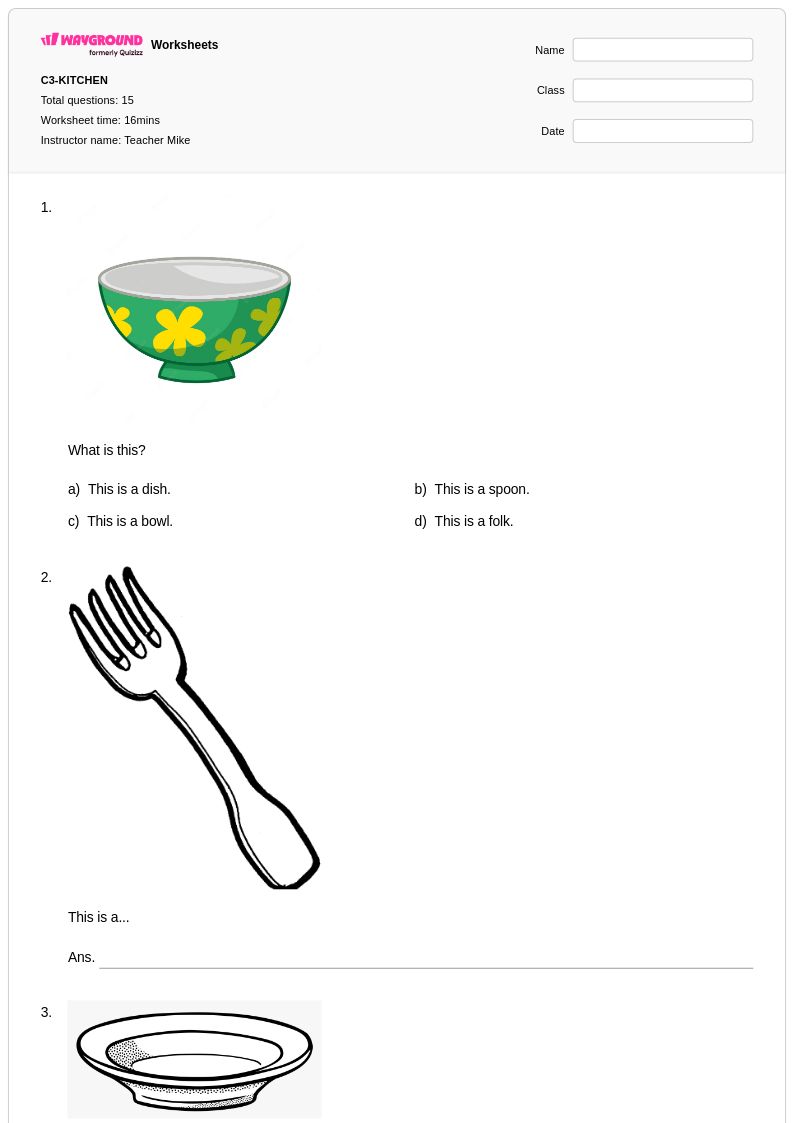
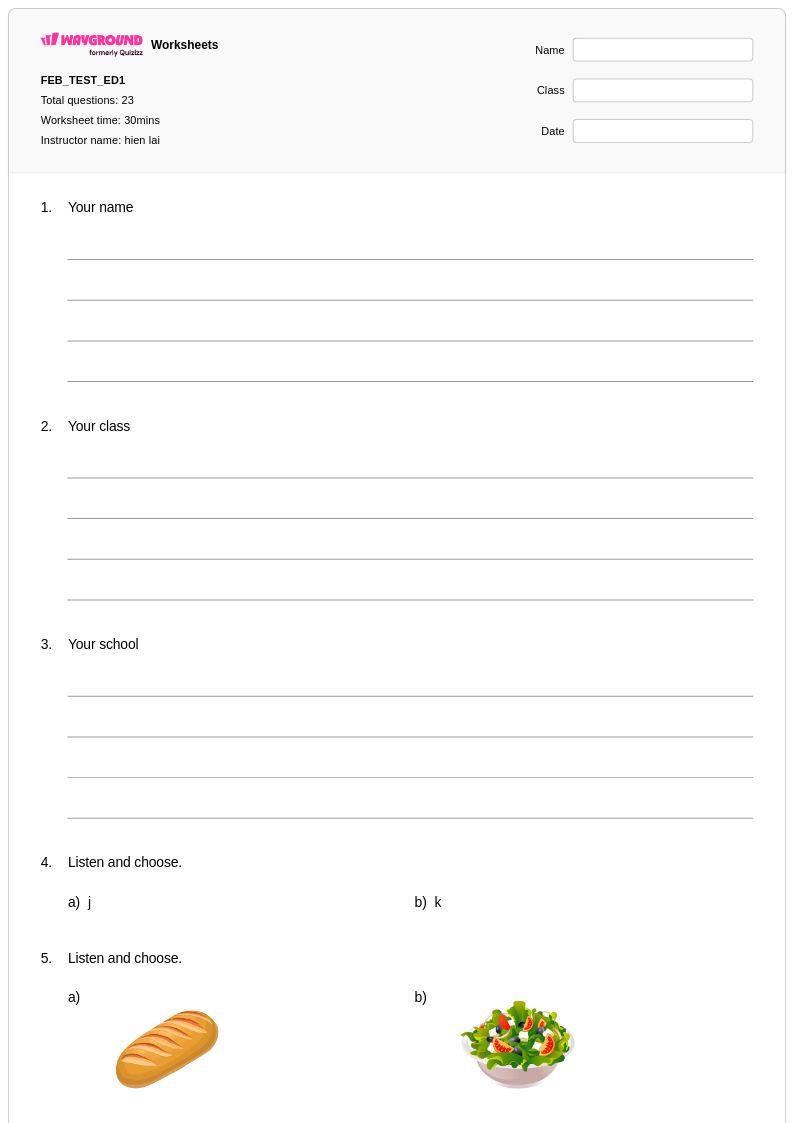
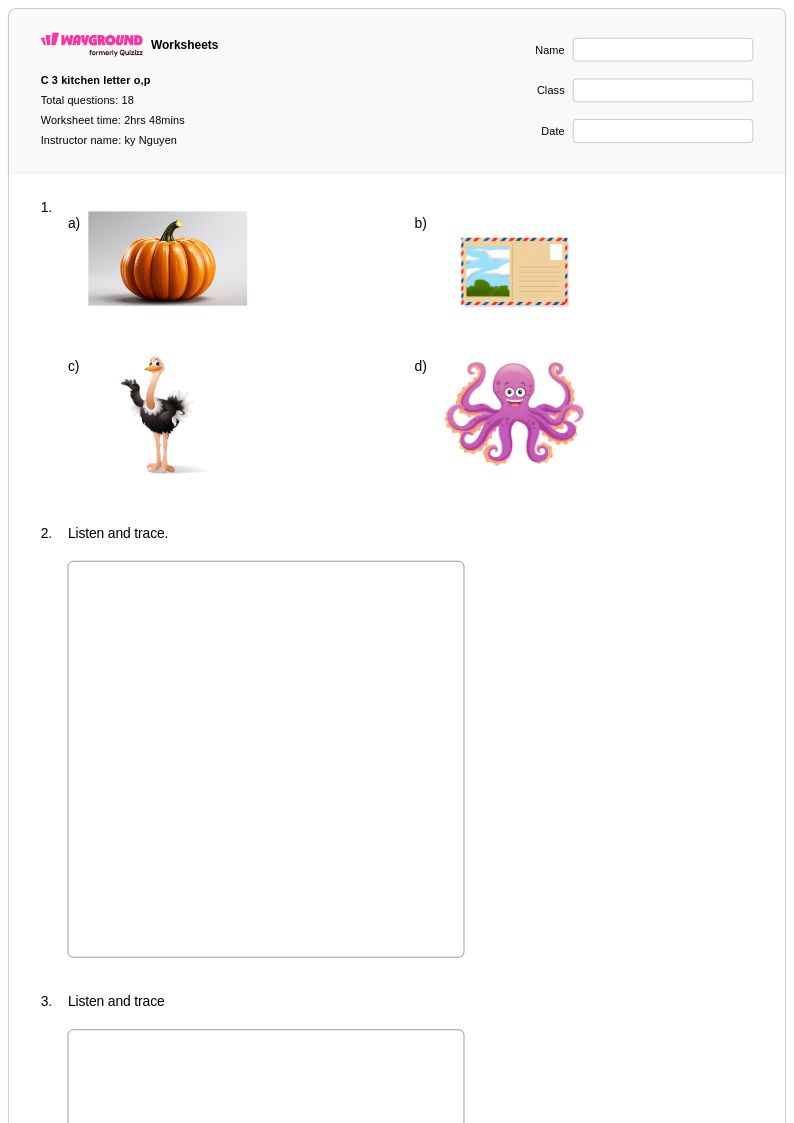
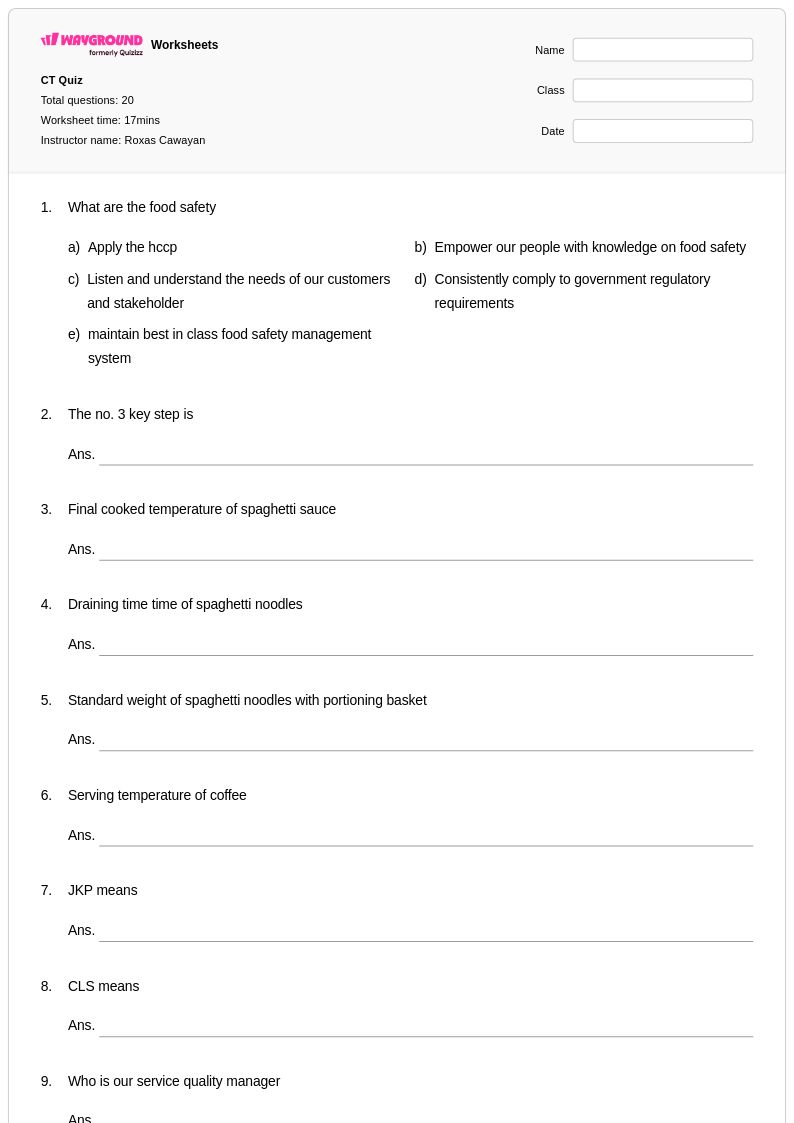
Kitchen safety worksheets for Class 1 students available through Wayground (formerly Quizizz) introduce young learners to essential safety practices in one of the home's most potentially hazardous environments. These carefully designed educational materials help first-grade students develop foundational awareness of kitchen dangers while building critical thinking skills about personal safety and accident prevention. The worksheets feature age-appropriate scenarios, visual identification activities, and simple practice problems that teach children to recognize hot surfaces, sharp objects, electrical appliances, and proper hygiene procedures. Each printable resource includes comprehensive answer keys that enable teachers and parents to guide discussions effectively, while the free pdf format ensures accessibility for both classroom instruction and home reinforcement of these vital life skills.
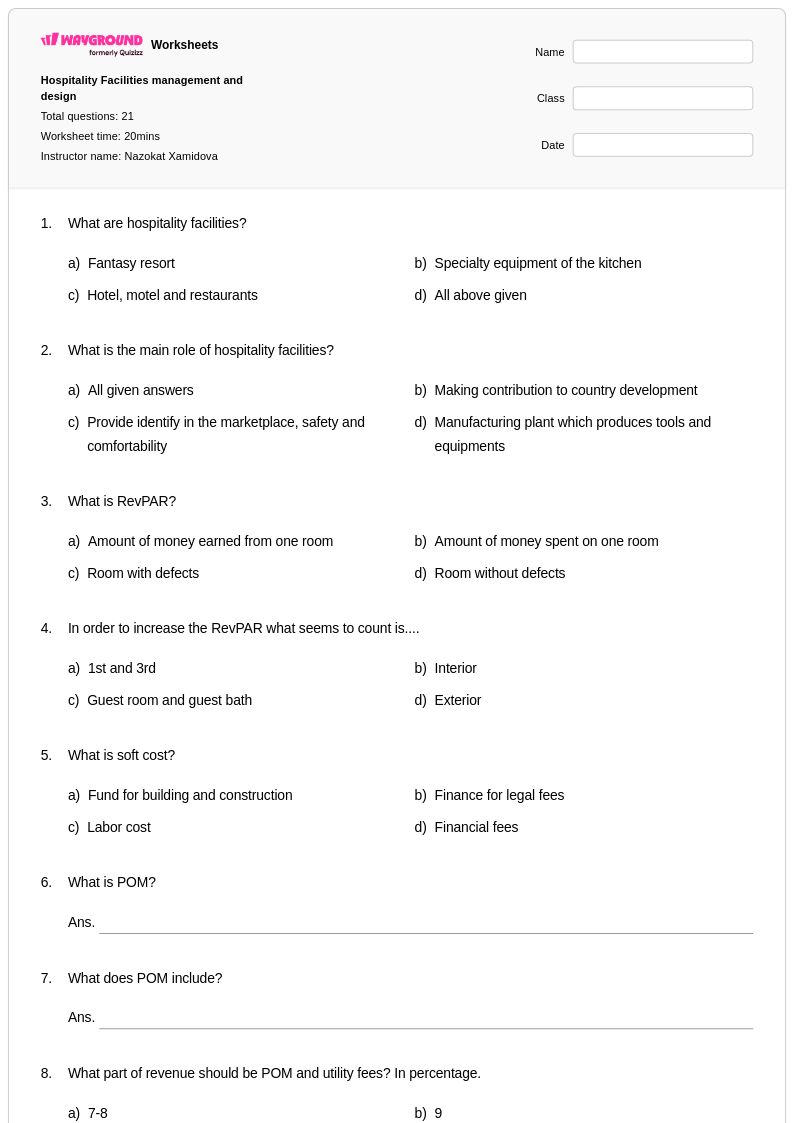
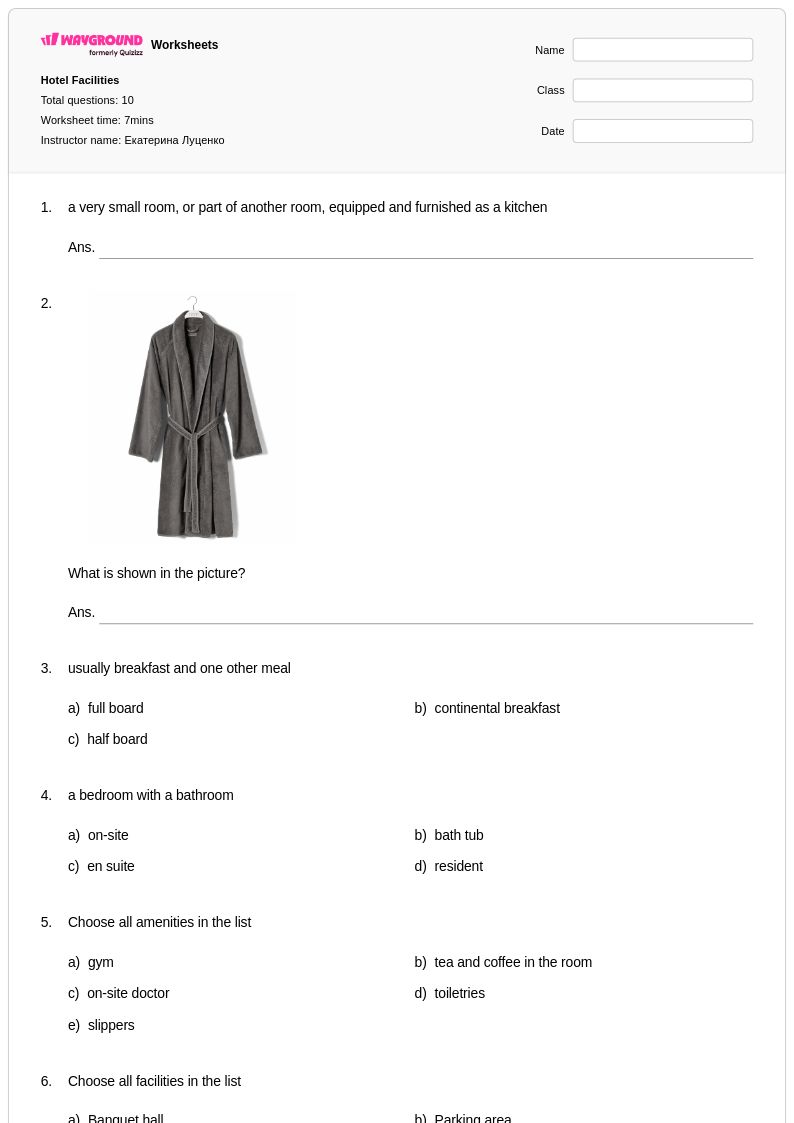
Wayground (formerly Quizizz) empowers educators with an extensive collection of teacher-created kitchen safety resources specifically tailored for Class 1 learners, drawing from millions of classroom-tested materials that align with health and safety learning standards. The platform's robust search and filtering capabilities allow teachers to quickly locate worksheets that match their students' developmental needs, whether for whole-class instruction, small group activities, or individual skill practice. Advanced differentiation tools enable educators to customize content complexity and presentation style, supporting both remediation for struggling learners and enrichment opportunities for advanced students. Available in both printable and digital formats including downloadable pdfs, these versatile resources streamline lesson planning while providing flexible options for homework assignments, assessment preparation, and ongoing practice that reinforces critical kitchen safety concepts throughout the academic year.
FAQs
How do I teach kitchen safety to students who have no cooking experience?
Start with foundational habits before students ever touch equipment: proper hand washing technique, understanding food storage temperatures, and identifying common kitchen hazards. Use scenario-based activities where students evaluate unsafe kitchen images or written situations and explain what should be done differently. Building awareness of risk before hands-on practice reduces accidents and creates more deliberate, safety-conscious learners.
What topics should a kitchen safety worksheet cover?
A well-rounded kitchen safety worksheet should address hand washing procedures, safe food storage temperatures, knife handling and cutting techniques, cross-contamination prevention, and hazard identification in kitchen environments. Covering both sanitation and physical safety ensures students understand the full scope of risks in food preparation settings. Scenario-based questions that ask students to identify errors or choose correct procedures are especially effective for reinforcing applied understanding.
What mistakes do students commonly make when learning kitchen safety concepts?
Students frequently underestimate cross-contamination risks, such as using the same cutting board for raw meat and vegetables without washing it in between. They also tend to confuse safe food storage temperatures or assume that food that looks and smells fine is safe to eat. Another common error is treating knife safety as common sense rather than a set of specific learned procedures, which can lead to careless handling habits.
How can I use kitchen safety worksheets to assess student understanding before a lab or cooking activity?
Assigning a kitchen safety worksheet as a pre-lab activity is an effective way to confirm students understand protocols before they work with equipment or food. Focus assessment questions on high-risk areas like knife handling, handwashing steps, and temperature danger zones, since errors in these areas carry real consequences. Reviewing worksheet responses as a class before the lab also allows you to address misconceptions in a low-stakes setting.
How do I use Wayground's kitchen safety worksheets in my classroom?
Wayground's kitchen safety worksheets are available as printable PDFs for traditional classroom use and in digital formats for technology-integrated learning environments, giving you flexibility for in-class instruction, homework, or independent practice. You can also host them as a quiz directly on Wayground, which allows for immediate feedback and simplified grading. Complete answer keys are included with every worksheet, making them efficient to assign and review.
How can I differentiate kitchen safety instruction for students at different skill levels?
For students who need additional support, simplify scenarios to focus on one safety concept at a time, such as hand washing steps only, before introducing more complex topics like cross-contamination. On Wayground, you can apply individual accommodations such as read aloud, reduced answer choices, or extended time to specific students without disrupting the rest of the class. For advanced learners, use open-ended questions that ask students to design a safe kitchen workflow or evaluate a multi-step recipe for safety risks.