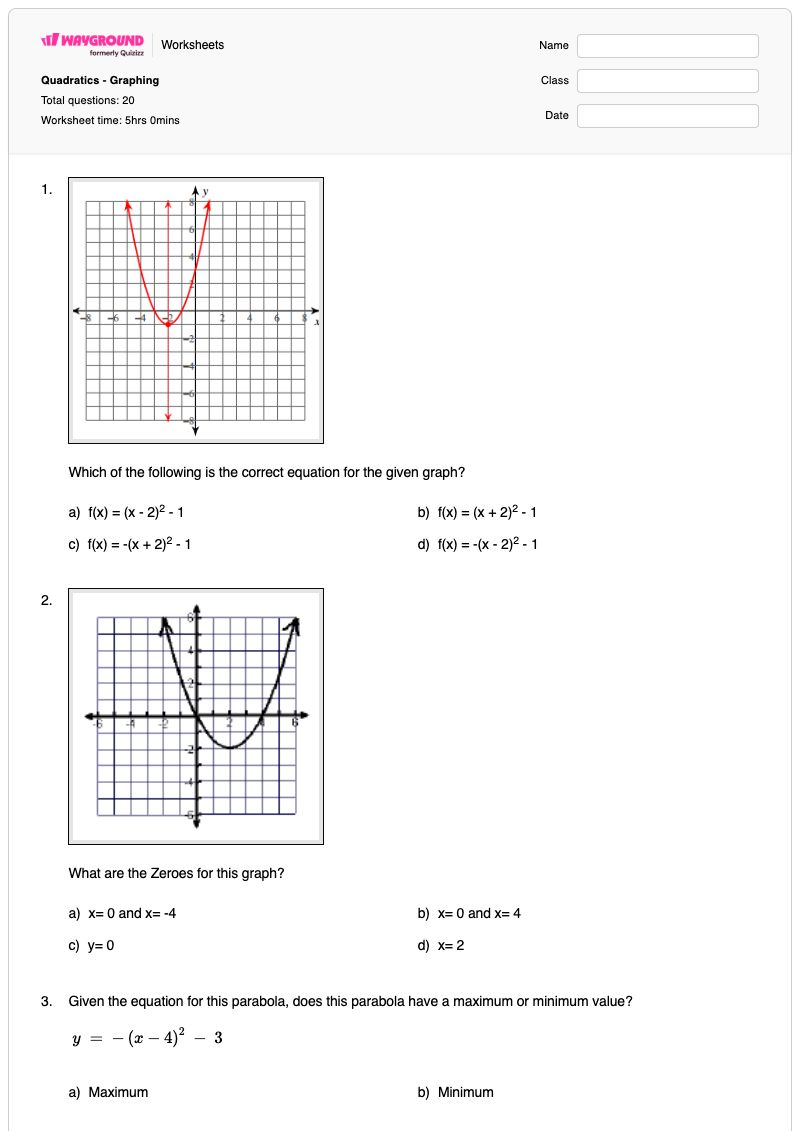

WorksheetsQuadratics - Graphing
Total questions: 20
Answer KeyQuadratics - Graphing
Total questions: 20
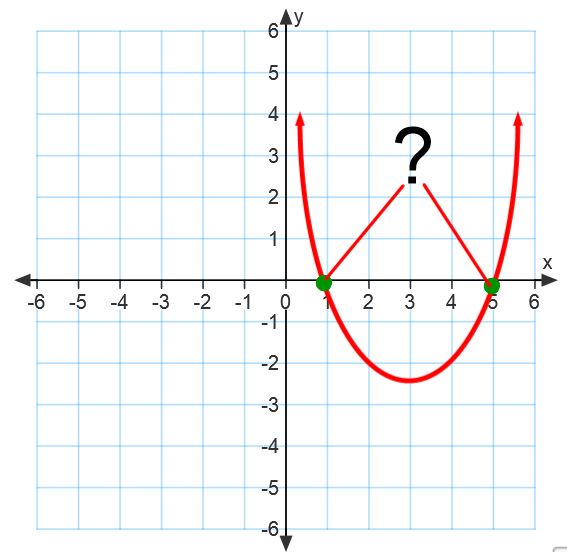
x= 0 and x= 4
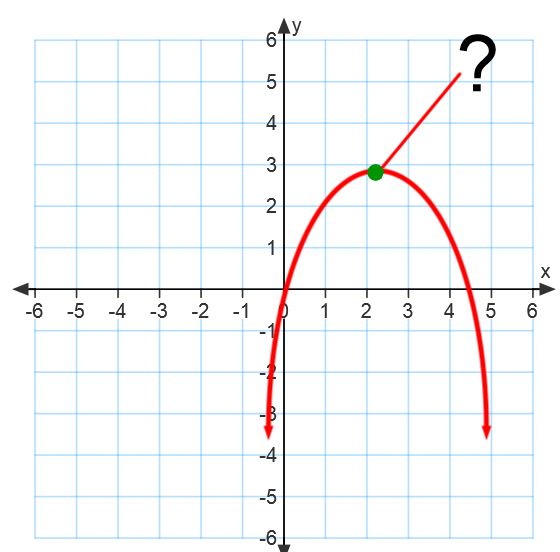
Maximum
maximum
x = -2 and x = 2
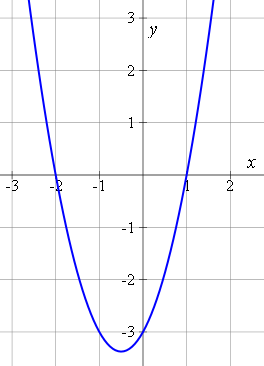
x = -1
y = 3(x + 1)2 - 8
(-5, -4)
Maximum
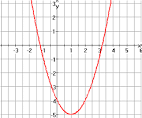
f(x) = (x - 1)2 - 5
y = 2(x+3)2 + 4
B
B

Created by Cynthia Keyes
20 questions
9th Grade
Math
Updated Oct 2026
Quadratics - Graphing is a Grade 9 mathematics worksheet that helps students interpret and analyze quadratic functions in both graphical and equation form. Across 20 multiple-choice questions, students identify vertices, x-intercepts or zeros, axes of symmetry, and maximum or minimum values from parabolas and equations. They also connect vertex form and standard form by converting equations and using each form to determine key features of a quadratic graph. This worksheet gives students focused practice reading the effects of signs, coefficients, and values in quadratic equations, including recognizing whether a parabola opens upward or downward and locating its vertex. It is suitable for guided instruction, independent practice, review, or a quick assessment of graphing-quadratics skills. The free printable worksheet includes a complete answer key for efficient checking and feedback.
Worksheet settings
Font size
Worksheets
Answer Keyx= 0 and x= 4
Maximum
maximum
x = -2 and x = 2
x = -1
y = 3(x + 1)2 - 8
(-5, -4)
Maximum
f(x) = (x - 1)2 - 5
y = 2(x+3)2 + 4
B
B
This Grade 9 worksheet uses 20 multiple-choice questions to practise reading quadratic graphs and equations. Students identify vertices, x-intercepts or zeros, axes of symmetry, and maximum or minimum values, then convert equations between vertex form and standard form. These tasks help students connect an equation’s structure to the key features of its parabola.
Introduce the worksheet by reviewing how vertex form reveals the vertex and whether the parabola opens upward or downward, then connect those features to maximum or minimum values. Model one graph-to-equation question and one equation-conversion question before students work independently. Use the multiple-choice options to ask students to explain why a sign or coordinate makes one equation correct and the alternatives incorrect.
Watch for students reversing the sign of the x-coordinate in vertex form, such as reading x + 5 as a vertex coordinate of 5 instead of -5. Students may also confuse the vertex with the x-intercepts or axis of symmetry, or choose a maximum when the leading coefficient is positive and the parabola opens upward. During the conversion items, check that students expand the squared binomial and combine terms accurately.
The worksheet is available as a printable PDF and as a digital quiz on Wayground, and it includes a complete answer key. You can grade printable submissions by scanning student work with the Wayground for Teachers app, while the digital quiz supports online response collection and scoring.
Use the worksheet’s Advanced Settings to adjust font spacing or font size so the graph-reading and equation questions are easier to navigate. You can also select a dyslexia-friendly font or translate the worksheet into another language when those options support access to the quadratic vocabulary and multiple-choice items.
Wayground offers a comprehensive collection of free printable worksheets and practice problems across subjects, with downloadable PDFs and answer keys to support essential skills and concepts. Browse more resources at https://wayground.com/en-us/worksheets.