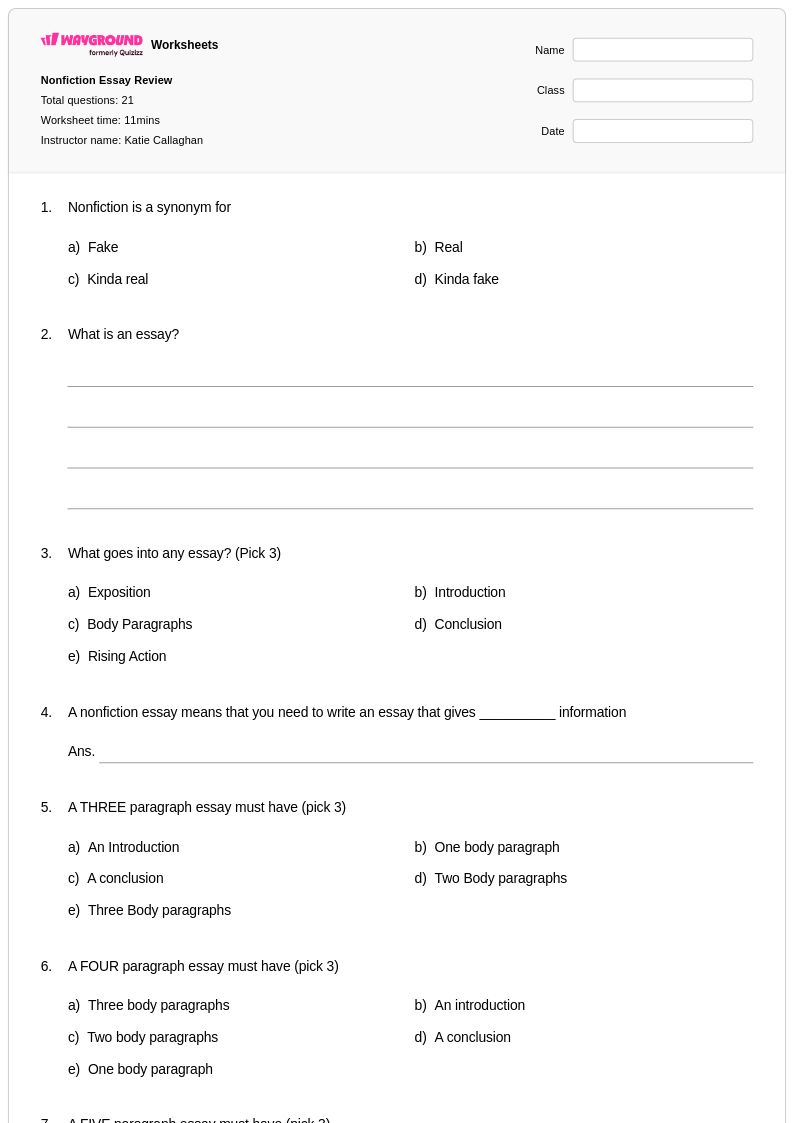
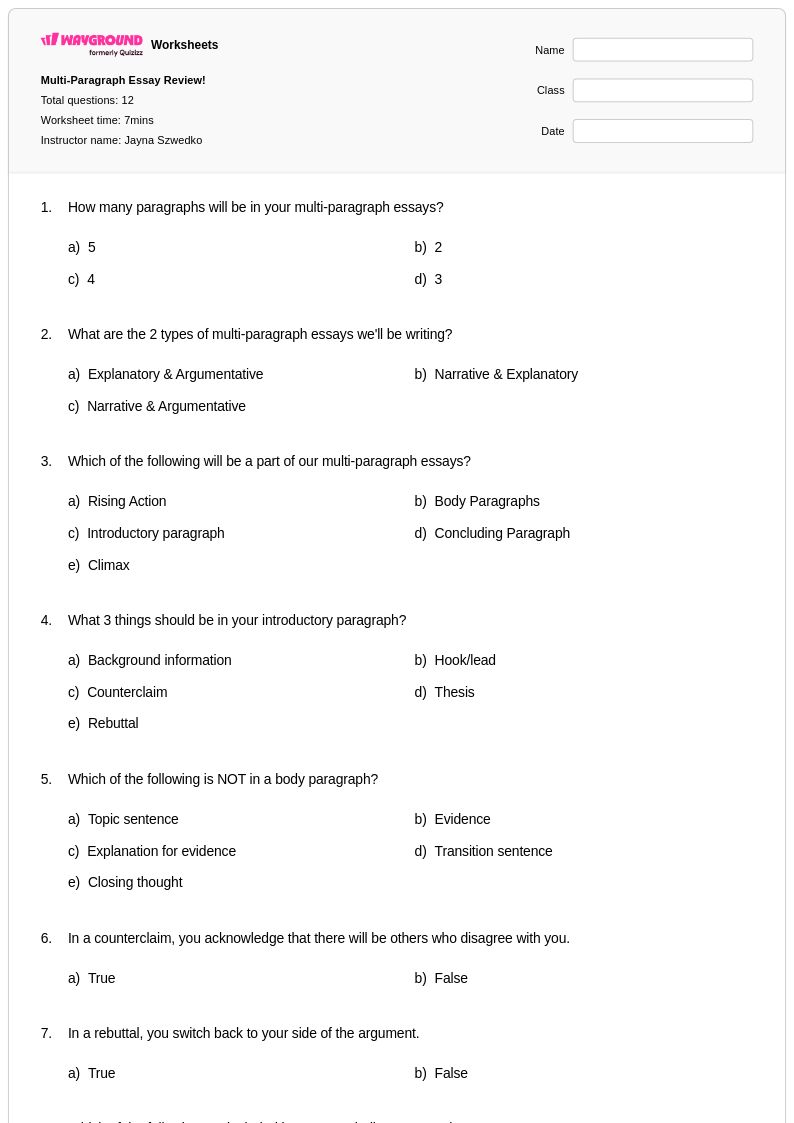
Enhance students' storytelling skills with Wayground's free narrative essay structure worksheets and printables, featuring practice problems and answer keys to master plot development, character arcs, and compelling story organization.
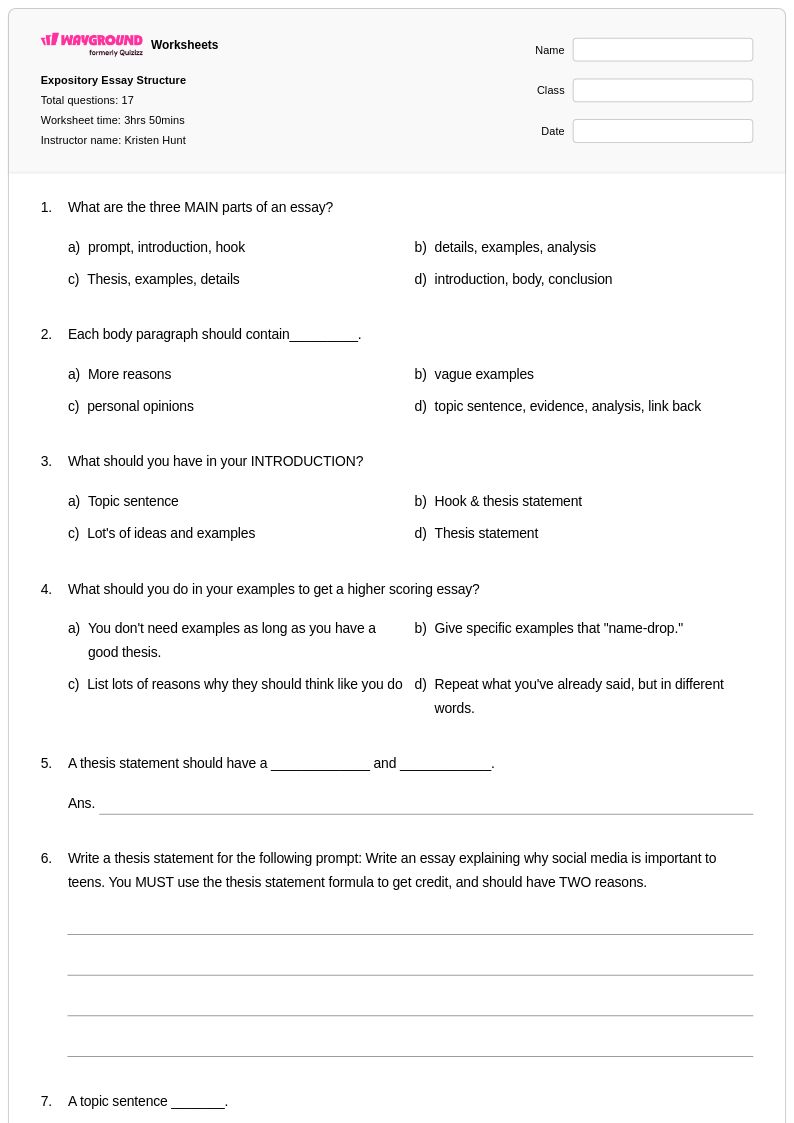
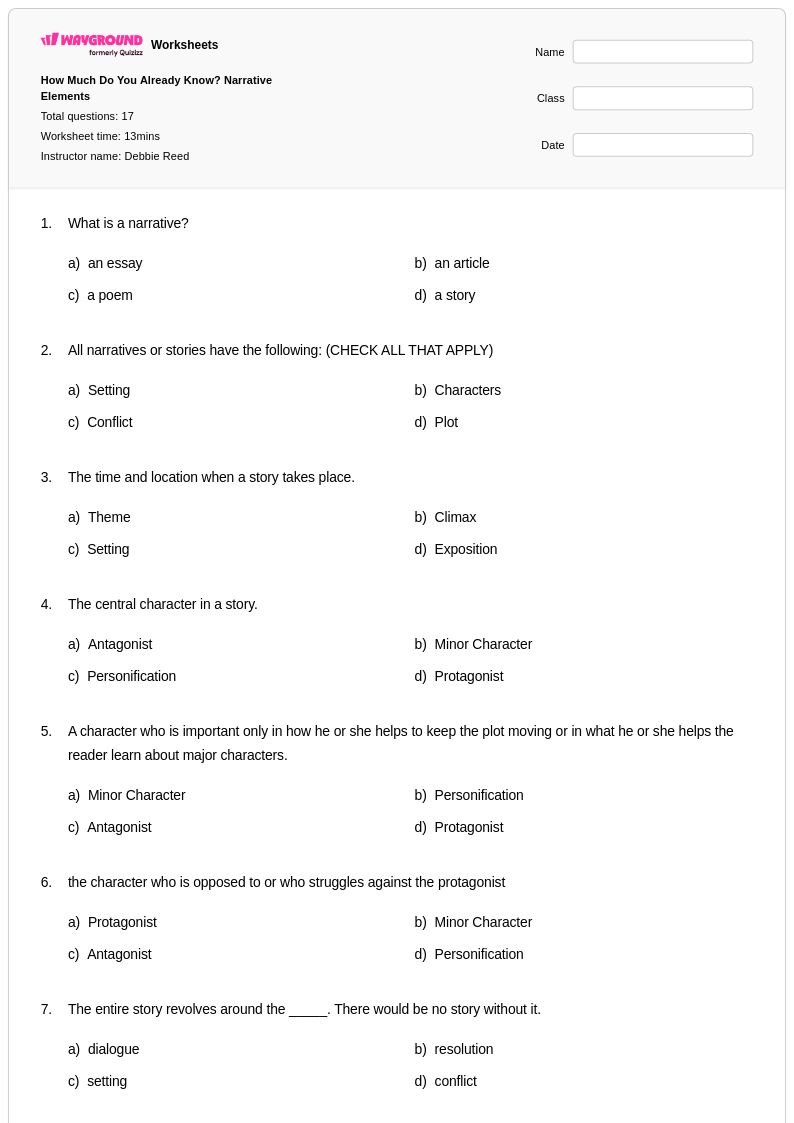
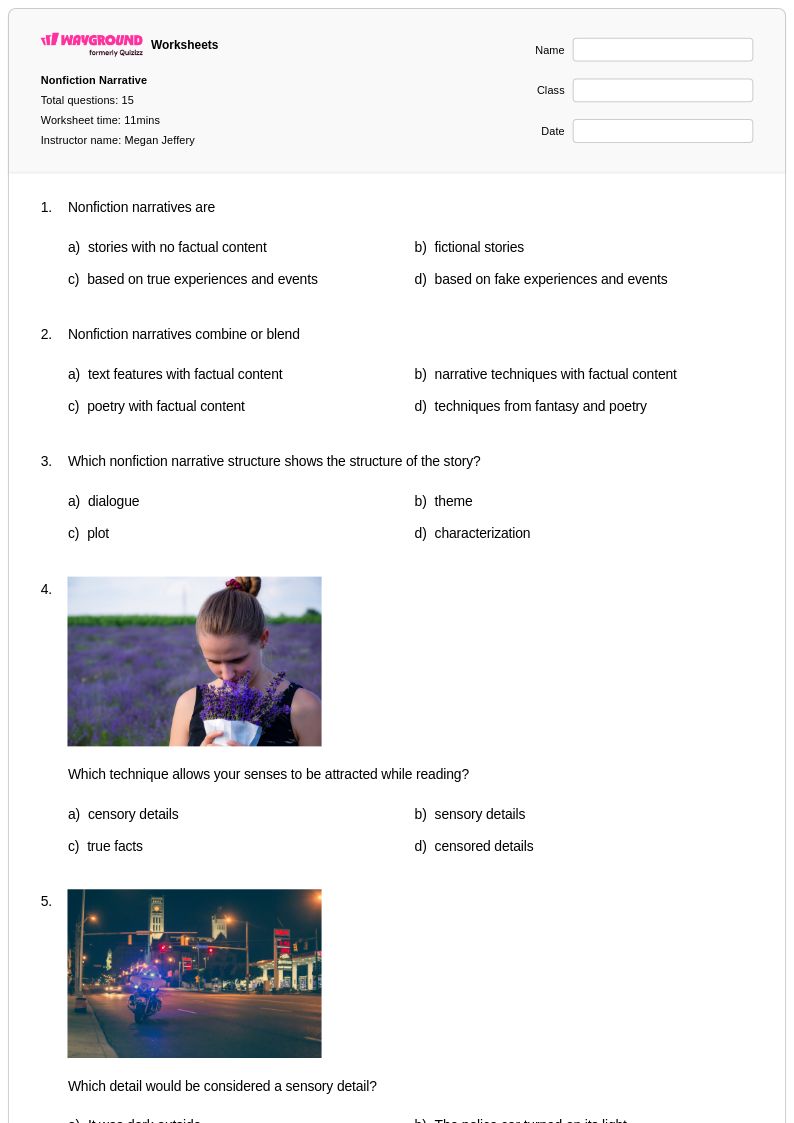
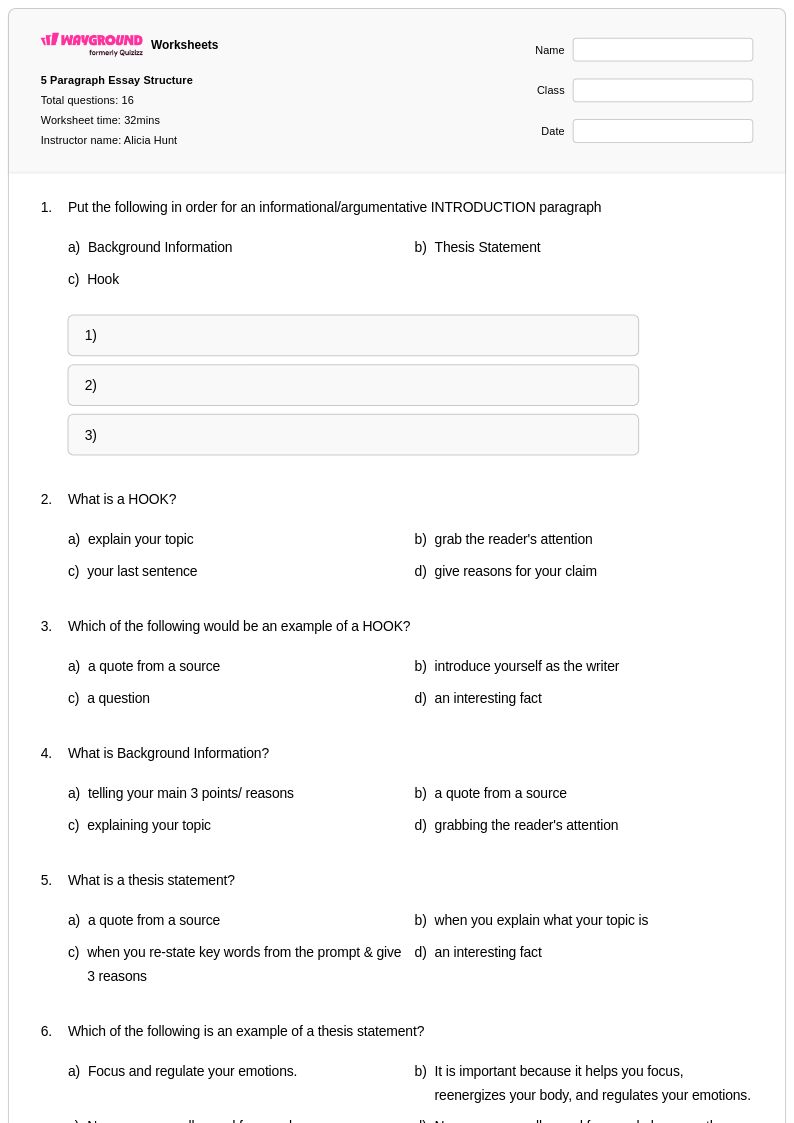
Narrative essay structure worksheets available through Wayground (formerly Quizizz) provide comprehensive instruction on the fundamental components that create compelling personal narratives and fictional stories. These expertly designed resources guide students through essential elements including engaging introductions with strong hooks, well-developed body paragraphs that advance plot through chronological or strategic sequencing, and satisfying conclusions that provide closure and reflection. Each worksheet strengthens critical writing skills such as establishing clear narrative arcs, incorporating dialogue effectively, developing characters and settings, and maintaining consistent point of view throughout the composition. The collection includes practice problems that challenge students to identify structural elements in sample narratives, answer key materials that facilitate self-assessment, and free printables that reinforce proper organization techniques through hands-on application exercises.
Wayground (formerly Quizizz) empowers educators with an extensive library of millions of teacher-created narrative essay structure resources that streamline lesson planning and enhance writing instruction across diverse learning environments. The platform's robust search and filtering capabilities allow teachers to quickly locate worksheets aligned with specific writing standards and learning objectives, while differentiation tools enable seamless customization for students at varying skill levels. These comprehensive materials are available in both printable pdf formats for traditional classroom use and digital formats for interactive online learning, supporting flexible implementation strategies that accommodate different teaching preferences and technological resources. Teachers utilize these narrative structure worksheets for targeted skill practice, writing remediation programs, and enrichment activities that challenge advanced students to master sophisticated storytelling techniques and organizational patterns.
FAQs
How do I teach narrative essay structure to students?
Start by breaking the narrative into its core components: the hook and introduction, rising action through body paragraphs, a climax, and a reflective conclusion. Use mentor texts or sample narratives to show students how each structural element functions before asking them to apply the same framework to their own writing. Teaching chronological sequencing alongside strategic sequencing helps students understand that structure is a deliberate craft choice, not just an outline formula.
What exercises help students practice narrative essay structure?
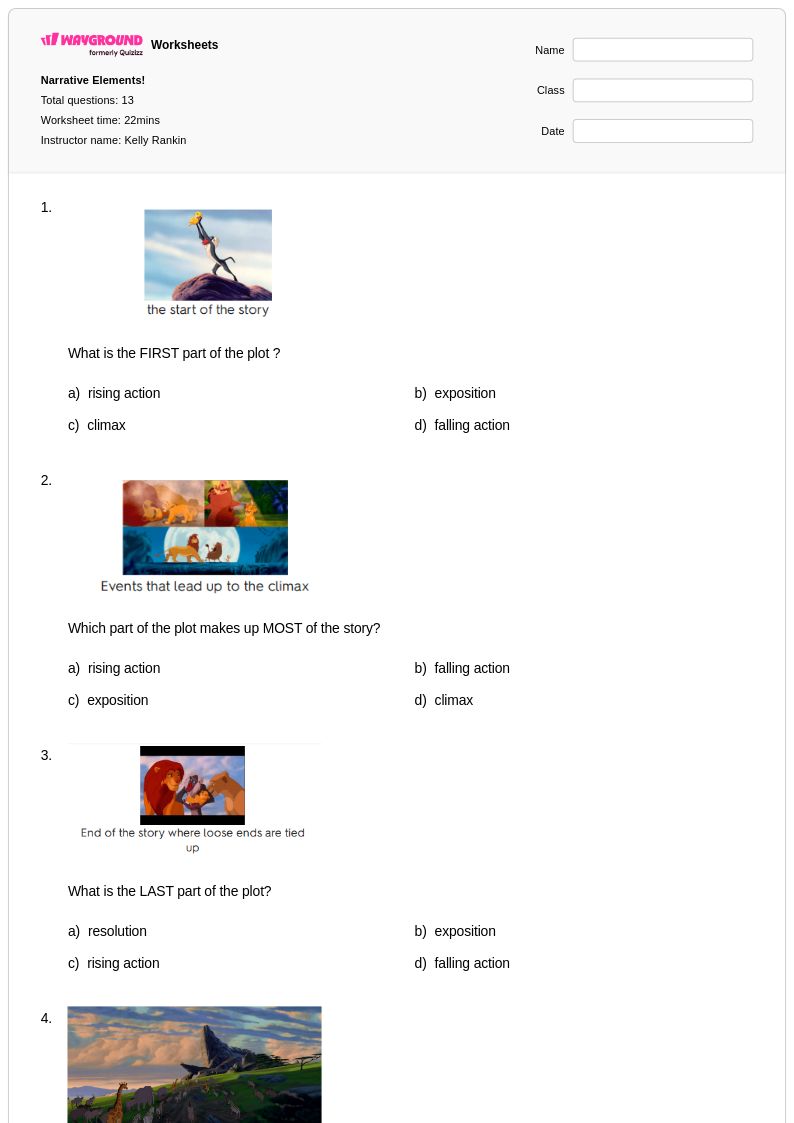
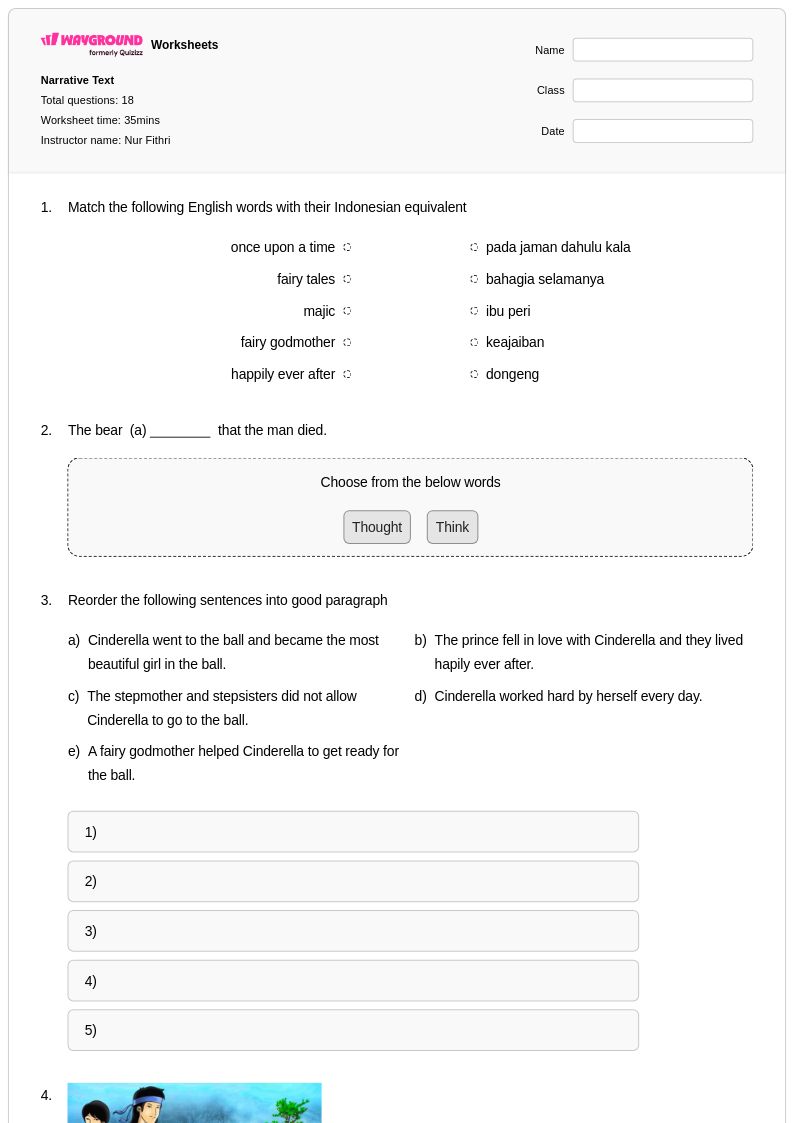
Effective practice exercises include identifying structural elements in provided sample narratives, labeling where a hook, rising action, climax, and conclusion appear in a short story, and reordering scrambled paragraphs to reconstruct a logical narrative arc. Students also benefit from drafting short narrative responses using a guided template that prompts them to include dialogue, character development, and a clear point of view. These structured exercises build the habits students need before applying the framework independently in full essays.
What are the most common mistakes students make with narrative essay structure?
The most frequent errors include starting with a weak or absent hook, writing body paragraphs that summarize events without advancing plot or developing character, and ending abruptly without reflection or closure. Students also struggle to maintain a consistent point of view throughout the essay, often shifting between first and third person mid-composition. Another common issue is neglecting dialogue or sensory detail, which leaves narratives feeling flat and structurally incomplete despite following a basic outline.
How do I use narrative essay structure worksheets effectively in my classroom?
These worksheets are available as printable PDFs for traditional classroom use and in digital formats for technology-integrated learning environments, including the option to host them as a quiz on Wayground. Use the identification exercises first to build structural awareness, then move students into application tasks where they draft their own narrative segments. Answer keys allow students to self-assess their identification work, freeing up teacher time for conferencing on student drafts. The digital format is especially useful for remote or hybrid settings where immediate feedback supports independent practice.
How do I help struggling writers understand narrative arc?
Struggling writers benefit most from visual scaffolds like story maps or arc diagrams that label each structural stage before any writing begins. Pair these tools with short, accessible mentor texts so students can see the arc in action rather than just in abstract terms. Breaking the writing task into sequenced steps, where students draft only the hook one day and the rising action the next, reduces cognitive load and makes the full arc feel achievable rather than overwhelming.
How can I differentiate narrative essay structure instruction for students at different skill levels?
For developing writers, provide sentence frames for hooks and conclusions and limit the body paragraph requirement to two or three events in chronological order. Advanced students can be challenged to experiment with non-linear sequencing, unreliable narrators, or in-scene dialogue that reveals character rather than describing it. On Wayground, teachers can apply accommodations such as read-aloud support, reduced answer choices, and extended time to individual students, ensuring each learner engages with the same structural concepts at an appropriate level of challenge.