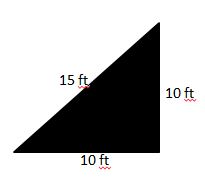
Area and Perimeter of Triangles is a Grade 6 mathematics worksheet that helps students distinguish between two essential measurement skills: finding the area inside a triangle and finding the distance around it. Across 20 multiple-choice questions, students use triangle measurements to select areas in square units and perimeters in linear units, including problems with whole numbers and decimals.
The worksheet also connects these calculations to practical situations, such as determining fabric for a triangular scarf, trim for artwork, and the distance walked around a triangular park over several trips. These contexts require students to identify whether a problem calls for area or perimeter and interpret the answer using appropriate units. Use this free printable worksheet with the included answer key for independent practice, review, homework, or a quick formative assessment of triangle measurement skills.
Worksheet settings
Font size
S
M
L
XL
Worksheets
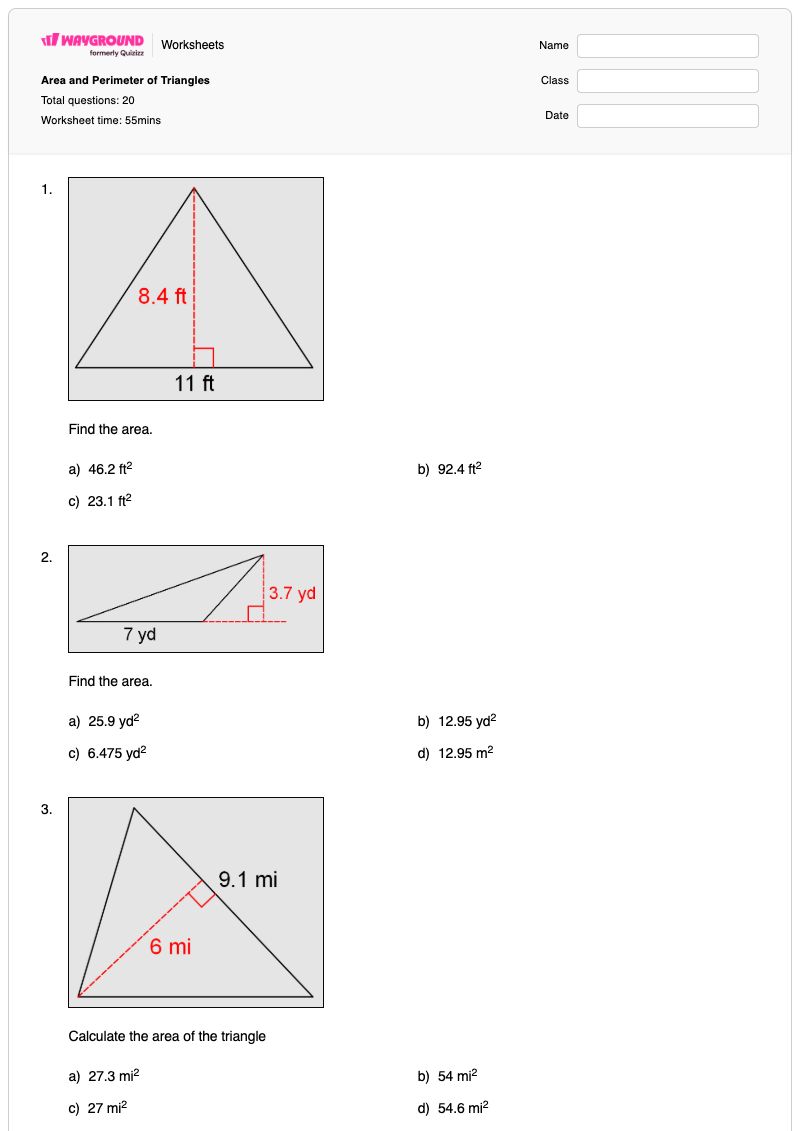
Area and Perimeter of Triangles
Total questions: 20
Name
Class
Date
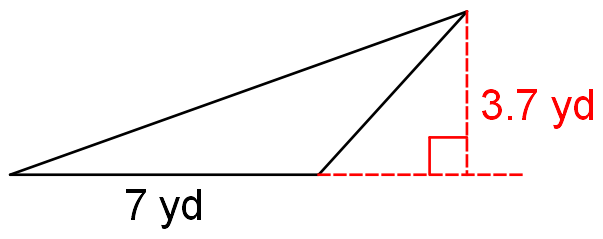
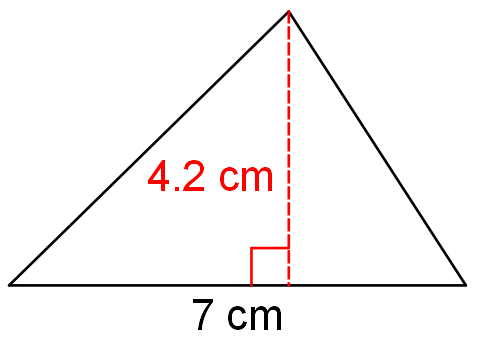
1.
Find the area.
a)
46.2 ft2
b)
92.4 ft2
c)
23.1 ft2
2.
Find the area.
a)
25.9 yd2
b)
12.95 yd2
c)
6.475 yd2
d)
12.95 m2
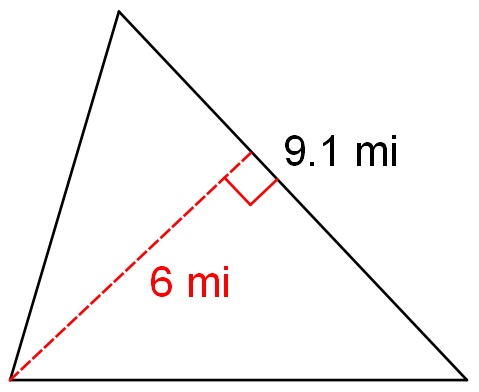
3.
Calculate the area of the triangle
a)
27.3 mi2
b)
54 mi2
c)
27 mi2
d)
54.6 mi2
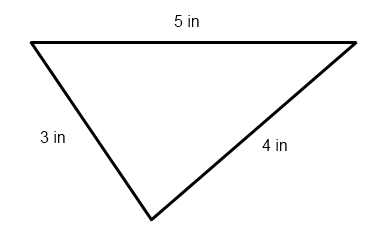
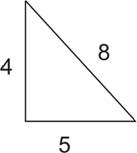
4.
What is the perimeter of the shape?
a)
4 in.
b)
10 in.
c)
12 in.
d)
7.5 in.
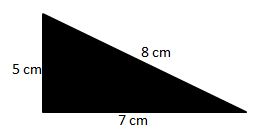
5.
Find the perimeter of this triangle.
a)
20 cm
b)
21 cm
c)
40 cm
d)
12.5 cm
6.
Macy is making a triangular scarf for her dog. Using the triangle as a guide, how much fabric would she need to make the scarf.
a)
7.35 cm2
b)
14.7 cm2
c)
29.4 cm2
7.
Maria wants to put trim around her artwork. Use the image to calculate how many inches of trim Maria would need.
a)
16 inches
b)
22 inches
c)
26 inches
d)
44 inches
8.
Jose lives next to a triangular park. He likes to take his dog for a walk around the park on the weekend. If he makes 3 trips around the park how far does he walk?
a)
17 units
b)
25 units
c)
51 units
d)
102 units
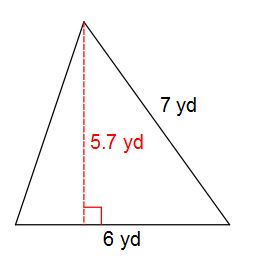
9.
Find the area of the triangle.
a)
42 yd
b)
17.1 yd
c)
42 yd sq
d)
17.1 yd sq
10.
Find the perimeter of the triangle.
a)
16.5 cm
b)
13.4 cm sq
c)
13.4 cm
d)
15.8 cm
11.
Find the area of the triangle.
a)
6.65 m sq
b)
21 m sq
c)
42 m sq
d)
16 m sq
12.
Find the perimeter of the triangle.
a)
16 m
b)
17.9 m
c)
13.3 m
d)
21 m
13.
Area of triangle?
a)
17 units2
b)
20 units2
c)
10 units2
d)
16 units2
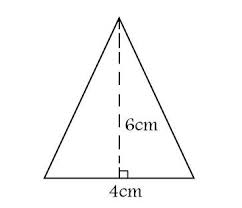
14.
What is the area?
a)
12 cm2
b)
14
c)
14 cm2
d)
24 cm2
15.
Find the area of this triangle.
a)
150 ft2
b)
100 ft2
c)
50 ft2
d)
35 ft2
16.
Find the perimeter of this triangle.
a)
12 in
b)
22 in
c)
18 in
d)
24 in
17.
Find the perimeter of this triangle.
a)
20 cm
b)
35 cm
c)
40 cm
d)
12.5 cm
18.
Find the perimeter of this triangle.
a)
240 ft
b)
56 ft
c)
66 ft
d)
120 ft
19.
To find the area of a triangle, you need to know the _________ and ________.
a)
sides and sides
b)
base and height
c)
bottom and top
d)
length and width
20.
What is the formula for area of a triangle?
a)
A=1/2 (B x H)
b)
A=1/2 (L x W)
c)
A= B ÷ 2
d)
A= (L x W)÷2
Answer Key
Area and Perimeter of Triangles
Total questions: 20
1.
a)
46.2 ft2
2.
b) 12.95 yd2
3.
a)
27.3 mi2
4.
c)
12 in.
5.
a)
20 cm
6.
b)
14.7 cm2
7.
b)
22 inches
8.
c)
51 units
9.
d) 17.1 yd sq
10.
c) 13.4 cm
11.
a) 6.65 m sq
12.
a) 16 m
13.
c) 10 units2
14.
a) 12 cm2
15.
c) 50 ft2
16.
c) 18 in
17.
a) 20 cm
18.
b) 56 ft
19.
b)
base and height
20.
a)
A=1/2 (B x H)
140 %
Browse by subjects
Browse by grades
Browse by format
FAQs
What does the Area and Perimeter of Triangles worksheet cover?
This Grade 6 worksheet contains 20 multiple-choice questions on finding the area and perimeter of triangles. Students calculate area for the space inside a triangle, calculate perimeter by combining its side lengths, and select answers with the correct square or linear units. Several items apply these skills to situations such as making a triangular scarf, adding trim, and walking around a triangular park.
How can I use this worksheet to teach area and perimeter of triangles?
Introduce the worksheet by having students compare what area measures inside a triangle with what perimeter measures around its edges. Model one area item and one perimeter item, emphasizing the difference between square units and linear units, then have students explain which measurement a context such as fabric, trim, or repeated trips around a park requires. Use the multiple-choice options to discuss why plausible answers may result from adding instead of multiplying or using the wrong unit.
What mistakes should I watch for when students complete this triangle worksheet?
Watch for students choosing a perimeter when a problem asks for the area, or choosing an area when a situation asks for distance around a triangle. Students may also forget the one-half factor in a triangle-area calculation, add only two side lengths for perimeter, or report square units for perimeter and linear units for area. In the park problem, check that students multiply one trip around the triangle by the stated three trips.
How do I assign and grade this triangle worksheet?
The Area and Perimeter of Triangles worksheet is available as a printable PDF and as a digital quiz on Wayground, and it includes a complete answer key. For printable submissions, you can scan student work with the Wayground for Teachers app to support grading. The printable version also gives schools an option for reducing screen time.
How can I differentiate this area and perimeter worksheet for my students?
Use the worksheet’s Advanced Settings to create an alternate version with increased font spacing or a larger font size, making the 20 multiple-choice items easier to navigate. You can also apply a dyslexia-friendly font or translate the triangle area and perimeter questions into another language when appropriate.
Where can I find more worksheets like this on Wayground?
Wayground offers a comprehensive collection of free printable worksheets and practice problems across all subjects, with downloadable PDFs and answer keys to help students master essential skills and concepts. Browse more resources at https://wayground.com/en-us/worksheets.

 Worksheets