
Wayground
Energy Transformation - Printable Science Worksheets 6th Grade - Wayground

Energy Transformation

Jenny Hoffman

Created by Jenny Hoffman

20 questions

6th Grade

Science

Updated Oct 2026

Energy Transformation is a free printable Grade 6 science worksheet that helps students identify stored, transferred, and transformed forms of energy. Across 20 multiple-choice questions, students classify examples such as chemical energy in a battery or apple, sound energy from a ringing phone, nuclear energy from splitting nuclei, and thermal energy from burning logs. Students also determine the direction of energy transformations in familiar situations, including solar panels, toasters, fans, electric pencil sharpeners, lamps, and animals using food energy to move. The worksheet gives learners repeated practice distinguishing energy types from transformation pathways, such as electrical to thermal, electrical to mechanical, and chemical to mechanical. A complete answer key is included for efficient review, independent practice, or classroom assessment.

Worksheet settings

Font size

S
M
L
XL
WaygroundWorksheets

Energy Transformation

Total questions: 20

Name
Class
Date
1.
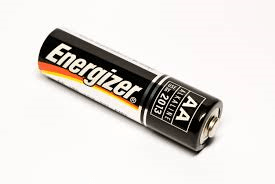
what type of energy is stored in a battery?
a)
electrical
b)
chemical
c)
thermal
d)
mechanical
2.
Solar Energy is transferred to _____ Energy.
a)
Mechanical
b)
Solar
c)
Sound
d)
Electrical
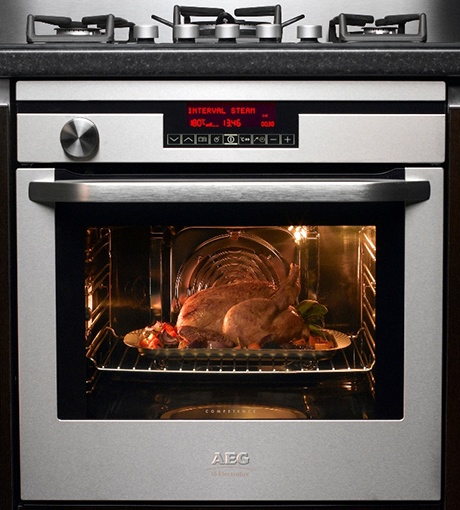
3.
Electrical Energy is transferred to _____ Energy.
a)
Thermal
b)
Solar
c)
Electrical
d)
None
4.
Mechanical Energy is transferred to _____ Energy.
a)
Solar
b)
Mechanical
c)
Electrical
d)
Potential
5.
Energy you get from eating an apple
a)
nuclear energy
b)
electromagnetic energy
c)
sound energy
d)
chemical energy
6.
What energy is given off when a cell phone rings?
a)
Sound Energy
b)
Gravitational Energy
c)
Thermal Energy
d)
Nuclear Energy
7.
Which energy transformation occurs in a toaster?
a)
chemical to electric
b)
electric to thermal
c)
kinetic to chemical
d)
thermal to potential
8.
Mr. Huff's students are complaining that it is hot in the classroom. He plugs in a fan and turns it on, what energy transformation now occurs?
a)
mechanical to electrical
b)
electrical to mechanical
c)
chemical to mechanical
d)
electromagnetic to mechanical
9.
What is an example of Nuclear energy?
a)
light energy
b)
splitting nuclei
c)
burning logs
d)
plucking a guitar string
10.
You have just turned on a fan.
What type of energy is this?
a)
Electric
b)
Radiant
c)
Nuclear
d)
Thermal
11.
Thermal energy is...
a)
burning logs
b)
turning on a fan
c)
sun energy
d)
splitting of nuclei
12.
What energy is given off when a cell phone rings?
a)
Sound Energy
b)
Gravitational Energy
c)
Thermal Energy
d)
Nuclear Energy
13.
What type of energy transformation occurs when using an electric pencil sharpener?

What type of energy transformation occurs when using an electric pencil sharpener?

a)

electrical to mechanical

b)

sound to electrical

c)

mechanical to electrical

d)

potential to sound

14.
A lamp begins with electrical energy when plugged in and turns into _________ energy when the light comes on.

A lamp begins with electrical energy when plugged in and turns into _________ energy when the light comes on.

a)

mechanical

b)

kinetic

c)

radiant

d)

sound

15.

What type of energy transformation occurs when a hawk eats a mouse and then uses that energy to fly?

a)

chemical to mechanical

b)

mechanical to chemical

c)

thermal to mechanical

d)

mechanical to thermal

16.
What energy transformation occurs when a crock pot is plugged into an outlet and then the control knob is turned "on"?

What energy transformation occurs when a crock pot is plugged into an outlet and then the control knob is turned "on"?

a)

thermal to electrical

b)

mechanical to thermal

c)

electrical to thermal

d)

electrical to sound

17.
What type of energy is electrons flowing through a wire?

What type of energy is electrons flowing through a wire?

a)

Electrical energy

b)

Chemical energy

c)

Kinetic energy

d)

Mechanical energy

18.
Which of the following shows an energy transformation from chemical energy to electrical to light energy?
a)
A bolt of lightning lights the night sky.
b)
A candle glows brightly in the dark.
c)
A fire in a fireplace lights up a room.
d)
A battery causes a flashlight to shine.
19.
What energy transformations take place when a battery-operated radio is in use?
a)
Electrical to chemical to light
b)
Sound to chemical to mechanical
c)
Chemical to electrical to sound
d)
Light to electrical to thermal
20.
Which of the following devices transforms electrical energy into mechanical energy?
a)
An e-reader
b)
a fan
c)
a manual pencil sharpener
d)
ipod
WaygroundAnswer Key

Energy Transformation

Total questions: 20

1.
b) chemical
2.
d) Electrical
3.
a) Thermal
4.
c) Electrical
5.
d) chemical energy
6.
a) Sound Energy
7.
b) electric to thermal
8.
b) electrical to mechanical
9.
b) splitting nuclei
10.
a) Electric
11.
a) burning logs
12.
a) Sound Energy
13.
a)

electrical to mechanical

14.
c)

radiant

15.
a)

chemical to mechanical

16.
c)

electrical to thermal

17.
a)

Electrical energy

18.
d) A battery causes a flashlight to shine.
19.
c) Chemical to electrical to sound
20.
b) a fan

FAQs

What does the Energy Transformation worksheet help Grade 6 students learn?

This 20-question multiple-choice science worksheet helps students identify forms of energy and determine how energy changes from one form to another. Students classify examples such as chemical energy in a battery, sound energy from a ringing phone, and nuclear energy from splitting nuclei, then identify transformations such as electrical to thermal in a toaster and chemical to mechanical when a hawk flies.

How can I use this worksheet to teach energy transformations?

Introduce the worksheet by modeling the difference between naming an energy type and describing a transformation from one type to another. Think aloud with a familiar example, such as a toaster changing electrical energy to thermal energy, then have students explain the direction of transformations in the fan, lamp, pencil sharpener, and hawk scenarios before completing the multiple-choice questions.

What mistakes should I watch for when students complete this energy worksheet?

Watch for students choosing the device’s input or source instead of the energy form being asked for—for example, selecting electrical energy for a lamp when the worksheet asks what energy is produced as light, or reversing electrical-to-mechanical in the fan and pencil sharpener examples. Students may also confuse stored chemical energy in a battery or apple with the sound, thermal, radiant, or mechanical energy produced afterward.

How do I assign and grade the Energy Transformation worksheet?

You can assign this worksheet as a printable PDF or as a digital quiz on Wayground, and it includes a complete answer key for checking all 20 multiple-choice questions. For printable submissions, scan student work with the Wayground for Teachers app to support faster grading.

How can I differentiate this energy transformation worksheet for my students?

Use the worksheet’s Advanced Settings to adjust font spacing and font size so the energy-type choices and transformation scenarios are easier to read. You can also apply a dyslexia-friendly font or translate the worksheet into another language while preserving its multiple-choice format.

Where can I find more free worksheets like this on Wayground?

Wayground offers a comprehensive collection of free printable worksheets and practice problems across subjects, with downloadable PDFs and answer keys to help students master essential skills and concepts. Browse more resources at https://wayground.com/en-us/worksheets.