
WorksheetsVolume of Prisms and Cylinders
Total questions: 20
Answer KeyVolume of Prisms and Cylinders
Total questions: 20
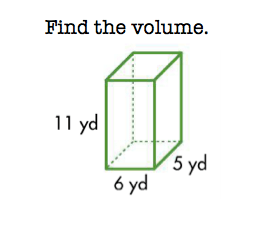
330 yd3
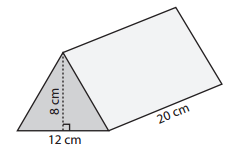
960 cm 3
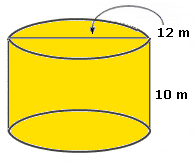
1,131
1,286.8 units³
1696.5 in3
πr2h
V = Bh

Created by Faith Roybal
20 questions
9th - 12th Grade
Math
Updated Aug 2026
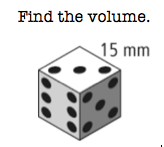
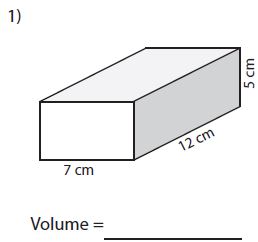
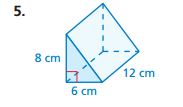
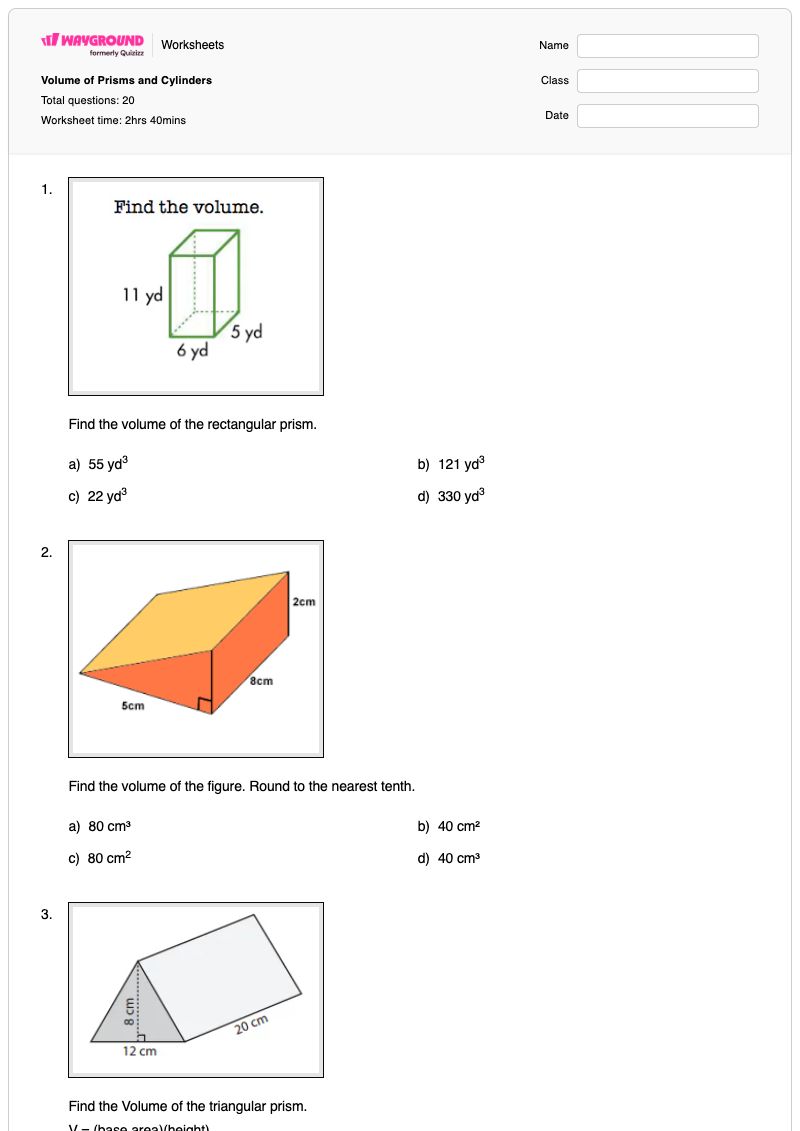
Volume of Prisms and Cylinders is a free printable mathematics worksheet for Grades 9–12 that helps students calculate the volume of rectangular prisms, triangular prisms, and cylinders. The 20 multiple-choice questions ask students to interpret three-dimensional figures, select or apply appropriate volume formulas, identify volume as the space inside a three-dimensional object, and use given dimensions such as radius, diameter, base area, and height. Students also practise rounding volume measurements to the nearest tenth or whole number, estimating volume, labeling answers with cubic units, and applying volume to real-world situations involving a cylindrical container, a soup pot, and a water-filled trough. The worksheet includes an answer key, making it useful for independent practice, review, homework, or a formative check of students’ ability to reason about prism and cylinder volume.
Worksheet settings
Font size
Worksheets
Answer Key330 yd3
960 cm 3
1,131
1,286.8 units³
1696.5 in3
πr2h
V = Bh
This Grade 9–12 mathematics worksheet uses 20 multiple-choice questions to practise finding the volume of rectangular prisms, triangular prisms, and cylinders. Students apply dimensions and formulas, convert a cylinder’s diameter to its radius, round results as directed, estimate volume, and use cubic-unit measurements in figure-based and real-world problems.
Introduce volume as the amount of space in a three-dimensional object, then review how base area and height determine prism volume and how radius, height, and π are used for cylinders. Have students explain why the cylindrical container with a 9-inch diameter uses 4.5 as the radius before completing the multiple-choice items, and discuss how the trough problem connects cubic feet to gallons.
Watch for students using a cylinder’s diameter as its radius, selecting square rather than cubic units, or confusing area with volume. Students may also skip the required rounding step, use the wrong base area for a triangular prism, or choose a distractor based on an incorrect conversion when solving the trough and other word problems.
You can assign this worksheet as a printable PDF or as a digital quiz on Wayground. It includes a complete answer key, and printable submissions can be graded by scanning student work with the Wayground for Teachers app. The printable version also supports schools that want to reduce screen time.
Use the worksheet’s Advanced Settings to adjust font spacing or increase the font size so the volume diagrams, dimensions, and multiple-choice options are easier to read. You can also enable a dyslexia-friendly font or translate the worksheet into another language when that supports students working through the prism, cylinder, and volume-conversion questions.
Wayground offers a comprehensive collection of free printable worksheets and practice problems across all subjects, including downloadable PDFs and answer keys to help students master essential skills and concepts. Browse more resources at https://wayground.com/en-us/worksheets.