
 Worksheets
Introduction to Animals
Total questions: 25
Worksheet time: 13mins
Name
Class
Date
1.
have hair, produce milk
a)
mammals
b)
birds
c)
fish
d)
amphibians
2.
hollow-bodied organisms; two body forms - polyp and medusa
a)
Cnidarians
b)
Ctenophores
c)
Arthropoda
d)
Porifera
3.
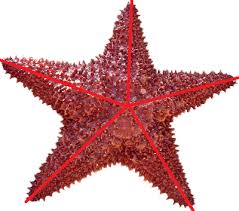
What type of symmetry is displayed in the picture?
a)
asymmetry
b)
bilateral symmetry
c)
radial symmetry
d)
photosynthesis
4.

What type of symmetry is pictured?
a)
bilateral symmetry
b)
radial symmetry
c)
asymmetry
d)
cellular respiration
5.
jointed appendages; exoskeleton
a)
Arthropoda
b)
Echinoderms
c)
Platyhelminthes
d)
Porifera
6.
use comb-like rows of cliia on their bodies to move around
a)
Ctenophores
b)
Cnidarians
c)
Annelida
d)
Mollusca
7.
spiny-skinned organisms; have plates with spines and a water vascular system
a)
Echinoderms
b)
Platyhelminthes
c)
Cnidarians
d)
Arthropoda
8.
jointed appendages; exoskeleton
a)
Arthropoda
b)
Annelida
c)
Porifera
d)
Ctenophores
9.
segmented worms
a)
Annelida
b)
Cnidarians
c)
Porifera
d)
reptiles
10.
round worms
a)
Nematoda
b)
Mollusca
c)
Porifera
d)
mammals
11.
soft-bodied; some have shell; muscular foot
a)
Mollusca
b)
Porifera
c)
birds
d)
Platyhelminthes
12.
soft-bodied; some have shell; muscular foot
a)
Mollusca
b)
Annelida
c)
birds
d)
Cnidarians
13.
flatworms
a)
Platyhelminthes
b)
Echinoderms
c)
fish
d)
reptiles
14.
flatworms
a)
Platyhelminthes
b)
Echinoderms
c)
fish
d)
reptiles
15.
lay eggs, most fly, hollow bones
a)
birds
b)
fish
c)
Arthropoda
d)
Nematoda
16.
live in water, some lay eggs, some have embryos that develop inside the female
a)
fish
b)
mammals
c)
birds
d)
Nematoda
17.
live near fresh water; have thin skin that must be kept moist
a)
amphibians
b)
fish
c)
mammals
d)
Echinoderms
18.
bodies covered in scales or plates; reproduce by laying eggs
a)
reptiles
b)
birds
c)
mammels
d)
amphibians
19.
invertebrate organisms that belong to the chordata category.
a)
tunicates and lancelets
b)
fish
c)
reptiles
d)
annelida
20.
gets energy by eating other organism
a)
consumer
b)
producer
21.
have four traits: a notochord, a hollow nerve cord, pharyngeal slits, and a tail at some time in development
a)
chordata
b)
enoskeleton
c)
exoskeleton
22.
an internal skeleton that supports and animal's body
a)
endoskeleton
b)
exoskeleton
c)
chordata
23.
animals that have a backbone
a)
veretebrates
b)
invertebrates
24.
animals that do not have a backbone
a)
vertebrates
b)
invertebrates
25.
hard, external covering of some invertebrates
a)
chordate
b)
exoskeleton
c)
endoskeleton
100 %

