wayground logo

Free Printable Worksheets

Font size

S
M
L
XL
Worksheets

Circulatory Test Prep III

Total questions: 41

Worksheet time: 29mins

Name
Class
Date
1.

Which ventricle pumps low levels of oxygenated blood?

a)
C
b)
G
c)
B
d)
F
2.

Someone with type A- blood can receive blood from someone who is type _____. Select all possible answers.

a)

A-

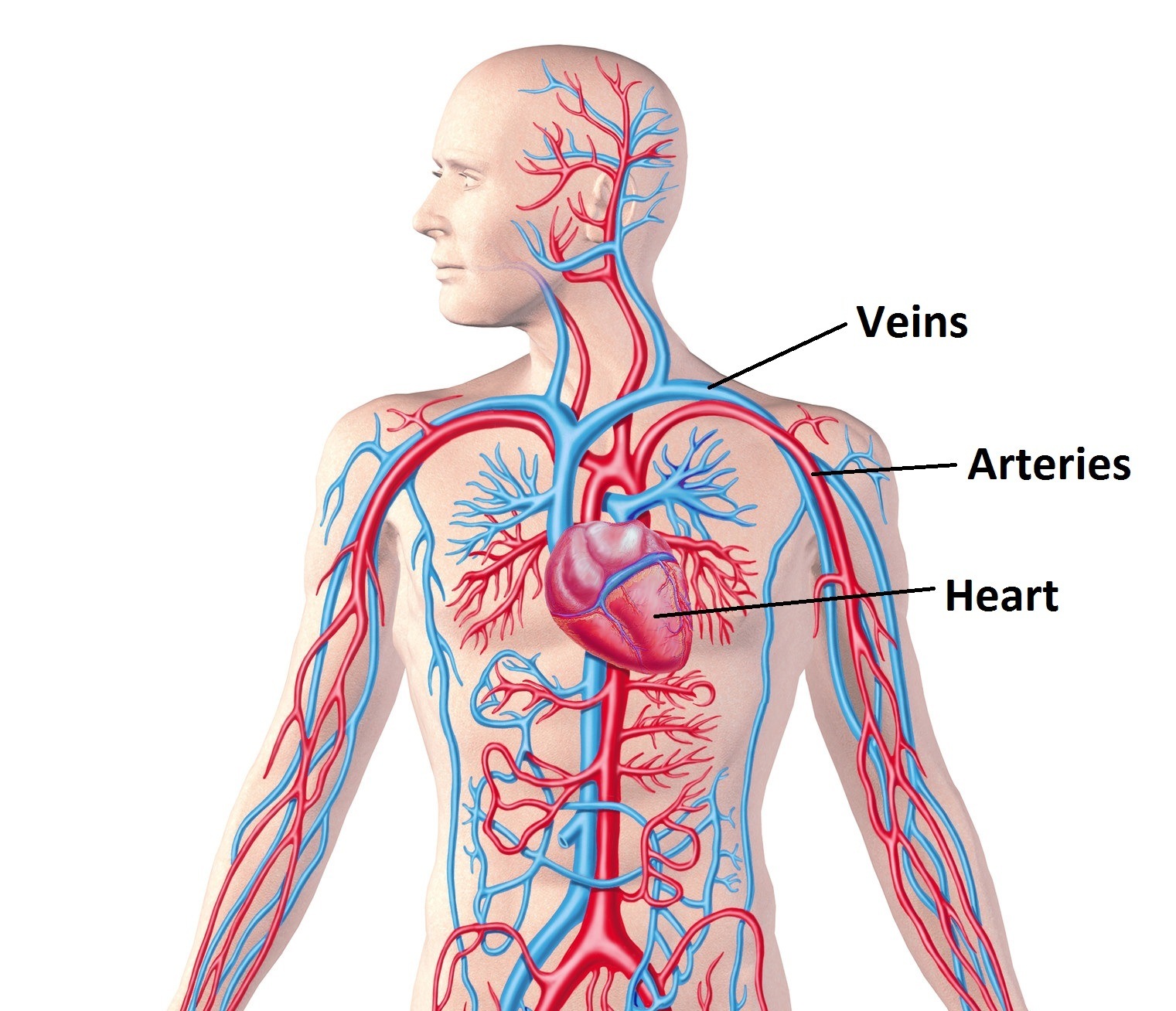
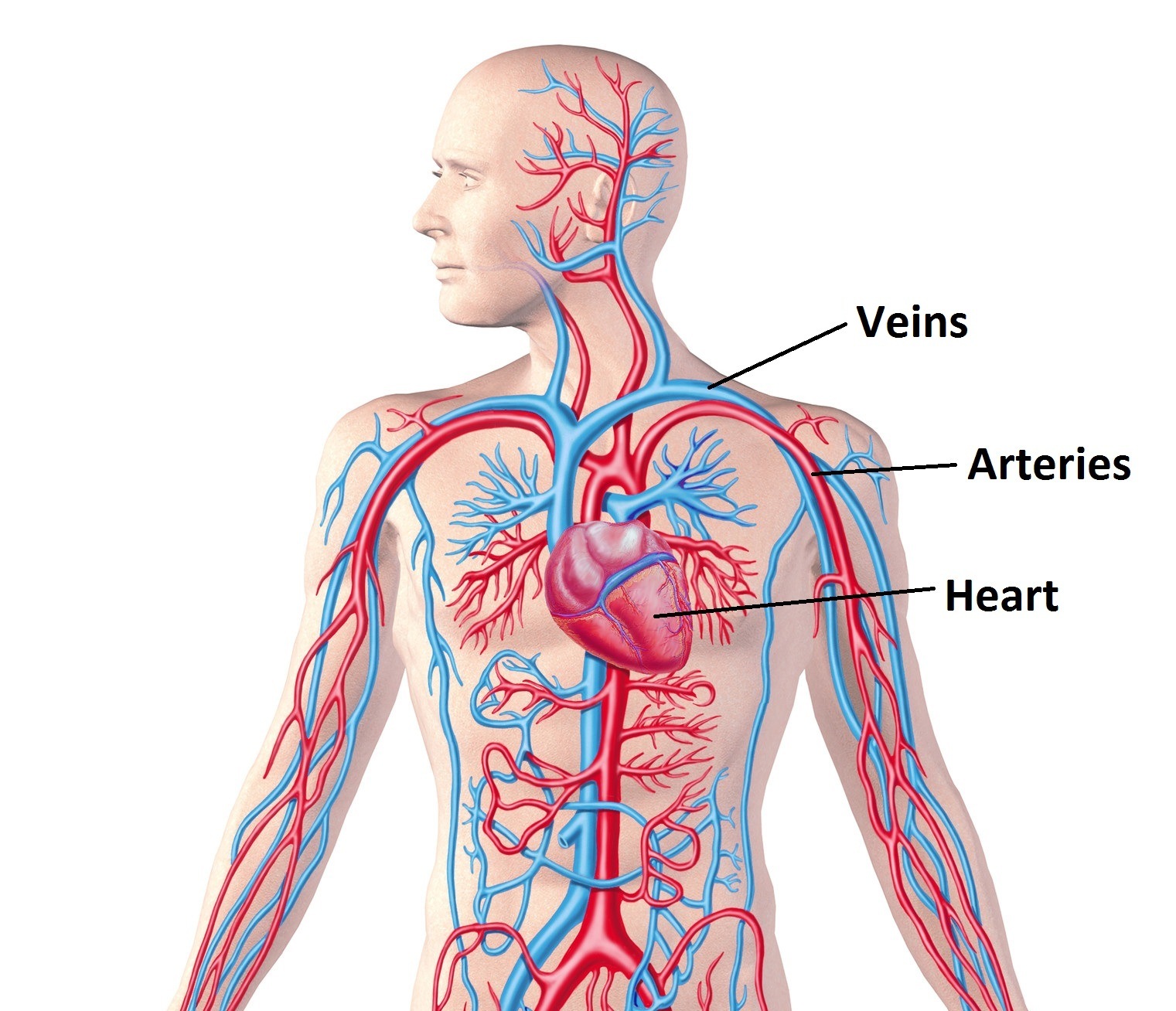
b)

AB-

c)

O+

d)

A+

3.
The p-wave correlates with which event?
a)
atrium contraction /signals moving from SA node to AV node
b)
ventricle contraction
c)
ventricle repolarization
d)
both atrial and ventricle contraction
4.
Blood pressure is highest in  _____ and lowest in _____.
a)
arteries; veins
b)
veins; arteries
c)
veins, capillaries
d)
arteries; capillaries
5.
What is Letter E?
a)
Aorta
b)
Pulmonary Vein
c)
Pulmonary Artery
d)
Vena Cava
6.

Where are blood cells made?

a)

heart

b)

blood vessels

c)

brain

d)

bone marrow

7.
The aorta is the largest artery in the body. The blood leaving the aorta is full of?
a)
Oxygen 
b)
Carbon Dioxide 
c)
White blood Cells 
d)
Potassium 
8.
The Purkinje fibers are located at...
a)
F
b)
G
c)
H
d)
I
9.
What prevents blood from flowing backward in the veins?
a)
Platelets 
b)
Valves 
c)
Muscles 
d)
Cartilage 
10.
What is the sequence of events in the transmission of an impulse through the heart muscle?
 a: AV node
 b: AV bundle
 c: SA node
 d: Through the atria
 e: Through the ventricles
 f: Bundle branches
 g: Purkinje fibers 
a)
d, b, a, c, f, g, e

b)
c, d, a, b, f, g, e

c)
b, a, d, c, f, g, e

d)
f, g, d, c, b, a, e

11.
The middle layer of the wall of the heart
a)

pericardium

b)
myocardium
c)

tunica media

d)
septum
12.

The movement of blood vessels leading to a smaller inside diameter is termed ____.

a)
vasodilation
b)
vasoconstriction
c)

cardiac conduction

d)

vasodilation

13.
The arteries that feed the heart muscle
a)

Vena cavas

b)
Coronary
c)

Pulmonary

d)

AV bundle

14.
Identify
a)
Left atrium
b)
Right atrium
c)
Left ventricle
d)
Right ventricle
15.
Regulates the pace of the heart
a)
AV node
b)
Purkinje fibers
c)
SV node
d)
SA node
16.

The aortic valve is open, indicated by the higher number on the blood pressure reading when the ventricles are in _____

a)
diastole
b)
systole
c)

cardiac conduction

d)
depolarization
17.
Recording of electrical changes that occur during the cardiac cycle
a)

cardiac conduction

b)
EKG
c)
QRS wave
d)
t Wave
18.

Which blood type has NO antigens on its surface?

a)

AB+

b)

O+

c)

O-

d)

B-

19.

An ECG that shows a particularly FAST heart beat is defined as...

a)

Bradycardia

b)

Tachycardia

c)

Atrial Fibrillation

d)

High Blood Pressure

20.

Which system allows blood to circulate throughout the body to transport oxygen and nutrients to all the cells and tissues?

a)

Nervous

b)

Respiratory

c)

Circulatory

21.

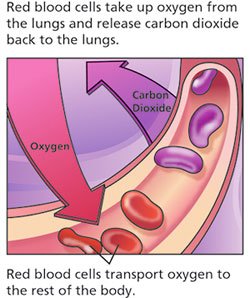
These cells, in the blood, carry oxygen and give the blood its color.

a)

white blood cells

b)

plasma

c)

platelets

d)

red blood cells

22.

The cells in the blood that help fight germs like bacteria and viruses

a)

red blood cells

b)

platelets

c)

white blood cells

23.

The circulatory system works with the __________ system to obtain energy from nutrients that we eat.

a)

respiratory

b)

digestive

c)

skeletal

d)

nervous

24.

What is the main organ of the circulatory system?

a)

small intestine

b)

bone

c)

lungs

d)

heart

25.

The job of the heart is to . . .

a)

pump blood around the body.

b)

send food to the small intestines.

c)

break down food.

d)

give energy to the body.

26.

What is the circulatory system made up of?

a)

Lungs, blood, blood vessels

b)

Liver, kidneys, and stomach

c)

Heart, Blood Vessels, and Blood

27.

Which of the following does blood help transport throughout the body?

a)

undigested food

b)

Nutrients

c)

Gases (oxygen and carbon dioxide)

d)

hormones like adrenaline

28.
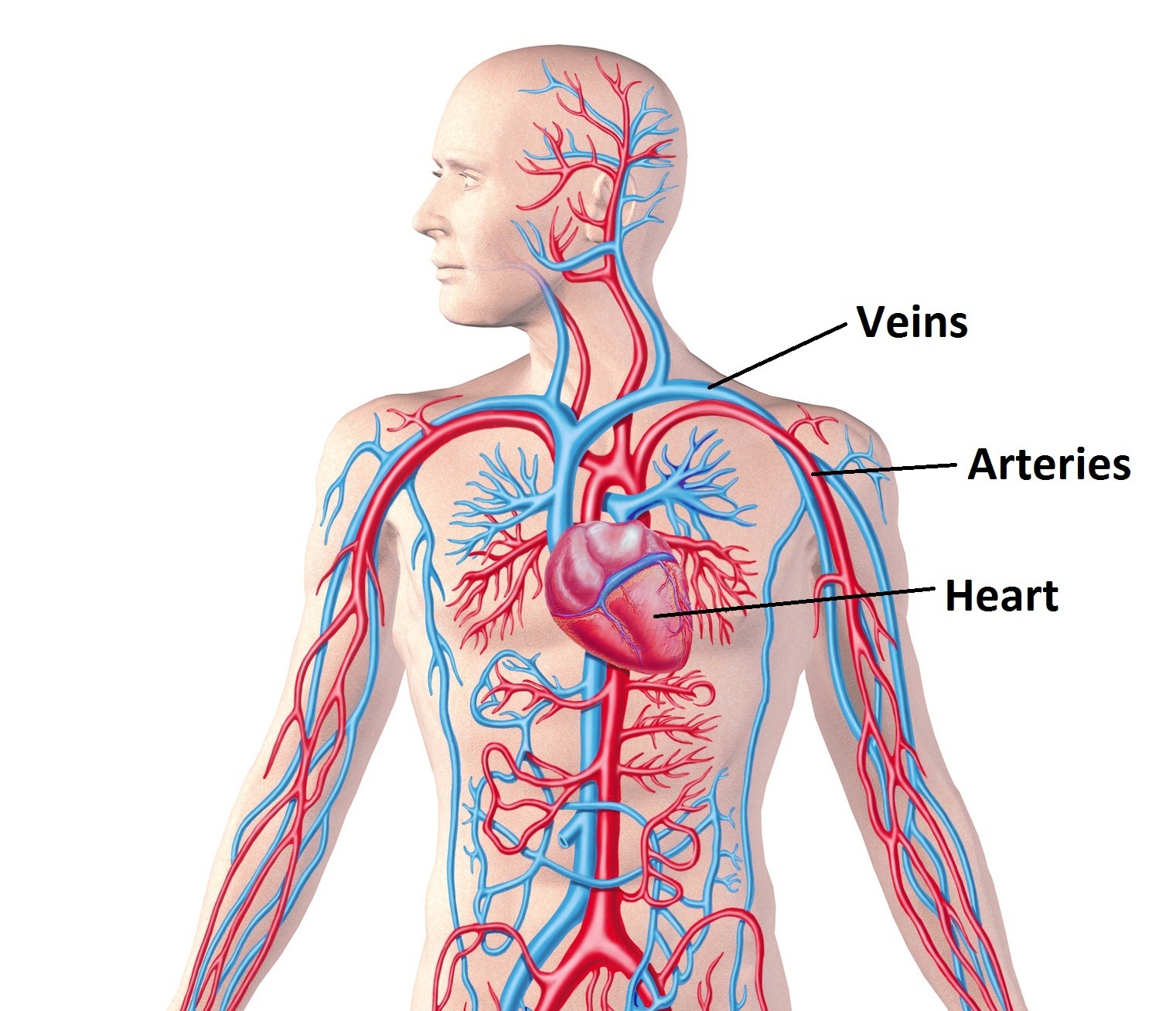
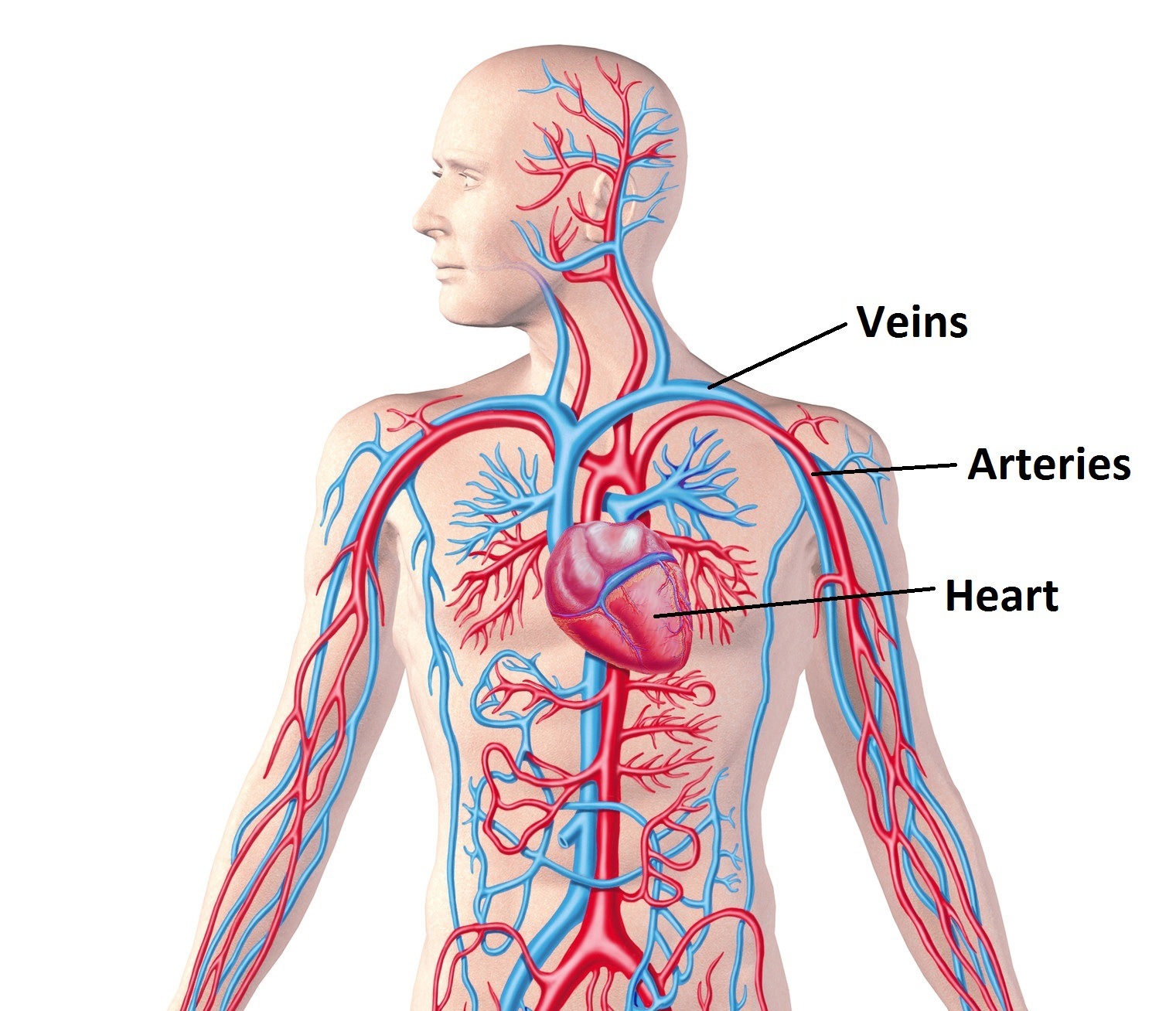
This type of vessel carries blood TO the heart:
a)
vein
b)
nerve
c)
muscle
d)
artery
29.
When oxygen-rich blood is carried AWAY from the heart, it travels through an...
a)
artery
b)
neuron
c)
vein
d)
straw
30.
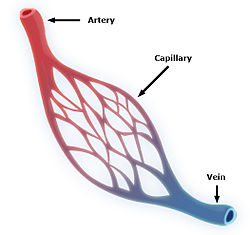
The smallest type of blood vessel is the:
a)
nerve
b)
vein
c)
capillary
d)
artery
31.
Veins have special ________________ to stop blood from flowing backward.
a)
gravity
b)
valves
c)
arteries
d)
ventricles
32.
The cells in the blood that help fight germs and illnesses are the...
a)
red blood cells
b)
platelets
c)
white blood cells
d)
axons
33.
The main function of the circulatory system is 
a)
To give the body structure and support
b)
Excrete waste
c)
transport blood, nutrients, and gases throughout the body
d)
to transport messages from the body to the brain
34.
Platelets 
a)
allow for gases to exchange
b)
give blood its color
c)
fight infection and disease
d)
help clot blood
35.
The human heart is an organ that pumps blood throughout the body supplying oxygen, nutrients, blood, and hormones to and from the tissues removing _________ ___________ and other wastes.
a)
hydrogen dioxide
b)
carbon moxoide
c)
water molecules
d)
carbon dioxide
36.
The plasma that contains blood cells is mainly made up of 
a)
cytoplasm
b)
nutrients
c)
waste
d)
water
37.
The heart is made up of _________ chambers
a)
one 
b)
two 
c)
three
d)
four
38.
The upper chambers of the heart are known as...
a)
valves
b)
ventricles
c)
atria
d)
septum
39.
The lower chambers of the heart are known as...
a)
valves
b)
ventricles
c)
atria
d)
septum
40.
Blood leaving the heart to go to the body leaves from which ventricle?
a)
left
b)
right
41.
Pulmonary referrs to the lungs, blood leaving the heart through the pulmonary artery is high in which gas?
a)
nitrogen
b)
carbon dioxide
c)
oxygen
d)
helium