
 Worksheets
Food Web & CO2-O2 cycle
Total questions: 20
Worksheet time: 13mins
Name
Class
Date
1.
Which type of organism gets its energy directly from the Sun?
a)
producer
b)
consumer
c)
composer
d)
decomposer
2.

During one summer, Texas experienced a drought. Which changes would you expect to occur in the prairie ecosystem due to drought?
a)
the number of plants and animals would decrease
b)
the number of plants and animals would increase
c)
the number of plants would increase, and the number of animals would decrease
d)
the number of plants would decrease, and the number of animals would increase
3.
Thermal pollution is a rise in the temperature of a body of water, often caused by heat from nearby power plants. When the water temperature gets too high, it lowers the oxygen levels in the water. This could cause--
a)
faster rates of erosion
b)
plants to grow quickly
c)
flooding in low areas
d)
harm to the fish
4.

A farm has begun using pesticides to kill insects that are eating the crops. Which impact would the decrease in insects have on the ecosystem?
a)
there would be fewer deer
b)
there would be fewer plants
c)
there would be fewer lizards
d)
there would be fewer rabbits
5.
Over one year, the population of deer in Texas increased dramatically. What would you predict the increase in deer had on the rest of the ecosystem?
a)
the number of plants increased
b)
there was no impact on the ecosystem
c)
the number of coyotes in the area decreased
d)
there was not enough food to support the deer population
6.
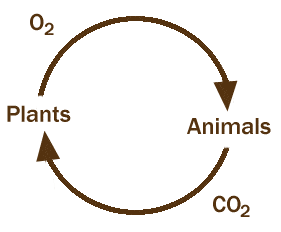
Which statement is true about the carbon dioxide-oxygen cycle?
a)
animals breathe in nitrogen and release oxygen which is used by plants
b)
animals breathe in oxygen and release carbon dioxide which is used by plants
c)
animals breathe in nitrogen and release carbon dioxide which is used by plants
d)
animals breathe in carbon dioxide and release oxygen which is used by plants
7.

Which statement is an example of how plants and animals depend on each other?
a)
animals provide food for plants
b)
animals provide water for plants
c)
animals provide oxygen for plants
d)
animals provide carbon dioxide for plants
8.

If all the trees on Earth were destroyed, what would be the effect on humans?
a)
there would be a lack of food
b)
there would be a lack of oxygen
c)
there would be a lack of fresh water
d)
there would be a lack of carbon dioxide
9.

The class decided to have a terrarium. The teacher says it is important to include both plants and animals. Why is it necessary to include both plants and animals?
a)
plants provide food for the animals and animals provide water for the plants
b)
plants provide water for the animals and animals provide food for the plants
c)
plants provide carbon dioxide for the animals and animals provide oxygen for the plants
d)
plants provide oxygen for animals and the animals provide carbon dioxide for the plants
10.
Many animals in an ecosystem depend on other animals for--
a)
air
b)
energy
c)
shelter
d)
water
11.
Which of the following describes a relationship in which one organism depends on another for its needs?
a)
a rabbit burrowing in the ground
b)
a hawk catching and eating a mouse
c)
a frog cooling off in a pond
d)
an oak tree absorbing sunlight for food
12.

Many plants depend on insects for pollination. Without pollination these plants cannot produce seeds. Plants depend on insects to--
a)
produce offspring
b)
grow new leaves
c)
strengthen roots
d)
make more food
13.
Which of the following is an example of an animal interacting with a nonliving part of its environment?
a)
a lion catching and eating a zebra
b)
a honey bee pollinating a wildflower
c)
a coyote drinking water from a stream
d)
a weed competing with a rose bush for space
14.

Which is an interaction of a living organism with a nonliving component of an ocean ecosystem?
a)
a sea turtle burying its eggs in sand
b)
a killer whale eating harbor seals
c)
dolphins communicating with each other
d)
a jellyfish stinging its prey
15.

In fall and winter many trees lose their leaves in response to cooler temperatures and--
a)
a decrease in average wind speed.
b)
fewer hours of daylight.
c)
an increase in humidity.
d)
more direct sunlight.
16.

In a food chain energy does NOT flow directly from--
a)
producer to decomposer
b)
producer to consumer
c)
consumer to decomposer
d)
consumer to producer
17.
What is the original source of energy in a food web?
a)
decomposers
b)
consumers
c)
producers
d)
the Sun
18.
During the construction of a mall a lake was filled in. This would have the greatest negative effect on organisms that--
a)
hunt for berries
b)
live in water
c)
sleep in trees
d)
burrow in soil
19.

In a study of the habitat of a population of raccoons, scientists found that the number of raccoons actually increased where people built houses. What might the reason be--
a)
raccoons lost their natural source of water
b)
raccoons found more food living near people
c)
people brought many predators to the habitat
d)
building houses destroyed the raccoon's habitat
20.
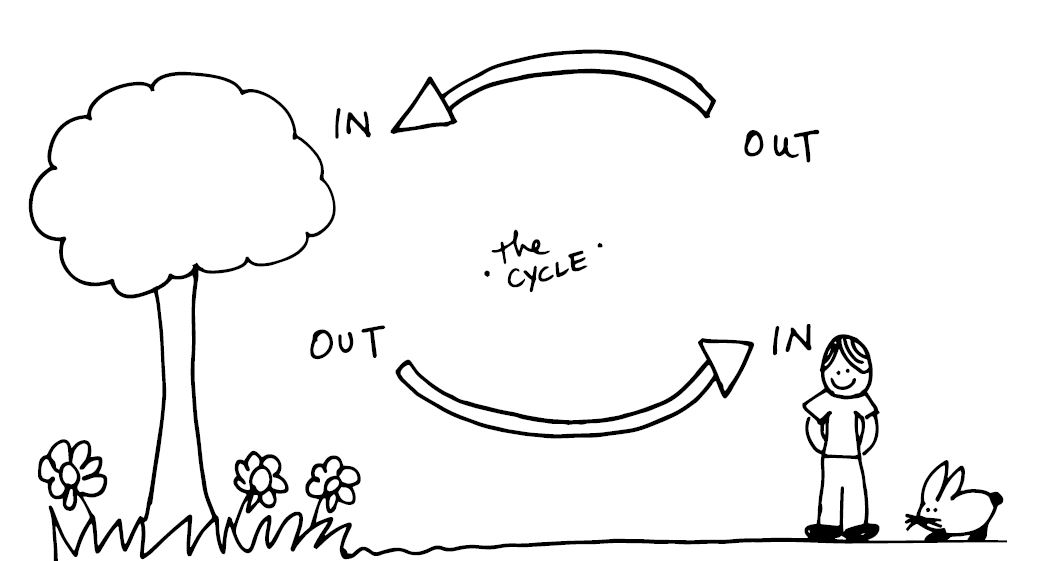
Animals and plants use substances that cycle through the environment. Which substance is needed by plants to survive and is released into the environment by animals?
a)
oxygen
b)
sugar
c)
salt
d)
carbon dioxide
100 %

