
 Worksheets
HBS 3.3 Air (respiratory system)
Total questions: 22
Worksheet time: 12mins
Name
Class
Date
1.
The volume of air breathed in one minute without conscious effort
a)
Residual Volume
b)
Minute Volume
c)
Tidal Volume
d)
Expiratory Volume
2.
The volume of air remaining in lungs after maximum exhalation
a)
Residual Volume
b)
Minute Volume
c)
Tidal Volume
d)
Expiratory Volume
3.
An instrument for measuring the air entering and leaving the lungs
a)
Cathometer
b)
Breathometer
c)
Pirometer
d)
Spirometer
4.
The volume of air breathed in and out without conscious effort.
a)
Minute Volume
b)
Expiratory Volume
c)
Residual Volume
d)
Tidal Volume
5.
The total volume of air that can be exhaled after maximal inhalation
a)
Inspiratory Reserve Volume
b)
Vital Capacity
c)
Thoracic Capacity
d)
Expiratory Reserve Volume
6.
Pair of breathing tubes that branch from the trachea into the lungs
a)
Alveoli
b)
Bronchi
c)
Bronchioles
d)
Trachea
7.
A sheet of muscle that forms the bottom wall of the thoracic cavity in mammals; active in ventilating the lungs
a)
Intercostal Muscle
b)
Diaphragm
c)
Interosseous Muscle
d)
Alveoli
8.
The body cavity in mammals that houses the lungs and heart. It is surrounded in part by ribs and separated from the lower abdominal cavity by the diaphragm.
a)
Cranial Cavity
b)
Spinal Cavity
c)
Thoracic Cavity
d)
Abdominal Cavity
9.
Branch out to carry oxygen deep into the lungs
a)
Alveoli
b)
Trachea
c)
Bronchi
d)
Bronchioles
10.

Identify Letter C
a)
Vital Capacity
b)
Residual Volume
c)
Expiratory Reserve Volume
d)
Tidal Volume
11.
Oxygen is diffused into and carbon dioxide is taken out of the blood at what structure
a)
Alveoli
b)
Diaphragm
c)
Capillaries
d)
Bronchioles
12.
Asthma severity can be determined using...
a)
Peak Expiratory Flow (PEF)
b)
Expiratory Reserve Volume (ERV)
c)
IgE
d)
Total Lung Capacity (TLC)
13.

What is Asthma?
a)
lung condition where your airways or bronchial tubes narrow and swell
b)
a obtained disfunction
c)
a tumor only in children
d)
a chronic disorder in the alveoli
14.
Which is a common treatment for an Asthma attack?
a)
CPR
b)
Inhaler
c)
Defibrillator
d)
MRI
15.
Asthma occurs in the....
a)
Pharynx
b)
Larynx
c)
Trachea
d)
Bronchial tubes
16.
Which of the following is not a symptom of asthma?
a)
cough
b)
wheezing
c)
chest tightening
d)
chest infection
17.

When you breathe, your lungs take in ___ and remove ___.
a)
air/oxygen
b)
oxygen/carbon dioxide
c)
carbon dioxide/waste
d)
waste/air
18.
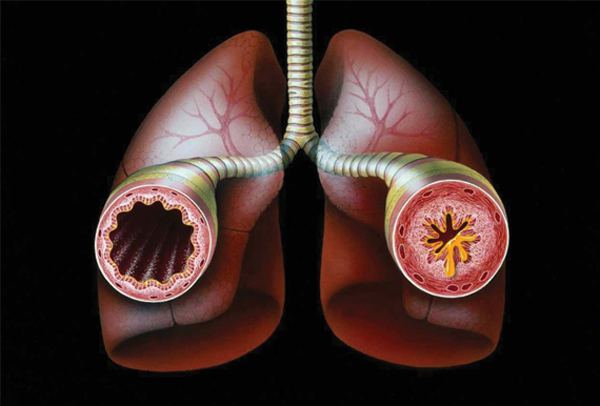
A disorder of the lungs called ____ causes the bronchi to become restricted (get smaller) so air can't get to the lungs.
a)
asthma
b)
cold
c)
influenza
d)
bronchitis
19.
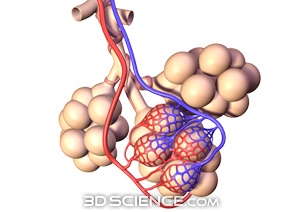
The air sacs that are covered with capillaries where gas exchange takes place
a)
bronchi
b)
lungs
c)
oxygen
d)
alveoli
20.
Identify Letter B
a)
Vital Capacity
b)
Residual Volume
c)
Expiratory Reserve Volume
d)
Tidal Volume
21.
Identify Letter A
a)
Vital Capacity
b)
Residual Volume
c)
Expiratory Reserve Volume
d)
Tidal Volume
22.
a combination of vital capacity plus the residual volume
a)
total lung capacity
b)
pulmonary ventilation
c)
functional residual capacity
d)
hyperventilation
100 %

