
 Worksheets
Gravity
Total questions: 20
Worksheet time: 20mins
Name
Class
Date
1.

Most of the Universe is _____
a)
filled with planets
b)
filled with stars
c)
filled with gas and dust
d)
pretty empty
2.

Gravity from an object _____
a)
stops at it's surface
b)
stops after about 10,000 km
c)
stops at the edge of the solar system
d)
goes on forever
3.

Isaac Newton got into a bitter feud with _____
a)
Tycho Brahe
b)
Robert Hooke
c)
Galileo Galilei
d)
Johannes Kepler
4.

You can think of it as "how much stuff makes up an object"
a)
size
b)
brightness
c)
mass
d)
density
5.

Which term is defined as "how much mass is inside a given volume"?
a)
size
b)
brightness
c)
weight
d)
density
6.

When the distance from an object is doubled, the force of gravity drops by a factor of _____
a)
2
b)
4
c)
10
d)
16
7.

Go 3 times farther away and the force of gravity drops by _____
a)
3 times
b)
6 times
c)
9 times
d)
12 times
8.

If there are no other forces acting on them, two objects with mass will _____
a)
repel
b)
stay where they are
c)
move uniformly toward each other
d)
accelerate toward each other
9.
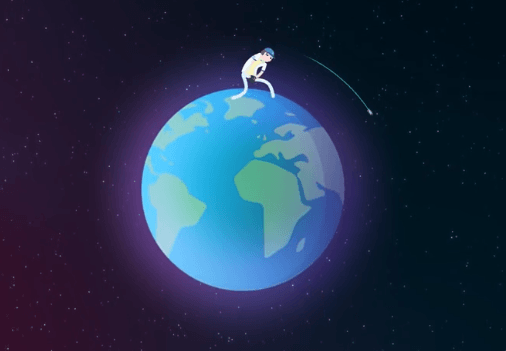
What can be described as "falling and missing the ground"?
a)
accelerating
b)
free-falling
c)
orbiting
d)
attaining escape velocity
10.
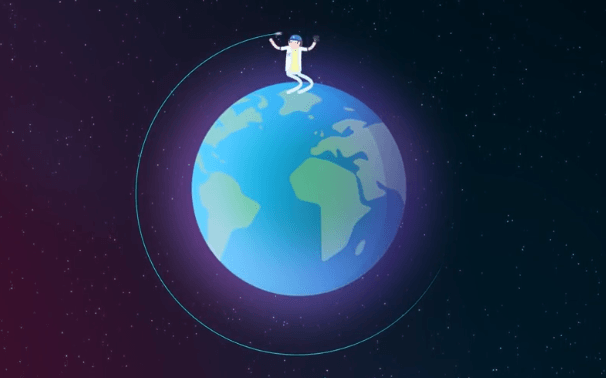
A rock thrown hard enough sideways will orbit the Earth once every _____
a)
9 minutes
b)
90 minutes
c)
9 hours
d)
90 hours
11.

Who realized that planetary orbits aren't necessarily circular?
a)
Isaac Newton
b)
Galileo Galilei
c)
Johannes Kepler
d)
Robert Hooke
12.
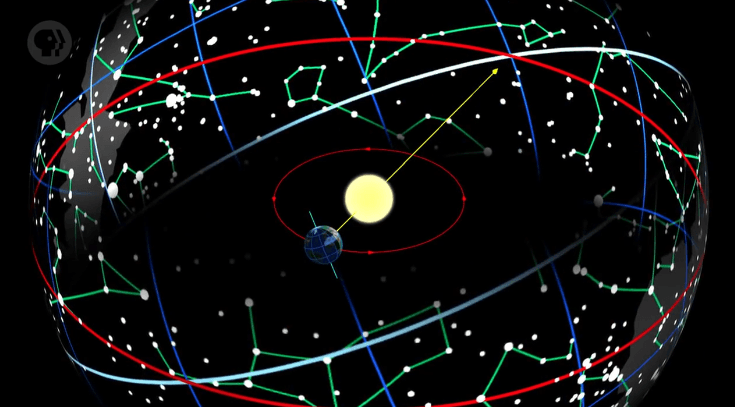
The planets of our solar system have orbits that are _____
a)
circular
b)
ellipses
c)
parabolas
d)
hyperbolas
13.
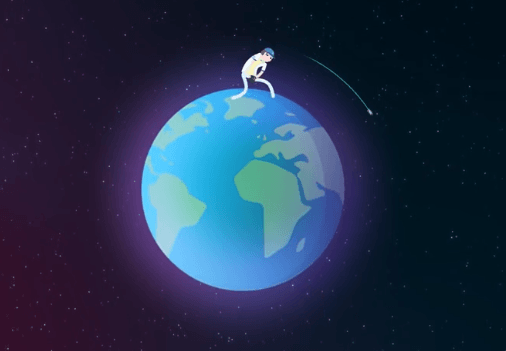
In order to break free of a planet's gravity, an object must be moving faster than the _____
a)
escape velocity
b)
getaway acceleration
c)
break-away pace
d)
liberation altitude
14.
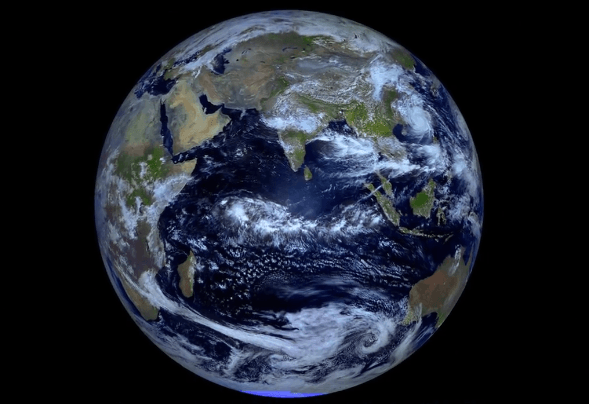
What is the escape velocity of the Earth?
a)
about 11 kilometers per second
b)
about 110 kilometers per second
c)
about 11 kilometers per hour
d)
about 110 kilometers per hour
15.

For an object that misses the Earth but still passes us at escape velocity, the orbit is _____
a)
a circle
b)
an ellipse
c)
a parabola
d)
a hyperbola
16.
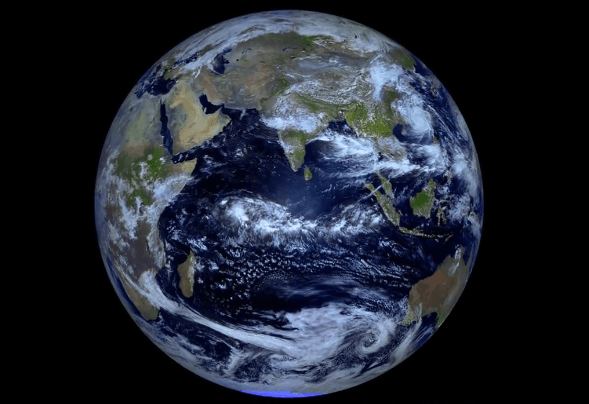
At the height of the space station, gravity, compared to that at Earth's surface, is _____
a)
about 0.9% as strong
b)
about 9% as strong
c)
about 49% as strong
d)
about 90% as strong
17.
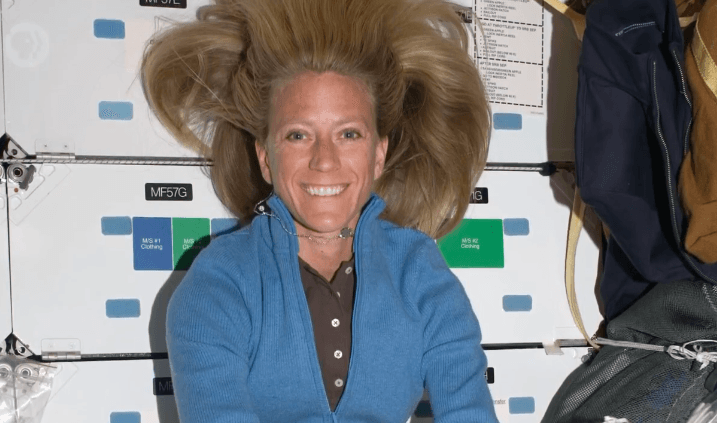
What does NASA like to call the free-fall condition while on the space station?
a)
microgravity
b)
microweight
c)
microdensity
d)
micromass
18.
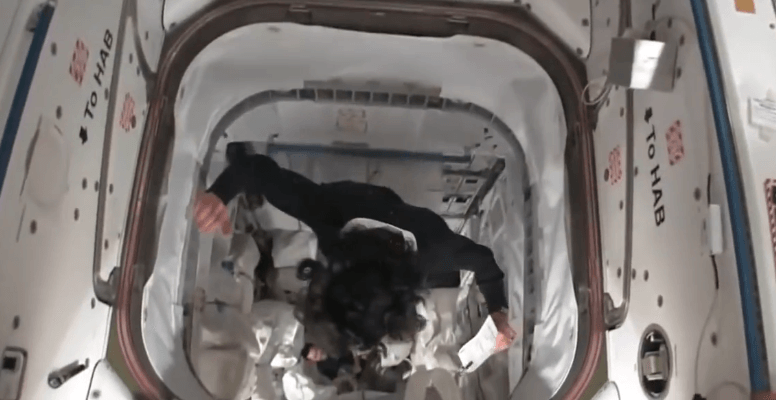
In space you have the same mass as you do on Earth, but no _____
a)
microgravity
b)
weight
c)
density
d)
pressure
19.

Which particle has no mass, yet can be affected by gravity?
a)
proton
b)
electron
c)
neutron
d)
photon
20.
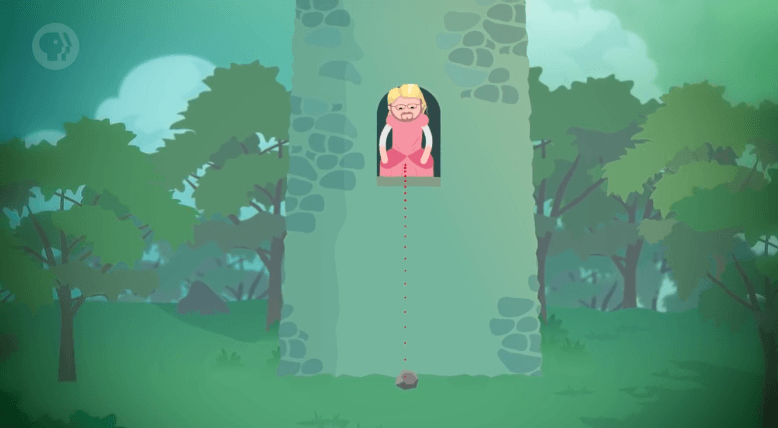
An object moving along a path controlled by gravity is said to be _____
a)
in orbit
b)
in constant motion
c)
in uniform motion
d)
massless
100 %

