
 Worksheets
Let's Take a Hike
Total questions: 13
Worksheet time: 7mins
Name
Class
Date
1.

You are an example of the biosphere interacting with _____
a)
the exosphere
b)
the cryosphere
c)
the geosphere
d)
the stratosphere
2.
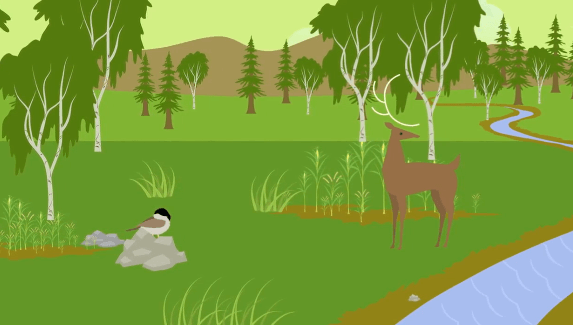
The area where something lives is called its _____
a)
habitat
b)
den
c)
locale
d)
address
3.
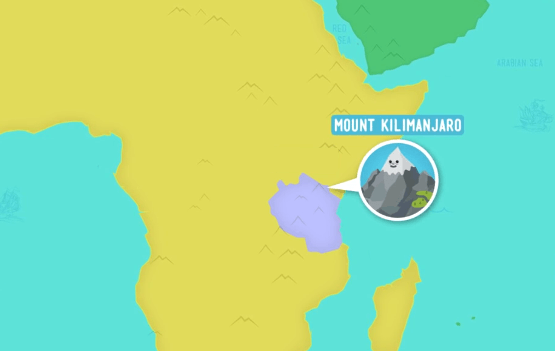
Mount Kilimanjaro is located in _____
a)
Nepal, a country in Asia
b)
Switzerland, a country in Europe
c)
Tanzania, a country in Africa
d)
Peru, a country in South America
4.
A natural feature of the Earth's surface is called _____
a)
a landform
b)
a habitat
c)
a territory
d)
a region
5.
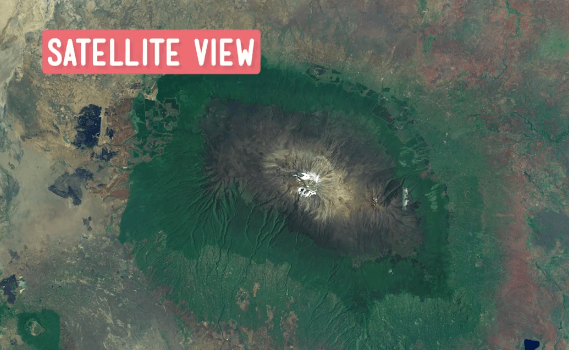
Mount Kilimanjaro is a landform, so it's part of Earth's _____
a)
atmosphere
b)
hydrosphere
c)
biosphere
d)
geosphere
6.
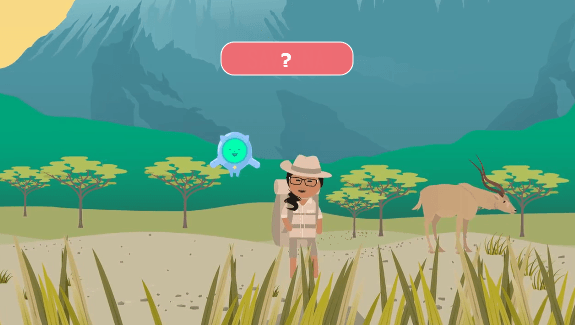
The zone at the base of Kilimanjaro is a grassy kind of land known as _____
a)
the savanna
b)
a rainforest
c)
the moorland
d)
an alpine desert
7.

The humid, rainy zone that is bursting with plant and animal life is known as _____
a)
the savanna
b)
a rainforest
c)
the moorland
d)
an alpine desert
8.
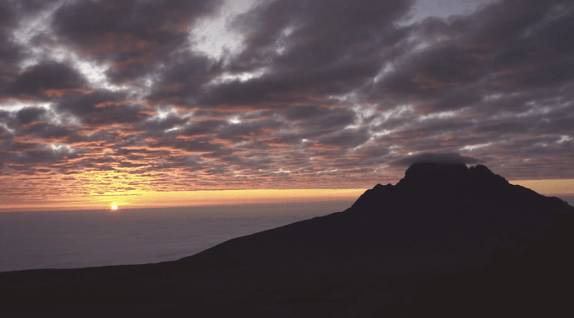
In general, temperatures decrease an average of 6 degrees Celsius for every _____
a)
1 meter you move up
b)
100 meters you move up
c)
100 meters you move up
d)
1000 meters you move up
9.
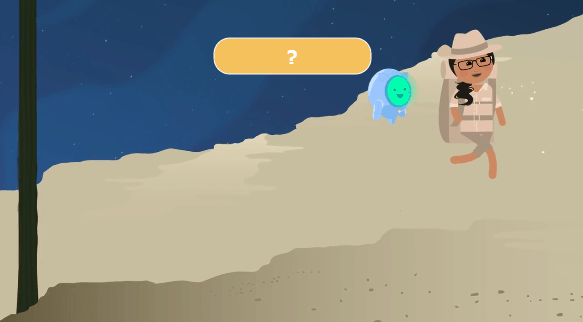
The cool, dry zone with scrubby grass and low-lying shrubs is known as _____
a)
the savanna
b)
a rainforest
c)
the moorland
d)
an alpine desert
10.

The top of Kilimanjaro, where water is very scarce, is known as _____
a)
the savanna
b)
a rainforest
c)
the moorland
d)
an alpine desert
11.
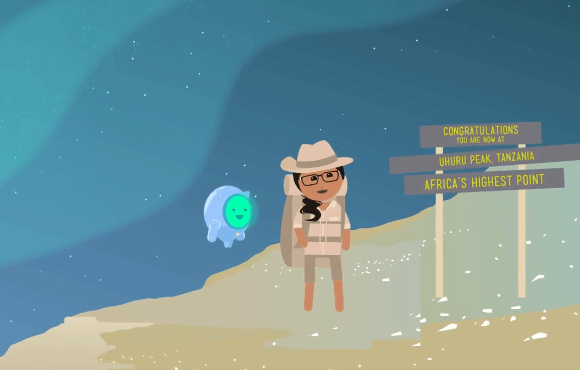
Temperatures at the top of Kilimanjaro can go down to _____
a)
18 degrees Celsius
b)
8 degrees Celsius
c)
negative 8 degrees Celsius
d)
negative 18 degrees Celsius
12.
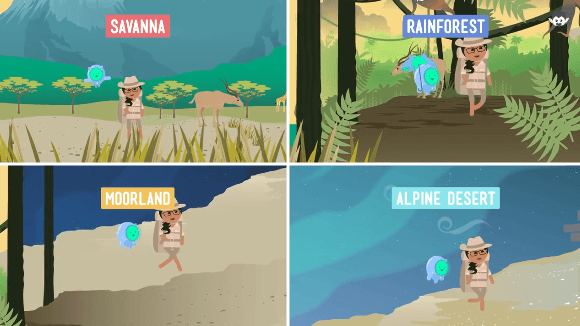
This one landform, Mount Kilimanjaro, has generated four distinct _____
a)
spheres
b)
habitats
c)
niches
d)
countries
13.
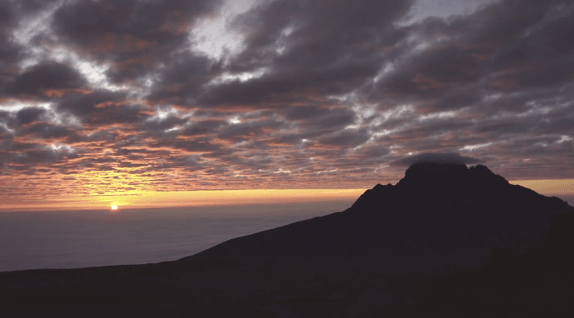
Mount Kilimanjaro is _____
a)
a dormant fault line
b)
an active fault line
c)
an active volcano
d)
a dormant volcano
100 %

