
 Worksheets
Cell Review
Total questions: 35
Worksheet time: 26mins
What keeps the organelles inside of a cell in its proper place?
The cell wall
The nucleus
The cytoplasm
The chloroplasts
What do plant cells have that animal cells don't?
A nucleus
A cell membrane
Cytoplasm
A cell wall
What organelle in a plant cell prevents the plant from moving and gives the cell structure?
The cell wall
The cell membrane
The nucleus
The chloroplast
What organelle located in BOTH cells allow certain objects to pass through, but keep some out?
The cell wall
The cell membrane
The cytoplasm
The nucleus
I am mainly found in the center of a cell and is like the mother brain. What organelle am I?
The nucleus
The cell membrane
The vacuole
The cell wall

What cell part is NOT found in all cells?
Cell Wall
Cell Membrane
Cytoplasm
Nucleus
what is the job of chloroplasts in the cell
produce protein
store and produce food
nothing
clean up

Which organelle is found in a plant cell and not in an animal cell? It is marked with a letter F.
nucleus
chloroplast
cell membrane
cytoplasm


Which structures are found in every living cell?
cell membrane and cytoplasm
chloroplasts and nucleus
a cell wall and nucleus
chloroplasts and cell wall
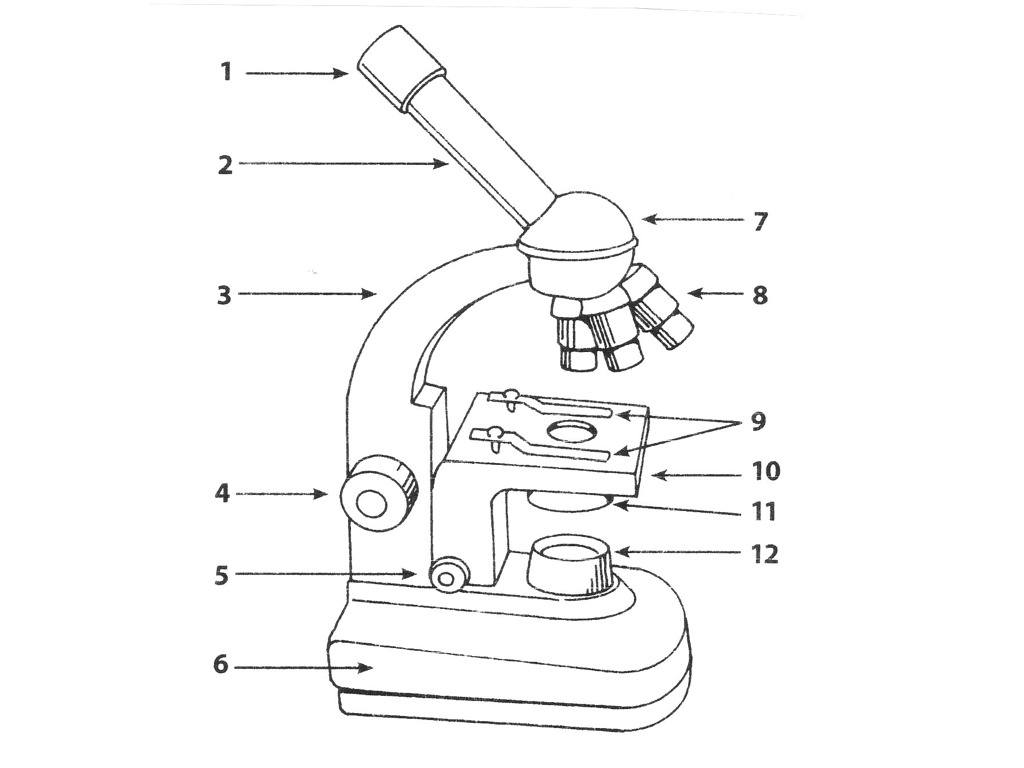

A student is required to record observations of as many structures as possible in a plant leaf. The student first observes the leaf with only her eyes and then with a microscope.The student claims that a microscope is better to observe the cells in the leaf.
Which evidence would best support the student's claim?
The cells of the leaf are too dark to be seen without the special lighting a microscope provides.
The cells of the leaf are too small to be seen without the magnification a microscope provides.
The cells of the leaf are too close together to be seen without using a microscope.
The cells of the leaf are too far away to be seen without using a microscope.
Which of these pictures most likely shows a plant magnified under a microscope?


Which statement is correct?
Most single-celled organisms can be viewed with a magnifying glass.
People can see cells in blood if it is viewed under a microscope.
People can see cell walls through a microscope, but not a cell's nucleus.
The cell nucleus looks larger under the microscope than the cell membrane.
Allie needs to draw a picture of cell for class. What should she use to make a tiny cell look much larger?
microscope
telescope
magnifying glass
binoculars
Natasha learned in science class that all living things are made of cells. What is one way Natasha can investigate this claim?
use a hand lens to look for cells in living and nonliving things
use a microscope to look for cells in living and nonliving things
use a telescope to look for cells in living and nonliving things
use a magnifying glass to look for cells in living and nonliving things
What would you use to see the nucleus of a cell
Microscope
Handlens/ Magnifying Glass
What magnification tool would you use to see the shape of a plant cell?
Microscope
Handlens/Magnifying glass
What magnification tool do you use to see the small parts in a game console?
Microscope
Handlens/Magnifying glass
What magnification instrument would you use to read fine print on a label?
Microscope
Hand-lens/Magnifying glass

Student 1: Cell 1 is a plant cell because it has a cell wall
Student 2: Cell 2 is an animal cell because it has a nucleus
Student 3: Cell 1 is a plant cell because it has chloroplasts
Student 4: Cell 2 is an animal cell because it has a cell membrane
Who is correct?

