wayground logo

Free Printable Worksheets

Font size

S
M
L
XL
Worksheets

Jeskey Chem 3 acids and bases

Total questions: 23

Worksheet time: 12mins

Name
Class
Date
1.
A chemical substance that disassociates/separates into H+ ions in water is considered to be a(n)
a)
Base
b)
Salt
c)
Acid
d)
Electrolyte
2.

A chemical substance that disassociates/separates into OH+ ions in water is considered to be a(n)

a)

Base

b)

Acid

c)

Salt

d)

electrolyte

3.

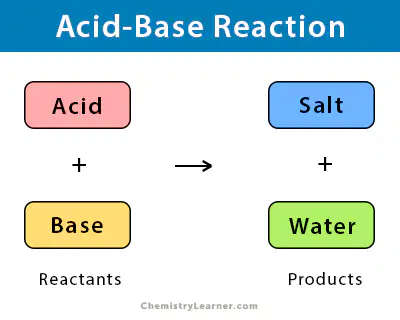
Select 2: When acids and bases react together, which 2 products are formed?

a)

Salts

b)

Water

c)

Buffers

d)

Strong acids

4.

What type of compound would you classify KCl, as?

a)

Hydrochloric acid

b)

Salt/Electrolyte compound

c)

Neutral compound

d)

Organic

5.
Which fluid of the human body would be considered the strongest acid?
a)
Saliva 
b)
Gastric Fluid 
c)
Bile 
d)
Blood
6.

A urine sample has a pH of 9. How would you categorize this value on the pH scale?

a)

Weak base

b)

Strong acid

c)

Strong base

d)

Weak acid

7.
This condition occurs when the blood pH drops below 7.4
a)
Alkalosis 
b)
Bicarbonate imbalance 
c)
Hypokalemia 
d)
Acidosis 
8.

Which body fluid is involved with the conditions of acidosis and Alkalosis?

a)

Saliva

b)

Bile

c)

Blood

d)

Interstitial fluid

9.
What are the two types of acidosis/alkalosis? 
a)
Metabolic & Excretory 
b)
H+ and OH-
c)
Respiratory & Metabolic 
d)
Carbonate & Buffering 
10.
Metabolic acidosis can be caused by diet or by: 
a)
Breathing issues 
b)
The creation of acids during digestion 
c)
Kidney failure 
d)
Fluid loss
11.
Which condition would lead to respiratory acidosis? 
a)
Asthma 
b)
Cancer
c)
Diet rich in acidic foods
d)
Diuretics 
12.

HCl + NaHCO3 ---------- H2CO3 + NaCl

Which compound above is a buffer and which organ creates it?

a)

HCl Stomach

b)

NaCl Pancreas

c)

NaHCO3 Pancreas

d)

H2CO3 Lungs

13.
What is the most common buffer used/produced by the body?
a)
Hydrochloric 
b)
Calcium sulfide 
c)
Water 
d)
Bicarbonate 
14.
This buffer is made by the pancreas.
a)
Calcium bicarbonate 
b)
Lactic acid
c)
Sodium bicarbonate 
d)
COPD 
15.
This buffer is released from our bones and skeletal muscle 
a)
Carbonic acid
b)
Sodium chloride 
c)
Calcium phosphate 
d)
Calcium bicarbonate 
16.

During the buffer reaction of digestion, HCl is converted into this weak acid

a)

Phosphoric

b)

Carbonic

c)

Carbondioxide

d)

Bicarbonate

17.

HCl + NaHCO3 ---------- H2CO3 + NaCl

The buffering of HCl in the reaction above occurs during the process of:

a)

Excretion

b)

Respiration

c)

Synthesis

d)

Digestion

18.
After an acid/base reaction a salt like NaCl is produced. How might NaCl be used by the body?
a)
Electrolyte source
b)
Buffer
c)
ATP energy
d)
Converted into water
19.
This organ of the body regulates acid levels by breaking a weak acid down into carbon dioxide and water. 
a)
Kidneys 
b)
Pancreas 
c)
Lungs 
d)
Liver
20.

This acid created by the body is a result of protein,fat & carbohydrate metabolism.

a)

NaCl

b)

Sulfuric acid

c)

OH-

d)

Lactic acid

21.

Which answer best describes the cause respiratory acidosis?

a)

Carbon dioxide & water revert back into carbonic acid

b)

Carbon dioxide and water revert back into a strong buffer

c)

A buffer reaction will start.

d)

Hydrochloric acid will settle within the lung tissue.

22.

HCl + NaHCO3 ---------- H2CO3 + NaCl

Which compound above is a weak acid ?

a)

H2CO3

b)

NaHCO3

c)

HCl

d)

NaCl

23.
If the foods that we eat are NOT classified as an acid, why can it be a cause of metabolic acidosis? 
a)
It will break down into an acid during digestion. 
b)
If is classified as a base. 
c)
It will be used as a buffer by the liver
d)
It will raise the pH of the blood during digestion.