
 Worksheets
Body Organization
Total questions: 30
Worksheet time: 23mins
Name
Class
Date
1.

Which of the following is made up of two or more tissues and perform a specific function?
a)
A cell
b)
An organ
c)
An organelle
d)
An individual organism
2.

What is a tissue?
a)
A group of similar cells working together.
b)
A group of similar organs working together.
c)
A specific structure inside of an organism.
d)
The largest structure in a eukaryotic organism.
3.

Which of the following is the LARGEST and MOST complex level of organization in the body?
a)
Cell
b)
Organ
c)
Tissue
d)
Organ system
4.

The most basic unit of organization in animals is the ____.
a)
Cell
b)
Tissue
c)
Organ
d)
Organ system
5.

The cells in a multicellular organism are specialized to perform a particular function. A group of related cells that work together make up _____.
a)
An organism
b)
An organ system
c)
An organ
d)
A tissue
6.

Your heart, arteries, and veins work together to carry blood to all parts of your body. What is the name for this group of body parts that are working together to do a specific job?
a)
Organism
b)
Organ system
c)
Organ
d)
Tissue
7.

Every organ is made up of one or more:
a)
Organ Systems
b)
Tissues
c)
Muscles
d)
Bones
8.

Use this diagram of living systems to answer this question. Which figure is a tissue?
a)
1
b)
2
c)
1 & 2
d)
1 & 3
9.

Use this diagram of living systems to answer this question. Which figure is 4?
a)
an organ
b)
an organ complex
c)
an organ group
d)
an organ system
10.

Which of the following is the correct sequence of organizational structure for living things?
a)
atom, molecule, organelle, cell, tissue, organ, organ system, organism
b)
atom, molecule, tissue, cell, organelle, organ system, organ
c)
molecule, atom, organelle, cell, tissue, organ system, organ
11.

What are organs made up of?
a)
Tissues
b)
Chromosomes
c)
Organ systems
d)
Organelles
12.

What is a tissue?
a)
A single cell
b)
A group of different types of cells with various functions.
c)
A group of organs that work together.
d)
A group of specialized cells that carry out one job.
13.

What type of tissue covers surfaces of the body?
a)
Muscle
b)
Epithelial
c)
Connective
d)
Nervous
14.

Which type of tissue is responsible for the movement of body parts?
a)
Connective
b)
Muscle
c)
Nervous
d)
Epithelial
15.
Cells are made of up of tiny structures that have specific jobs. These are called ________.
a)
cells
b)
organs
c)
tissues
d)
organelles
16.
what are these: epithelial, muscle, connective and nervous ?
a)
types of cells
b)
types of tissues
c)
types of organs
d)
types of organ systems
17.
what type of tissues make up tendons and ligaments?
a)
connective
b)
epithelial
c)
muscular
d)
nervous
18.
what type of tissue is the brain
a)
epithelial
b)
connective
c)
nervous
d)
muscular
19.
what type of tissue is skin, hair and nails
a)
connective
b)
epithelial
c)
nervous
d)
muscular
20.
The ___________ is the basic unit of life
a)
organ
b)
cell
c)
atom
d)
tissue
21.
A group of tissues that perform a similar function is called_____. (Examples include the heart, lungs or stomach)
a)
cells
b)
tissues
c)
organs
d)
organ system
22.
When many organ systems work together it can form...
a)
organ
b)
cells
c)
organ system
d)
organism
23.
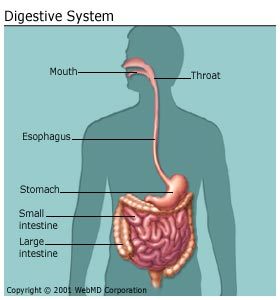
This is a example of........
a)
organ system
b)
cells
c)
organ
d)
tissue
24.
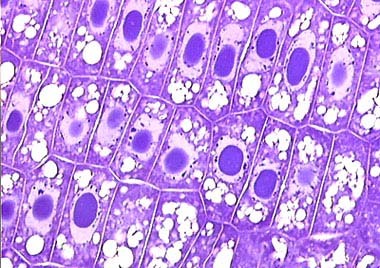
This is a example of ........
a)
cell
b)
tissue
c)
organ
d)
organ system
25.
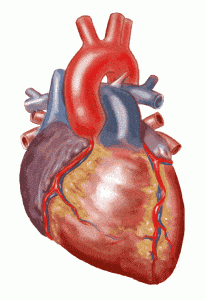
This is a example of ........
a)
cell
b)
organ system
c)
organ
d)
tissue
26.
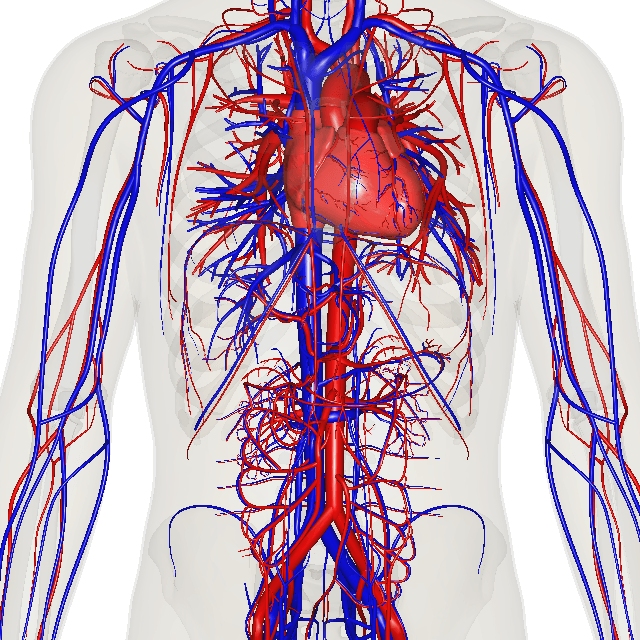
This is a example of ........
a)
organ
b)
organ system
c)
tissue
d)
cell
27.
This type of tissue covers the internal organs and also makes up the skin
a)
epithelial
b)
connective
c)
muscular
d)
nervous
28.
This type of tissue sends messages
a)
epithelial
b)
connective
c)
muscular
d)
nervous
29.
Epithelial tissue is
a)
Bone, cartilage,dense connective tissue, loose connective tissue, and blood
b)
Highly specialized tissue that contracts or shortens to produce movement
c)
Lining and covering tissue of the body
30.

This type of tissue sends and receives electrical messages
a)
epithelial
b)
muscle
c)
connective
d)
nerve
100 %

