Wayground logo

Free Printable Worksheets

Font size

S
M
L
XL
Worksheets

Electricity

Total questions: 30

Worksheet time: 3hrs 30mins

Name
Class
Date
1.
Which of the following is NOT a situation caused by static electricity?
a)
hair stands on end when touching a static electricity generator  
b)
you get a electric shock when touching a doorknob during dry winter 
c)
your hair stands on end when you are frightened
d)
clothes in the dryer cling to one another when no fabric softener is used 
2.
The transfer of what type of atomic particle is responsible for the static charges on objects?
a)
neutrons
b)
protons
c)
electrons
d)
none of these
3.
An object that is positively charged contains an excess of:
a)
protons
b)
neutrons
c)
electrons
d)
positrons
4.
What types of charges attract?
a)
Positive and Positive
b)
Positive and Neutral
c)
Negative and Neutral
d)
Positive and Negative
5.
The buildup of charges on an object is called:
a)
positive charge
b)
static charge
c)
negative charge
d)
static discharge
6.
If the two charges represented in the figure were brought near each other, they would
a)
attract each other.
b)
repel each other.
c)
cause static discharge.
d)
have no affect on each other
7.
Walking across a carpet is an example of charge being transferred by
a)
friction.
b)
induction.
c)
contact.
d)
static electricity
8.
If a substance has a higher number of electrons than protons on its surface, what type of charge does it have?
a)
A positive charge.
b)
A negative charge.
c)
A neutral charge
d)
No charge at all
9.
Method of charging an object by allowing electric charge to flow by direct contact from one object to another object.
a)
friction
b)
conduction
c)
electric force
d)
induction
10.
Ms Jo Jo rubbed two balloons with a piece of wool. What will happen when the balloons are brought near each other?
a)
The balloons will pop.
b)
The balloons will attract each other.
c)
The balloons will become positively (+) charged.
d)
The balloons will repel each other.
11.
assume a rubber rod is rubbed against a rabbit fur and gains 5 electrons.  which of the following is true?
a)
The fur lost 5 electrons
b)
the fur gained 5 electrons
c)
the fur gained 5 protons
d)
The fur lost 2 electrons
12.
The law of conservation of charge states that...
a)
all atoms have more protons than electrons
b)
only protons can be rubbed off of an atom
c)
charge cannot be created or destroyed
d)
charge cannot be transferred 
13.
Which of the following is not a good insulator?
a)
Copper
b)
Glass
c)
rubber
d)
wool
14.

Which of the following is not a good conductor of electricity?

a)

copper

b)

silver

c)

rubber

d)

aluminum

15.

What do you call the process of charging a conductor by bringing it near another charged object?

a)

induction

b)

friction

c)

neutralization

d)

conduction

16.
After you rub a balloon on your hair, what charge does your hair have?
a)
Positive
b)
Negative
c)
Neutral
17.
After you rub a balloon on your hair, what charge does the balloon have?
a)
Positive
b)
Negative
c)
Neutral
18.
An atom loses an electron.  What type of charge does it have now?
a)
positive
b)
negative
19.
What is static electricity caused by?
a)
A balance of power
b)
A balance of positive and negative charges
c)
An imbalance of positive and negative charges
d)
An imbalance of protons and neutrons
20.
What happens when you touch a metal doorknob after rubbing your shoes on the carpet?
a)
The doorknob sends a burst of electric current into your body
b)
Millions of electrons go from your finger into the doorknob
c)
The doorknob sends millions of electrons into your finger
d)
our finger becomes negatively charged
21.
The loss of static electricity as electric charges move from one object to another.
a)
Electric field
b)
Electric force
c)
static electricity
d)
static discharge
22.

Why is the difference between conductors and insulators?

a)

Conductors hold a charge because they do not allow electrons to easily flow through them, but insulators do not hold a charge because they do allow electrons to easily flow through them.

b)

Conductors hold a charge because they allow electrons to easily flow through them, but insulators do not hold a charge because they do not allow electrons to easily flow through them.

c)

Insulators hold a charge because they do not allow electrons to easily flow through them, but conductors do not hold a charge because they do allow electrons to easily flow through them.

d)

Insulators hold a charge because they allow electrons to easily flow through them, but conductors do not hold a charge because they do not allow electrons to easily flow through them.

23.

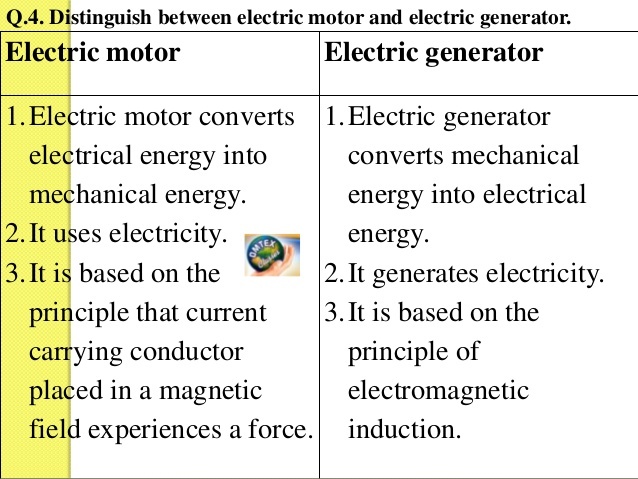
What is the transfer of energy in a motor?

a)

chemical to mechanical

b)

electrical to mechanical

c)

mechanical to electrical

d)

physical to potential

24.
What is the transfer of electricity in a generator?
a)
Mechanical to Electrical 
b)
Physical to Potential 
c)
Electrical to Mechanical
d)
Yogurt to Light
25.

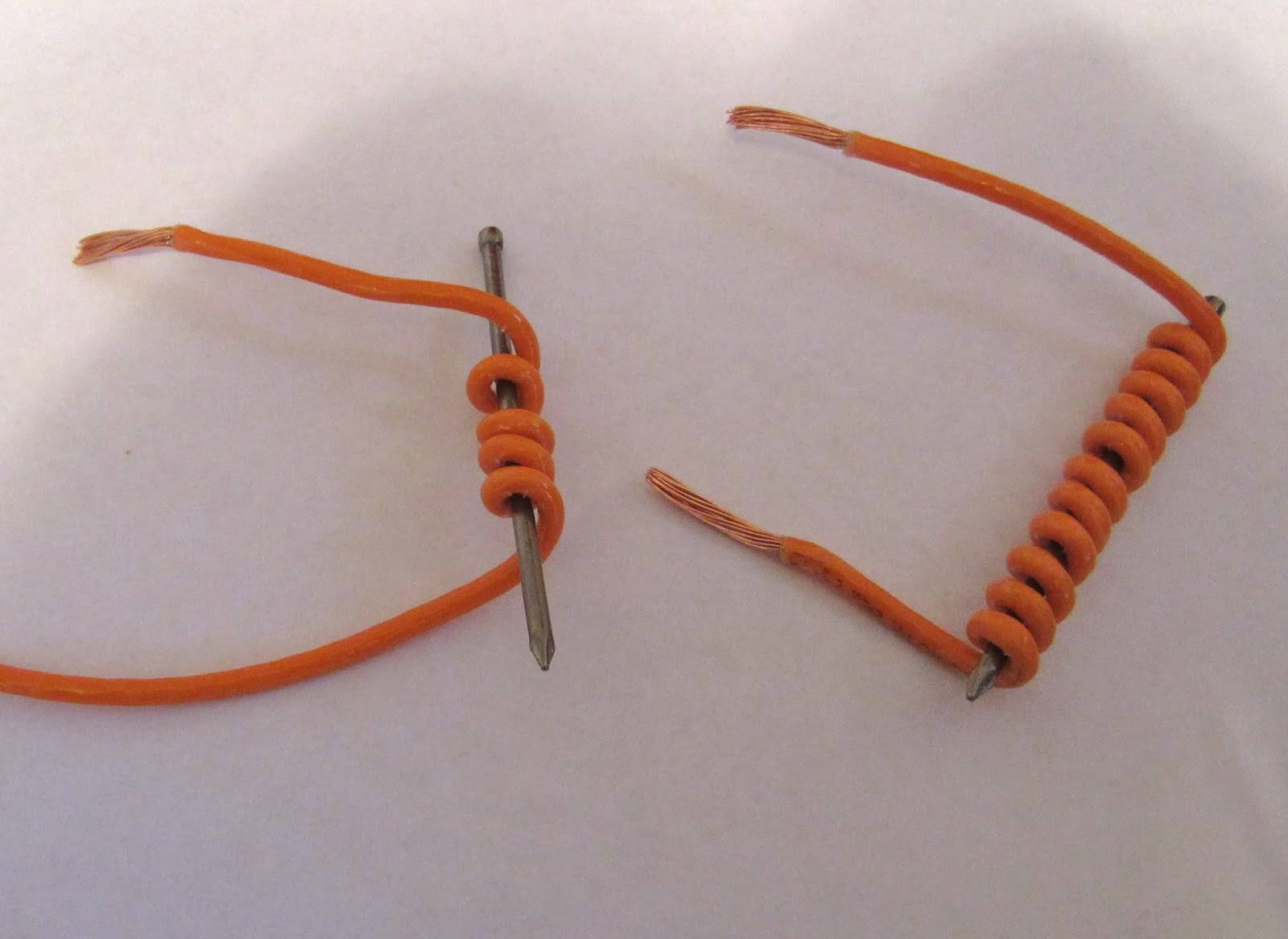
What can you use to make an electromagnet?

a)

Battery, nail and string

b)

Battery, pencil and wire

c)

Wire, battery and iron ore (nail)

d)

Peanut butter, lampshade, hand sanitizer

26.

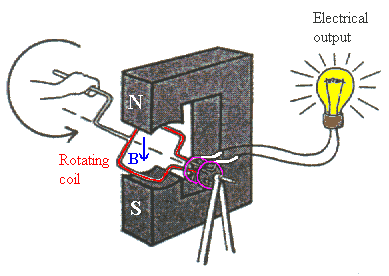
In large generators in power plants, ___________ rotates inside a magnet to produce an electric current.

a)

a different pole of a magnet

b)

a iron core

c)

a tight coil of wire

d)

a circuit

27.

Electric fields are often associated with what other kind of field?

a)

Magnetic Fields

b)

Nuclear Fields

c)

Particle Fields

d)

Corn Fields

28.

What two forces are required for generators and electric motors to work?

a)

magnetism and gravity

b)

electricity and gravity

c)

electricity and magnetism

d)

magnetism and inertia

29.
What happens to the strength of an electromagnet as you add more coils around it?
a)
Increases
b)
Decreases
c)
Stays the same
d)
Stops completely
30.
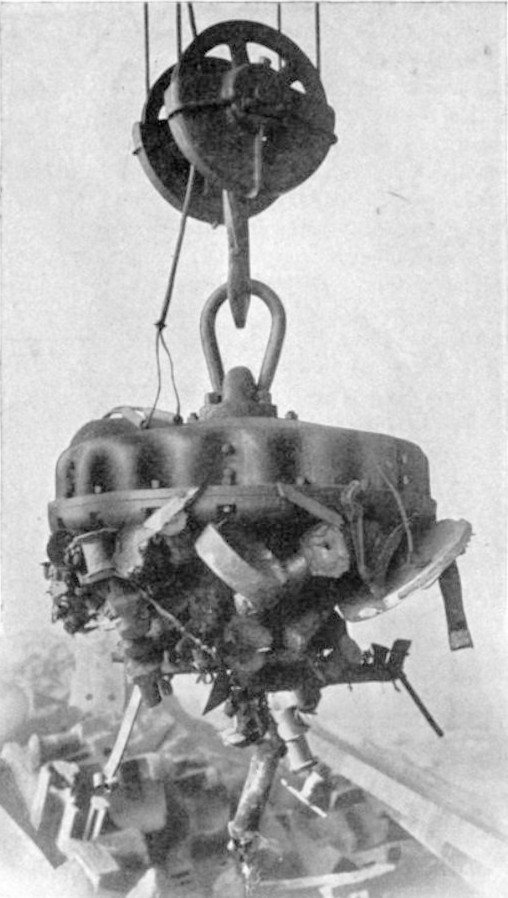
How are electromagnets different from magnets?
a)
magnets can be turned on/off
b)
you can turn an electromagnet on/off
c)
magnets are more powerful
d)
magnets have a North and South pole