
 Worksheets
Cell Quiz
Total questions: 30
Worksheet time: 19mins
Name
Class
Date
1.
Which organelle is only found in a plant cell?
a)
nucleus
b)
chloroplast
c)
mitochondria
d)
cell membrane
2.

Directs all cell activities through the DNA located there.
a)
Lysosomes
b)
Nucleus
c)
ribosomes
d)
Mitochondria
3.
Which of the following is directly involved in the transportation of materials inside/within the cell?
a)
Endoplasmic Reticulum
b)
Vacuole
c)
Lysosome
d)
Mitochondria
4.
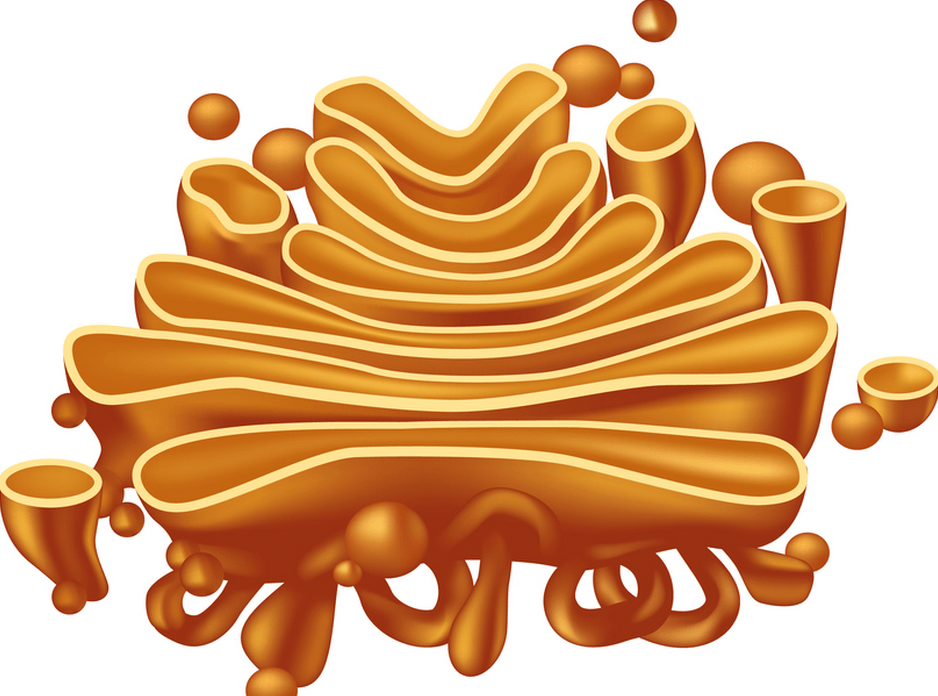
I am a protein packaging and shipping machine! Who am I?
a)
vacuole
b)
ribosome
c)
mitochondrion
d)
golgi apparatus
5.
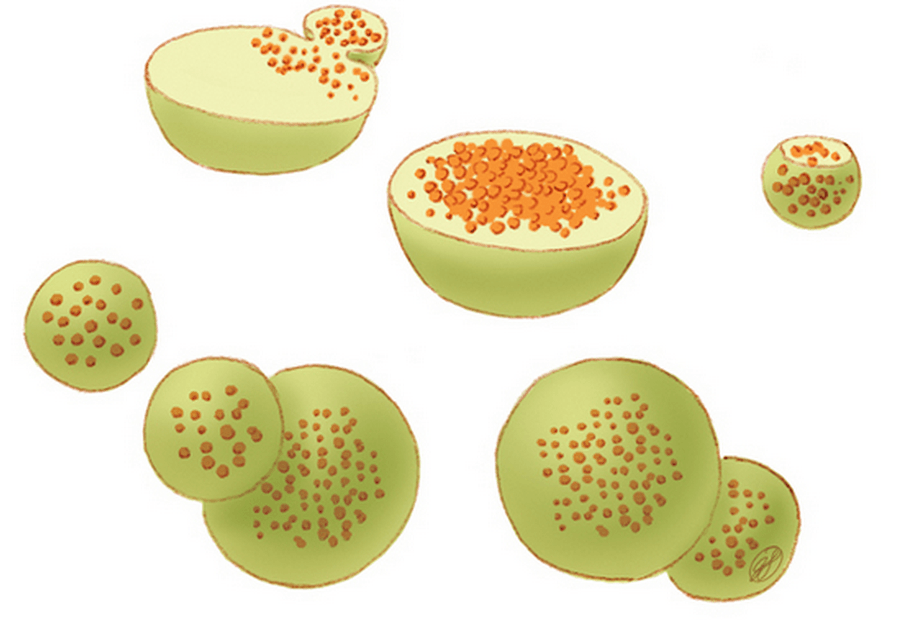
You might think of me as the trash collector, but recycler is maybe more accurate. What am I?
a)
mitochondria
b)
lysosome
c)
vacuole
d)
ribosome
6.
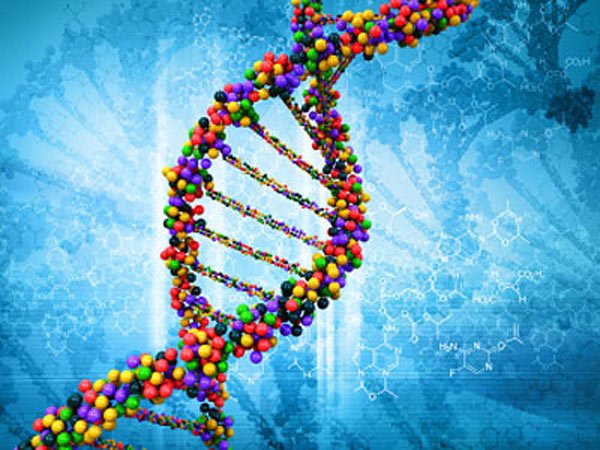
What is the name of the genetic material that is inside the nucleus?
a)
ER
b)
ATP
c)
YOLO
d)
DNA
7.
What is found in both plant and animal cells but is much larger in plant cells?
a)
Nucleus
b)
Mitochondria
c)
Chloroplast
d)
Vacuole
8.
Where are proteins made?
a)
Golgi body
b)
Mitoichondria
c)
Chromosomes
d)
Ribosomes
9.
This organelle takes food and turns it into ENERGY for plant and animal cells.
a)
Chloroplast
b)
Mitochondria
c)
Lysosome
d)
Ribosome
10.
The site of photosynthesis
a)
ribosome
b)
mitochondria
c)
chloroplast
d)
nucleus
11.

I am the outer most layer of an animal cell. What am I?
a)
cell wall
b)
nucleus
c)
cell membrane
d)
cell skin
12.
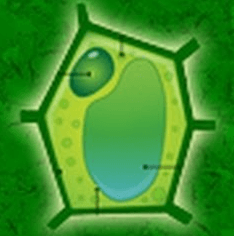
A rigid layer that lies outside the cell's membrane is...
a)
Cytoskeleton
b)
Cilia
c)
Cell Wall
d)
Flagella
13.
What organelle is called the "powerhouse" of a cell?
a)
Endoplasmic Reticulum
b)
Nucleus
c)
Mitochondria
d)
Nucleolus
14.
What organelle helps with cell digestion?
a)
Lysosomes
b)
Ribosomes
c)
Golgi Complex
d)
ER
15.
What is the gel-like substance inside of cells called?
a)
photoplasm
b)
photosynthesis
c)
cytoskeleton
d)
cytoplasm
16.

The ___________ is the basic unit of life
a)
organ
b)
cell
c)
atom
d)
tissue
17.

What type of cell is pictured?
a)
Prokaryotic
b)
Eukaryotic
c)
Plant
d)
Animal
18.

Type of cell shown?
a)
Eukaryotic
b)
Prokaryotic
c)
Bacterial
d)
Plant
19.
Which of the following would be found in both eukaryotic AND prokaryotic cells?
a)
chloroplast
b)
cytoplasm
c)
nucleus
d)
endoplasmic reticulum
20.

Type of cell shown?
a)
Bacterial
b)
Prokaryotic
c)
Eukaryotic
d)
Red blood
21.
Which of the following is NOT a type of eukaryotic cell?
a)
mushroom cell
b)
pea leaf cell
c)
bacterial cell found in Swiss cheese
d)
alligator stomach cell
22.
How are prokaryotes and eukaryotes similar?
a)
They both contain membrane-bound organelles.
b)
They both have cell membranes.
c)
The both have nuclei.
d)
They both have chloroplasts.
23.
Why does sexual reproduction result in more genetic diversity than asexual reproduction?
a)
Traits from two parents are combined.
b)
More organisms reproduce this way.
c)
Offspring grow in different environments.
d)
Offspring come from identical parents.
24.
Organisms that reproduce asexually generally have offspring that are
a)
unicellular.
b)
multicellular.
c)
genetically varied.
d)
genetically identical.
25.
A plant that has traits identical to the parent plant provides evidence that the plant
a)
resulted from sexual reproduction.
b)
resulted from asexual reproduction.
c)
will develop many seeds.
d)
will have large leaves.
26.
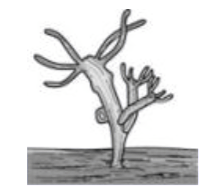
Many invertebrate animals, such as the hydra, reproduce asexually. What form of reproduction in this stage of the life cycle of the hydra is shown in the diagram?
a)
binary fission
b)
budding
c)
fragmentation
d)
vegetation propagation
27.
Which of the following is a part of the process of sexual reproduction?
a)
budding
b)
regeneration
c)
pollination
d)
fragmentation
28.
Which is the greatest benefit of sexual reproduction?
a)
capable of reproducing by meiosis
b)
ability to reproduce without a mate
c)
ability to produce genetically different offspring
d)
capable of producing offspring genetically identical to parent
29.
In order to grow two of the exact same plants, a person would reproduce them asexually because the
a)
genetic diversity is greater.
b)
offspring would be genetically identical.
c)
recessive traits would emerge.
d)
negative traits are suppressed.
30.
When an egg and sperm form an embryo, the offspring that is formed will have genetic traits that are
a)
inherited from only one parent.
b)
created by the environment.
c)
passed on from two parents.
d)
learned from siblings.
100 %

