
 Worksheets
Evolution / Structures
Total questions: 12
Worksheet time: 10mins
Name
Class
Date
1.
Humans, birds, whales, and lizards all have similar arm bones. What is the reason for this?
a)
The function of these bones is the same in all animals
b)
They live in similar environments
c)
They have a common ancestor
d)
All organisms resemble humans
2.
Structures that are inherited from a common ancestor are homologous.
a)
True
b)
False
3.
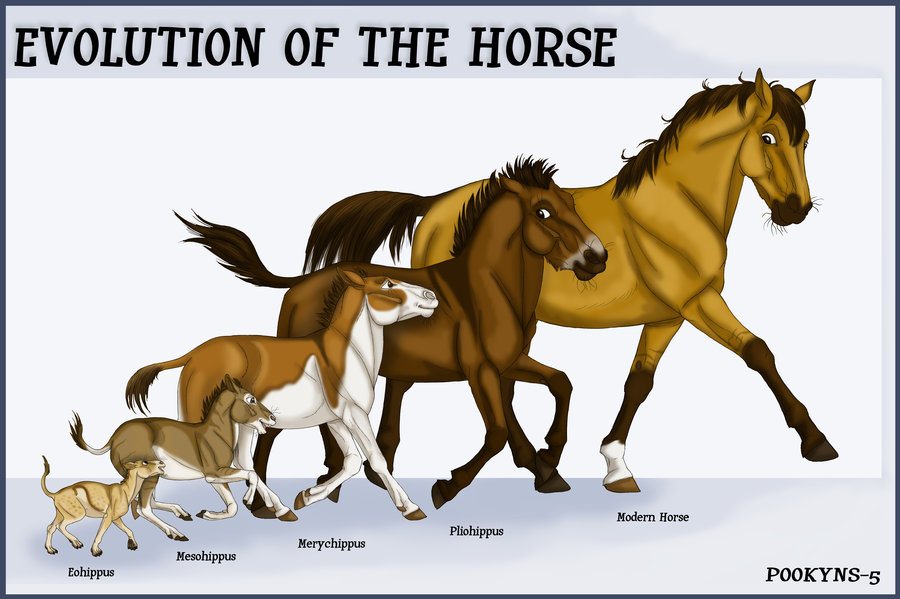
Some organisms that share a common ancestor have features that have different functions, but similar structures. These are known as
a)
vestigial structures
b)
analogous structures
c)
homologous structures
d)
fossil structures
4.
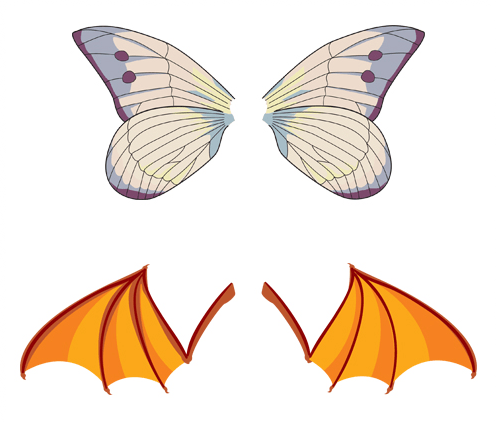
Bird wings and butterfly wings are an example of
a)
Homologous structure
b)
Analogous structure
c)
Camaflouge
d)
Mimicry
5.
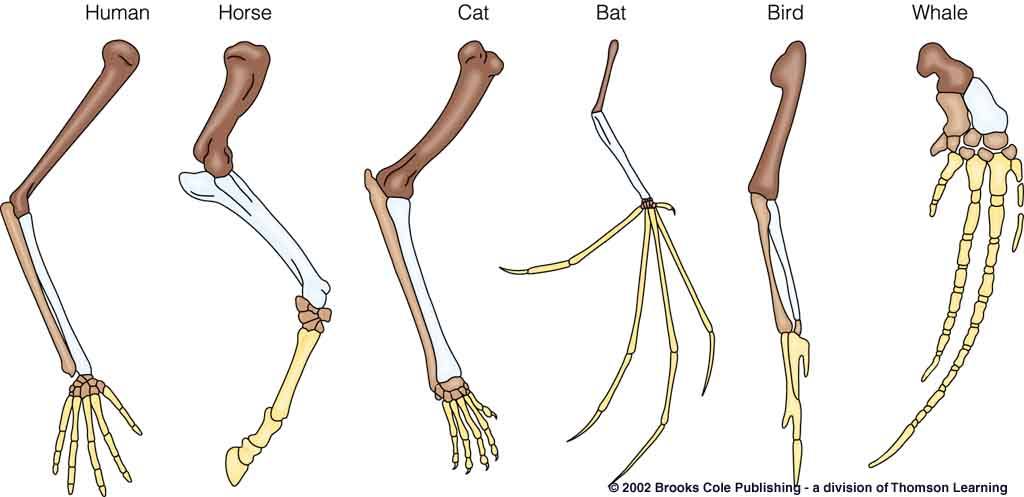
The structures shown are_________
a)
homologous
b)
heterologous
c)
analogous
d)
vestigial
6.
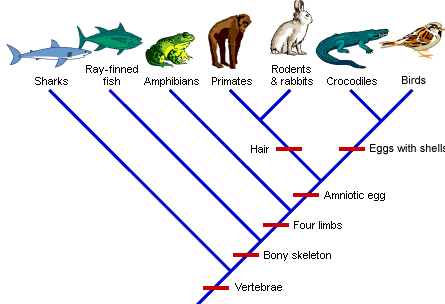
According to this cladogram, sharks are MOST closely related to which organism?
a)
Amphibians
b)
Ray finned fish
c)
Crocodiles
d)
Birds
7.
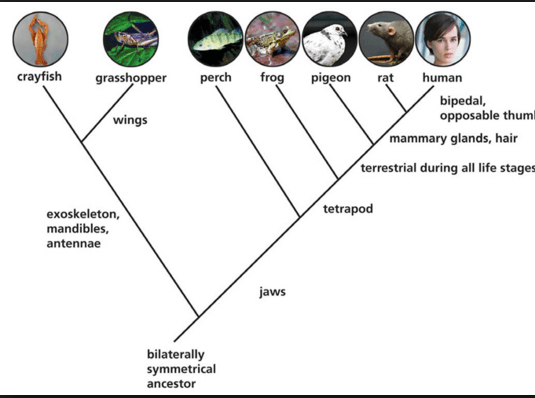
According to the cladogram, which organism is most distantly related to the human?
a)
crayfish
b)
grasshopper
c)
perch
d)
frog
8.
You look at two species and see very similar DNA. What does this likely tell you?
a)
These are the same animal.
b)
These animals have a common ancestor.
c)
These animals are not likely related.
d)
These animals are likely becoming one species.
9.
An inherited characteristic that increases an organisms ability to survive and reproduce in its specific environment is called a(n)
a)
vestigial structure
b)
speciation
c)
analogous structure
d)
adaptation
10.
When did the Earth and Moon form?
a)
3.5 billion years ago
b)
4.6 billion years ago
c)
543 million years ago
11.
Modern humans (Homo sapiens) and dinosaurs never existed together on Earth.
a)
True
b)
False
12.
Evolution occurs quickly (over short periods of time).
a)
True
b)
False
100 %

