
 Worksheets
Weathering, Erosion Deposition Modified
Total questions: 40
Worksheet time: 44mins
Name
Class
Date
1.
Rain washing away soil from a hillside is an example of...
a)
Weathering
b)
Erosion
c)
Deposition
2.
Flood water pounding against a canyon wall and wearing it down is an example of...
a)
Weathering
b)
Erosion
c)
Deposition
3.
Layers of sediment forming at the bottom of the ocean floor is an example of...
a)
Weathering
b)
Erosion
c)
Deposition
4.
Waves dropping sand on the beach is an example of...
a)
Weathering
b)
Erosion
c)
Deposition
5.
Caves being formed by acid rain dissolving underground limestone is an example of...
a)
Weathering
b)
Erosion
c)
Deposition
6.
Water getting into cracks, freezing, and breaking the rocks or pavement apart is an example of...
a)
Weathering
b)
Erosion
c)
Deposition
7.
Wind blowing sand from one location to another is an example of...
a)
Weathering
b)
Erosion
c)
Deposition
8.
What is the movement of soil from one place to another?
a)
weathering
b)
deposition
c)
discharge
d)
erosion
9.
The process of moving weathered rock and depositing it in another location is called?
a)
weathering
b)
erosion
c)
deposition
10.
The process of slowly breaking rocks into smaller pieces is called
a)
weathering
b)
erosion
c)
deposition
11.
Weathering involves the movement of rocks and minerals by agents such as water, wind and gravity.
a)
True
b)
False
12.
A mudslide flowing down a steep hill is a form of?
a)
Weathering
b)
Erosion
c)
Deposition
13.
Weathering and erosion are the same thing.
a)
True
b)
False
14.
True or false: Plants can cause weathering.
a)
True
b)
False
15.
Which of the following is the correct definition of weathering?
a)
The removal of rocks
b)
The dropping of rocks
c)
The breakdown of rocks
d)
None of the above
16.
Which of the following is the definition of erosion?
a)
The process of breaking down rock.
b)
The process of moving soil and rock from one place to another.
c)
The dropping of rock.
d)
None of the above.
17.
This type of weathering occurs when rock is physically broken down into smaller pieces of rock.
a)
mechanical weathering
b)
chemical weathering
c)
erosion weathering
d)
deposition
18.
This type of weathering occurs when rocks weaken then break down due to chemical changes in the composition of the rock.
a)
mechanical weathering
b)
chemical weathering
c)
erosion weathering
d)
deposition
19.
Weeds growing into the cracks in a sidewalk and the sidewalk begins to crumble is an example of:
a)
mechanical weathering
b)
chemical weathering
20.
Potholes forming in the road after a cold winter is an example of:
a)
mechanical weathering
b)
chemical weathering
21.
A metal statue slowly turning green after years of being outside is an example of:
a)
mechanical weathering
b)
chemical weathering
22.

Acid rain is an example of
a)
Erosion
b)
Mechanical Weathering
c)
Chemical Weathering
d)
Mass Movement
23.
A piece of sandstone changing color (from brown to rusty red) from exposure to water and air is an example of:
a)
mechanical weathering
b)
chemical weathering
24.
The process of breaking up rocks on Earth's surface is called...
a)
sediment
b)
erosion
c)
weathering
d)
deposition
25.
The process by which small pieces of rocks and soil are moved by natural forces is called...
a)
deposition
b)
erosion
c)
weathering
d)
faults
26.
Erosion can be caused by which of the following?
a)
Ice
b)
Water
c)
Wind
d)
All of the above
27.

This image is an example of what form of mass movement?
a)
Landslide
b)
Slump
c)
Mudflow
d)
Creep
28.

This image is an example of what form of mass movement?
a)
Landslide
b)
Mudflow
c)
Creep
d)
Slump
29.

This image is an example of what form of mass movement?
a)
Landslide
b)
Creep
c)
Mudflow
d)
Slump
30.

This image is an example of what form of mass movement?
a)
Slump
b)
Landslide
c)
Mudflow
d)
Creep
31.

This image is an example of what type of Chemical Weathering?
a)
Water
b)
Oxygen/Oxidation
c)
Acid Rain
d)
Living Organisms
32.

This image is an example of what type of Chemical Weathering?
a)
Water
b)
Acid Rain
c)
Living Organisms
d)
Oxygen/Oxidation
33.

This image is an example of what type of Chemical Weathering? (hint: its rusty)
a)
Water
b)
Acid Rain
c)
Oxygen/Oxidation
d)
Living Organisms
34.

Over long periods of time, deposition may change the Earth’s surface by _____.
a)
forming new land features.
b)
breaking down large rocks into smaller ones.
c)
washing away beaches.
d)
moving topsoil.
35.
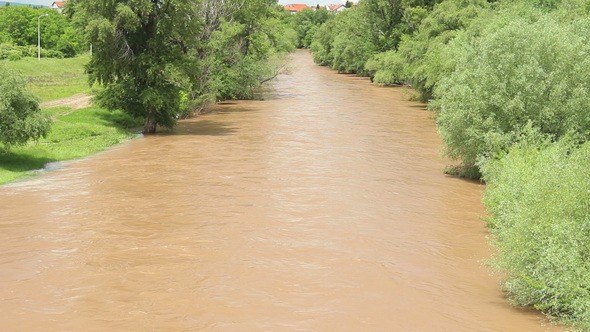
Muddy water being carried away by a fast-moving river is an example of
a)
Weathering
b)
Erosion
c)
Deposition
d)
A nice place to swim
36.
Wind blasting sand at rock and carving out arches is an example of...
a)
Weathering
b)
Erosion
c)
Deposition
37.
Glaciers dropping sand and rock to form a terminal moraine is an example of...
a)
Weathering
b)
Erosion
c)
Deposition
38.
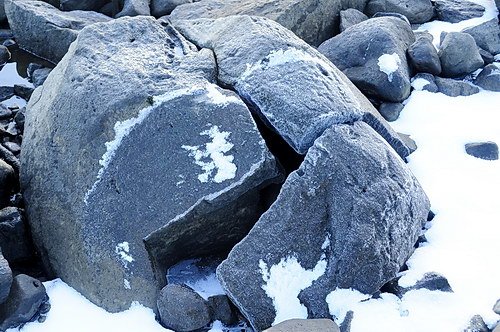
How does freezing water cause the weathering of rocks? The freezing water—
a)
keeps the rocks in place.
b)
makes the rocks last longer.
c)
expands cracks and breaks rocks.
d)
causes rocks to fall in landslides.
39.

This image is an example of what type of Chemical Weathering? (hint: its a lichen on the rock)
a)
Water
b)
Acid Rain
c)
Oxygen/Oxidation
d)
Living Organisms
40.
In the lab on Wednesday, what did the skittle represent?
a)
Rock
b)
Mechanical weathering
c)
Chemical Weathering
d)
the beach
100 %

