
 Worksheets
Erosion and Mass Movement
Total questions: 19
Worksheet time: 22mins
Name
Class
Date
1.
Rain washing away soil from a hillside
a)
Weathering
b)
Erosion
c)
Deposition
2.
Waves dropping sand on the beach
a)
Weathering
b)
Erosion
c)
Deposition
3.
Wind blowing sand from one location to another
a)
Weathering
b)
Erosion
c)
Deposition
4.
Wind blasting sand at rock and carving out arches
a)
Weathering
b)
Erosion
c)
Deposition
5.
Muddy water being carried away by a fast-moving river
a)
Weathering
b)
Erosion
c)
Deposition
6.
Rocks being made smooth by tumbling across a streambed
a)
Weathering
b)
Erosion
c)
Deposition
7.
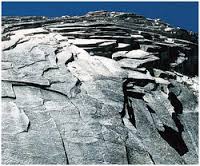
What is mechanical weathering?
a)
Process through which rocks are physically broken into smaller pieces.
b)
Rocks are broken down through chemical changes.
c)
Rocks are worn away from acid in plant roots.
d)
Rocks broken down by machinery.
8.
What is a type of mass movement by gravity?
a)
dune
b)
loess
c)
glacier
d)
mudslide
9.
What triggers mudslides?
a)
ice
b)
rain
c)
wind
d)
temperature
10.
Which type of sediment will be dropped first as the wind slows?
a)
biggest
b)
smallest
c)
heaviest
d)
lightest
11.
What forms as wind slows?
a)
mudflows
b)
rockfalls
c)
dunes
d)
glaciers
12.
Weathering and erosion are the same thing.
a)
True
b)
False
13.

How would a fast-flowing river be most likely to move sand-sized particles of sediment?
a)
It would lift them and carry them downstream.
b)
It would dissolve them completely in solution.
c)
It would roll or slide them along the streambed.
d)
It would deposit them on the streambed.
14.
Cracks in rocks widen as water in them freezes and thaws. How does this affect the surface of the Earth?
a)
It reduces the rates of soil formation.
b)
It changes the chemical composition of the rocks.
c)
It exposes rocks to increased rates of erosion and weathering.
d)
It limits the exposure of rocks to acid precipitation.
15.

What are the proportions of clay, silt, and sand shown at point A in Figure 5-1?
a)
clay: 70 percent; silt: 20 percent; sand: 10 percent
b)
clay: 60 percent; silt: 20 percent; sand: 20 percent
c)
clay: 40 percent; silt: 40 percent; sand: 20 percent
d)
clay: 80 percent; silt: 10 percent; sand: 10 percent
16.
Which of the following is NOT a major component of soil?
a)
earthworms
b)
humus
c)
mineral matter
d)
air
17.
What factor commonly triggers mass movements?
a)
earthquakes
b)
saturation of surface materials with water
c)
removal of vegetation
d)
all are correct
18.
During what season would you expect mass movements to be a greater threat?
a)
a dry summer
b)
a wet spring with lots of growing vegetation
c)
a dry autumn after the leaves have turned
d)
a wet spring before vegetation is growing
19.
Ice wedging is best described as
a)
a tectonic process
b)
a depositional process
c)
chemical weathering
d)
mechanical weathering
100 %

