
 Worksheets
Weathering, Soil, Deposition,Erosion
Total questions: 24
Worksheet time: 1hrs 1mins
Name
Class
Date
1.
The process by which water, ice, wind or gravity moves weathered rock and soil from one place to another.
a)
weathering
b)
erosion
c)
deposition
d)
dumptruck
2.
This type of weathering occurs when rocks weaken then break down due to chemical changes in the composition of the rock.
a)
mechanical weathering
b)
chemical weathering
c)
erosion weathering
d)
deposition
3.

These rocks were broken apart from the continuous freeze/thaw of water in the cracks of the rocks. This is an example of:
a)
ice wedging
b)
acid rain
c)
permeability
d)
abrasion
4.
How might a weathered mountain appear different than an unweathered mountain?
a)
Weathered mountain would be taller.
b)
Weathered mountain would be rounder and less jagged.
c)
Weathered mountain would be more jagged and less rounded.
d)
Weathered mountain would have no trees.
5.
How is mechanical weathering different from chemical weathering?
a)
Chemical weathering happens over much shorter time frame than mechanical weathering.
b)
Chemical weathering changes the chemical composition of rocks; mechanical weathering does not.
c)
Chemical weathering occurs only in tropical climates; mechanical weathering occurs only in cool climates.
d)
Chemical weathering occurs only in the mountains; mechanical weathering occurs only on flat land.
6.
Layers of sediment forming at the bottom of the ocean floor
a)
Weathering
b)
Erosion
c)
Deposition
7.
Which of the following would probably cause the most damage to an abandoned building in a jungle?
a)
solar heat and acid rain
b)
wind and water
c)
storms
d)
plant growth
8.
What is sediment?
a)
the process of rocks being broken down and carried away
b)
bits of rock, sand, and silt caused by the weathering of rocks
c)
the top layer of the soil
d)
decaying plant or animal material
9.
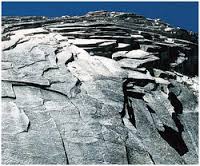
What is mechanical weathering?
a)
process through which rocks are physically broken into smaller pieces.
b)
rocks are broken down through chemical changes.
c)
rocks are worn away from acid in plant roots.
d)
rocks broken down by machinery.
10.

The type of formation shown is at the southern end of the Mississippi river. What is it called?
a)
erosion
b)
a delta
c)
loch ness monster
d)
i could care less
11.
Which of the following is NOT a rapid change in Earth's surface?
a)
landslides
b)
erosion
c)
volcanoes
d)
earthquakes
12.
Which of the following is NOT a slow change to Earth's surface?
a)
weathering
b)
erosion
c)
deposition
d)
landslides
13.
How does freezing water cause the weathering of rocks? The freezing water—
a)
keeps the rocks in place
b)
makes the rocks last longer
c)
expands cracks and breaks rocks
d)
causes rocks to fall in landslides
14.
What is the major cause of weathering and erosion?
a)
wind
b)
ice
c)
glaciers
d)
moving water
15.
Which type of climate will have faster chemical weathering?
a)
Hot and Wet
b)
Cold and Dry
c)
Hot and Cold
d)
Cold and Wet
16.
The ___________of a mountain weathers the fastest
a)
bottom
b)
middle
c)
top
d)
all parts weather the same
17.
Which agents break down earth materials?
a)
wind only
b)
earthquakes and gravity
c)
ice and 007
d)
wind, water, and ice
18.
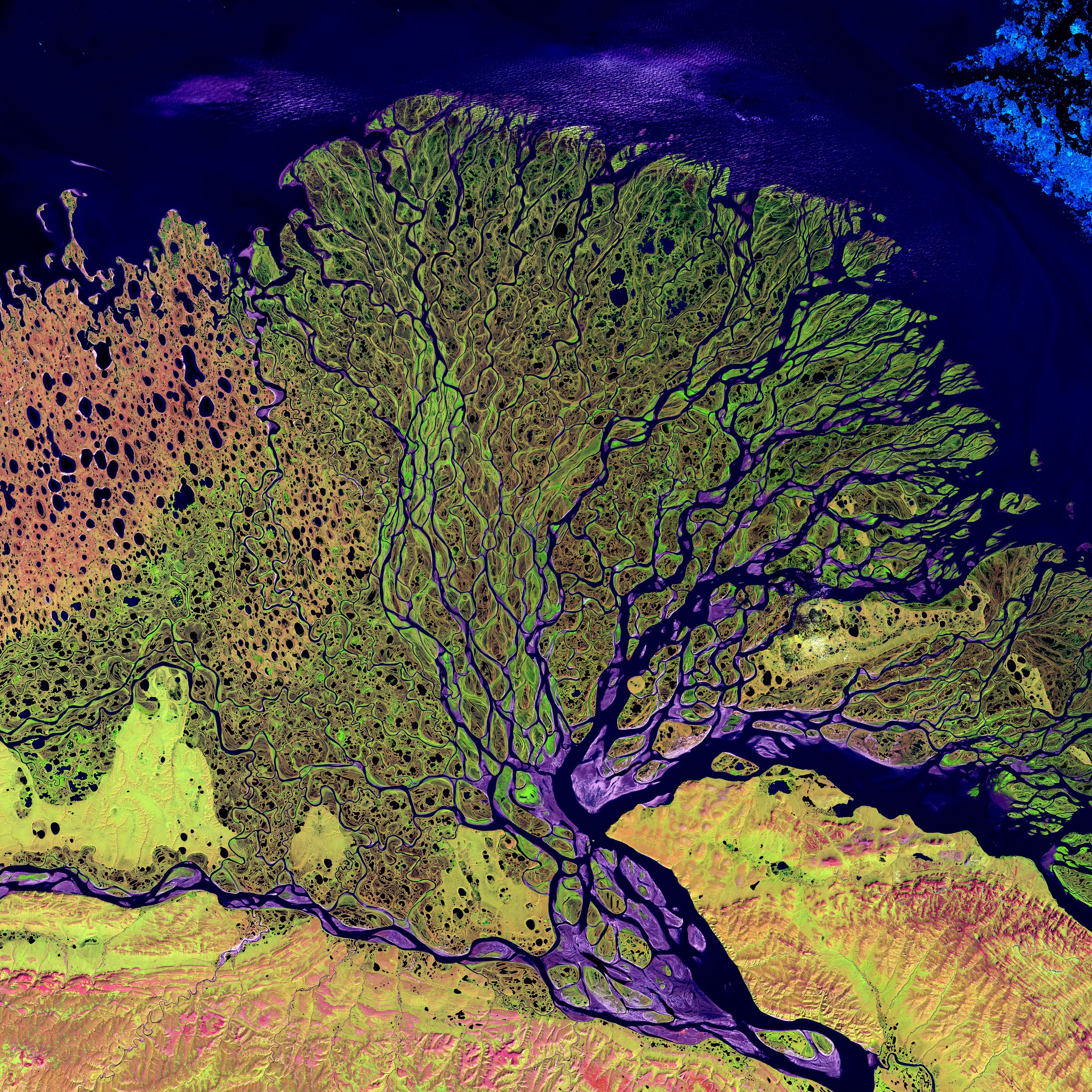
Deltas are built up by...
a)
deposition
b)
leaching
c)
abrasion
d)
erosion
19.
A plant takes root in a small crevie of rock as the plant grows its roots push on the edges of the rock breaking it
a)
Mechanical Weathering
b)
Chemical Weathering
20.
Lichen from plants create weak acid that take out certain minerals from the rock weakening it
a)
Mechanical Weathering
b)
Chemical Weathering
21.
Which of the following is not a prevention method for soil erosion?
a)
Contour Plowing
b)
Terracing
c)
Riprap
d)
Cover Crops
22.
Which of the following scenarios describes chemical weathering?
a)
Rocks that have been carried by streams and have become smaller and more rounded
b)
Formation of potholes in streets during severe winters
c)
The oxidation of minerals that contain iron
d)
Tree roots cracking the concrete foundation of a house
23.
What are the two factors that affect the rate of weathering?
a)
Rock Type & Climate
b)
Rock Size & Rock Type
c)
Rock shape & Rock Type
d)
Rock Size & Climate
24.
Which of the following is not a form of erosion?
a)
Soil
b)
Chemical
c)
All of them
d)
Stream-bank
100 %

