
 Worksheets
CCP Government Midterm Exam Review Game
Total questions: 94
Worksheet time: 1hrs 11mins

Once we won the War for Independence, what was our first government called?
Declaration of Independence
Northwest Ordinance
Articles of Confederaton
Federal Constitution, 1789
The constitutional principle of ___ means the people rule (are sovereign).
limited government
popular sovereignty
federalism
checks and balances
To invalidate laws violating the Constitution, and interpret the law are powers of the
Legislative Branch
Executive Branch
Judicial Branch
Defense, money, foreign relations (diplomacy) and regulating interstate & foreign commerce are powers of the _____ government (s).
State
Federal
International
Foreign policy (dealing with other countries), coining money and establishing bankruptcy laws are powers of the ____ government(s).
State
Federal
The ________ says the Constitution is the highest law of the land, and resolves conflicts between states and the federal government.
Supremacy Clause
Elastic Clause
1st Amendment


How are absolute monarchies and a dictatorships similar?
Both leaders come to power through popular elections.
Both usually deny individual rights.
Both seek to expand the power of labor unions.
Both seek to establish a classless society.

Which feature characterizes a theocratic government?
The existence of multiple political parties.
Enforcement of religious laws.
A written constitution.
Direct elections for governmental decisions.

Which two government types are most closely associated with these characteristics? (single ruler, ruler is NOT bound by law, and ordinary people have no rights)
Dictatorship and Republics
Constitutional Monarchy and Republics
Direct Democracy and Theocracy
Absolute Monarchy and Dictatorship

Looking at the diagram, which type of government is illustrated by the picture? (religious leaders have the mandate of god to govern)
Dictatorship
Theocracy
Oligarchy
Direct Democracy

An Autocracy is when:
People participate in the running of their own government by voting.
a small military group takes over a country
a single person has all of the power
religion is used to justify power
Which of the following can't be a theocracy?
Democracy
Monarchy
Dictatorship
a theocracy can coexist in all forms of government
When the people participate and vote on all issues themselves, this is known as?
Direct Democracy
Representative Democracy
Oligarchy
Dictatorship
Elected leaders or representatives do the day to day work of governing the country, this is known as?
Direct Democracy
Representative Democracy
Oligarchy
Dictatorship
Oligarchy is known as:
One person in charge of every person's life
A government of the people and by the people
Rule by a few
Anything goes, no rules
Which two forms of government fall under Autocracy?
Representative Democracy
Dictatorship
Absolute Monarchy
Direct Democracy
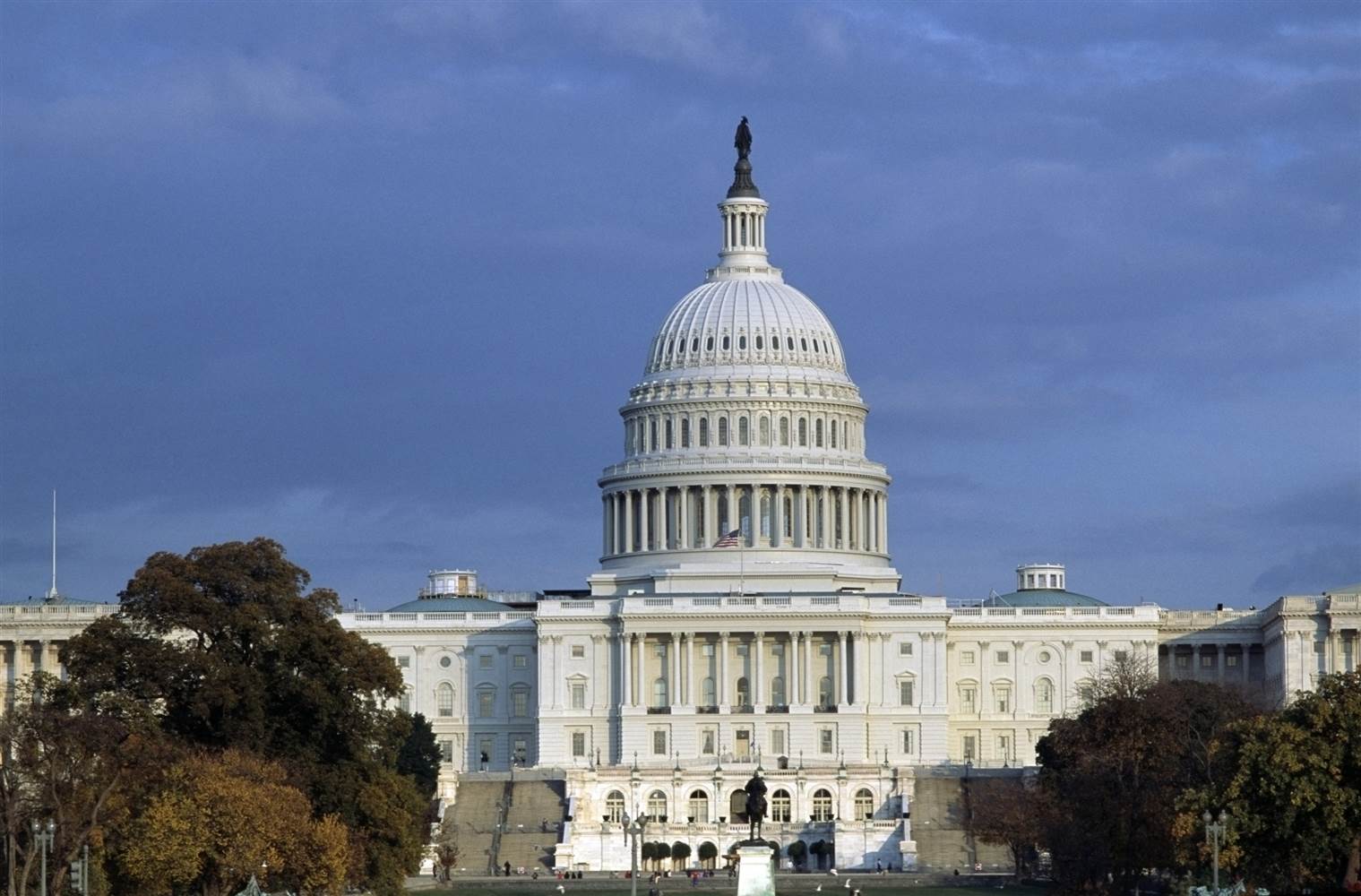
Which branch (or branches) of government existed under the Articles of Confederation?
Legislative (congress)
Judicial (Supreme court)
Executive (President)
Legislative, Executive, and Judicial
Under the Articles of Confederation, which level of government had the MOST power?
Legislative branch
the president
the state governments
national government
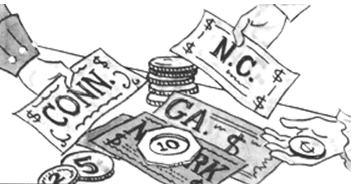
Which of the following is an example of a weakness in the Articles of Confederation?
national government couldn't collect taxes
Weak national government
national government could not regulate interstate and foreign commerce
All were weaknesses
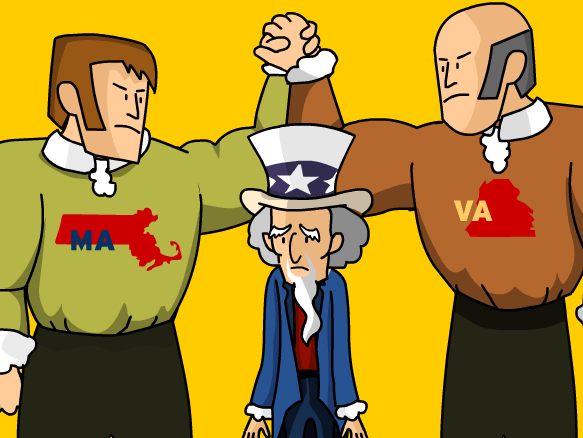
The Continental Congress under the Articles of Confederation set up the Northwest Ordinance to sell _______ to pay off the debt from the war, and organize the Ohio Valley into states.
crops
land
slaves
none of these
Shay's Rebellion started as a protest against
unfair taxes
the death penalty
no judicial system
debtors' prisons
Daniel Shays' rebellion showed that:
the government under the Articles of Confederation could keep control of its citizens
the government wasn't able to defend us or maintain law and order
the government needs to protect the citizens from Native American attacks
At the Constitutional Convention, when creating the legislative branch there were two proposed plans. Which plan wanted states to have more votes based on population?
Connecticut Plan
New Jersey Plan
Virginia Plan
3/5th's Plan
The Great Compromise accomplished which of the following?
Created a one house legislature
Postponed the conversation about slavery
Added the Bill of Rights
Created a two chambered legislature
In which chamber of Congress does each state have equal representation (2 seats per state)?
Senate
House of Representatives
General Assembly
House of Commons
What document replaced the Articles of Confederation and established a new national government?
The Declaration of Independence
The Federal Constitution,1787
The Magna Carta
The English Bill of Rights
Which compromise at the convention settles the issue of representation of the people and states in Congress?
Great Compromise
Commerce Compromise
What event led to the calling of the Constitutional Convention?
Government can't collect taxes
Shay's Rebellion
Revolutionary War
Boston tea party
Which state did not attend the Constitutional Convention because they likes the Articles of Confederation?
Georgia
Rhode Island
Massachusettes
New Hampshire
Which was NOT an influence on the American system of government?
Enlightenment political thought
Reformation
Ancient Greece and Roman systems of government
Renaissance political thought
British system of government
The Greeks were the first to practice democracy.
True
False
In Ancient Greece, _____ came up with the idea of democratic government. (why he's called the "father of democracy")
Pericles
Albinus
Ceasar
Cleisthenes
Renaissance philosopher who theorized about government and power; advocated authoritarianism- "it's better to be feared than loved."
Niccolo Machiavelli
Thomas Hobbes
John Locke
First to theorize about a "state of nature" to understand why governments are formed; preferred absolutism (wrote Leviathan)
Niccolo Machiavelli
Thomas Hobbes
John Locke
Wrote "Second Treatise of Government," in which he theorized that social contracts are organized by the people (popular sovereignty)to protect natural rights
Thomas Hobbes
Baron de Montesquieu
John Locke
In "The Social Contract," he theorized that as populations grew, resources become scarce, resulting in unequal distribution of wealth. He advocated for direct democracy to get back to equality and freedom in we had in a state of nature. We liked his idea about majority rule.
John Locke
Baron de Montesquieu
Jean Jacques Rousseau
Which is NOT a founding document of the British government?
Magna Carta
Habeas Corpus
Petititon of Right
English Bill of Rights
The ____ is the first time in modern history that a king's power was limited and the rights of the people were recognized, including: representation in government, due process, rule of law, jury trials, protection of property, and religious liberty.
US Constitution
Magna Carta
All of the following is NOT an American core value?
equal opportunity
fair treatment under the law
right of democratic particiption
authoritarian rule
individualism and free market economics
Which ideology: favors a strong, active government to ensure economic fairness and civil rights?
conservative
liberal
Which is NOT true about the Amendment process?
it resembles federalism
it resembles separation of power
2 methods of proposal: Congress or a (national) Congressional Convention called by states
2 methods of ratification: State legislatures or state conventions
Which is the correct order the of the first three articles of the Constitution?
Executive, Judicial, and Legislative Branches
Judicial, Legislative, and Executive Branches
Legislative, Executive and Judicial Branches
Which article of the Constitution ensures state to state cooperation?
Article IV (4)
Article V(5)
Article VII (7)
The ___ declares the Constitution is the supreme law of the land; and if a state law conflicts with a national law, national law prevails.
Article I
Article V
Article VI
10th Amendment
The Boston Tea Party was...(select all true answers)
a protest by the Sons of Liberty (Boston protest group)
a protest by the Loyalists
protesting a reduction of taxes on tea
a major gathering of politicians to write the Declaration of Independence
What are the "inalienable rights" that are included in the Declaration of Independence?
Life
Liberty
Pursuit of happiness
Pursuit of justice
According to the Declaration of Independence, what is the purpose of government?
to secure their inalienable rights
to help people respect one another
to keep other people in check
to create and fund public services
When is it okay to rebel against a government?
Whenever any form of government becomes destructive
It is not okay
Whenever the government makes all my decisions for me
Whenever the government is not doing what the people want
According to the Declaration, from what SOURCE does government get its power?
the consent of the governed
the king
the military
the rich elite
Who wrote the Declaration of Independence?
George Washington
Benjamin Franklin
Thomas Jefferson
John Adams
This was the first direct tax the King imposed on the colonists (to generate revenue, not just a tariff tax)?
The Stamp Act
The Tea Act
The King's Act
The Document Act
What reason did Parliament give for raising taxes in the colonies after 1763?
The colonists were ignoring the Proclamation Line
Colonists did not live in England but enjoyed English rights
Colonists should help pay for the costs of the French and Indian War
Colonists should be punished for protesting against taxes.
What were the reasons the colonists went to war against mother England?
violations of rights
unfair trade/economic restrictions
threats to local self-government
all of the above
The Proclamation of 1763 prohibited
colonists from moving into the Ohio Valley
trading with France

