
 Worksheets
Unit 2 Review Game
Total questions: 25
Worksheet time: 16mins
Name
Class
Date
1.
Most immigrants on the East Coast were processed where?
a)
Washington, D.C.
b)
Ellis Island
c)
Angel Island
d)
Baltimore
2.
In general, why did most people immigrate to the U.S. in the late 19th and early 20th Century?
a)
Escape difficult conditions
b)
A bETTER life
c)
religious persecution
d)
all of the above
3.
Which term is the name of a restriction on immigration passed by Congress?
a)
Melting Pot Act
b)
Nativism Act of 1902
c)
Chinese Exclusion Act
d)
None of the above
4.
All of the following are challenges immigrants face except
a)
clothing
b)
jobs
c)
language
d)
prejudice
5.
Immigrants had to pass a ___ inspection
a)
literature
b)
social studies
c)
health
d)
naturalization
6.
Unlike citizens, immigrants may not:
a)
Hold Jobs
b)
Vote
c)
Own property
d)
Attend public schools
7.
Why were people fearful of immigrants?
a)
they were afraid they would bring disease into the United States
b)
they were afraid they would steal jobs
c)
the feared they would destroy America's culture
d)
they were fearful that they would claim land that Americans desired
8.
Before the Industrial Revolution all products were created by
a)
Factories
b)
Hand
c)
Slaves
d)
Royalty
9.
This machine separated the seed from cotton fibers.
a)
Spinning Mule
b)
Spinning Jenny
c)
Steam Engine
d)
Cotton Gin
10.
What innovation increased the transportation of goods and people?
a)
Flying Shuttle
b)
Spinning Jenny
c)
Steam Engine
d)
Water Frame
11.
A place where people and machines join together to mass produce goods.
a)
School
b)
Corporation
c)
Factory
d)
Urbanization
12.
What product was first made using machines in factories?
a)
Steel
b)
textiles
c)
locomotives
d)
flying shuttles
13.
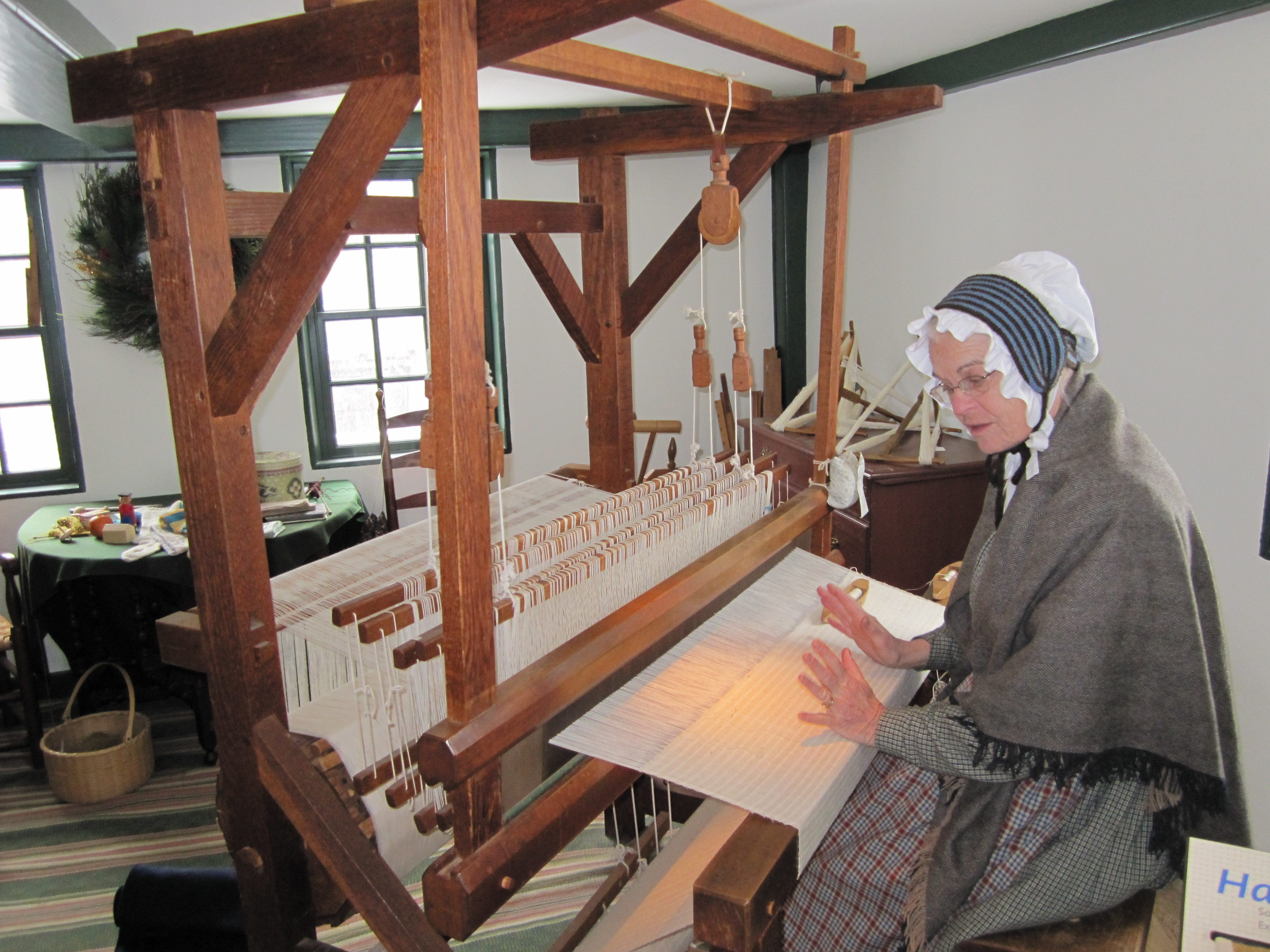
Any fabric that is woven (by machine or hand) is called -
a)
technology
b)
textile
c)
economy
d)
industrialization
14.
Which of the following was NOT associated with early factory working conditions?
a)
Low wages
b)
Widespread pollution
c)
Dangerous working conditions
d)
Safe working conditions
15.
What was the purpose of labor unions?
a)
Negotiate as a group for bigger factories
b)
Negotiate as a group for better working conditions
c)
Negotiate as a group for a political revolution
d)
Negotiate as a group for a social revolution
16.
When workers in a union refuse to work until conditions improve
a)
Urbanization
b)
Labor Union
c)
Factory System
d)
Strike
17.

Who invented the cotton gin?
a)
Eli Whitney
b)
Jim Morse
c)
James Watt
d)
the guy that delivers your pizza
18.

Why were railroads so important during this time?
a)
they moved goods more quickly and less expensively over greater distances
b)
they were fun to ride on to go visit family in other states
c)
people could ride on railroads to get to their jobs in another city
19.
The system in which the government owns and controls the means of production, such as mines and factories, is called?
a)
fascism
b)
socialism
c)
capitalism
d)
mercantilism
20.
What is the movement of people from rural to urban areas called?
a)
ruralization
b)
colonization
c)
inflation
d)
urbanization
21.
In which country did the Industrial Revolution begin?
a)
The United States
b)
England
c)
France
d)
Germany
22.
What was the purpose of labor unions?
a)
Negotiate as a group for bigger factories
b)
Negotiate as a group for better working conditions
c)
Negotiate as a group for a political revolution
d)
Negotiate as a group for a social revolution
23.
Which statement is true?
a)
Children were not allowed to work in the mines during the Industrial Revolution
b)
Work conditions were closely regulated
c)
There were no labor laws that prevented children from working
d)
Children were allowed to work but they were treated fairly.
24.
Robber barons are
a)
talented singers
b)
talented ambitious and often ruthless businessmen
c)
people who rob the rich and give to the poor
d)
Once again, I just don't know
25.
This man helped invent the first car and introduced the assembly line and the T-model car that everyone could afford.
a)
Andrew Carnegie
b)
John D. Rockefeller
c)
Henry Ford
d)
Bellamy
100 %

