
 Worksheets
water cycle
Total questions: 19
Worksheet time: 18mins
Name
Class
Date
1.
Which best explains why runoff is important?
a)
It returns water to other locations on Earth
b)
It increases the chance of flooding
c)
It makes evaporation occur faster
d)
It increases condensation
2.
Snow, sleet, hail, and rain are all examples of ________________.
a)
evaporation
b)
condensation
c)
accumulation
d)
precipitation
3.

What is it called when WATER is FORMED from an LIQUID to a WATER VAPOR Oor an [GAS]?
a)
EVAPORATION
b)
PRECIPITATION
c)
TRANSPIRATION
4.

What is it called when plants give off water vapor as a waste product?
a)
condensation
b)
evaporation
c)
sublimation
d)
transpiration
5.
When water _________, dew forms.
a)
Melts
b)
Evaporates
c)
Condenses
d)
Precipitates
6.

What is A?
a)
Evaporation
b)
Condensation
c)
Precipitation
d)
Runoff
7.

What is B?
a)
Evaporation
b)
Condensation
c)
Precipitation
d)
Runoff
8.
What is precipitation?
a)
The part of the water cycle when the sun heats up water, turning it from a liquid into water vapor or steam. It rises from the ground into the air.
b)
The part of the water cycle when the water vapor in the air gets cold. The water turns back into a liquid and forms clouds.
c)
The part of the water cycle when clouds get heavy and can no longer hold the liquid water. This causes the water to fall from the sky to the earth as rain, snow, sleet, or hail.
9.
What is condensation?
a)
The part of the water cycle when the sun heats up water, turning it from a liquid into water vapor or steam. It rises from the ground into the air.
b)
The part of the water cycle when the water vapor in the air gets cold. The water turns back into a liquid and forms clouds.
c)
The part of the water cycle when clouds get heavy and can no longer hold the liquid water. This causes the water to fall from the sky to the earth as rain, snow, sleet, or hail.
10.
What is evaporation?
a)
The part of the water cycle when the sun heats up water, turning it from a liquid into water vapor or steam. It rises from the ground into the air.
b)
The part of the water cycle when the water vapor in the air gets cold. The water turns back into a liquid and forms clouds.
c)
The part of the water cycle when clouds get heavy and can no longer hold the liquid water. This causes the water to fall from the sky to the earth as rain, snow, sleet, or hail.
11.

What is water that flows in rivers and streams into the oceans and lakes?
a)
evaporating
b)
condensing
c)
precipitating
d)
runoff
12.
On which kind of day would you expect the most evaporation from the surface of a pond?
a)
cold, rainy
b)
cold, sunny
c)
warm, rainy
d)
warm, sunny
13.
Which of the following causes all of the water on the planet to change its state (solid, liquid, gas) and move through the water cycle?
a)
amount of plant matter
b)
location of ice caps
c)
size of ocean
d)
temperature
14.
What is water vapor?
a)
Water on the land (geosphere)
b)
Water in the air (atmosphere)
c)
Water in plants
d)
Water in the water (hydrosphere)
15.
What cloud is found at ground level?
a)
Cirrus
b)
Stratus
c)
Culumlus
d)
Fog
16.

What is D?
a)
Evaporation
b)
Condensation
c)
Precipitation
d)
Runoff
17.
What percentage of Earth’s water is freshwater?
a)
75%
b)
3%
c)
1%
d)
97%
18.
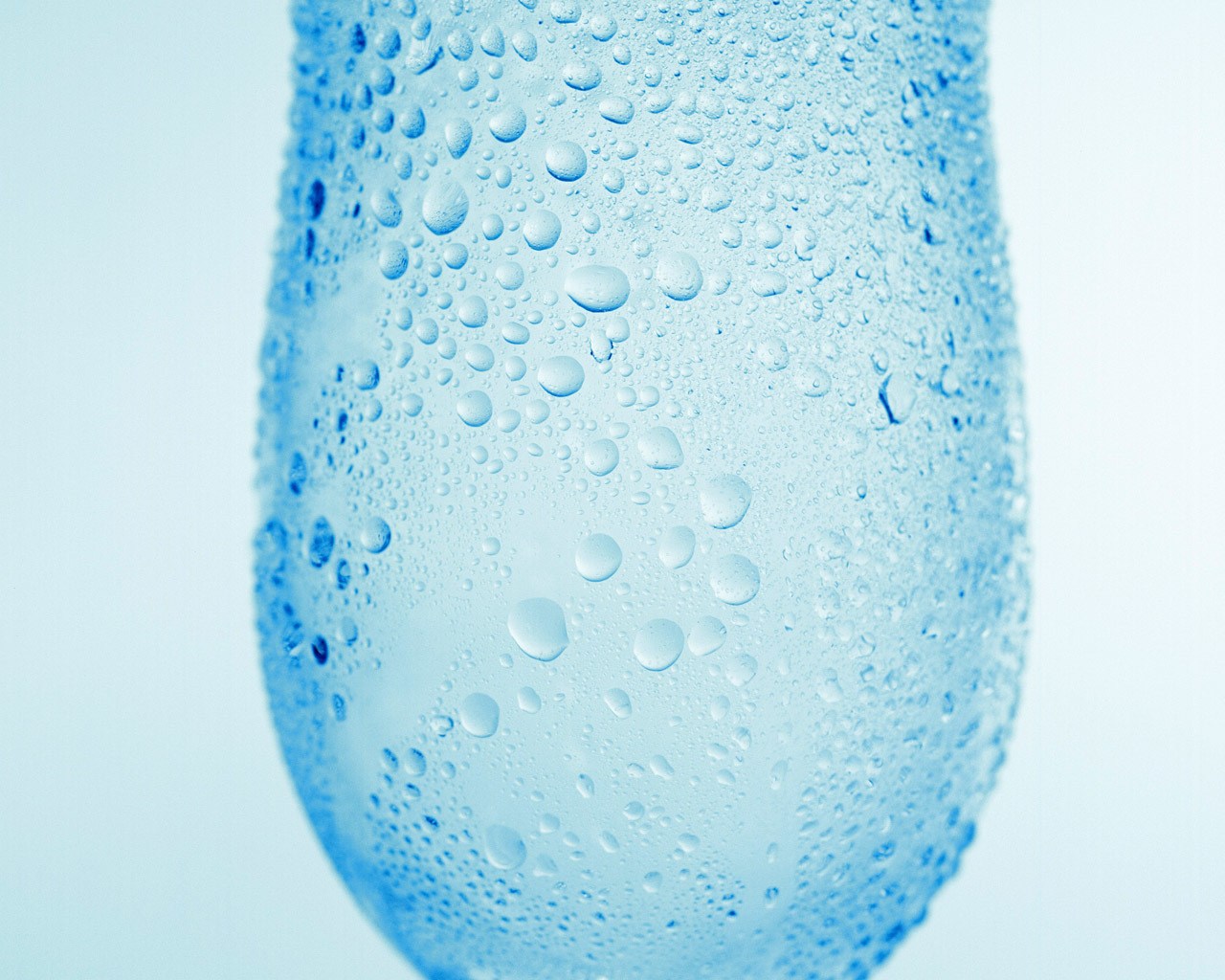
What is water vapor doing when it changes to water?
a)
evaporating
b)
condensing
c)
precipitating
d)
runoff
19.
Which of these is not an example of precipitation?
a)
rain
b)
clouds
c)
sleet
d)
snow
100 %

