
 Worksheets
Principles of Ecology
Total questions: 43
Worksheet time: 50mins
Name
Class
Date
1.
An organism that produces its own food supply from inorganic compounds is called a(an)
a)
heterotroph
b)
consumer
c)
detritivore
d)
autotroph
2.
What is the term for each step in the transfer of energy and matter within a biological community?
a)
energy path
b)
food web
c)
trophic level
d)
food pyramid
3.
Autotrophs make up the _______ level in all ecosystems.
a)
First
b)
Second
c)
Third
d)
Fourth
4.

What does a food web represent?
a)
All connections of energy flow throughout all organisms in a habitat.
b)
The specific ways that mutualism is carried out.
c)
A single pathway or energy flow between organisms.
d)
How carnivores get their food.
5.

The image provided is an example of a(n):
a)
Producer
b)
Autotroph
c)
Consumer
d)
Insect
6.
The amount of energy that usually transfers from one trophic level to the next...
a)
10%
b)
20%
c)
80%
d)
50%
7.
Which of the following would be the definition of a detritivore?
a)
Animals that eat insects.
b)
Organisms that feed on rocks, recycling the nutrients back into the ground.
c)
Organisms that eat only pants
d)
Things that feed on dead organisms, recycling the nutrients back into the ground.
8.
Water temperature would be an example of ...
a)
A biotic factor
b)
An abiotic factor
9.
A collection of organisms that belong to different populations but all live in the same area and interact with one another.
a)
Population
b)
Ecosystem
c)
Community
d)
Ecosphere
10.
A place where an organism lives.
a)
Terrain
b)
Habitat
c)
Community
d)
Population
11.
A collection of organisms that make up a community as well as all of the nonliving aspects of the environment.
a)
Population
b)
Community
c)
Habitat
d)
Ecosystem
12.
Organisms that can capture energy from inorganic, nonliving sources.
a)
Producers
b)
Consumers
c)
Detritivores
d)
Carnivores
13.
Organisms that feed on both living producers and other consumers.
a)
Carnivores
b)
Omnivores
c)
Herbivores
d)
Detritivores
14.
The general name for organisms like animals and fungi that get their energy from eating other organisms.
a)
Producers
b)
Consumers
c)
Detritivores
d)
Carnivores
15.
An organism at the second trophic level would be considered a...
a)
Top carnivore
b)
Producer
c)
Herbivore
d)
Carnivore
16.
A graphic illustration that shows each trophic level and the amount of useable energy contained within.
a)
Food chain
b)
Food web
c)
Energy Pyramid
d)
All of these
17.
True or False: It is possible for a carnivore to be a producer.
a)
False
b)
True
18.

An individual belonging to a specific species
a)
Biotic
b)
Community
c)
Organism
d)
Reptile
19.

All of the living and nonliving things in an area that interact with each other are called a/an ______.
a)
community
b)
habitat
c)
population
d)
ecosystem
20.

Organisms that look similar and can produce fertile offspring
a)
Species
b)
Fish
c)
Community
d)
Trees
21.

The area between the highest mountain and the deepest ocean where life can be found
a)
Biosphere
b)
Biome
c)
Farm
d)
Ecosystem
22.
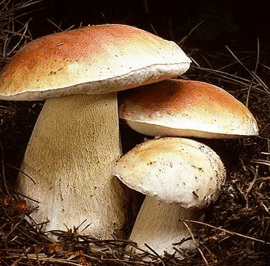
An organism that gets energy from breaking down dead organisms, non-living material or waste
a)
producer
b)
consumer
c)
decomposer
d)
autotroph
23.
A secondary consumer
a)
eats primary consumers
b)
eats producers
c)
eats plants
24.
Which of the following illustrates the correct ordering of trophic levels?
a)
decomposers-carnivores-autotrophs-herbivores
b)
herbivores-autotrophs-carnivores-decomposers
c)
producers-herbivores-carnivores-decomposers
d)
carnivores-producers-omnivores
25.
Another name for a consumer is a
a)
heterotroph
b)
autotroph
c)
producer
d)
plant
26.
Another name for a producer is an
a)
heterotroph
b)
autotroph
c)
herbivore
d)
carnivore
27.

Which organism receives the least amount of energy from the producer?
a)
The squirrel
b)
The shrew
c)
The deer
d)
The rabbit
28.

What does a food web represent?
a)
All connections of energy flow throughout all organisms in a ecosystem.
b)
The specific ways that mutualism is carried out.
c)
A single pathway or energy flow between organisms.
d)
How carnivores get their food.
29.

In the food web shown, which is the tertiary consumer?
a)
large lizard
b)
snake
c)
scorpion
d)
desert fox
30.
Select the BEST answer: The arrow in a food chain points in the direction of
a)
the organism that is eating
b)
the organism that is eaten
c)
the producer
d)
towards the primary consumer
31.

What is a niche?
a)
the place where a species lives
b)
what a species eats
c)
the role of a species
d)
how a species uses resources
32.

_______ is the study of relationships among living and nonliving parts of an environment.
a)
Ecosystem
b)
Niche
c)
Habitat
d)
Ecology
33.

A diagram that shows one path of energy through an ecosystem is called...
a)
food web
b)
food chain
c)
food net
d)
food bubble
34.
population that is at risk of extinction
a)
endangered species
b)
threatened species
c)
extinct species
d)
keystone species
35.

A food chain is illustrated below:
The squiggly arrows represented most likely indicate
The squiggly arrows represented most likely indicate
a)
A. Energy released from metabolism into the environment as heat.
b)
B. Oxygen released from metabolism produced by cellular respiration.
c)
C. The absorption of energy from the environment that has been created.
d)
D. The transport of glucose away from the organism through photosynthesis.
36.

A pond ecosystem is shown in the diagram below. Which statement describes an interaction that helps maintain the dynamic equilibrium of this ecosystem?
Which statement describes an interaction that helps maintain the dynamic equilibrium of this ecosystem?
Which statement describes an interaction that helps maintain the dynamic equilibrium of this ecosystem?
a)
The frogs make energy available to this ecosystem through the process of photosynthesis.
b)
The algae directly provide food for both the rotifers and the catfish.
c)
The green-backed heron provides energy for the mosquito larvae.
d)
The catfish population helps control the populations of water boatman and waterfleas.
37.

The diagram below shows the cycling of nutrients in an ecosystem.
The removal of which of the following groups would cause an immediate decrease in the amount of energy flowing through the system?
The removal of which of the following groups would cause an immediate decrease in the amount of energy flowing through the system?
a)
Producers
b)
Consumers
c)
Decomposers
d)
Inorganic nutrients
38.
Which of the following is the correct equation for PHOTOSYNTHESIS?
a)
CO2 + light + H2O --> O2 + Sugar
b)
CO2 + sugar + H2O --> O2 + light
c)
O2 + light + H2O --> CO2 + Sugar
d)
CO2 + O2 + H2O --> Light+ Sugar
39.
Plants need ________ for photosynthesis
a)
oxygen
b)
soil
c)
carbon dioxide
d)
sugar
40.

What is the law that states that energy cannot be created or destroyed only transform form one energy to another?
a)
Law of Conservation of Energy
b)
Law of Gravity
c)
Law of Inertia
d)
None of these
41.
__________ primary productivity is the total amount of energy that producers convert to chemical energy in organic molecules per unit of time.
a)
Net
b)
Total
c)
Gross
d)
None of the above
42.
__________productivity = the organic materials that remain after photosynthetic organisms in the ecosystem have used some of these compounds for their cellular energy needs (cellular respiration).
a)
Gross
b)
Primary
c)
Net
d)
Secondary
43.
Which term defines the amount of biomass that remains after primary producers use some to carry out respiration?
a)
photosynthetic mass
b)
gross production
c)
net primary production
d)
gross primary production
100 %

