
Font size
S
M
L
XL
 Worksheets
7th Period Physical/Chemical Change
Total questions: 200
Worksheet time: 3hrs 50mins
Name
Class
Date
1.
Which of the following is an example of a chemical change?
a)
Iodine is added to corn starch and a color change occured
b)
Water boils to form a gas
c)
You mix sugar and salt together
d)
You dissolve sugar in water
2.
Which of the following statements show a chemical change might have occurred?
a)
Changes state
b)
A gas given off
c)
Change in mass
d)
Change in volume
3.
Which is an example of a chemical change?
a)
mixing oil and water
b)
Freeze water
c)
Smash a pumpkin
d)
Rust forms
4.
A gas is given off when boiling water and when burning wood, why is burning wood a chemical change and boiling water not a chemical change
a)
Burning wood produces a new substance but water does not
b)
Burning wood makes faster molecules than boiling water
c)
Burning wood produces a chemical and water is not
d)
Boiling water is an element and burning wood is a compound
5.
Which of the following is an example of a physical change?
a)
Cleaning a penny with vinegar and salt
b)
cutting a piece of wood in half
c)
Burning a piece of paper
d)
combining phenol red and baking soda
6.
Which of the following is an example of a chemical change?
a)
Cutting a piece of wood in half
b)
Melting butter
c)
Digesting food
d)
Freezing water
7.
Which of the following is the product of a chemical change?
a)
Smoke from a fire
b)
Ice
c)
sawdust
d)
sugar water
8.
What statement below lists the different ways we know a chemical change has taken place?
a)
change in state, odor, gas, precipitate
b)
volume change, odor, gas, heat difference
c)
mass change, odor, gas, heat difference
d)
Gas, odor, heat difference, color change, precipitate
9.
Which of the following statements describe a physical change
a)
precipitate, color change, heat change
b)
gas, odor, heat change
c)
change in mass, change in volume, change in state
d)
gas, color change, heat change
10.
what is the definition of chemical change?
a)
any change that results in the formation of new chemical substances.
b)
changing clothes
c)
matter cannot be created or destroyed, only change form
d)
changes affecting the form of a chemical substance, but not its chemical composition.
11.
what is the definition of physical change?
a)
any change that results in the formation of new chemical substances.
b)
rusting
c)
changes affecting the form of a chemical substance, but not its chemical composition.
d)
any property that is measurable, whose value describes a state of a physical system
12.
what is burning?
a)
physical change
b)
physical property
c)
chemical change
d)
chemical property
13.
which one is a physical change?
a)
evaporation
b)
energy
c)
sublimation
d)
evaporation and sublimation
14.
what is condensing?
a)
physical property
b)
chemical property
c)
chemical change
d)
physical change
15.
what is digestion?
a)
body function
b)
chemical change
c)
physical change
16.
One cup of water is left outside for two days when it was checked there was only half a cup left. What happened?
a)
evaporation; chemical change
b)
condensation; physical change
c)
evaporation; physical change
d)
condensation; chemical change
17.
what happens when water freezes?
a)
ice is formed; chemical property
b)
cold water is formed; physical change
c)
ice is formed; physical change
d)
cold water is formed; chemical change
18.
melting is a chemical change
a)
true
b)
false
19.
Which of the following is NOT an example of a physical change?
a)
crumpled paper
b)
pencil sharpening
c)
shrunken clothing
d)
sour milk
20.
Kim puts an ice cube in a beaker and it melts. This is a good example of:
a)
a physical change.
b)
a chemical change.
c)
an experiment.
d)
an analysis.
21.

Photosynthesis is an example of a
a)
physical change
b)
chemical change
22.
When you break a cracker into pieces it is a
a)
Chemical change
b)
Physical change
c)
Chemical Weathering
d)
Physical Weathering
23.
Is glass breaking a chemical or phyiscal change?
a)
chemical
b)
physical
24.
Is hammering wood together to build a house a chemical or physical change?
a)
chemical
b)
physical
25.
Salt dissolves in water
a)
Physical change
b)
Chemical change
26.
Hydrochloric acid reacts with magnesium to produce hydrogen gas
a)
Physical change
b)
Chemical change
27.
A piece of copper is cut in half
a)
physical change
b)
chemical change
28.
a sugar cube is ground up
a)
physical change
b)
chemical change
29.
iron rusts.
a)
physical change
b)
chemical change
30.
ethyl alcohol evaporates
a)
physical change
b)
chemical change
31.
milk sours (goes bad)
a)
physical change
b)
chemical change
32.
sugar dissolves in water
a)
physical change
b)
chemical change
33.
sodium and potassium react violently with water
a)
physical change
b)
chemical change
34.
grass grows on a lawn
a)
physical change
b)
chemical change
35.
ethyl alcohol boils at 79 degrees celsius
a)
physical change
b)
chemical change
36.
water freezes at 0 degrees celsius
a)
physical change
b)
chemical change
37.
fireworks explode
a)
physical change
b)
chemical change
38.
alka-seltzer gives off carbon dioxide when added to water
a)
physical change
b)
chemical change
39.
clouds form in the sky
a)
physical change
b)
chemical change
40.
What will weigh more when a chemical change is complete? The reactants before the chemical reaction, or the product after the reaction is complete?
a)
They both will weigh the same
b)
The product always weighs more than the reactant
c)
The reactant will weigh more than the product
d)
They both will loose mass after the reaction
41.
What is the Law of Conservation of mass?
a)
Mass is created in a chemical reaction
b)
Mass is created in a physical change
c)
New chemicals formed from a chemical reaction have a larger overall mass than the original reactants
d)
Mass is never created or destroyed
42.
Since gasses weigh nothing, when they are produced in a reaction they do not have to be accounted for.
a)
True
b)
False
43.
Measure of the amount of matter
a)
mass
b)
volume
c)
weight
d)
density
44.
A precipitate is a
a)
liquid that forms when two solids are reacted
b)
a solid that forms when two liquids are mixed
c)
a gas that forms when vinegar and baking soda react
d)
a change of color in a solution
45.
If reaction starts with 20g of reactants it should produce
a)
a total of 40g of products
b)
a total of 10g of products
c)
a total of 80 g of products
d)
a total of 20g of products
46.
Which of the following describes the law of conservation of mass?
a)
In a reaction, atoms are created or destroyed.
b)
In a reaction, atoms are not lost or made.
c)
In a reaction, the mass of the product may be more or less than the reactants.
d)
In a reaction, mass never stays the same.
47.
What will weigh more when a chemical change is complete? The reactants before the chemical reaction, or the product after the reaction is complete?
a)
They both will weigh the same
b)
The product always weighs more than the reactant
c)
The reactant will weigh more than the product
d)
They both will loose mass after the reaction
48.
Matter can not be created nor destroyed: it can only be
a)
Destroyed a little bit
b)
Invisible
c)
Transformed, changed
d)
None of the above
49.
Is melting butter for popcorn a chemical or physical change?
a)
chemical
b)
physical
50.
A solid piece of chocolate is melted and changed to liquid form. Which property of the piece of chocolate will remain the same?
a)
Texture
b)
Temperature
c)
Shape
d)
Mass
51.
Which of the following is NOT an example of a physical change?
a)
crumpled paper
b)
pencil sharpening
c)
shrunken clothing
d)
rust
52.
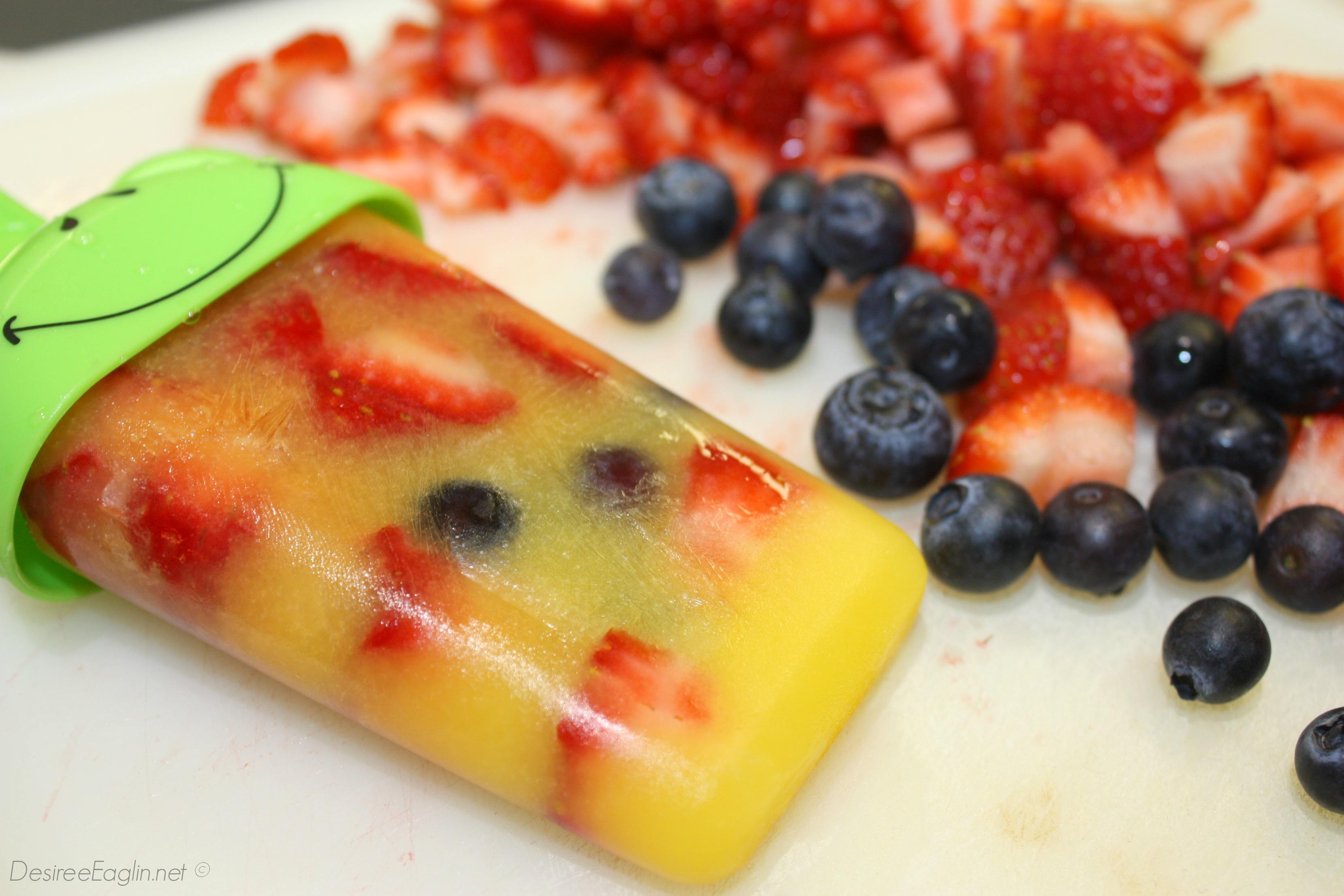
Freezing Juice?
a)
Physical Change
b)
Chemical Change
53.
Change in color is a physical change.
a)
True
b)
False
54.
A change where one or more new substances are created.
a)
Physical Change
b)
Chemical Change
55.
Change in density is a physical change.
a)
True
b)
False
56.
Fizzing, foaming, and burning are all examples of
a)
Chemical change
b)
Physical change
57.
Ms. Ferguson added 6 g of liquid wax to a cup that weighed 12 g. What is the weight of the cup after the wax solidifies?
a)
6 g
b)
18 g
c)
12 g
d)
24 g
58.
A mixture is the result of a physical change because...
a)
The parts can be separated
b)
A new substance is made
c)
There is a chemical reaction
d)
One part of the mixture disappears
59.
Which of these does NOT happen during a chemical change?
a)
Atomic bonds are formed or break apart
b)
New substance(s) are formed with different chemical properties
c)
The number of atoms in the reaction stays the same
d)
The chemical properties of the beginning substance(s) are the same as those of the end product(s)
60.
Which of these is a result of a physical change?
a)
A new odor
b)
A new gas
c)
A new chemical substance
d)
A solution
61.
Which best describes a mixture?
a)
atoms combined into molecules
b)
substances in the liquid state
c)
a blend of two or more substances
d)
elements with chemical bonds between them
62.
FRYING AN EGG is an example of a:
a)
Chemical change
b)
Physical change
63.
SLICING PIZZA is an example of a:
a)
Chemical change
b)
Physical change
64.
A change to the state of matter WITHOUT creating a new substance is evidence of a:
a)
Chemical Change
b)
Physical Change
65.
LIGHT BEING RELEASED is evidence of a:
a)
Chemical Change
b)
Physical Change
66.
CREATION OF A NEW SUBSTANCE is evidence of a:
a)
Chemical Change
b)
Physical Change
67.
BREAKING SOMETHING is an example of a:
a)
Chemical change
b)
Physical change
68.
SIZE CHANGE is evidence of a:
a)
Chemical Change
b)
Physical Change
69.
STATE OF MATTER CHANGE is evidence of a:
a)
Chemical Change
b)
Physical Change
70.
BOILING SOMETHING is an example of a:
a)
Chemical change
b)
Physical change
71.
A NAIL RUSTING is an example of a:
a)
Chemical change
b)
Physical change
72.
CUTTING SOMETHING is an example of a:
a)
Chemical change
b)
Physical change
73.
AN UNUSUAL SMELL is evidence of a:
a)
Chemical Change
b)
Physical Change
74.
FIREWORKS EXPLODING is an example of a:
a)
Chemical change
b)
Physical change
75.
FRUIT TURNING BROWN is an example of a:
a)
Chemical change
b)
Physical change
76.
WOOD BURNING is an example of a:
a)
Chemical change
b)
Physical change
77.
BENDING SOMETHING is an example of a:
a)
Chemical change
b)
Physical change
78.
GAS BEING RELEASED (bubbles) is evidence of a:
a)
Chemical Change
b)
Physical Change
79.
SHAPE CHANGE is evidence of a:
a)
Chemical Change
b)
Physical Change
80.
LIGHTING A MATCH is an example of a:
a)
Chemical change
b)
Physical change
81.
TEARING SOMETHING is an example of a:
a)
Chemical change
b)
Physical change
82.
BAKING A CAKE is an example of a:
a)
Chemical change
b)
Physical change
83.
FREEZING SOMETHING is an example of a:
a)
Chemical change
b)
Physical change
84.
SHARPENING A PENCIL is an example of a:
a)
Chemical change
b)
Physical change
85.
EGGS ROTTING is an example of a:
a)
Chemical change
b)
Physical change
86.
When there is a CHEMICAL CHANGE, the process:
a)
CAN BE reversed
b)
CANNOT be reversed
87.
Ken noticed that water droplets had formed on the outside of his glass of iced tea. Which of the following best describes the process of water droplets forming?
a)
The droplets have gone through a chemical change.
b)
The droplets have gone through a physical change.
c)
The droplets have formed new atoms.
d)
The droplets have changed their structures.
88.
Which of the following is the best evidence that butter has gone through a chemical change?
a)
The butter spreads easily on toast.
b)
The butter melts into liquid.
c)
The butter smells like it is spoiled.
d)
The butter was mixed with cookie dough.
89.
Which of the following are the smallest units that make up soil?
a)
pebbles
b)
atoms
c)
dirt
d)
minerals
90.
Which question should one ask when trying to decide if a sample is a compound?
a)
Does the sample contain atoms?
b)
What color is the sample?
c)
Are different elements bonded together?
d)
How much does the sample weigh?
91.
Which of the following is the best example of a physical change?
a)
burning natural gas
b)
cooking meat
c)
dissolving sugar
d)
microwaving potatoes
92.
Which involves a chemical change?
a)
an orange falling from a tree
b)
a banana ripening on the counter
c)
a watermelon being sliced with a knife
d)
an apple being chilled in the refrigerator
93.
Which best describes the process of an ice cube melting?
a)
The ice becomes molecules.
b)
The ice changes into an element
c)
The ice goes through a physical change.
d)
The ice replaces some of the atoms in its molecules.
94.
Which of the following best describes water?
a)
mixture
b)
atom
c)
compound
d)
element
95.
Which of the following best describes a compound?
a)
substances that are either a solid, liquid, or gas
b)
substances that are broken down by physical forces
c)
substances that dissolve in water and other liquids
d)
substances that have two or more elements bonded together
96.

The diagram below shows changes happening to water in a specially shaped bottle.
What changes did the water undergo?
What changes did the water undergo?
a)
melting and then freezing
b)
freezing and then evaporation
c)
condensation and then melting
d)
evaporation and then condensation
97.

A group of students investigated physical and chemical changes using paper. The students recorded their observations in a table.
Which student correctly recorded all the changes that took place?
Which student correctly recorded all the changes that took place?
a)
Student 1
b)
Student 2
c)
Student 3
d)
Student 4
98.

Photosynthesis is an example of a
a)
physical change
b)
chemical change
99.

Green bananas turning yellow on their own as they ripen.
a)
Chemical Change
b)
Physical Change
100.
One cup of water is left outside for two days when it was checked there was only half a cup left. What happened?
a)
evaporation; chemical change
b)
condensation; physical change
c)
evaporation; physical change
d)
condensation; chemical change
101.
What is an example of a Chemical change?
a)
Ripped paper
b)
boiled egg
c)
cracked egg
d)
sugar in water
102.
Which is a physical change?
a)
burning match
b)
vinegar in baking soda
c)
melting butter
d)
cooking an egg
103.
Which is a Chemical property?
a)
Thermal Conductivity
b)
Density
c)
Malleability
d)
Flammability
104.
Liv lit a match and said it was a physical change. Is she correct?
a)
Yes
b)
No
c)
I dunno...
d)
...
105.
Jayden asked Gabe what she could do to an egg for a chemical change. Gabe answered correctly and said...
a)
You can drop the egg.
b)
You can cook the egg.
c)
You can crack the egg.
d)
You can paint the egg.
106.
Which of the following is a chemical property of water?
a)
Reacts with pure sodium.
b)
Boils at 100 oC.
c)
Dissolves sugar easily.
d)
Has a density of 1 gm/mL
107.
What kind of properties can only be observed when a substance changes into a different substance?
a)
physical properties
b)
chemical properties
c)
liquid properties
d)
real properties
108.

Is being able to melt physical or chemical
a)
physical
b)
chemical
c)
duck
ductile
ductile
d)
malleable
109.

Is making a cake physical or chemical
a)
physical
b)
chemical
c)
ducktile
d)
maluable
110.

Is burning wood a chemical or physical change?
a)
chemical
b)
physical
111.
Is melting butter for popcorn a chemical or physical change?
a)
chemical
b)
physical
112.
A change in the size, shape, or state of matter.
a)
chemical change
b)
physical change
c)
chemical reaction
d)
electron change
113.
Which of the following is NOT an example of a physical change?
a)
crumpled paper
b)
pencil sharpening
c)
shrunken clothing
d)
sour milk
114.
Kim puts an ice cube in a beaker and it melts. This is a good example of:
a)
a physical change.
b)
a chemical change.
c)
an experiment.
d)
an analysis.
115.

Photosynthesis is an example of a
a)
physical change
b)
chemical change
116.
When you break a cracker into pieces it is a
a)
Chemical change
b)
Physical change
c)
Chemical Weathering
d)
Physical Weathering
117.
Which of the following does the discoloration of a coin describe?
a)
Chemical Change
b)
Physical Change
c)
None of the above
d)
Both
118.
Which is a chemical change?
a)
freezing fruit juice
b)
slicing a potato
c)
boiling water
d)
copper metal turning green
119.
Which of the following is NOT a physical property?
a)
breaking a window
b)
color
c)
denisty
d)
freezing point
120.
Is "mold growing on cheese" a chemical or physical change?
a)
Chemical change
b)
Physical change
121.
Is "sugar dissolves in water" a chemical or physical change?
a)
Chemical change
b)
Physical change
122.
Changing the Shape, State, or Size of an object is a...
a)
Physical Change
b)
Chemical Change
c)
Chemical Property
123.

Melting an ice cube
a)
Chemical Change
b)
Physical Change
124.

An instant ice pack getting cold when the chemicals are able to touch.
a)
Chemical Change
b)
Physical Change
125.

The smell your dog makes after eating to much people food.
a)
Chemical Change
b)
Physical Change
126.
Is making salt water to gargle with a physical or chemical change?
a)
physical
b)
chemical
127.

a copper penny turning greenish after a few years.
a)
Chemical Change
b)
Physical Change
128.
Is a a rusting bicycle a chemical or physical change?
a)
chemcial
b)
physical
129.

Is copper tarnishing a physical or chemical change?
a)
Physical
b)
Chemical
130.
Can matter be created or destroyed?
a)
Yes, it can be created.
b)
Yes, it can be destroyed.
c)
No, matter is always conserved
d)
None of these
131.
The mass after a physical change, such as ice melting into water, stays the same
a)
True
b)
False
132.
What will weigh more when a chemical change is complete? The reactants before the chemical reaction, or the product after the reaction is complete?
a)
They both will weigh the same
b)
The product always weighs more than the reactant
c)
The reactant will weigh more than the product
d)
They both will loose mass after the reaction
133.
What is the Law of Conservation of mass?
a)
Mass is created in a chemical reaction
b)
Mass is created in a physical change
c)
New chemicals formed from a chemical reaction have a larger overall mass than the original reactants
d)
Mass is never created or destroyed
134.
Since gasses weigh nothing, when they are produced in a reaction they do not have to be accounted for.
a)
True
b)
False
135.
Measure of the amount of matter
a)
mass
b)
volume
c)
weight
d)
density
136.
If four hydrogen atoms react with two hydrogen atoms, how many atoms will be in the product?
a)
6
b)
4
c)
8
d)
2
137.
What is the Law of Conservation of mass?
a)
Mass is created in a chemical reaction
b)
Mass is created in a physical change
c)
New chemicals formed from a chemical reaction have a larger overall mass than the original reactants
d)
Mass is never created or destroyed
138.
Suppose a reaction were to happen in an open container in a lab. During the reaction, the scientist observes the chemicals bubble, and produce a gas. During the analysis the scientist notices that the reactants weighed 20 g when he started, and the product weighed 18 g. Explain what happened.
a)
His chemical reaction defied the law of conservation of mass
b)
The product destroyed mass during the reaction
c)
The reactants created matter during the reaction
d)
The gas that was produced was not able to be weighed since the container was open.
139.
Evidence of a chemical change does NOT include:
a)
New substances
b)
Heat produced
c)
Phase change
d)
Light produced
140.
States that Matter cannot be created or destroyed
a)
The Law of Conservation of Atoms
b)
The Law of Conservation of Mass
c)
The theory of Evolution
d)
The Law of Gravity
141.
Which of these is NOT a chemical reaction?
a)
Two liquids mix to give a new color
b)
Two gases react to make a liquid
c)
A liquid and a solid mix to make a gas
d)
Melting an aluminum can
142.
Which are chemical changes
a)
Iron rusting
b)
Glass breaking
c)
Clothing ripping
d)
Hair cut
143.
Can matter be created or destroyed?
a)
Yes, it can be created.
b)
Yes, it can be destroyed.
c)
No, matter is always conserved
d)
None of these
144.
The total amount of matter (atoms) before and after a chemical reaction (change), remains the same.
a)
True
b)
False
145.
Suppose a reaction were to happen in an open container in a lab. During the reaction, the scientist observes the chemicals bubble, and produce a gas. During the analysis the scientist notices that the reactants weighed 20 g when he started, and the product weighed 18 g. Explain what happened.
a)
His chemical reaction defied the law of conservation of mass
b)
The product destroyed mass during the reaction
c)
The reactants created matter during the reaction
d)
The gas that was produced was not able to be weighed since the container was open.
146.
How is a physical change different from a chemical change?
a)
There is absolutely no difference
b)
Chemical changes produce a new substance, physical changes stay the same substance
c)
Chemical changes create and destroy matter, physical changes don't
d)
Physical changes create and destroy matter, chemical changes dont
147.
10 g of a solid chemical reacts with a 10 g of a liquid chemical, the reaction bubbles and changes the color of the liquid. The colored liquid weighs 13 g, what can be concluded?
a)
The gas produced from the bubbles weighed 5 g
b)
The bubbles were evidence of 7 g of matter being destroyed
c)
The gas produced weighed 7 g
d)
The gas produced weighed 13 g
148.
If reaction starts with 20g of reactants it should produce
a)
a total of 40g of products
b)
a total of 10g of products
c)
a total of 80 g of products
d)
a total of 20g of products
149.
Mrs. Roth's tea cup and hot tea weigh 100 grams. She stirs in 10 grams of sugar. How much is the total amount of matter in Mrs. Roth's tea cup and tea now?
a)
100 grams
b)
110 grams
c)
90 grams
150.
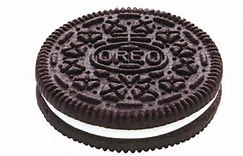
An oreo cookie weighs 20 grams. It gets crushed into crumbs for a recipe. How much do its crumbs weigh?
a)
15 grams
b)
25 grams
c)
20 grams
151.

How much does a 5 gram Hershey's kiss weigh after it is melted in the microwave?
a)
5 grams
b)
3 grams
c)
7 grams
152.
Matter can under go two types of changes:
a)
happy and sad
b)
physical and chemical
c)
exploding and folding
153.
True or false. Law of conservation of mass means that the number of atoms of the products is more than the number of atoms in the reactants.
a)
True
b)
False
154.
The total amount of matter (atoms) before and after a chemical reaction (change), remains the same.
a)
True
b)
False
155.
Evidence of a chemical reaction include:
a)
Phase change
b)
No new substance
c)
Bubbles forming
d)
Shape change
156.

1. Sugar dissolves in warm water
a)
Physical change
b)
Chemical Change
157.
6. Iron and sulfur are heated and form a non-magnetic shiny grey substance.
a)
Physical Change
b)
Chemical Change
158.
Which is a Chemical property?
a)
Thermal Conductivity
b)
Density
c)
Malleability
d)
Flammability
159.
Which of the following is a chemical property of water?
a)
Reacts with pure sodium.
b)
Boils at 100 oC.
c)
Dissolves sugar easily.
d)
Has a density of 1 gm/mL
160.
what is the definition of chemical change?
a)
any change that results in the formation of new chemical substances.
b)
changing clothes
c)
matter cannot be created or destroyed, only change form
d)
changes affecting the form of a chemical substance, but not its chemical composition.
161.
which one is a physical change?
a)
evaporation
b)
energy
c)
sublimation
d)
evaporation and sublimation
162.
which one is a chemical property?
a)
odor
b)
combustibility
c)
solubility
d)
all of the above
163.
which one is a chemical change?
a)
density
b)
color
c)
respiration
164.
One cup of water is left outside for two days when it was checked there was only half a cup left. What happened?
a)
evaporation; chemical change
b)
condensation; physical change
c)
evaporation; physical change
d)
condensation; chemical change
165.
what stays the same when there is a physical change?
a)
density
b)
volume
c)
neither
166.
Which of the following is NOT an example of a physical change?
a)
crumpled paper
b)
pencil sharpening
c)
shrunken clothing
d)
sour milk
167.
Liv lit a match and said it was a physical change. Is she correct?
a)
Yes
b)
No
c)
I dunno...
d)
...
168.
Which of the following is a chemical property of water?
a)
Reacts with pure sodium.
b)
Boils at 100 oC.
c)
Dissolves sugar easily.
d)
Has a density of 1 gm/mL
169.
Which of the following is NOT a physical property?
a)
breaking a window
b)
color
c)
denisty
d)
freezing point
170.
Which is a chemical change?
a)
freezing fruit juice
b)
slicing a potato
c)
boiling water
d)
copper metal turning green
171.
Which of the following does the discoloration of a coin describe?
a)
Chemical Change
b)
Physical Change
c)
None of the above
d)
Both
172.
Is corroding metal a chemical or physical change?
a)
physical
b)
chemical
173.
Is bleaching your hair a physical or chemical change?
a)
physical
b)
chemical
174.
Is making salt water to gargle with a physical or chemical change?
a)
physical
b)
chemical
175.
Is cream being whipped a physical or chemical change?
a)
physical
b)
chemical
176.

Using dye to change the color of a shirt green.
a)
Chemical Change
b)
Physical Change
177.

Baking a cake by mixing flour, sugar, chocolate powder, eggs, and milk, and then heating them in the oven.
a)
Chemical Change
b)
Physical Change
178.

An gel ice pack getting cold after you put it in the freezer for an hour.
a)
Chemical Change
b)
Physical Change
179.
Which of the following IS a physical change?
a)
Getting a haircut
b)
Rusty metal
c)
sour milk
d)
A compound
180.
A change in the size, shape, or state of matter.
a)
chemical change
b)
physical change
c)
chemical reaction
d)
electron change
181.
In chemical reactions, the law of conservation of mass is......
a)
disobeyed
b)
not true
c)
obeyed
d)
used sometime
182.
An instant ice pack getting cold when the chemicals are able to touch.
a)
Chemical Change
b)
Physical Change
183.
saliva
a)
physical
b)
chemical
184.
Ky’Mireon stirs 8 g of pineapple juice mix into 200 g of ice water. What is the mass of the new solution?
a)
192
b)
200
c)
208
d)
300
185.
Which of these does NOT happen during a chemical change?
a)
Atomic bonds are formed or break apart
b)
New substance(s) are formed with different chemical properties
c)
The number of atoms in the reaction stays the same
d)
The chemical properties of the beginning substance(s) are the same as those of the end product(s)
186.
Which of the following is a sign that a chemical reaction has occurred?
a)
change in shape
b)
melting
c)
formation of a gas
d)
dissolving
187.
Which of these is a result of a physical change?
a)
A new odor
b)
A new gas
c)
A new chemical substance
d)
A solution
188.

The picture on the back would be a part of .....
a)
physical change
b)
states of matter
c)
law of conversation of matter
d)
chemical change
189.
Most chemical changes are difficult to...
a)
produce
b)
be formed
c)
reverse
d)
combine
190.
Some clues of a chemical change include..
a)
Melting, Breaking, Crushing
b)
Bending,Boiling, Foaming
c)
Evaporating, Cutting, production of heat
d)
Fizzing, Foaming, Change in color
191.
ethyl alcohol boils at 79⁰C
a)
physical change
b)
chemical change
192.
water freezes at 0⁰C
a)
physical change
b)
chemical change
193.
tire inflated with air
a)
physical change
b)
chemical change
194.
a piece of copper is cut in half
a)
physical change
b)
chemical change
195.
rubbing alcohol evaporates
a)
physical change
b)
chemical change
196.
hot glass cracking when placed in cold water
a)
physical change
b)
chemical change
197.

Which equation best represents the law of conservation of mass?
a)
A
b)
B
c)
C
d)
D
198.
12g of Carbon react with 16g of Oxygen, how much carbon monoxide (CO) is formed?
a)
28 g
b)
4g
c)
30g
d)
12g
199.
Is "mold growing on cheese" a chemical or physical change?
a)
Chemical change
b)
Physical change
200.
9. Zinc when immersed in Hydrocholoric Acid produces hydrogen gas.
a)
Physical Change
b)
Chemical Change
Reset