
 Worksheets
Review
Total questions: 109
Worksheet time: 1hrs 27mins
Name
Class
Date
1.
Which of the following represents an element?
a)
H2O
b)
H2
c)
NaCl
d)
CaCO3
2.

What is all the water that runs off the surface of the land and washes into rivers, streams, and other waterways called?
a)
Runoff
b)
Storm Drain
c)
Surface Water
d)
Tributary
3.
A _______ is the basic unit of life
a)
cell
b)
atom
c)
compound
d)
organ
4.
A _______ is the basic unit of life
a)
cell
b)
atom
c)
compound
d)
organ
5.
Organic Compounds are made of these two elements:
a)
helium and carbon
b)
neon and cobalt
c)
carbon and hydrogen
d)
carbon and calcium
6.
A _____________ is a substance that is made of 2 or more elements that are chemically combined.
a)
atom
b)
cell
c)
element
d)
compound
7.
The smallest unit of matter is ________.
a)
the cell
b)
an atom
c)
a compound
d)
an element
8.
A compound is a molecule consists of 2 or more ________.
a)
cells
b)
atoms
c)
element
d)
mixture
9.

Which of the following elements is required in an organic compound?
a)
nitrogen
b)
oxygen
c)
carbon
d)
sodium
10.
Which of the following is not a compound?
a)
HCl
b)
Cl
c)
NaCl
d)
CO2
11.
What is a watershed?
a)
Land that collects and channels water froma small body of water to a larger body of water
b)
the shape of the land determined by elevation
c)
A natural stream of water of considerable volume
d)
a river and all its tributaries
12.
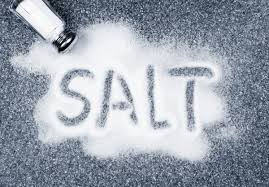
Is NaCl (table salt) a Organic or Inorganic Compound?
a)
Inorganic
b)
Organic
13.
How many elements are represented in the compound?
Na2CO3
Na2CO3
a)
1
b)
2
c)
3
d)
4
14.
How many elements are represented in the compound?
Na2CO3
Na2CO3
a)
1
b)
2
c)
3
d)
4
15.

Which element is a metalloid?
a)
Titanium
b)
Selenium
c)
Potassium
d)
Polonium
16.
The compound Fe2O is...
a)
inorganic
b)
organic
17.
How many elements are in HHe
a)
3
b)
4
c)
2
d)
5
18.
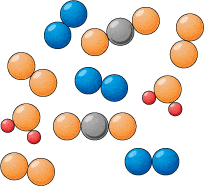
These are found on the Periodic Table.
a)
elements
b)
mixtures
c)
compounds
19.
An area of permeable layer of rock or soil that holds a large amount of water in the saturated zone is called what?
a)
Aquifer
b)
Spring
c)
Well
d)
Reservoir
20.
The number of different elements in calcium carbonate (CaCO3) is .......
a)
2
b)
3
c)
4
d)
5
21.
How many elements are in C6H12O6?
a)
1
b)
2
c)
3
d)
4
22.
Which of the following formulas is inorganic?
a)
CHO
b)
CH
c)
SiO
d)
CHCOOH
23.
Iron is a good conductor, malleable and magnetic. What type of element is Iron?
a)
Metal
b)
Nonmetal
c)
Metalloid
d)
Pretty
24.
Which of the following is typically a good conductor of heat?
a)
Metal
b)
Nonmetal
c)
Metalloid
25.
Cell membranes are found in
a)
Only animal cells
b)
Only plant cells
c)
Some plant and animal cells
d)
All plant and animal cells
26.
I am fluid filled within the cell
a)
Mitochondrion
b)
Vacuole
c)
cytoplasm
d)
Cell membrane
27.
All of the following would classify an element as a metal except?
a)
Dull
b)
Luster
c)
Malleable
d)
Hard
28.
Metalloids are weak conductors of heat and electricity.
a)
TRUE
b)
FALSE
29.
All of these properties describe metals except...
a)
malleable
b)
conductors
c)
brittle
d)
shiny
30.
Non-metals are good conductors of heat and electricity.
a)
TRUE
b)
FALSE
31.
Where are ribosomes produced?
a)
Nucleolus
b)
Endoplasmic reticulum
c)
Golgi body
d)
Vessicle
32.
Salt water boils and the water completely evaporates, salt (NaCl) is left in the bottom of the beaker. Which of the following is left in the beaker?
a)
Compound
b)
Element
c)
Mixture
d)
None of the Above
33.
Which of these is a property of metals?
a)
Malleable
b)
Good Insulator
c)
Dull
d)
Very brittle
34.
What can only be found in plant cells?
a)
Cell membrane
b)
Vacuole
c)
Chloroplast
d)
Mitochondrion
35.
The powerhouse of the cell is the...
a)
Mitochondrion
b)
Golgi body
c)
Nucleus
d)
Ribosomes
36.
Where are proteins made?
a)
Golgi body
b)
Mitoichondrion
c)
Chromosomes
d)
Ribosomes
37.

Pollutants from a highway enter a stream or creek and travel to a river. River water tested with the pollutant found is called
a)
point source pollution
Available space for crops
Available space for crops
b)
nonpoint source pollution.
c)
eutrophic pollution
d)
riparian pollution
38.
What is found in both plant and animal cells but is much larger in plant cells?
a)
Nucleus
b)
Mitochondrion
c)
Chloroplast
d)
Vacuole
39.
The ______________ is the brain of the cell.
a)
Vacuole
b)
Nucleus
c)
Chromosomes
d)
60 W light bulb
40.
Water stored in cracks and pores below the Earth's surface is called:
a)
Groundwater
b)
Bogs
c)
Water in the ground
d)
surface water
41.
Pollution has ___________
a)
a negative human impact
b)
positive human impact
c)
humans have no impact
42.

Biotic means:
a)
Living
b)
Non-living
c)
Man made
d)
Found in nature
43.

Abiotic means:
a)
Living
b)
Dead
c)
Non-living
d)
Water
44.

What is Point Source Pollution (PSP) ?
a)
When you cannot trace the direct source of pollution
b)
When you can trace the point of the source - "pipe to source"
45.
Each column in the periodic table is called a
a)
period
b)
group
c)
cluster
d)
unit
46.
In the modern periodic table elements are arranged by:
a)
atomic mass
b)
atomic number
c)
valence electrons
d)
number of isotopes
47.
A ___________ is an arrangement of elements in columns
a)
columns
b)
rows
c)
periodic table
d)
electron shell
48.
The atomic number tells you what?
a)
number of electrons
b)
number of protons
c)
number of neutrons
d)
both electrons and protons in an atom.
49.
Which group of the periodic table is composed of inert (not reactive) gases?
a)
alkali metals
b)
alkaline earth metals
c)
halogens
d)
noble gases
50.

The atoms along the staircase are called
a)
metals
b)
nonmetals
c)
metalloids
d)
noble gases
51.
Which is a halogen?
a)
Helium
b)
Chlorine
c)
Oxygen
d)
Neptune
52.
Elements which are shiny, conduct electricity and heat are called
a)
metal
b)
nonmetal
c)
metalloid
d)
nonexistent
53.
How many electrons should Nitrogen have around its Lewis dot model?
a)
1
b)
3
c)
4
d)
5
54.
How many electrons should Beryllium have around its Lewis dot model?
a)
1
b)
2
c)
3
d)
4
55.
How many electrons should Lithium have around its Lewis dot model?
a)
1
b)
2
c)
3
d)
4
56.
How many electrons should Lithium have around its Lewis dot model?
a)
1
b)
2
c)
3
d)
4
57.

How many protons are in this element?
a)
79
b)
196
c)
117
d)
Cannot be determined
58.
Which of the following has a full valence shell?
a)
Oxygen
b)
Neon
c)
Barium
d)
Carbon
59.

How many electrons does potassium K contain? (click to see image)
a)
19
b)
39
c)
20
d)
40
60.

What is the atomic mass of Neon?
a)
10
b)
20.18
c)
10.18
d)
20.18
61.

How many protons are in Beryllium?
a)
4
b)
9
c)
5
d)
2
62.

What's a valence electron?
a)
electrons in the second energy level
b)
electrons in the outermost energy level
c)
the atomic number
d)
electrons in the first level
63.
How many electrons do atoms need to be stable?
a)
1
b)
2
c)
6
d)
8
64.
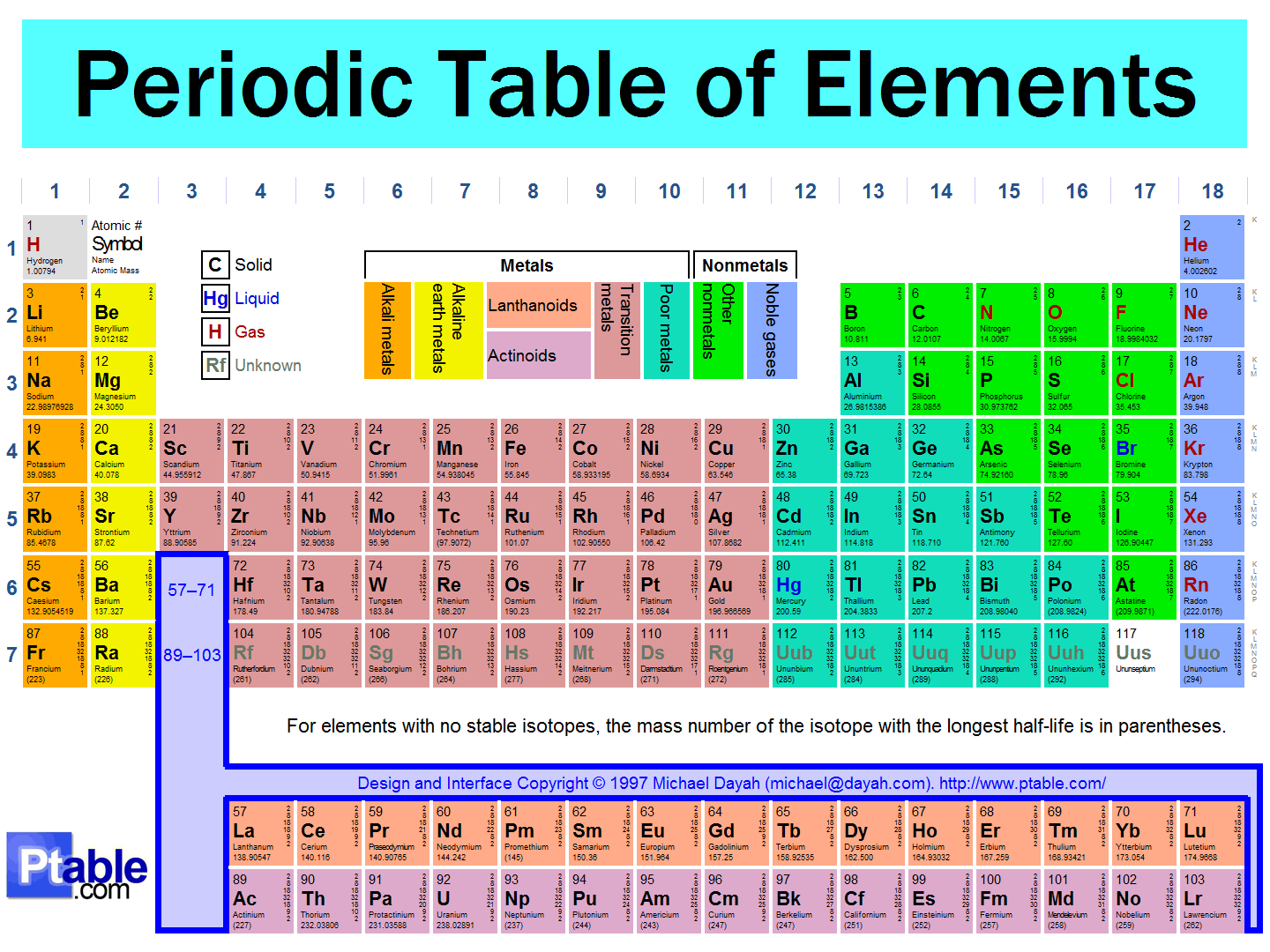
The horizontal row on the periodic table is called a
a)
group
b)
family
c)
period
d)
atomic number
65.
The periodic table has __ groups.
a)
8
b)
7
c)
18
d)
2
66.

Which section are the metals in?
a)
dark blue
b)
light blue
c)
purple
d)
pink
67.

What section is the least reactive?
a)
yellow
b)
red
c)
dark blue
d)
orange
68.
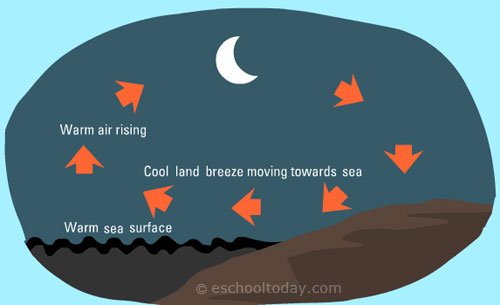
Is this a land or a sea breeze?
a)
land breeze
b)
sea breeze
69.
In a sea breeze, the air is warmer above the _____.
a)
land
b)
ocean
c)
sky
d)
beach
70.
The jet stream usually moves from
a)
north to south
b)
west to east
c)
east to west
d)
south to north
71.

This is the symbol for a(n) _______________
a)
warm front
b)
cold front
c)
stationary front
d)
occluded front
72.
This type of front is associated with mild precipitation.
a)
warm front
b)
cold front
c)
stationary front
d)
occluded front
73.
This type of front is associated with heavy precipitation and/or thunderstorms that last for a short period of time.
a)
warm front
b)
cold front
c)
stationary front
d)
occluded front
74.
This forms when warm air slowly moves into an area covered by cooler air.
a)
warm front
b)
cold front
c)
stationary front
d)
occluded front
75.
Wind is the movement of air from places of __________ pressure to places of _______ pressure.
a)
low, low
b)
low, high
c)
high, low
d)
high, high
76.
When a warm air mass and a cold air mass meet, but they push at each other and neither one can move, it is called a/an -
a)
warm front
b)
cold front
c)
occluded front
d)
stationary front
77.

What type of front is this?
a)
warm front
b)
cold front
c)
stationary front
d)
occluded front
78.

What does symbol # 1 mean?
a)
stationary front
b)
occluded front
c)
warm front
d)
cold front
79.
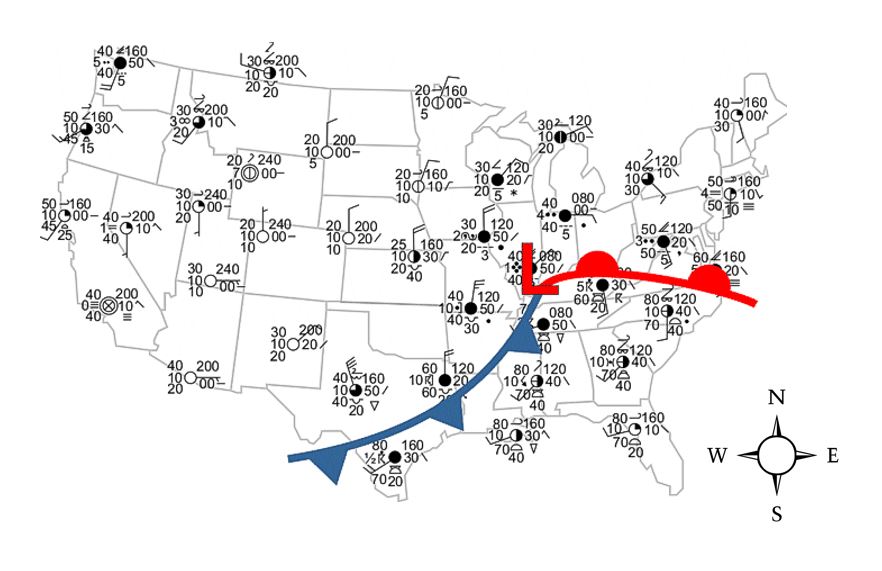
What direction is the warm front moving on the map?
a)
North
b)
South
c)
East
d)
West
80.
What characteristics are used to classify air masses?
a)
temperature and humidity
b)
pressure and temperature
c)
latitude and longitude
d)
wind speed and location
81.
A cold, dry air mass would be called -
a)
continental tropic
b)
continental polar
c)
maritime polar
d)
continental maritime
82.

Which season is taking place in the Northern Hemisphere in Position 3?
a)
Winter
b)
Spring
c)
Summer
d)
Fall
83.

Which season is taking place in the Northern Hemisphere in Position 4?
a)
Winter
b)
Spring
c)
Summer
d)
Fall
84.
The Earth's axis is tilted _____ degrees.
a)
23.5
b)
25.3
c)
30.2
d)
24
85.

What happens when the area in which you live tilts away from the sun?
a)
It is summer.
b)
It is spring.
c)
It is winter.
d)
It is fall.
86.
The term equinox means....
a)
equal amount of day light and equal amount of night
b)
Equal amount of winter and summer
c)
Equal amounts of hot dogs for everyone
d)
The longest day of the year
87.

Which season is taking place in the Southern Hemisphere in Position 1?
a)
Winter
b)
Spring
c)
Summer
d)
Fall
88.
Which of the following always results from a chemical reaction?
a)
Fire
b)
Bubbles
c)
A new substance that is a solid
d)
A new substance that can be a solid, liquid, or gas
89.
Which of the following is an example of a chemical reaction?
a)
A marshmallow turning black when heated over a fire
b)
A powder dissolving in water to make lemonade
c)
An ice cube melting into a puddle of water
d)
Salt crystals being crushed into a powder
90.
The substances listed on the left side of a chemical equation are the
a)
Products
b)
Coefficients
c)
Precipitates
d)
Reactants
91.
The flame from the candle gives off black smoke. Does this statement describe evidence for a physical change or a chemical change? Explain.
a)
A chemical change. The black smoke is evidence that a new substance is not forming which means a chemical change occurred.
b)
A physical change. The black smoke is evidence of the formation of a new substance, which means a chemical change occurred.
c)
A chemical change. The black smoke is evidence of the formation of a new substance, which means a chemical change occurred.
d)
A physical change. The black smoke is evidence of a solid turning into a gas
92.
An unbalanced force...
a)
Stops
b)
Pulls
c)
Moves
93.
Newton's 2nd law is that...
a)
Gravity pulls an object rather than push
b)
Force = Mass X Acceleration
c)
What's in motion stays in motion & what's at rest stays at rest
d)
For every action, there's an opposite & equal reaction
94.
Line graphs...
a)
Display a brief overview of information/data
b)
Compare data collected by counting
c)
Show how data changes over time
d)
Show how a quantity is broken into parts
95.
SPEED THAT STAYS THE SAME THROUGHOUT. IT DON'T CHANGE.
a)
VELOCITY
b)
CONSTANT SPEED
c)
AVERAGE SPEED
d)
ACCELRATION
96.
HOW FAR SOMETHING TRAVELS (10 METERS)
a)
DISPLACMENT
b)
DIRECTION
c)
DISTANCE
d)
VELOCITY
97.
A FORCE THAT WILL CAUSE NO CHANGE IN THE MOTION OF THE OBJECT/EQUAL/DOES NOT MOVE/ NET FORCE IS ALWAYS ZERO (0)
a)
NEWTON'S 1ST LAW OF MOTION
b)
BALANCE
c)
INERTIA
d)
UNBALANCE
98.
States, “When one object exerts a force on a second object, the second one exerts a force on the first that is equal in magnitude and opposite in direction.
a)
NEWTON'S 1ST LAW OF MOTION
b)
NEWTON'S 2ND LAW OF MOTION
c)
INERTIA
d)
NEWTON'S 3RD LAW OF MOTION
99.
This law is sometimes called the “Law of Action and Reaction”.
a)
NEWTON'S 1ST LAW OF MOTION
b)
NEWTON'S 2ND LAW OF MOTION
c)
INERTIA
d)
NEWTON'S 3RD LAW OF MOTION
100.

In this photo, the MOTION will be to the
a)
right
b)
left
101.

In this photo, the STRONGER force is pulling to the .....
a)
right
b)
left
102.

What is the net force in the picture?
a)
500 N
b)
450 N
c)
950 N
d)
50 N
103.

In this picture, the forces
____________ balance each other.
____________ balance each other.
a)
do
b)
do not
104.

This graph demonstrates an object that is -
a)
At a constant speed
b)
Increasing speed
c)
Decreasing speed
d)
Stationary
105.

This graph demonstrates an object that is -
a)
At a constant speed
b)
Increasing speed
c)
Decreasing speed
d)
Stationary
106.

This graph demonstrates an object that is -
a)
At a constant speed
b)
Increasing speed
c)
Decreasing speed
d)
Stationary
107.
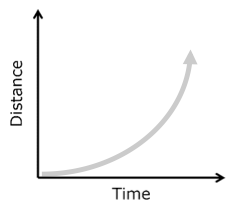
This graph demonstrates an object that is -
a)
Increasing speed
b)
At a constant speed
c)
Decreasing speed
d)
Stationary
108.

This graph demonstrates an object that is -
a)
Increasing speed
b)
At a constant speed
c)
Decreasing speed
d)
Stationary
109.

Which line represents an object moving at a faster speed?
a)
A
b)
B
100 %

