
 Worksheets
5th FSSA Earth Science - Space
Total questions: 30
Worksheet time: 27mins
Name
Class
Date
1.
The sun and everything that revolves around it.
a)
solar system
b)
galaxy
c)
universe
d)
rotation
2.
The imaginary line running through the center of Earth.
a)
axis
b)
moon
c)
constellation
d)
orbit
3.
The star at the center of our solar system.
a)
Sun
b)
moon
c)
orbit
d)
axis
4.
The moon appears to change shape because of _____.
a)
the Moon's revolution around Earth
b)
the seasons of the year
c)
the movement of stars in they sky
d)
Earth's rotation on its axis
5.
What causes Earth's seasons?
a)
the tilt of Earth's axis
b)
Earth's rotation
c)
the revolution of the Moon
d)
Earth's distance from the Sun
6.
What causes Earth's seasons?
a)
the tilt of Earth's axis
b)
Earth's rotation
c)
the revolution of the Moon
d)
Earth's distance from the Sun
7.
The rotation of Earth on its axis causes the pattern of _____.
a)
night and day
b)
constellations
c)
Earth's seasons
d)
the phases of the moon
8.
Fixed patterns of stars are called _____.
a)
Constellations
b)
Nebulas
c)
orbits
d)
systems
9.
How are planets and stars ALIKE?
a)
Both are similar in size.
b)
Both are made of hot gases.
c)
Both move in orbits around the Sun.
d)
Both look like points of light in the night sky
10.
It takes Earth _________ to make one complete rotation on its axis.
a)
24 hours
b)
365 days
c)
28 days
d)
24 days
11.
It takes Earth _____________ to make one revolution or orbit around the Sun.
a)
365 days
b)
365 hours
c)
28 days
d)
24 hours
12.
It takes about _____________ for the moon to go through all of its phases.
a)
28 days
b)
365 days
c)
24 hours
d)
24 days
13.
A large body made of gas or rock that orbits around a star.
a)
planet
b)
moon
c)
star
d)
super nova
14.
A rocky body that orbits around a planet.
a)
moon
b)
star
c)
axis
d)
Sun
15.
A tool used to make distant objects appear larger, brighter, and sharper.
a)
telescope
b)
planet
c)
moon
d)
microscope
16.
The spinning of the Earth on its axis that causes night and day.
a)
Rotate
b)
Revolve
17.
Sunlight hits Earth’s surface most directly at the _______. Because of this, this particular area doesn't experience seasons.
a)
north pole
b)
south pole
c)
equator
18.
The largest planet in our solar system is
a)
Uranus
b)
Neptune
c)
Pluto
d)
Jupiter
19.

The lunar cycle begins with which moon phase?
a)
New Moon
b)
Full Moon
c)
Waxing Crescent
d)
Waning Gibbous
20.
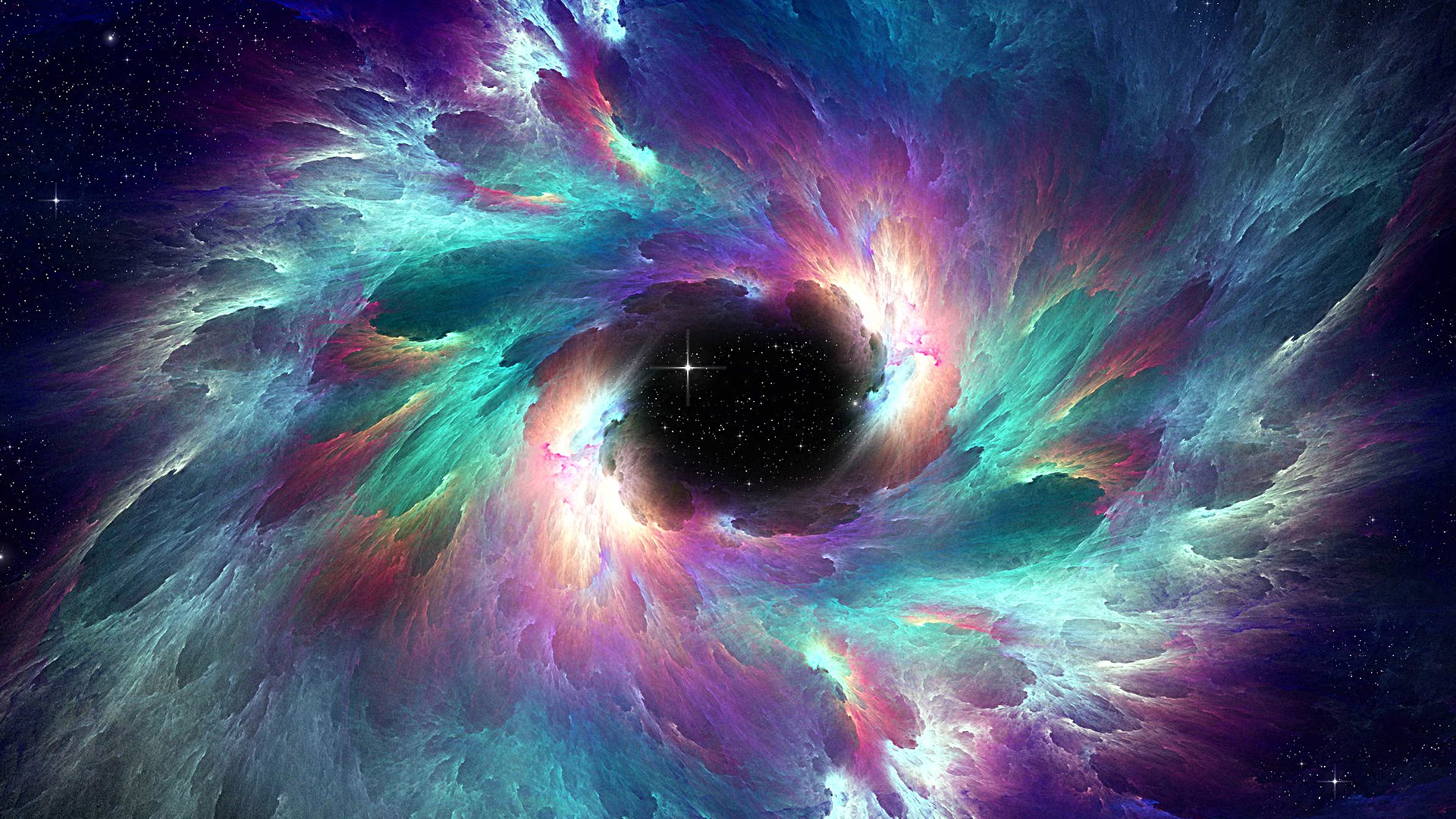
What galaxy do we live in?
a)
Black Hole
b)
Milky Way
c)
Milk Dud
d)
Three Musketeers
21.

Asteroids are composed mostly of _________.
a)
ice
b)
dirt
c)
rock
d)
gas
22.
Why is the sun the brightest star we see?
a)
Because it is the brightest star in the universe
b)
Because it is the closest star
c)
Because it is the hottest star
d)
Because it is yellow
23.
What are the largest objects in universe?
a)
Stars
b)
Comets
c)
Planets
d)
Moons
24.
A __________ is a chunk of ice & dust that has a bright head & a long narrow tail.
a)
asteroid
b)
planet
c)
meteoroid
d)
comet
25.

The phases of the moon you see depends on
a)
Where you are on Earth's surface
b)
How much of the sunlit side of the moon faces Earth
c)
How much of the moon's surface is lit by the sun
d)
whether or not an eclipse is occurring
26.
A force of attraction between any two objects is called _____________.
a)
static electricity
b)
rotation
c)
gravity
d)
orbit
27.
When the Moon appears completely dark with no lit part visible from Earth, it is called _____________.
a)
full moon
b)
waning gibbous moon
c)
old moon
d)
new moon
28.
Which is NOT an inner planet?
a)
Mercury
b)
Venus
c)
Earth
d)
Jupiter
29.
Select the order from smallest to largest.
a)
Sun, Milky Way, solar system, universe
b)
Sun, Milky Way, universe, solar system
c)
Sun, solar system, Milky Way, universe
d)
Sun, solar system, universe, Milky Way
30.

a pattern of stars that form an imaginary picture or design in the sky
a)
Orbit
b)
Rotate
c)
constellation
d)
Milky Way
100 %

