
 Worksheets
Vocabulary 4/21
Total questions: 17
Worksheet time: 21mins
Name
Class
Date
1.
What event led the United States to become invovled in World War 2 ?
a)
The Discovery of Auschwitz
b)
The Battle of Britain
c)
The Sinking of the Lusitania
d)
The Attack on Pearl Harbor
2.
Which of the following formed the axis powers?
a)
France, Germany and Japan
b)
Great Britain, Germany and Italy
c)
Japan, Russia, and China
d)
Italy, Germany, and Japan
3.
Which of the following formed the Allied powers?
a)
Italy and Great Britain
b)
France and Germany
c)
France, Soviet Union, The United States and Great Britain
France, Soviet Union, The United States and Great Britain
d)
Japan and Germany
4.
december 7, 1941 .....
a)
was when Germany invaded poland
b)
Great Britain and Zfrance declared war
c)
japan attacked pearl harbor
d)
Germany invaded Soviet Zunion
5.
The deliberate destruction, in whole of an ethnic, racial, religious or national group
a)
Holocaust
b)
Genocide
c)
Concentration Camp
d)
Nuremberg Laws
6.
During the World War II, what did Adolph Hitler use concentration camps to do?
a)
A. conduct secret research to develop the A-bomb
b)
A. carry out his Final Solution against the Jewish people
c)
A. imprison Allied soldiers captured in battle
d)
A. put Allied leaders on trial in a military court
7.
Which Jews were spared during the Holocaust?
a)
Women
b)
Old Men
c)
Children
d)
None of the above
8.
The Americans started the ____________ program to send supplies to nations in need.
a)
Lend Lease
b)
Buy give
c)
Help a friend
d)
Marshall Plan
9.
Flood water pounding against a canyon wall and wearing it down
a)
Weathering
b)
Erosion
c)
Deposition
10.
Rain washing away soil from a hillside
a)
Weathering
b)
Erosion
c)
Deposition
11.
Layers of sediment forming at the bottom of the ocean floor
a)
Weathering
b)
Erosion
c)
Deposition
12.
Glaciers dropping rock and sand to form moraines (deposition of debris)
a)
Weathering
b)
Erosion
c)
Deposition
13.

Acid rain is an example of chemical weathering because
a)
pollution is in the sky
b)
rain connected to dust falls and hits rocks so hard they break.
c)
there is friction between rain and rocks.
d)
pollution gets dissolved in water and falls as rain dissolving rocks over time.
14.
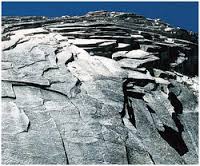
What is mechanical weathering?
a)
Process through which rocks are physically broken into smaller pieces.
b)
Rocks are broken down through chemical changes.
c)
Rocks are worn away from acid in plant roots.
d)
Rocks broken down by machinery.
15.

The type of formation shown is at the southern end of the Mississippi river. What is it called?
a)
coastal erosion
b)
a delta
c)
a loess
d)
sand dunes
16.
What is an enormous mass of ice moving over land?
a)
glacier
b)
iceberg
c)
ice wedging
d)
dune
17.
Which of the following is NOT a slow change to Earth's surface?
a)
weathering
b)
erosion
c)
deposition
d)
landslides
100 %

