wayground logo

Free Printable Worksheets

NEW

Font size

S
M
L
XL
Worksheets

Catastrophic Events and Ecological Succession

Total questions: 40

Worksheet time: 56mins

Name
Class
Date
1.

A sudden shift or crack in the earth's crust is called a...

a)
Earthquake 
b)
Volcano 
c)
Tsunami
d)
Flood
2.
This catastrophic event starts by lightening, human activity or extreme heat and dry grass...
a)
Volcano
b)
Tornado
c)
Wildfire
d)
Drought
3.
What catastrophic event is caused by an unusually large amount of water for an area?
a)
Hurricane
b)
Flood
c)
Blizzard
d)
Tsunami 
4.
A long period with no rain is called a...
a)
Earthquake
b)
Wildfire
c)
Drought
d)
Tornado 
5.
Hurricanes typically form over...
a)
cold ocean water. 
b)
warm lakes water 
c)
warm ocean water. 
d)
very dry land masses. 
6.
What will most likely happen after the wildfire?
a)
 the area will remain charred and burned forever
b)

small plants like grass will begin to grow in the area first

c)

animals will return first

d)
all living organisms will move away permanently.  
7.

A long high sea wave caused by an underwater Earthquake, landslide or underwater volcanic eruption

a)

Typhoon

b)

Flood

c)

Tornado

d)

Tsunami

8.
Where do hurricanes form?
a)
In a river or stream
b)
Over the ocean
c)
At plate boundaries
d)
Under the Earth
9.

What catastrophic event would be of greatest risk to a grassland biome?

a)
hurricane
b)
flood
c)
tsunami
d)
wildfire
10.

A tropical storm that forms an "eye" in the Atlantic Ocean, Gulf of Mexico ,Pacific Ocean or Carribean Sea and is measured as F1-F5 depending on wind speeds

a)
Flood
b)
Tornado
c)
Tsunami
d)
Hurricane
11.
What catastrophic event would be of greatest risk to a coastal area?
a)
hurricane
b)
drought
c)
none of the above
d)
all of the above
12.
Rain washing away soil from a hillside
a)
Weathering
b)
Erosion
c)
Deposition
13.
Where are hurricanes most likely to do the most damage?
a)
Near the coast
b)
In the forest
c)
In a desert
d)
On the North Pole
14.
The best method to prevent erosion is to
a)
remove all trees
b)
build homes
c)
grow plants/vegetation
d)

mine for gold and other metals

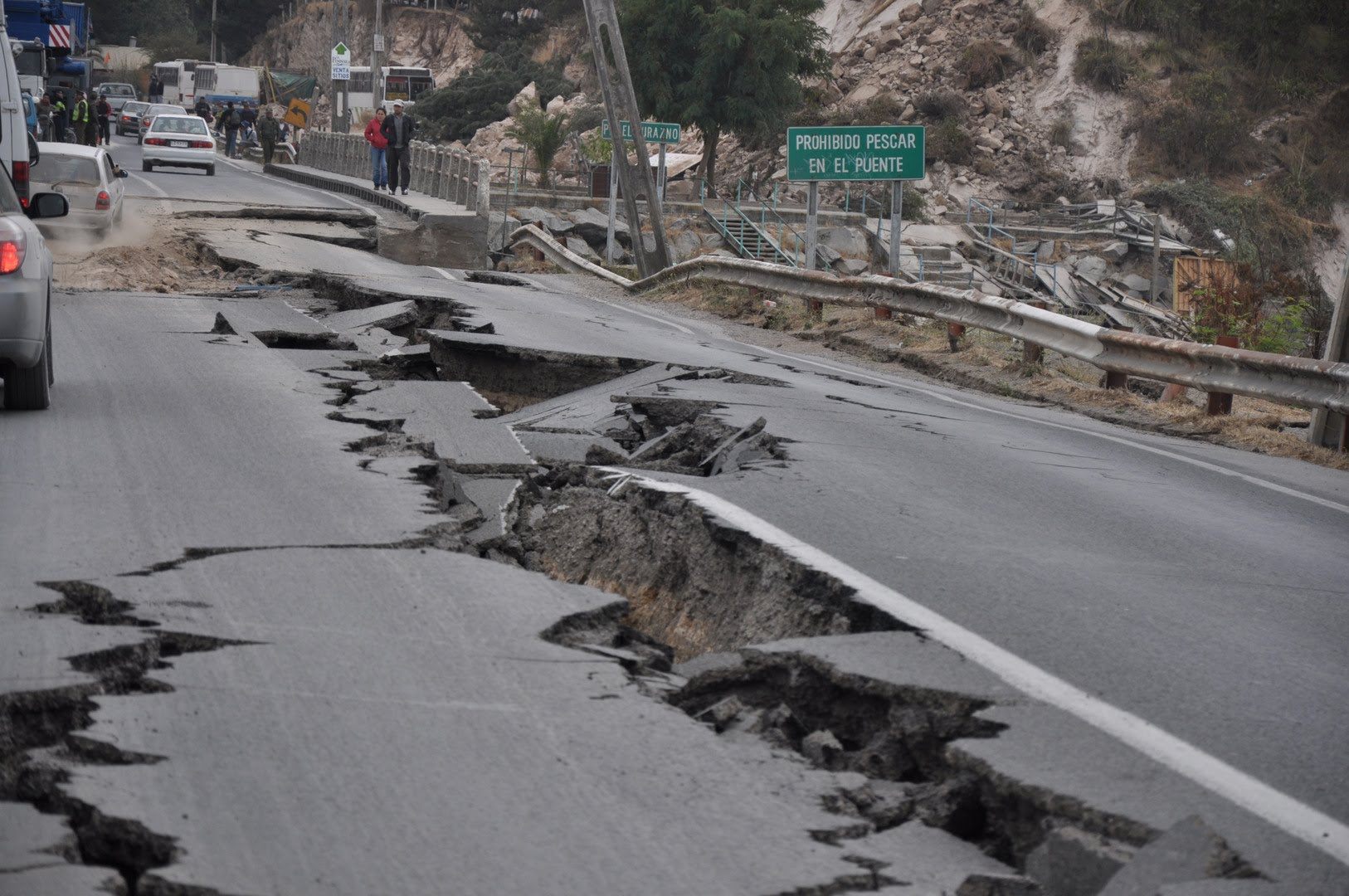
15.
The catastrophic event shown here is a/an_________
a)
avalanche
b)
strom
c)
earthquake
d)
wildfire
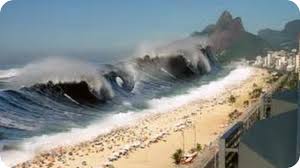
16.
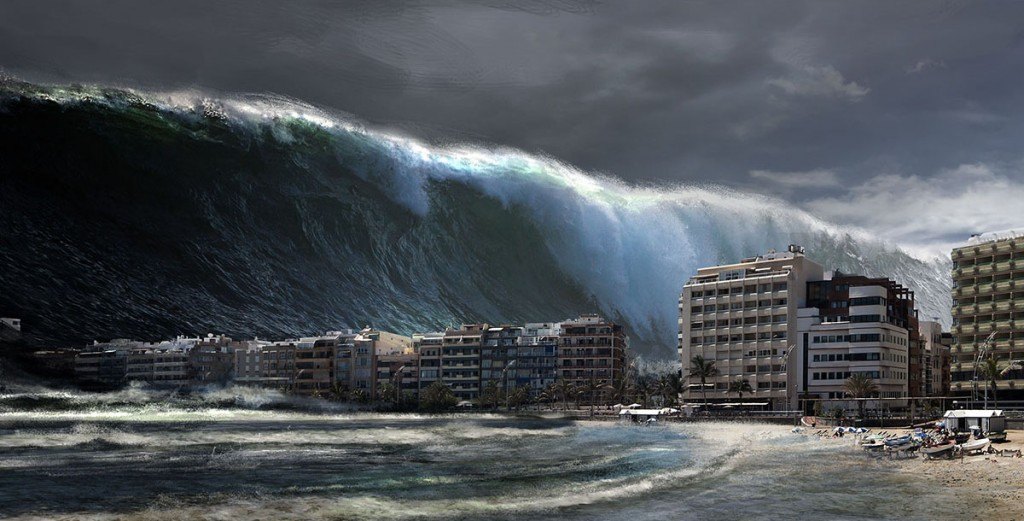
The catastrophic event shown here is a/an_________
a)
tsunami
b)
hurricane
c)
tornado
d)
storm
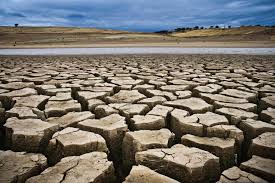
17.
The catastrophic event shown here is a/an_________
a)
fire
b)
flood
c)
drought
d)
ash
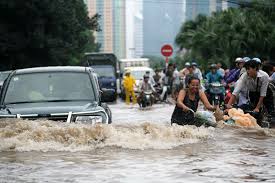
18.
The catastrophic event shown here is a/an_________
a)
hurricane
b)
flood
c)
tsunami
d)
tornado
19.
The catastrophic event shown here is a/an_________
a)
volcano
b)
wildfire
c)
ash
d)
smoke
20.
The catastrophic event shown here is a/an_________
a)
tsunami
b)
hurricane
c)
mudslide
d)
tornado
21.
Where do most tornadoes happen in the US? 
a)
Oregon, New York
b)
Texas, Nebraska, Oklahoma
c)

Africa, Cuba, Honduras

d)

Mars, Jupiter, Saturn

22.
What is a smaller earthquake called that does damage days and months following a  larger earthquake?
a)
Aftershock
b)
Liquefaction
c)
Seismic Gap
d)
Tsunami
23.
What is usually the most damaging part of a hurricane?
a)

Tsunami

b)
Lightning
c)
Storm surge
d)
Hail
24.
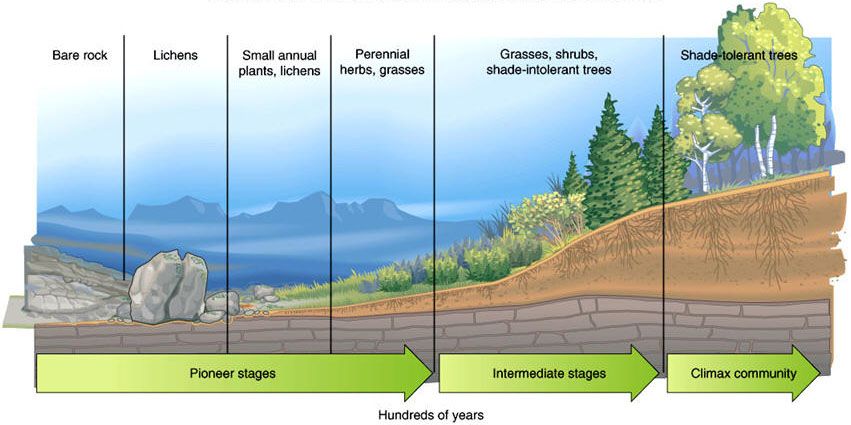
What is the order of succession shown in this figure?
a)
A, B, C, D
b)
B, A, D, C
c)
C, D, A, B
d)
D, A, B, C
25.
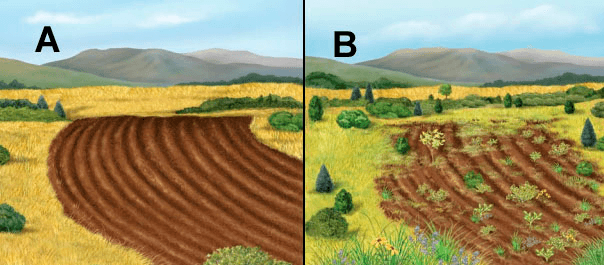
What type of succession is shown going from figure A to figure B?
a)
primary succession
b)
ecological succession
c)
secondary succession
d)
intermediate
26.
What is the goal of the pioneer species in Primary Succession?
a)
To kill the dead materials after a disaster
b)
To rebuild soil
c)
To feed Johnny
d)
To put fresh oxygen into the air
27.
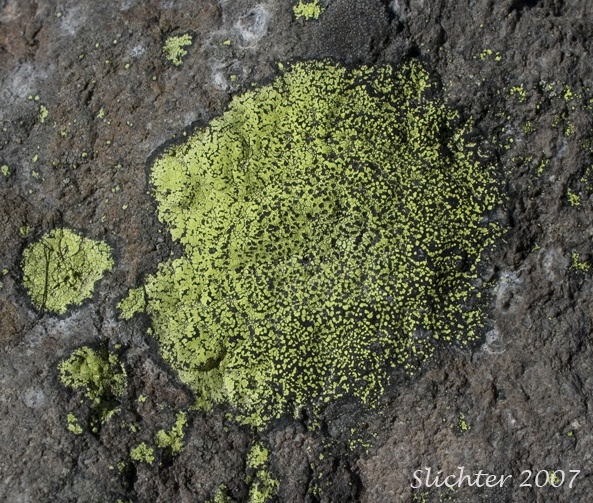
The picture shows what type of succession?
a)
primary
b)
secondary
c)
tertiary
d)
quadanary
28.
What is the name given to lichen or algae after a primary succession?
a)
pioneer species
b)
volunteer species
c)
founder species
d)
conqueror species
29.
What are examples of pioneer species in a primary succession?
a)
Bushes and Shrubs
b)
Oak trees
c)
Mossess and Lichens 
d)
A rose Bush
30.
After a volcanic eruption, lava covers the land. What is the order that plants grow to repopulate the area?
a)
Lichens → Shrubs → Grasses → Trees
b)
Lichens → tree → shrubs→Grasses
c)
Grasses → Lichens → Shrubs → Trees
d)
Lichens → Grasses → Shrubs → Trees
31.
Final illustration (#8) shows
a)
pioneer species
b)
climax community
c)
only biotic factors
d)
only abiotic factors
32.
Succession type?
a)
primary succession
b)
secondary succession
c)
tertiary succession
d)
variable succession
33.
Succession that occurs in an area with NO SOIL
a)
ecological succession 
b)
primary succession 
c)
secondary succession
d)
pioneer speciles
34.

Primary succession occurs in an area that has:

a)

soil

b)

no soil

c)

some soil

d)

none of these

35.

What is an example of an area that is likely to undergo primary succession?

a)

Glaciers melt and leave exposed rock

b)

Plants die from drought and decompose

c)

Land is bulldozed and soil remains

36.

What is the main difference between primary and secondary ecological succession?

a)

Primary begins WITHOUT soil; Secondary begins WITH soil

b)

Primary is the first state and secondary is the second stage

c)

Primary builds plant community; secondary builds animal community

d)

Primary begins WITH soil; Secondary begins WITHOUT soil

37.

What is an increase of biodiversity over time, after a natural or manmade disturbance?

a)

ecological recession

b)

climax recession

c)

ecological succession

d)

climax succession

38.

What is an example of a disturbance that could bring about secondary succession?

a)

Humans cut down many trees in a small region

b)

A volcanic eruption covers a village in lava.

39.

Which is faster: Primary or Secondary Succession?

a)

Primary Succession

b)

Secondary Succession

c)

Both Take The Same Amount of Time

40.

Bare rock community must first undergo...

a)

Primary Succession

b)

Secondary Succession

c)

Climax