
 Worksheets
World History Review
Total questions: 67
Worksheet time: 49mins
Name
Class
Date
1.
In addition to their own developments, the Romans borrowed many ideas from the Etruscans and the
a)
Chinese
b)
Greeks
c)
Egyptians
d)
Mesopotamians
2.
In what sea was Rome a peninsula, which allowed it to prosper in trade and interact with and conquer other lands?
a)
Red
b)
Black
c)
Mediterranean
d)
Arabian
3.
What is a form of government called in which the leader is put into office by citizens with the right to vote?
a)
Republic
b)
Monarchy
c)
Empire
d)
Theocracy
4.
What were wealthy landowners called who made up Rome's ruling class?
a)
Plebeians
b)
Patricians
c)
Monarchs
d)
Aristocrats
5.
What commoners such as artisans shopkeepers, and owners of small farms were called
a)
Aristocrats
b)
Patricians
c)
Monarchs
d)
Plebeians
6.
What were the two top officials in the Roman government chosen to serve one year?
a)
Consuls
b)
Praetors
c)
Tribunes
d)
Senators
7.
What were the jobs of consuls?
a)
Pay taxes and head the army
b)
Head the army and run the Forum
c)
Build temples and head the army
d)
Head the army and run the government
8.
Rome's most important legislative or law-making body of 300 Patrician men was called the
a)
Forum
b)
House of Representatives
c)
Congress
d)
Senate
9.
Senators served this type of term for how long?
a)
Life
b)
Four years
c)
Eight years
d)
Two years
10.
What were the wars called that were fought for 20 years between Rome and Carthage?
a)
Twenty-year Wars
b)
Mediterranean Wars
c)
Punic Wars
d)
Elephant Wars
11.
Who made himself dictator for life and was seen as a hero to the plebeians because he gave them land & food, but was power-hungry to the patricians?
a)
Julius Caesar
b)
Mark Antony
c)
Scipio
d)
Caesar Augustus
12.
What is a dynasty?
a)
a collection of queens
b)
a collection of kingdoms
c)
series of rulers from different families
d)
series of rulers from the same family
13.
Which of the following beliefs was central to Egyptian religion?
a)
the afterlife
b)
the pyramids
c)
the pharaohs
d)
the heavens
14.
Describe the burial practices of Egyptians?
a)
They used a funeral pyre for the dead.
b)
They carried the dead to a nearby country.
c)
They preserved bodies as mummies.
d)
They were buried in the river.
15.
The worship of many gods.
a)
monotheism
b)
irrigation
c)
polytheism
d)
epic
16.
What is papyrus?
a)
mud used in building
b)
plant from which paper is made
c)
rock used to make tools
d)
animal skin
17.
Rich soil carried and mixed with water is
a)
pebbles
b)
silt
c)
dust
d)
clouds
18.
What continent is Egypt on?
a)
South America
b)
Africa
c)
North America
d)
Asia
19.
Egyptian writing is called
a)
cuneiform
b)
Phoenician alphabet
c)
hieroglyphics
d)
Cursive
20.

Why did ancient Egyptians make mummies?
a)
to prepare for burial in the river
b)
to protect the body from decay
c)
to ward off evil spirits
d)
to honor the gods
21.

What social class was responsible for growing crops that supplied food and for building monuments?
a)
Artisans
b)
Scribes
c)
Peasants
d)
Government Officials
22.

Ancient Egyptians believed their king was ___________________
a)
a normal person
b)
a representative of the gods
c)
a god
d)
a cat that came back to life
23.

Egyptians had a written language using pictures. It was called ____________.
a)
cuneiform
b)
English
c)
hieroglyphics
d)
Cursive
24.
Native Americans had to ____________ or adjust to their environment for survival.
a)
adapt
b)
move
c)
hunt
d)
settle
25.
Native Americans migrated across a land bridge from Asia to America. What does migrate mean?
a)
to move, following a food source
b)
to adjust to your environment
c)
to learn to farm
d)
to settle down and build a house
26.
The Aztec capital city of Tenochtitlan was created in the center of a...
a)
Marsh
b)
River
c)
Ocean
d)
Lake
27.

Aztec emperor
a)
Moctezuma
b)
Pachacutti
c)
Cortes
d)
Mayan
28.

leader of the Spanish invasion of Aztec land
a)
Cortes
b)
Pizarro
c)
Moctezuma
d)
Pachacuti
29.
The Mayans were among the first people with a symbol for which number?
a)
0
b)
5
c)
10
d)
100
30.
Why did Cortes conquer the Aztecs?
a)
to have thousands of people sacrificed for the gods
b)
to control the entire trade route
c)
to rebel against the emperor Moctezuma
d)
to find gold, claim land, and convert natives to Christianity
31.
The fertile crescent got its name because...
a)
it's in a dry valley in the middle east
b)
It's a land of rich soil that's ideal for agriculture
c)
the people who lived there had lots of children
d)
it was one of the earliest civilizations
32.
What was a city-state?
a)
a city that had its own ruler and government
b)
a city that was part of a much larger state or nation
c)
a city that was part of a huge empire ruled by a single king or queen
d)
an urban area within a large kingdom or empire
33.
The Sumerians mainly used cuneiform to...
a)
write the world's first dramas and comedies
b)
create complex drawings and love poems
c)
keep track of government business and issues
34.
Sumerians developed a type of writing called ________________.
a)
Cuneiform
b)
Hieroglyphics
35.
The Babylonian King _____________ is famous for his code of laws.
a)
Hammurabi
b)
Sargon
c)
Gilgamesh
d)
Nebuchadnezzar
36.
Sumerian society was organized in ___________ which consisted of a city and its surrounding lands.
a)
city-state
b)
province
c)
empire
d)
state
37.
What does the word Mesopotamia mean in Greek?
a)
Southern land
b)
Between two rivers
c)
wet land
d)
land of palm trees
38.

The country of Greece is closest to which number?
a)
1
b)
2
c)
3
d)
4
39.
Which of these played the biggest role in the economy of ancient Greece?
a)
Persian Gulf
b)
Black Sea
c)
Mediterranean Sea
d)
Nile River
40.
Which of these was a result of the geographic conditions of Greece in their early civilization?
a)
unified political organization
b)
withdrawal from international contact
c)
a society centered around plantations
d)
a reliance of sea-based commerce
41.
What geographic features kept the ancient Greeks from being united?
a)
The deserts kept them isolated.
b)
The lakes kept them isolated.
c)
The mountains and the seas kept them isolated.
d)
The ice and the snow kept them isolated.
42.
Which government has one person in charge who rules by force and with total authority?
a)
monarchy
b)
oligarchy
c)
tyranny
d)
democracy
43.
Which government has its power passed down through a royal family line?
a)
monarchy
b)
oligarchy
c)
tyranny
d)
democracy
44.
What kind of democracy did ancient Athens have?
a)
Direct
b)
Representative
45.
Why did the Greeks think that myths, epics, and fables were important?
a)
They often provided money for the rich.
b)
They had nothing else to do.
c)
They often taught lessons and values.
d)
They often taught people how to read.
46.

What was a unified formation of Greek soldiers called?
a)
Phalanx
b)
Phylange
c)
Assembly
d)
Ephor
47.

What is a government where only a few, very wealthy people rule?
a)
Democracy
b)
Tyranny
c)
Oligarchy
d)
Assembly
48.

What is a form of government in which all citizens get a vote?
a)
Democracy
b)
Assembly
c)
Oligarchy
d)
Tyranny
49.

A militaristic city-state where boys were trained from an early age to fight.
a)
Athens
b)
Delphi
c)
Corinth
d)
Sparta
50.

According to the ancient Greeks, the gods and goddesses lived...
a)
in Athens.
b)
on Mount Olympus.
c)
in Sparta.
d)
in Turkey.
51.

The ruler of all the Greek gods was...
a)
Poseidon.
b)
Ares.
c)
Zeus.
d)
Athena.
52.
The ancient Greeks were
a)
Monotheistic
b)
Polytheistic
53.

Which Greek philosopher had the method of asking questions?
a)
Socrates
b)
Aristole
c)
Plato
d)
Alexander
54.
Divided India's society into groups?
a)
Social Hierarchy
b)
Caste System
c)
Social Classes
d)
Hinduism
55.

Which number correctly identifies the country India?
a)
1
b)
2
c)
3
d)
4
56.
Just like the Mesopotamians and the Egyptians, the Ancient Indians developed their own written language called what?
a)
hieroglyphics
b)
sanskrit
c)
cuneiform
d)
sign language
57.
Which continent is India located on?
a)
Middle East
b)
Asia
c)
Africa
d)
Australia
58.
The heavy rains that accompany the seasonal wind of South Asia that blows from the southwest in summer.
a)
Monsoons
b)
Indus River
c)
Indus River Valley Civilization
59.
Person who studies artifacts and remains to learn about ancient civilizations
a)
Archaeologist
b)
Cremation
c)
Surplus
d)
Specialization
60.
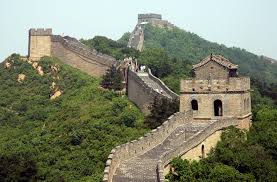
What is the purpose of the structure pictured here?
a)
It is a temple
b)
To protect China's northern border
c)
To protect China's Southern border
d)
To protect China from India
61.
How did the Silk Road effect China?
a)
China became wealthy
b)
China ended farmed
c)
China started a war
d)
China stopped trading
62.
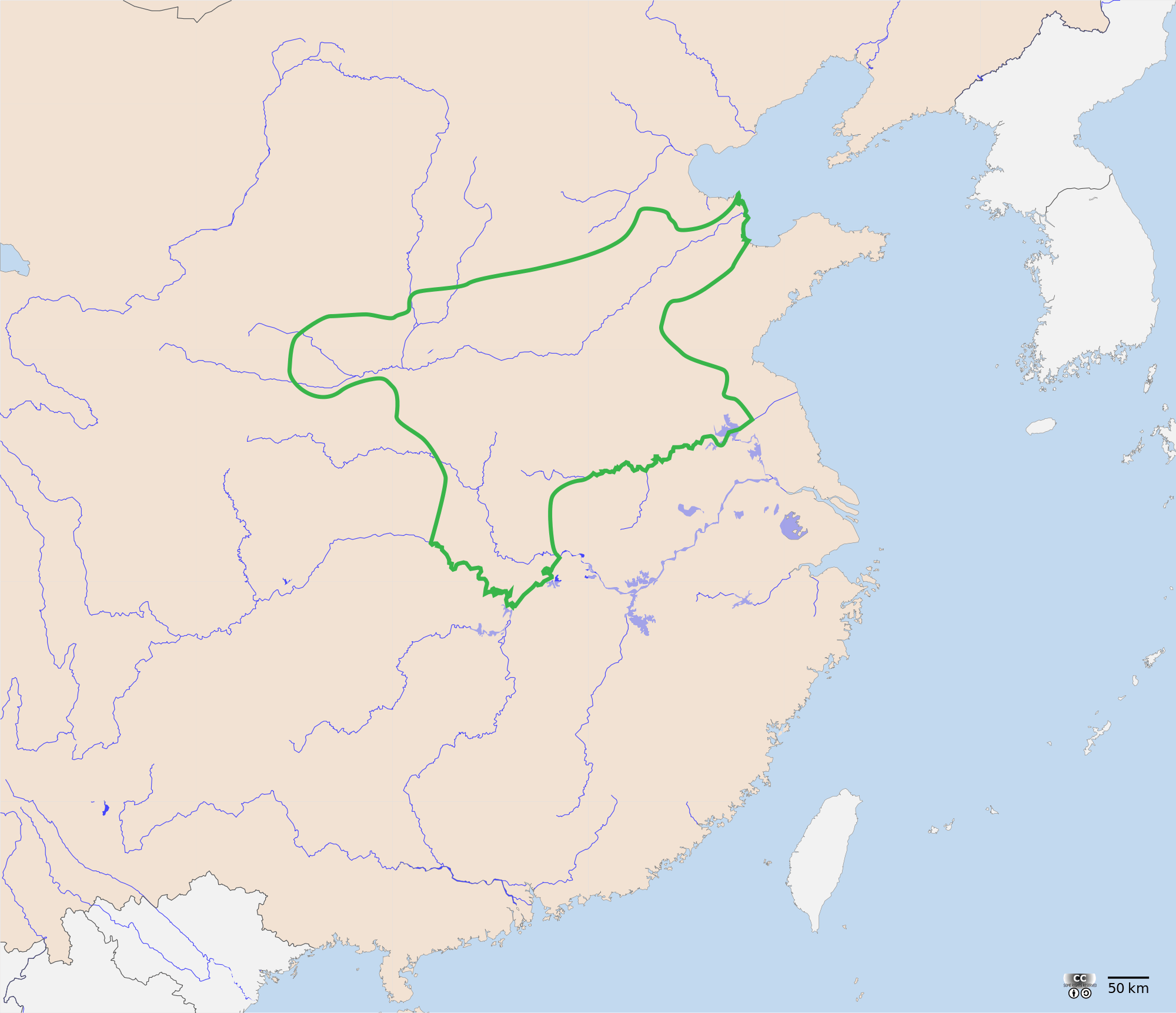
What was the name of China's FIRST dynasty?
a)
Shang
b)
Zhou
c)
Hanfeizi
d)
Huang He
63.
Line of rulers from the same family
a)
Legalism
b)
long Chinese line
c)
filial piety
d)
dynasty
64.
Trade route that stretched from western China to southern Asia
a)
filial piety
b)
Silk Road
c)
Great Wall
d)
Anyang
65.

Which river is in China?
a)
Green
b)
Mississippi
c)
Yellow
d)
Himilaya
66.
Pick a Chinese invention.
a)
School
b)
Paper
c)
Flag
d)
Crackers
67.
Which of the following were traded on the Silk Road? (7.23)
a)
Spices
b)
Religion
c)
Fabric
d)
All of the above
100 %

