
 Worksheets
Police Encounters, Know Your Rights, Flex Your Rights, 4th, four
Total questions: 31
Worksheet time: 16mins

Which is best to do in police encounters?
Lie if you need to.
Say as little as possible.
Get friendly and chatty with the officer.
Admit the truth.

When can the police search you or your car?
Anytime they want.
Never.
Anytime you consent.
All the time.

What should you probably say whenever the police ask to search you?
Go ahead, I've nothing to hide.
Go ahead, don't give them a reason to suspect you.
You better not!
I know my rights.
I don't consent to ANY searches.

Which of the following is probably best to say if an officer keeps asking you questions?
My father's a lawyer.
You better let me leave.
Officer, am I under arrest or am I free to leave? I have nothing further to discuss.
Just keep answering his questions politely and honestly.

"I don't consent to any searches."
Is dumb to say because they'll probably search you anyway.
Is smart to say, whether or not they search you.

Why should you say "officer, I know you are just doing your job?"
Because it reinforces your 3rd Amendment rights.
It's important if you go to court.
Don't say it, ever.
It makes what follows sound respectful.
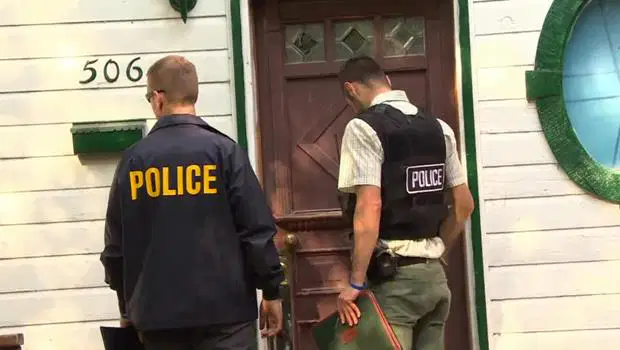
Which of the following things should you never say to the police?
"Officer, I know you are just doing your job but..."
"I don't consent to any searches."
"Are you detaining me or am I free to go."
"I have nothing to hide, look if you want."

Which is best to do should an officer knocks on your front door?
Open it and let them in.
Open it and politely answer their questions.
Open it and step outside.
Strap up and run out the back door.

Which is probably best to do should an officer ask you who you are while you're walking on the street?
Say I have nothing to discuss and keep walking.
Think up some good lies real quick and get ready for more.
Run.
Stop, face him and answer his questions politely and completely.
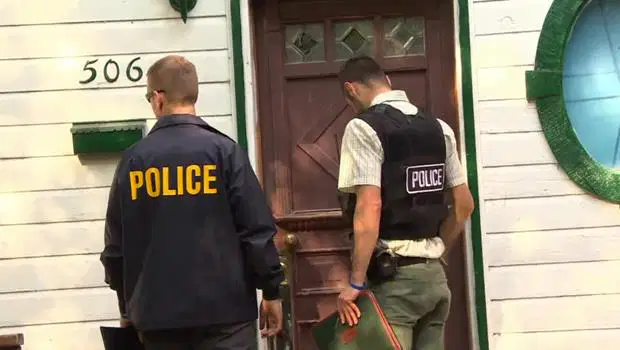
What should you probably say to a cop who wants to search your house?
Go ahead, I've nothing to hide.
Officer, I know you are just doing your job, but I don't consent to ANY searches.
Ask him why? See if he has a good reason. If he does, let him in.
Try to talk him out of it.

Why is it important to keep your car clean?
So it don't smell and you can pick up girls.
So officers don't claim they see or smell something illegal.
Who cares? A little garbage is ok.
It will run much better if it's clean.

What does the "in plain view" rule mean?
Officers can't search you if they see something illegal in plain view.
Officers are never allowed to search you unless you are under arrest.
Officers can search you if they see something illegal in plain view.

What should you probably say if you are put under arrest?
Lie, lie, lie.
Nothing, except I want a lawyer.
Try to talk your way out.
Confess, they'll help you out if you do.
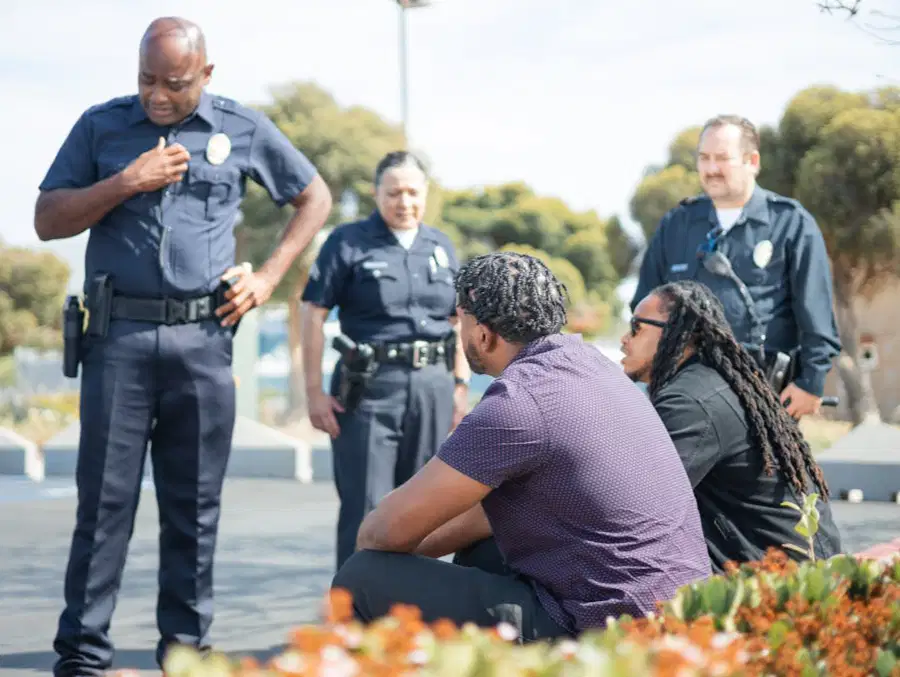
Finish the following sentence, "Officer are you detaining me or ....
would you like me to answer more questions?
am I free to go?
can we make a deal?
shall we dance?

Why is running from the police ALWAYS a very bad idea?
Cops will most likely catch you anyway.
It gives them a legal reason to search you and they may shoot at you.
You may trip, fall and get hurt.

What are the first 10 Amendments to the Constitution called?
Articles of Confederation
The Constitution
The Bill of Rights
The Gettysburg Address.

Which Amendment protects you from illegal police searches?
1st
2nd
3rd
4th

Why is it very important to control your temper and be polite in a police encounter?
Because you do not want to make things worse.
You don't have to do nothing. It's your rights.

When do police have the right to pat you down for weapons?
ANYTIME they want.
NEVER. No search warrant, NO SEARCH!
When someone looks suspicious.
When they have reason to believe you have a weapon or you are threatening them..
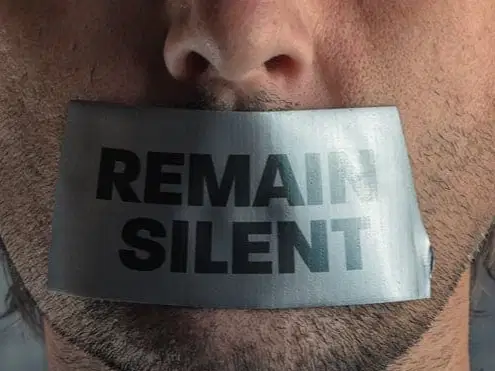
What should you do if you are placed under arrest?
Politely answer all questions.
Don't talk except to ask for a lawyer.
Politely answer all questions and ask for a lawyer.
Tell the truth but lie if you need to.

Can police lie to you?
Yes
No

What does the 4th Amendment say?
You have the right to remain silent, and anything you say will be used against you.
You have the right to be free from unwarranted searches and seizures.

What should you do after an unruly or unfair police encounter?
Forget it as soon as possible.
Immediately file a police complaint.
March down to the police station and tell someone off.

Why are filing police complaints so important?
To get back at bad police officers and get them punished.
Because nothing will change for the better if you don't.
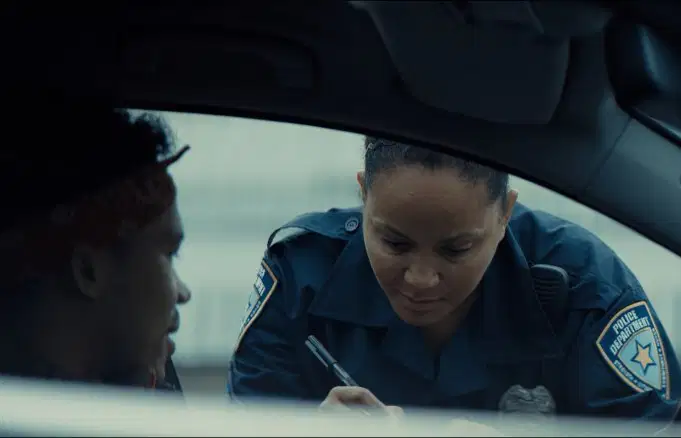
The most important thing during police encounters is to...
Stay calm, polite and aware.
Never admit to anything and lie if you have to.
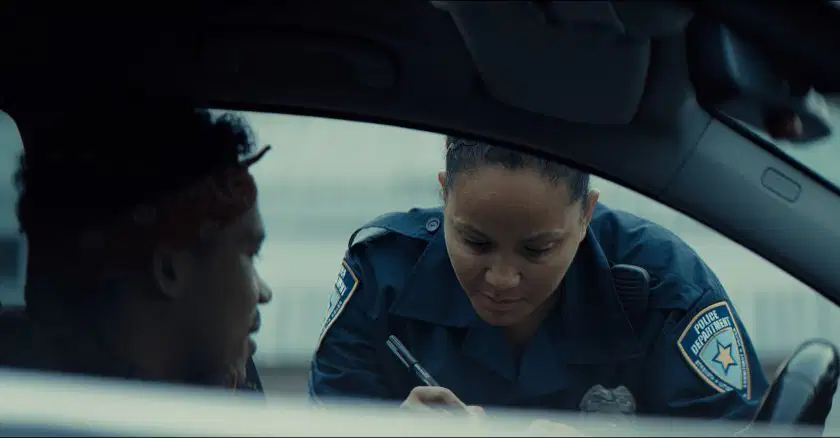
What's another thing to say if a police officer keeps asking you questions?
Not to be rude, but I have a therapist to talk to when I'm lonely.
Why don't I give you my number so I can answer all your questions later?
Officer, I you know you are just doing your job but I have nothing further to discuss.
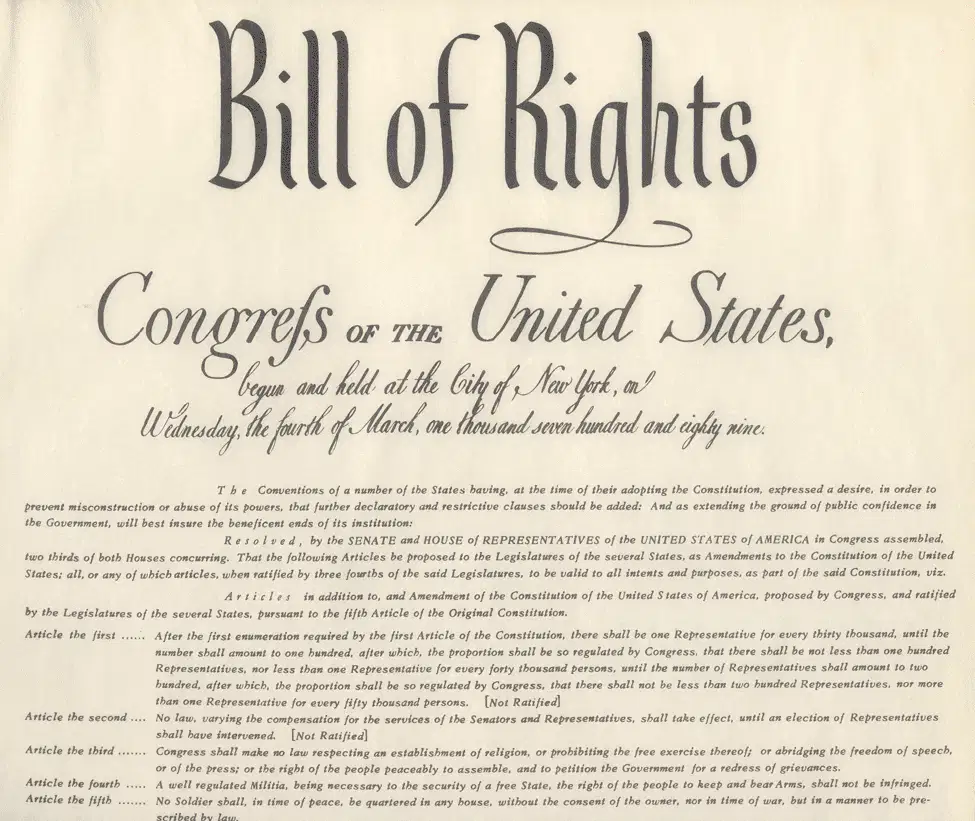
Which Amendment says that you can NOT be searched unless police have a good reason to believe you've committed a crime?
1st.
2nd.
4th.
5th.
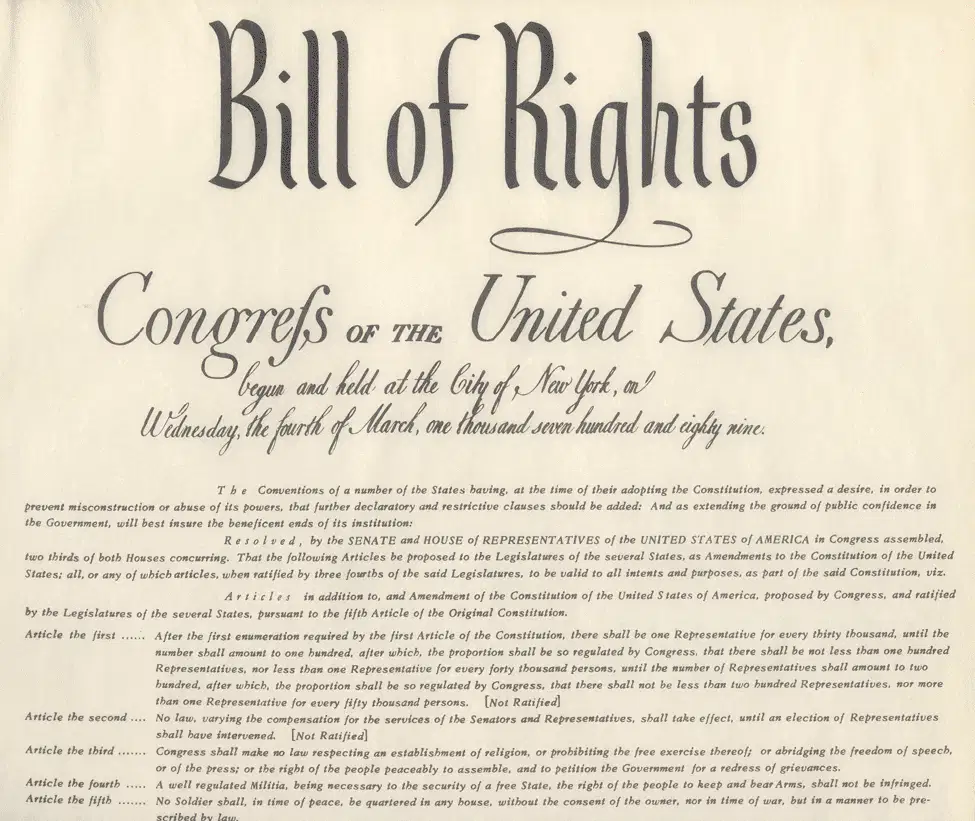
Which Amendment says you have the right to speak freely?
1st.
2nd.
4th.
5th.
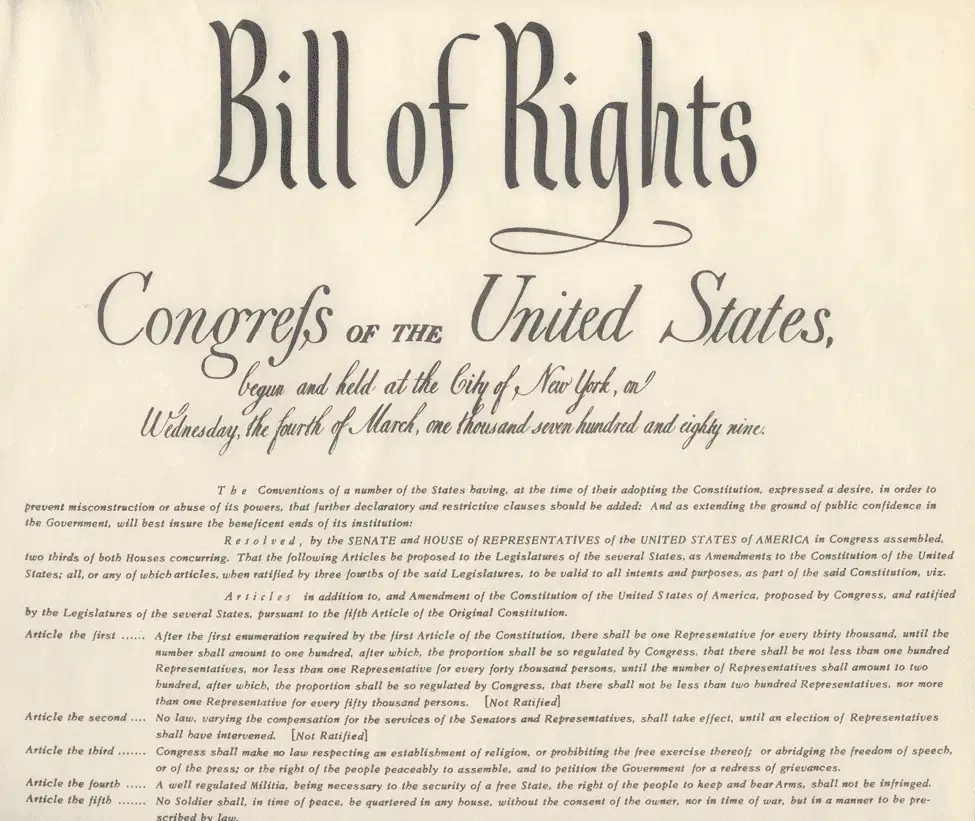
Which Amendment protects your right to remain silent whenever you wish?
1st.
2nd.
4th.
5th.

Do you have the right to remain silent AFTER you are arrested?
Yes, that is what the 4th Amendment is all about.
No.

Do you have the right to remain silent BEFORE you are arrested?
Yes, you have the right to remain silent anytime.
No, your Miranda rights only apply AFTER you are arrested.

