
 Worksheets
Stars and Galaxies
Total questions: 70
Worksheet time: 2hrs 32mins
Name
Class
Date
1.
What is the main element in a stars composition?
a)
Hydrogen
b)
Helium
c)
Lithium
d)
Heavy Elements
2.
Is the sun a star?
a)
yes
b)
no
3.
The color of the star tells us its
a)
composition
b)
Temperature
c)
Luminosity
d)
Mass
4.
The hottest color star is
a)
Blue
b)
White
c)
Yellow
d)
Red
5.
The only objects in our Universe that produces and emits its own light is
a)
Nebulas
b)
Comets
c)
Planets
d)
Stars
6.
What do we use to classify the temperature, brightness, and size of stars?
a)
Color
b)
The star's shape
c)
H-R Diagram
7.
Which statement describes stars from coolest to hottest?
a)
blue, white, red, orange
b)
white, yellow, orange, red
c)
orange, yellow, blue white
d)
red, orange, yellow, white, blue
8.
Galaxies are composed of
a)
millions of stars
b)
trillions of stars
c)
billions of stars, dust and gas
9.
True or False:
Star patterns are called constellations.
Star patterns are called constellations.
a)
T
b)
F
10.
What is the term used for a cloud of gas and dust?
a)
gas giant
b)
solar dust
c)
solar cloud
d)
nebula
11.
A small, hot star near the end of its life is a star called a
a)
white dwarf
b)
red dwarf
c)
supergiant
d)
protostar
12.
As gravity pulls gas and dust into a sphere that becomes denser and hotter, and a sunlike star begins to form, it is called a(n)
a)
white dwarf
b)
red dwarf
c)
supergiant
d)
protostar
13.
a gigantic explosion that causes the death of a large star
a)
pulsar
b)
red giant
c)
supernova
d)
black hole
14.
a spinning neutron star that emits rapid pulses of energy
a)
red giant
b)
pulsar
c)
black hole
d)
supernova
15.
a massive and dense object from which not even light can escape
a)
black hole
b)
supernova
c)
pulsar
d)
red giant
16.
The HR Diagram shows a relationship of a star's surface temperature and its
a)
color
b)
size
c)
apparent magnitude
d)
absolute magnitude
17.
The color of a star depends on its
a)
size
b)
temperature
c)
shape
d)
magnitude
18.
What can a scientist learn about a star from its spectrum
a)
its color
b)
its size
c)
its composition and temperature
d)
its age
19.
What color are the hottest stars?
a)
red
b)
yellow
c)
orange
d)
blue
20.
an apparent shift in the position of an object when viewed from different locations
a)
light year
b)
absolute magnitude
c)
parallax
d)
spectrum
21.
the distance light travels in a year
a)
parallax
b)
absolute magnitude
c)
apparent magnitude
d)
light year
22.
the band of colors produced when white light passes through a prism
a)
light year
b)
prism
c)
parallax
d)
spectrum
23.

What word best describes our sun?
a)
Average
b)
Supergiant
c)
Dwarf
d)
Red Giant
24.
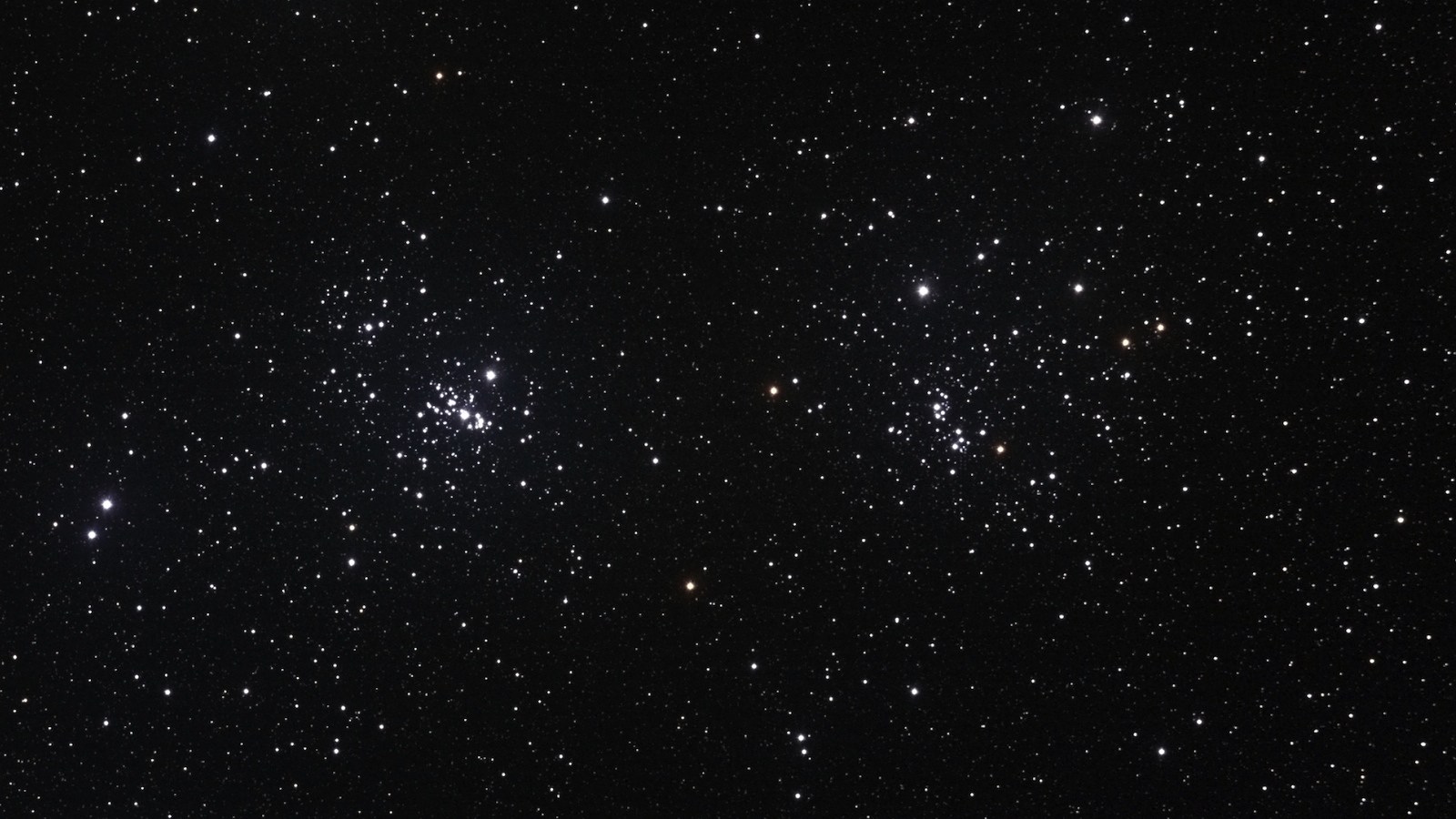
Why do other stars appear so much smaller than the sun?
a)
They are much smaller
b)
They are so far away
c)
They are not as bright
d)
They are dwarf stars
25.

What color of star is the hottest?
a)
Blue
b)
Red
c)
Yellow
d)
Orange
26.

What color of star is the coolest?
a)
Red
b)
Yellow
c)
Blue
d)
White
27.

What is the name of the largest stars?
a)
Protostars
b)
Supergiants
c)
Red Giants
d)
Dwarf Stars
28.

What is the name of baby stars?
a)
Dwarf
b)
Supergiant
c)
Protostars
d)
Nebulas
29.
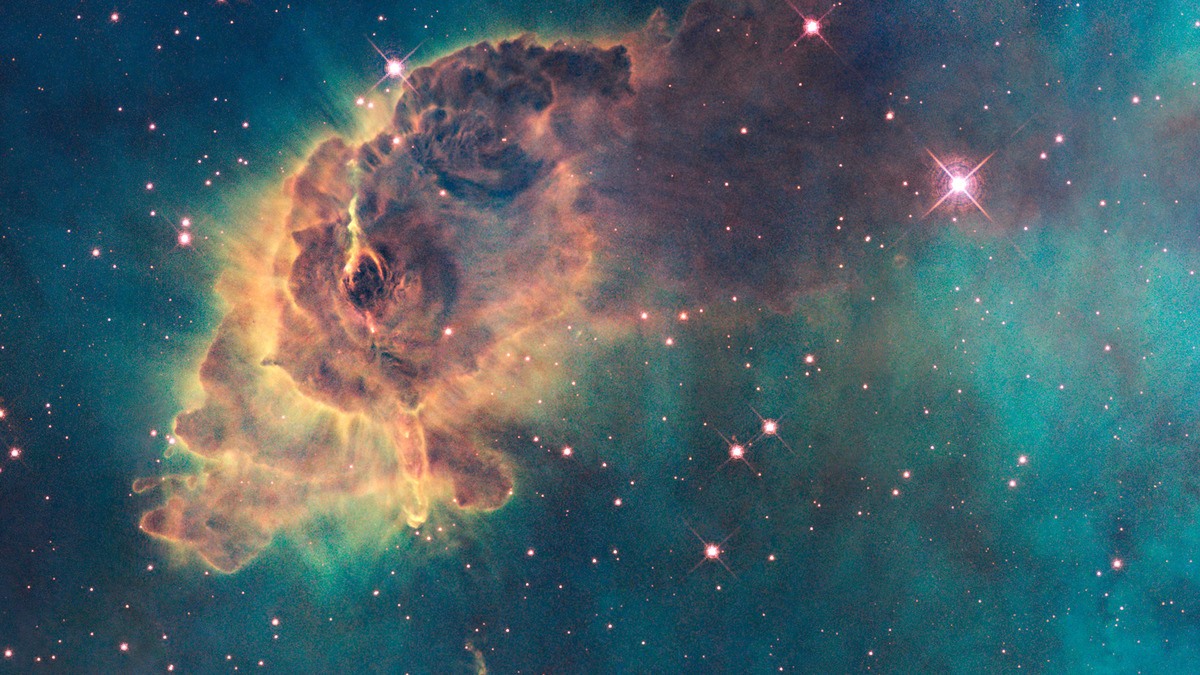
What is the name of the gas/dust clouds that form stars?
a)
Nebulas
b)
Protostars
c)
Supernova
d)
Neutron Star
30.
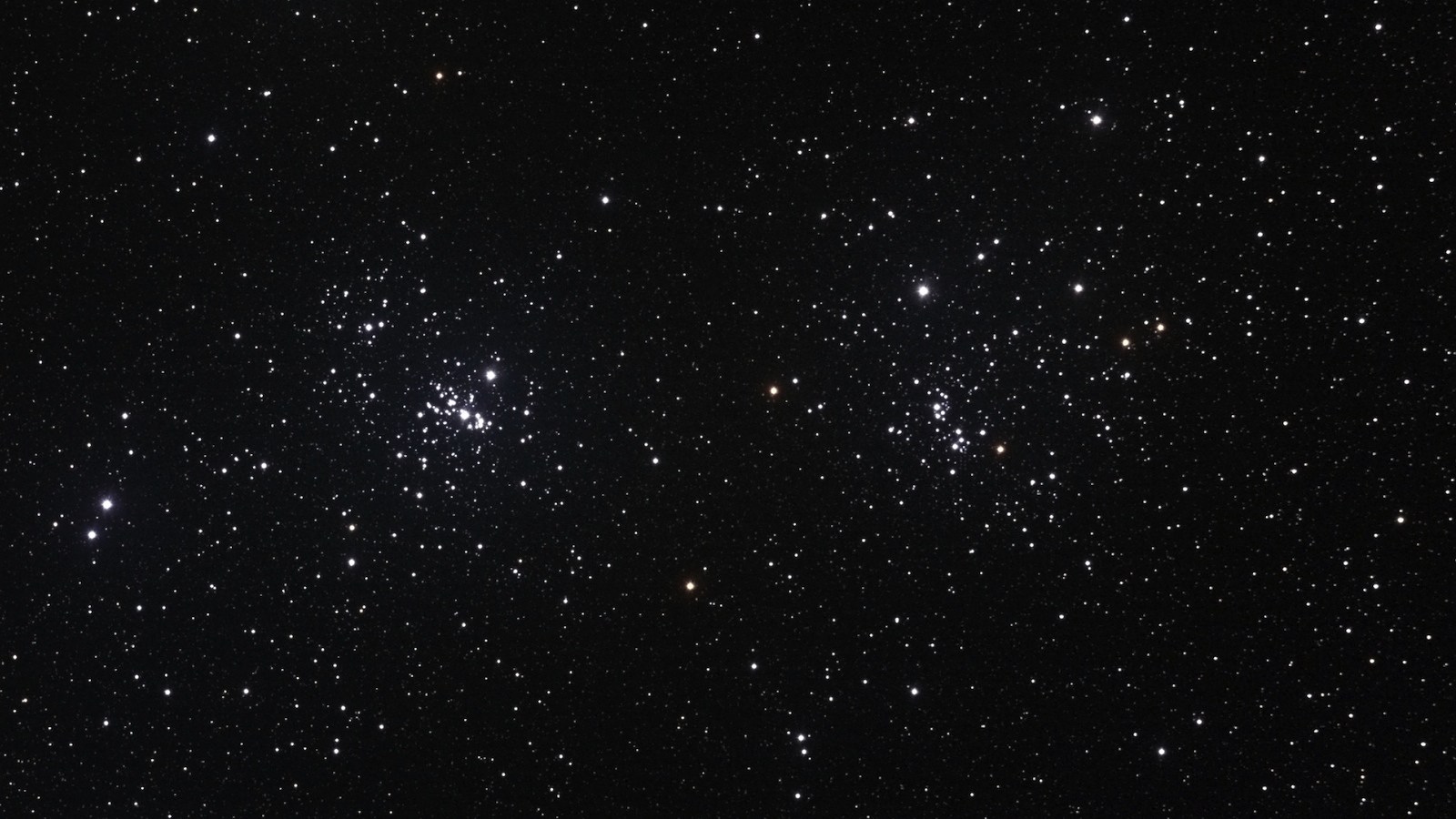
True or False
Stars are really close together in outer space.
Stars are really close together in outer space.
a)
True
b)
False
31.

True or False
Constellations are stars that appear to be in a pattern.
Constellations are stars that appear to be in a pattern.
a)
True
b)
False
32.
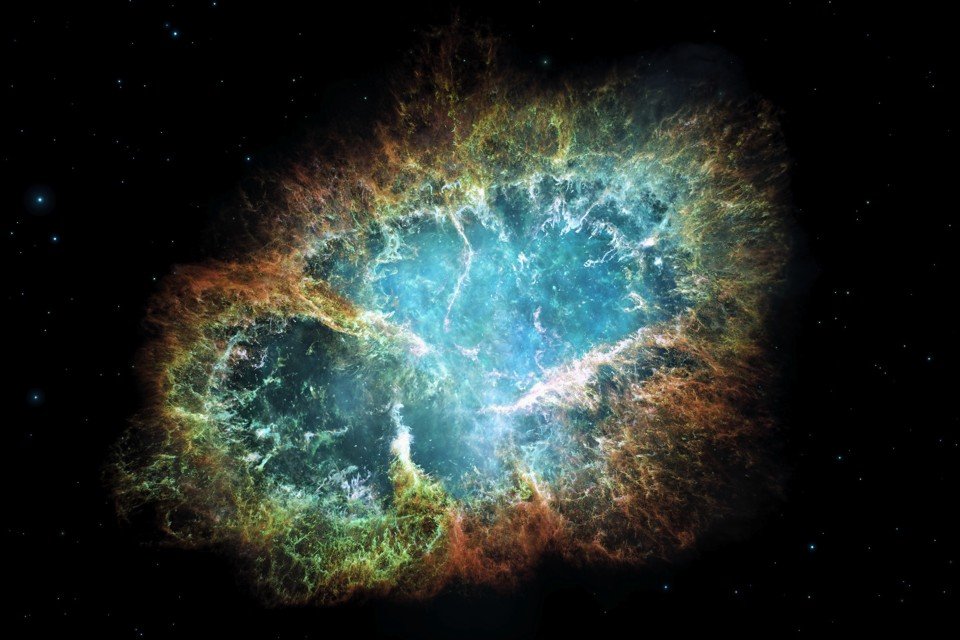
What is the name of the explosion at the death of a massive star?
a)
Supergiant
b)
Supernova
c)
Black Hole
d)
Nebula
33.

To get the sun to appear bigger in our sky, how would the distance between the sun and earth have to change?
a)
Earth would have to move closer to the sun
b)
Earth would have to move farther from the sun
34.

What are stars?
a)
Rocky bodies
b)
Hot exploding balls of gas
c)
5 pointed shapes
d)
Hollywood actors
35.

True or False
The Sun is the biggest star in the sky.
The Sun is the biggest star in the sky.
a)
True
b)
False
36.
absololute magnitude is?
a)
how far a star is
b)
how bright a star really is
c)
how bright a star looks from distance
d)
how much energy a star gives
37.
apparent magnitude is
a)
how far a star is
b)
how bright a star really is
c)
how bright a star looks from distance
d)
how much energy a star gives
38.
Scientist use what to determine how how hot and bright a star are?
a)
grids
b)
color
c)
computers
d)
telescopes
39.
A red star is?
a)
hotter
b)
dryer
c)
wetter
d)
cooler
40.
A yellow star is?
a)
hot
b)
medium
c)
cold
d)
light
41.
a group of stars in the sky whos patterns form a picture is a
a)
constellation
b)
cave painting
c)
milky way
d)
sun
42.
The constellation Orion appears as a
a)
Bull
b)
Bear
c)
Hunter
d)
Warrior
43.
stars vary in 3 things name them?
a)
brightness, size, temperature
b)
brightness , sparkle, color
c)
brightness, size, color
d)
sparkle, wishes, coloor
44.
_________ light is the type of light that humans can see.
a)
electromagnetic
b)
visible
c)
infrared
45.
A ___________ telescope detects radio waves from objects in space.
a)
reflecting
b)
refracting
c)
radio
46.
Telescopes work by detecting forms of ________________ radiation.
a)
ultraviolet
b)
gamma
c)
electromagnetic
47.
____________ magnitude is the brightness a star would have if it were at a specific distance from Earth.
a)
Absolute
b)
Apparent
c)
Relative
48.
______________ are formed when the most massive stars collapse and die.
a)
Supergiants
b)
Supernovas
c)
Black holes
49.
A _____________ galaxy has a characteristic pinwheel shape.
a)
spiral
b)
elliptical
c)
irregular
50.
A __________ forms when a dying giant star suddenly explodes.
a)
supernova
b)
white dwarf
c)
neutron star
51.
All stars begin as part of a large amount of gas and dust called a
a)
galaxy
b)
interstallar medium
c)
nebula
52.
A protostar becomes a star when energy is released during _______________.
a)
nuclear fusion
b)
nuclear explosion
c)
big bang
53.
The brightness of a star as seen from Earth is its apparent magnitude.
a)
True
b)
False, absolute
54.
A star that has no fuel but glows faintly is a black dwarf.
a)
True
b)
False, white
55.
Stars with less mass will last longer than stars with more mass.
a)
True
b)
False, shorter
56.
A star system has at least three stars.
a)
True
b)
False, two
57.
A range of colors formed when white light passes through a prism is called a _______.
a)
spectrum
b)
lens
c)
photograph
58.
A light-year is
a)
the distance light travels in a year.
b)
the distance from Earth to Proxima Centauri.
c)
the amount of light the sun produces in a year.
59.
Parallax is a method used to determine a star's _______.
a)
temperature
b)
composition
c)
distance from Earth
60.
Stars are classified according to their ______, ______, and ______.
a)
distance, size, and color
b)
color, brightness, and temperature
c)
size, brightness, and temperature
61.
All stars begin their lives as parts of ______.
a)
nebulas
b)
double stars
c)
protostars
62.
The lifetime of a star depends on its _______.
a)
mass
b)
temperature
c)
brightness
63.
A supernova is the explosion of a dying _________.
a)
giant or supergiant star
b)
protostar
c)
nebula
64.
More than half of all stars are members of groups of two or more stars called
a)
star clusters
b)
star systems
c)
galaxies
65.
The brightness of a star depends on its ______.
a)
size and temperature
b)
distance and temperature
c)
color and temperature
66.
The force that tends to pull together the matter in stars is ________.
a)
nuclear fusion
b)
gravity
c)
nuclear fission
67.
A supernova is the ________ of a dying giant or supergiant star.
a)
remains
b)
explosion
c)
result
68.
A star's life begins when gas and dust in a nebula contract to form a __________.
a)
white dwarf
b)
protostar
c)
supernova
69.
When a star begins to run out of fuel, it can become either a ________ or a __________.
a)
white dwarf, black dwarf
b)
red giant, supergiant
c)
protostar, neutron star
70.
A __________________________ is a huge collection of stars, gases, and dust that is classified by shape.
a)
galaxy
b)
Big Bang Theory
c)
light-year
100 %

