
 Worksheets
ACP randoms
Total questions: 70
Worksheet time: 42mins
Name
Class
Date
1.

match the art movement
a)
environmental art
b)
impressionism
c)
cubism
d)
surrealism
2.

match the art movement
a)
Cubism
b)
Environmental Art
c)
Impressionism
d)
Surrealism
3.

match the art movement
a)
Renaissance Art
b)
Social Realism
c)
Impressionism
d)
Surrealism
4.

match the art movement
a)
Cubism
b)
Social Realism
c)
Impressionism
d)
Surrealism
5.

match the art movement
a)
German Expressionism
b)
Renaissance Art
c)
Impressionism
d)
Surrealism
6.

match the art movement
a)
German Expressionism
b)
Social Realism
c)
Impressionism
d)
Surrealism
7.

match the art movement
a)
German Expressionism
b)
Social Realism
c)
Cubism
d)
Surrealism
8.

match the art movement
a)
German Expressionism
b)
Social Realism
c)
Cubism
d)
Surrealism
9.

match the art movement
a)
German Expressionism
b)
Social Realism
c)
Cubism
d)
Surrealism
10.

match the art movement
a)
Impressionism
b)
Social Realism
c)
Renaissance Art
d)
Surrealism
11.

match the art movement
a)
German Expressionism
b)
Social Realism
c)
Renaissance Art
d)
Surrealism
12.

match the art movement
a)
Environmental Art
b)
Cubism
c)
Social Realism
d)
Surrealism
13.

match the art movement
a)
Environmental Art
b)
Cubism
c)
Social Realism
d)
Surrealism
14.

match the art movement
a)
Environmental Art
b)
Social Realism
c)
Impressionism
d)
Surrealism
15.

match the art movement
a)
Environmental Art
b)
Social Realism
c)
Impressionism
d)
Surrealism
16.

Name the Art Movement
a)
Renaissance
b)
Social Realism
c)
Surrealism
d)
Impressionism
17.

Name the Art Movement
a)
Cubism
b)
Surrealism
c)
German Expressionism
d)
Impressionism
18.

Name the Art Movement
a)
German Expresionism
b)
Social Realism
c)
Surrealism
d)
Environmental Art
19.

Name the Art Movement
a)
Cubism
b)
Surrealism
c)
Social Realism
d)
Impressionism
20.

Name the Art Movement
a)
Cubism
b)
Surrealism
c)
German Expressionism
d)
Impressionism
21.

Name the Art Movement
a)
Social Realism
b)
Renaissance
c)
German Expressionism
d)
Impressionism
22.

Name the Art Movement
a)
Cubism
b)
Renaissance
c)
German Expressionism
d)
Impressionism
23.

Name the Art Movement
a)
Cubism
b)
Surrealism
c)
German Expressionism
d)
Impressionism
24.

Name the Art Movement
a)
Cubism
b)
Surrealism
c)
German Expressionism
d)
Impressionism
25.

Name the Art Movement
a)
Cubism
b)
Surrealism
c)
German Expressionism
d)
Impressionism
26.

Name the Art Movement
a)
Social Realism
b)
Environmental Art
c)
Surrealism
d)
Impressionism
27.

Name the Art Movement
a)
Cubism
b)
Renaissance
c)
Surrealism
d)
Impressionism
28.
Which Element of Art makes your eye travel around a piece?
a)
Line
b)
Movement
c)
Form
d)
Shape
29.
"Texture is only relevant to 3-dimensional art."
a)
True
b)
False
30.
The way a work of art "feels."
a)
Form
b)
Texture
c)
Value
d)
Organic
31.
Positive is what is there, negative is where there isn't anything.
a)
Space
b)
Shape
c)
Line
d)
Form
32.
Shapes reflecting those found in nature.
a)
Geometric
b)
Organic
c)
Symmetry
d)
Biological
33.
Clearly-defined shapes, often using many straight lines, that feel man-made or "unnatural."
a)
Geometric
b)
Form
c)
Texture
d)
Organic
34.
_______ tends to be 2-dimensional, while _______ refers to how an object takes up 3-dimensional space.
a)
Line, Movement
b)
Movement, Line
c)
Form, Shape
d)
Shape, Form
35.
Which two Elements are commonly confused for each other?
a)
Space and Shape
b)
Space and Form
c)
Line and Movement
d)
Shape and Form
36.

How is space created in this artwork?
a)
Overlapping
b)
Change in values
c)
Size
d)
All of the above
37.
A three-dimensional object is called:
a)
a square
b)
a mold
c)
a form
d)
a circle
38.
The area around, above or inside an object is called:
a)
form
b)
perspective
c)
contrast
d)
space
39.
Texture is which of the following?
a)
How the paper you are drawing on feels like.
b)
How we perceive things with our eyes
c)
How something feels or how it looks like it feels.
d)
How we feel things
40.
What types of space can there be?
a)
Positive and neutral
b)
Only Positive
c)
Negative and neutral
d)
Negative and Positive
41.

a)
Space
b)
Line
c)
Value
d)
Form
42.

a)
Color
b)
Texture
c)
Value
d)
Form
43.

a)
Shape
b)
Line
c)
Texture
d)
Space
44.

This is an element of art defined by a point moving in space. It may be two-or three-dimensional, descriptive, implied, or abstract.
a)
Shape
b)
Color
c)
Line
d)
Form
45.

This is an element of art that is three-dimensional and encloses volume; includes height, width AND depth (as in a cube, a sphere, a pyramid, or a cylinder). Form may also be free flowing.
a)
Form
b)
Shape
c)
Texture
d)
Line
46.

This is the element of art that deals with the surface quality that can be seen and felt. They can be be rough or smooth, soft or hard.
a)
Color
b)
Form
c)
Texture
d)
Shape
47.

What element of art is best represented in this picture?
a)
Shape
b)
Line
c)
Texture
d)
Color
48.

This image shows an example of
a)
High contrast
b)
Low contrast
c)
Juxtaposition
d)
Symmetrical balance
49.
A type of balance in which the two sides of an artwork look equally important even though they are not alike
a)
Symmetrical balance
b)
Asymmetrical balance
c)
Radial balance
d)
Bilateral balance
50.
Comparing parts of a whole is called:
a)
Scale
b)
Proportion
c)
Contrast
d)
Balance
51.

This image shows an example of:
a)
Exaggerated scale
b)
Juxtaposition
c)
High contrast
d)
Exaggerated proportions
52.

This image shows an example of:
a)
Low contrast
b)
High contrast
c)
Juxtaposition
d)
Emphasis
53.

This image shows an example of:
a)
asymmetrical balance
b)
symmetrical balance
c)
radial balance
d)
physical balance
54.
Using similar elements to create a single theme
a)
unity
b)
variety
c)
emphasis
d)
space
55.
The appearance of motion is called:
a)
calibration
b)
animation
c)
design
d)
movement
56.

The relationship between objects in relation to size or number.
a)
Rhythm
b)
Movement
c)
Balance
d)
Proportion
57.

What is created when we put two different elements together?
a)
Contrast
b)
Rhythm
c)
Emphasis
d)
Unity
58.

Regular arrangement of repeated or alternated elements
a)
Rhythm
b)
Pattern
c)
Unity
d)
Movement
59.
A measure of how well the elements on the page work together to create harmony and wholeness, you are aware of the whole form before the individual parts
a)
Unity
b)
Movement
c)
Rhythm
d)
Proportion
60.
Using elements to direct a viewer's eye along a path through an artwork, can show action or motion, or can be called kinetic art.
a)
Variation
b)
Formal Balance
c)
Movement
d)
Rhythm
61.
Concerned with the distribution of visual interest -- what is where in a composition, can be formal (symmetrical), informal (asymmetrical), or radial.
a)
Balance
b)
Proximity
c)
Proportion
d)
Movement
62.

Name the Principle of Design
a)
Balance
b)
Proportion
c)
Unity
d)
Emphasis
63.

Name the Principle of Design
a)
Movement
b)
Variety
c)
Proportion
d)
Emphasis
64.
Which of the following are types of texture?
a)
rough
b)
wet
c)
hairy
d)
all of these
65.

This picture shows what type of balance?
a)
radial
b)
symmetrical
c)
asymmetrical
d)
rock
66.
A synonym for "unity" is ...
a)
harmony
b)
single
c)
disarray
d)
chaos
67.

This picture shows the use of ...
a)
angry chicks as workers
b)
a farmer's tractor
c)
proportion and scale
d)
movement
68.
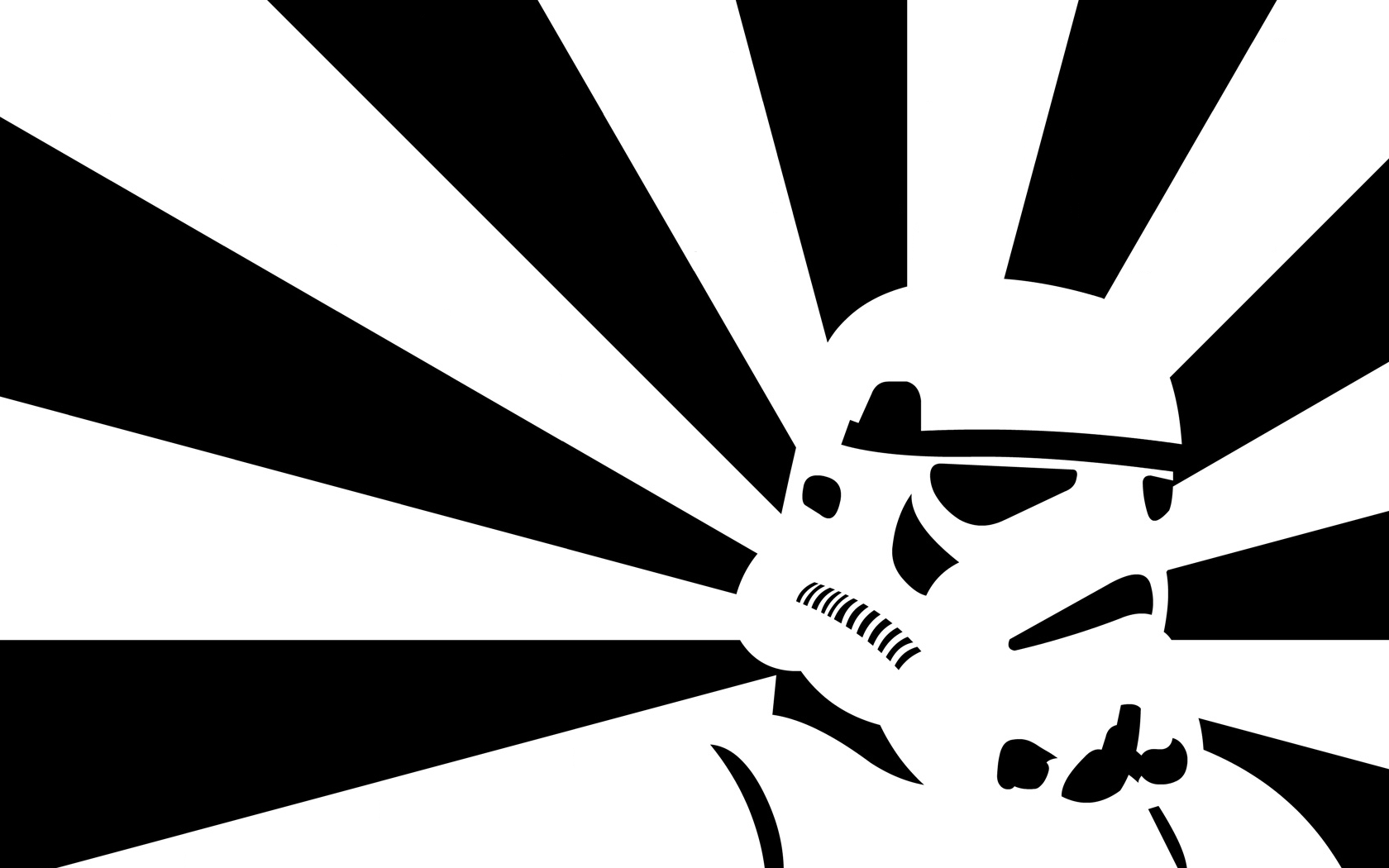
This image is a good example of which principle?
a)
value
b)
space
c)
movement
d)
contrast
69.
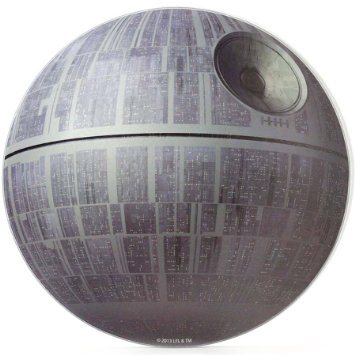
This image is a good example of which element?
*hint- three dimensional
*hint- three dimensional
a)
rhythm
b)
contrast
c)
form
d)
shape
70.

Which Principle of Design fits this definition?
"The consideration of weight and importance in an art piece."
"The consideration of weight and importance in an art piece."
a)
Balance
b)
Unity
c)
Proportion
d)
Movement
100 %

