
 Worksheets
Genetics Review
Total questions: 28
Worksheet time: 25mins
Name
Class
Date
1.

An offspring will receive how many alleles from each parent to determine a specific trait?
a)
One
b)
Two
c)
Three
d)
Five
2.

Genotype refers to the
a)
Physical expression of the genes
b)
The possible combination of alleles in a gene
c)
Whether an allele is dominant or recessive
d)
How an organism will appear
3.

What part of the chromosome codes for traits?
a)
Genes
b)
Deoxyribonucleic Acid
c)
Chromosomes
d)
Nucleus
4.
What is a phenotype?
a)
The genetic make up (code)
b)
The physical trait
5.
The passing of genetic traits from parent to offspring is
a)
Heredity
b)
Trait
c)
Gene
d)
Allele
6.
An allele whose trait only shows up when no dominant allele is present is called a
a)
Hidden allele
b)
Dominant allele
c)
Recessive allele
d)
Present allele
7.
G = green, g = yellow
The genotype for a yellow plant is...
The genotype for a yellow plant is...
a)
GG
b)
Gg
c)
gg
d)
All of the choices result in yellow
8.
One form of a gene is called
a)
A DNA
b)
A phenotype
c)
A trait
d)
An allele
9.

The condensed or packaged form of DNA is called
a)
An allele
b)
A gene
c)
A chromosome
d)
A phenotype
10.
Which of the following genotypes would be considered heterozygous?
a)
BB
b)
gg
c)
Ff
d)
TT
11.
What characteristic would a child not inherit from parents?
a)
Freckles
b)
Eye color
c)
Hair style
d)
Dimples
12.
Which of the following alleles is homozygous recessive?
a)
Tt
b)
tt
c)
TT
d)
T
13.
Dominant alleles are represented by a
a)
Male gene
b)
Lowercase letter
c)
Recessive trait
d)
Capital letter
14.
Almost all adaptations started off as
a)
Selective breeding
b)
Physiological
c)
Structural
d)
A mutation
15.
Why are advantageous traits more likely to be passed onto offspring?
a)
Because they are more likely to survive and reproduce.
b)
Because they come from dominant alleles.
c)
Because they come from recessive alleles.
d)
Because the trait is an acquired phenotype.
16.
____ is when members of a species that are best suited for their environment survive and reproduce at a higher rate than other members of the species.
a)
Natural selection
b)
Artificial selection
c)
Speciation
d)
Adaptation
17.

Charles Darwin noticed that birds of the Galapagos Islands were very similar in size and shape but their beaks were very different. What is the explanation for birds having different beaks?
a)
Gathering food
b)
Building nests
c)
Fighting
d)
Scaring predators
18.

When humans breed organisms with specific traits to influence the traits of the next generation, it is __________.
a)
Adaptation
b)
Natural breeding
c)
Natural selection
d)
Selective breeding
19.

Which is an example of SELECTIVE BREEDING ?
(also called artificial selection)
(also called artificial selection)
a)
A giraffe’s long neck.
b)
Training a horse to run faster.
c)
Clipping a horse’s tail so it is not too long.
d)
Crossing a labrador retriever with a poodle.
20.

Using this dichotomous key, identify the name of the circled Fish, J.
a)
Peacock flounder
b)
Band-tail puffer
c)
Trumpet fish
d)
Spotted goat fish
21.

What is the name of bird Z?
a)
Certhidea
b)
Geospiza
c)
Camarhynchus
d)
Platyspiza
22.

A dichotomous key for trees is provided. Hikers found a tree that has large brown cones and single sharp needles. What species of tree have the hikers found?
a)
Juniper
b)
Pine
c)
Spruce
d)
Fir
23.
What are some of the facts about sexual reproduction?
a)
Takes two mates to reproduce and takes a longer time to reproduce
b)
Takes one mate to reproduce and takes a shorter amount of time to reproduce
c)
Takes two mates to reproduce and takes a shorter amount of time to reproduce
d)
Takes one mate to reproduce and takes a shorter amount of time to reproduce
24.
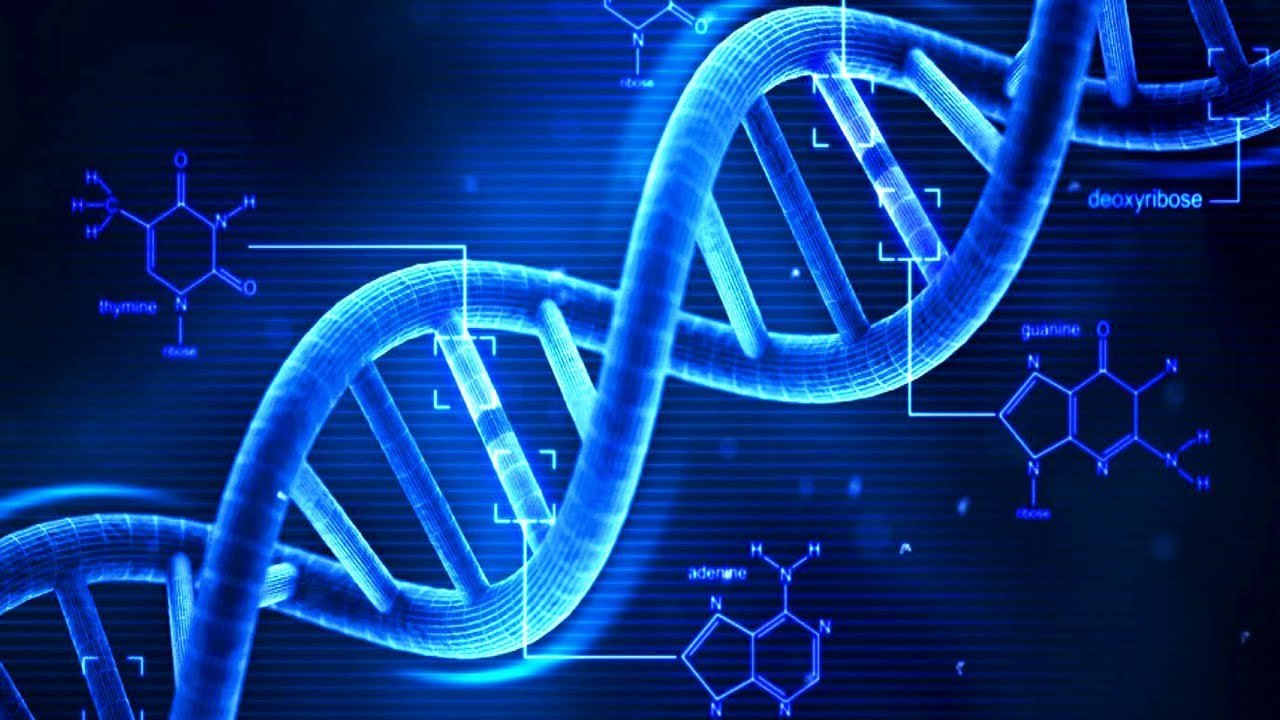
When comparing the offspring of sexually and asexually reproducing organisms, we would expect the genetic material (DNA) of the sexually reproducing organism to -
a)
Contain fewer mutations
b)
Be lesser in quantity
c)
Be simpler overall
d)
Show more variation
25.
Where does an offspring get its traits in asexual reproduction?
a)
From both parents
b)
From only one parent
c)
From neither parent
d)
There are no traits handed down
26.
What is an advantage of sexual reproduction?
a)
Allows genetic variation
b)
Only needs one parent
c)
Happens very quickly
d)
Offspring are exact copies of parent
27.
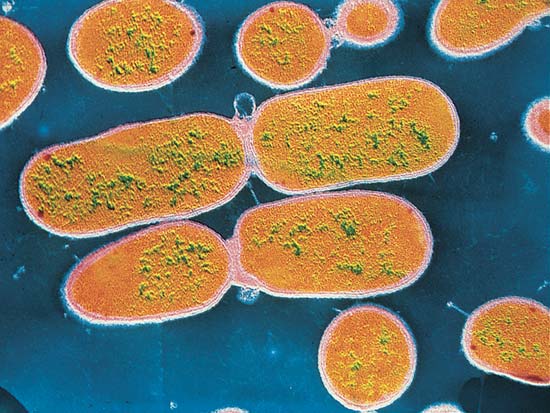
The offspring from asexually reproduced organisms are
a)
Different than their parents
b)
Identical to parents
c)
Like a combination from both parents
d)
A different species
28.
What are some of the facts about asexual reproduction?
a)
Takes only one mate to reproduce and takes a longer time to reproduce
b)
Takes a shorter amount of time to reproduce and it takes two mates to reproduce
c)
Reproduces diverse offspring and takes a longer time to reproduce
d)
Takes only one mate to reproduce and takes a shorter time to reproduce
100 %

