
 Worksheets
Final Review
Total questions: 60
Worksheet time: 59mins
Name
Class
Date
1.

Which graph best represents a graph of a car travelling down a freeway at a CONSTANT speed?
a)
A
b)
B
c)
C
d)
D
2.

If forces acting on an object are balanced, then there _________ be a change in motion
a)
will
b)
will not
3.

a change in position is defined as
a)
force
b)
motion
c)
speed
d)
acceleration
4.

Potential energy refers to objects that have ________________________ .
a)
changing chemically
b)
stored energy
c)
in motion
d)
changing electrically
5.
Which form of energy is from moving objects?
a)
Gravitational
b)
Kinetic
c)
Speed
d)
Elastic
6.
a force that causes a change in motion of an object
a)
friction
b)
balanced force
c)
unbalanced force
d)
force
7.
a push or a pull acting upon an object
a)
force
b)
motion
c)
energy
d)
friction
8.
a tendency of an object to resist change in its state of motion
a)
inertia
b)
kinetic energy
c)
potential energy
d)
force
9.
How do you calculate speed?
a)
Distance divided by time
b)
distance multiplied by time
c)
mass multiplied by acceleration
d)
force divided by acceleration
10.
Things in motion want to keep moving, things not moving want to stay at rest.
This is the definition of:
a)
Inertia
b)
Mass
c)
Gravity
d)
Simple machine
11.

Identify this simple machine
a)
Lever
b)
Wheel & Axle
c)
Inclined Plane
d)
Screw
12.
The device used to raise a flag up a flag pole is an example of a
a)
wheel and axle
b)
lever
c)
inclined plane
d)
pulley
13.
A simple machine that consists a rigid bar that pivot about a fixed point
a)
lever
b)
pulley
c)
wheel and axle
d)
fulcrum
14.
A seesaw is an example of a
a)
wedge
b)
lever
c)
inclined plane
d)
pulley
15.

When a pendulum swings, at which point is kinetic energy highest:
a)
1
b)
2
c)
3
d)
4
16.

When a pendulum swings, at which point is potential energy at its greatest
a)
1
b)
2
c)
3
d)
4
17.

At which point is potential energy greatest
a)
W
b)
X
c)
Y
d)
Z
18.
__________ energy is possessed by an object due to its motion or due to its position.
a)
chemical
b)
radiant
c)
mechanical
d)
heat
19.
What machine changes electrical energy into light and sound energy
a)
battery
b)
lightbulb
c)
alarm clock
d)
apple
20.

Look at the diagram. Which point does the ball have the maximum potential energy?
a)
A
b)
B
c)
C
d)
G
21.
Stores food and water for the cell.
a)
Cytoplasm
b)
Cell Wall
c)
Vacuole
d)
Nucleus
22.
Controls what enters and leaves the cell
a)
Mitochondria
b)
Cell Membrane
c)
Cell Wall
d)
Nucleus
23.
what is the control center in a cell
a)
mitochondria
b)
DNA
c)
nucleus
d)
movement
24.

What is the fluid inside a cell called?
a)
Endoplasimic Reticulum
b)
Orange Juice
c)
Water
d)
Cytoplasm
25.

This organelle helps plants keep their rigid structure.
a)
Cell wall
b)
Cell membrane
c)
Chloroplast
d)
Nucleus
26.
A group of tissues that work together to perform a similar function is called_____. (Examples include the heart, lungs or stomach)
a)
cells
b)
tissues
c)
organs
d)
organ system
27.
A group of cells that have similar functions? Examples are nervous, epithelial, muscle and connective
a)
cells
b)
tissues
c)
organs
d)
atoms
28.
Organs that work together to perform a related function is called _____________?
a)
cells
b)
tissues
c)
organ system
d)
organs
29.
Where are proteins made?
a)
Golgi body
b)
Mitoichondria
c)
Chromosomes
d)
Ribosomes
30.
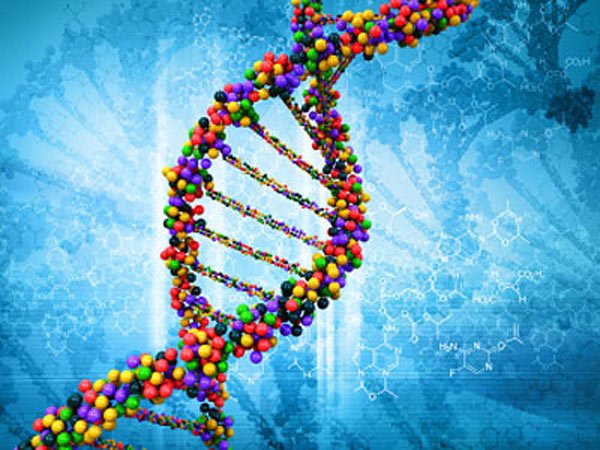
What is the name of the genetic material that is inside the nucleus?
a)
ER
b)
ATP
c)
YOLO
d)
DNA
31.
Which organelle is only found in a plant cell?
a)
nucleus
b)
chloroplast
c)
mitochondria
d)
cell membrane
32.
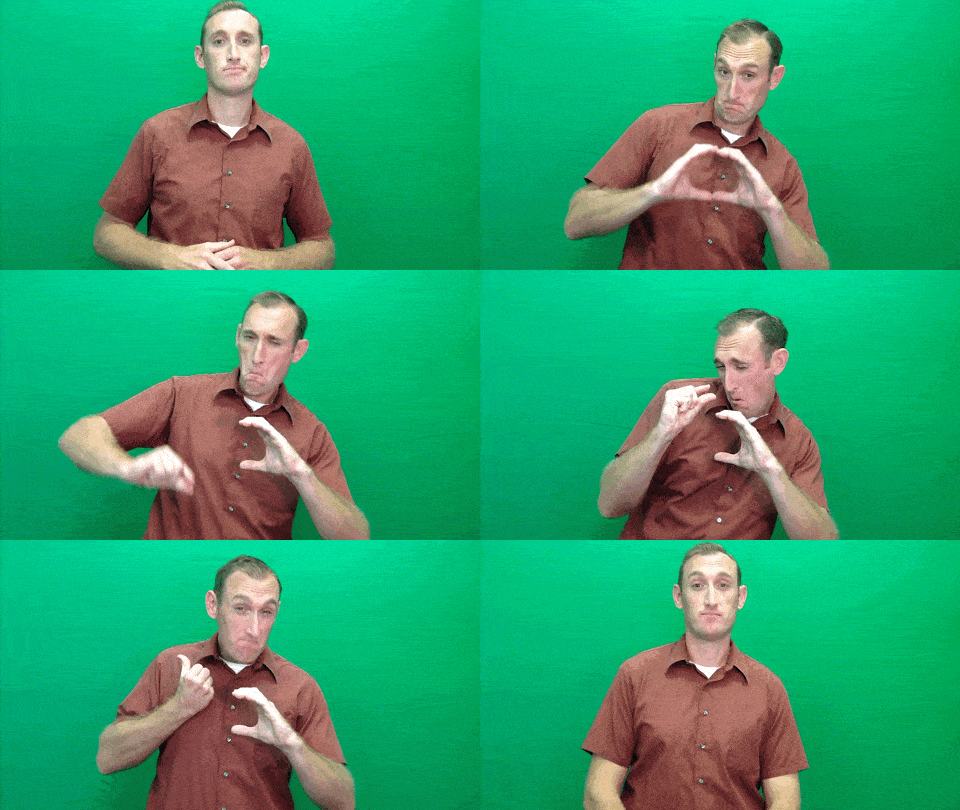
The ___________ is the basic unit of life
a)
organ
b)
cell
c)
atom
d)
tissue
33.
This organelle takes food and turns it into ENERGY for plant and animal cells.
a)
Chloroplast
b)
Mitochondria
c)
Lysosome
d)
Ribosome
34.
The main purpose of the ____________ system is to break food particles into pieces that can be used.
a)
circulatory
b)
respiratory
c)
digestive
d)
skeletal
35.
What is responsible for delivering oxygen and removing carbon dioxide from the body?
a)
cell nucleus
b)
excretory system
c)
nervous tissue
d)
respiratory system
36.
Which of the following body systems work together for support, protection, and movement?
a)
respiratory and cardiovascular
b)
skeletal and muscular
c)
skeletal and integumentary
d)
digestive and respiratory
37.

What body system consists of the kidneys?
a)
Circulatory
b)
Excretory
c)
Digestive
d)
Muscular
38.

Which system uses hormones to regulate body activities?
a)
Integumentary
b)
Urinary
c)
Endocrine
d)
Immune
39.
Which system detects information from the environment and directs the way your body responds to this information?
a)
excretory
b)
circulatory
c)
respiratory
d)
nervous
40.
Which system fights disease?
a)
excretory
b)
nervous
c)
immune
d)
digestive
41.
Which of the following best describes an adaptation?
a)
a trait that helps an organism survive
b)
any change in a gene or a chromosome
c)
any trait of an organism
d)
a trait that is passed from a parent to its offspring
42.
A homozygous dominant purple flower was bred with a homozygous recessive white flower. What is the probability that the offspring will have purple flowers?
a)
25%
b)
50%
c)
75%
d)
100%
43.
Mitosis results in _____ genetically _____ cells.
a)
2, different
b)
2, same
c)
4, different
d)
4, same
44.
Meiosis ends with
a)
2 genetically different cells
b)
2 genetically identical cells
c)
4 genetically different cells
d)
4 genetically identical cells
45.
What does the notation TT mean to a geneticist?
a)
recessive traits
b)
homozygous recessive alleles
c)
heterozygous alleles
d)
homozygous dominant alleles
46.

Genotype refers to the ...
a)
physical expression of the genes
b)
the possible combination of alleles in a gene
c)
whether an allele is dominant or recessive
d)
how an organism will appear
47.
Which of the following is a phenotype?
a)
BB
b)
Bb
c)
bb
d)
Blue eyes
48.
An allele whose trait only shows up when no dominant allele is present.
a)
hidden allele
b)
dominant allele
c)
recessive allele
d)
present allele
49.
Which of the following cell types is formed by meiosis?
a)
muscle cells
b)
skin cells
c)
sperm cells
d)
blood cells
50.
What is one advantage of sexual reproduction?
a)
offspring are identical to parents
b)
offspring are resistant to viruses
c)
offspring are born live, rather thna from eggs
d)
offspring inherit a wider variety of genetic information
51.
the condensed form of DNA is called________________
a)
an allele
b)
a gene
c)
a chromosome
d)
a phenotype
52.

Which protist is this??
a)
euglena
b)
paramecium
c)
amoeba
d)
prokaryotic
53.

What protist is in this picture?
a)
euglena
b)
paramecium
c)
amoeba
d)
autotroph
54.

What is the name of the structure shown in the model?
a)
cilia
b)
flagella
c)
amoeba
d)
pseudopod
55.

Which type of protist is shown in the picture?
a)
euglena
b)
paramecium
c)
amoeba
d)
eukaryotic
56.

Name this protist?
a)
Volvox
b)
Euglena
c)
Amoeba
d)
Paramecium
57.
The joining of an egg and a sperm is
a)
asexual reproduction
b)
sperm cells
c)
haploid
d)
fertilization
58.
Two parents needed
a)
sexual reproduction
b)
asexual reproduction
c)
zygotes
d)
sperm and egg cells
59.
A section of DNA on a chromosome
a)
chromosome
b)
gene
c)
chromatids
d)
DNA
60.
What are organelles that store food, water, and waste material?
a)
vacuoles
b)
cytoplasm
c)
cell wall
d)
golgi bodies
100 %

