
 Worksheets
Mineral
Total questions: 36
Worksheet time: 18mins
Name
Class
Date
1.
Which one of these is an silicon oxide???
a)
Gold
b)
Sand
c)
Silver
d)
Wood
2.
Minerals that contain silicon and oxygen are called:
a)
Carbonates
b)
Silicates
c)
Sulfates
d)
Sulfides
3.
Which is one of the three most common elements in Earth's crust?
a)
Calcium
b)
Sodium
c)
Silicon
d)
Quartz
4.
A silicate mineral must contain
a)
silicon and oxygen
b)
oxygen and carbon
c)
carbon and hydrogen
d)
silicon and carbon
5.

What mineral is used for pencils?
a)
Graphite
b)
Galena
c)
Magnetite
d)
Quartz
6.
How do you test the hardness of a mineral?
a)
Throw it against a wall
b)
Step on it
c)
Scratch Test
d)
Kick it until it breaks
7.
Which mineral smells like rotten eggs?
a)
talc
b)
sulfer
c)
mica
d)
pyrite
8.
A mineral's resistance to being scratched is called?
a)
streak
b)
luster
c)
hardness
d)
heft
9.

Which test is being shown in the following image?
a)
Streak Test
b)
Special Properties
c)
Density
d)
Scratch Test
10.
Which element helps prevent breakage of bones?
a)
Calcium
b)
Flourine
c)
Iodine
d)
Silicon
11.
Calcium is a mineral that helps build healthy ________.
a)
bones
b)
skin
c)
muscles
d)
hair
12.
99% of calcium in human body is present in ______ and bones.
a)
liver
b)
teeth
c)
hair
d)
heart
13.
What are some of the most common sources of calcium?
a)
apple, pineapple
b)
ice cream and vegetables
c)
prunes
d)
milk, cheese
14.
What element rusts?
a)
carbon
b)
iron
c)
manganese
d)
potassium
15.
What environmental element assists rusting?
a)
nitrogen
b)
carbon
c)
oxygen
d)
hydrogen
16.
Which gas is required for something to burn?
a)
Carbon dioxide
b)
Hydrogen
c)
Oxygen
d)
Water
17.
What are the 2 products of complete combustion (with lots of oxygen)?
a)
Carbon dioxide and water
b)
carbon and water
c)
carbon monoxide and water
d)
carbon dioxide and hydrogen
18.
Potassium
a)
Metal
b)
Non-metal
19.
Calcium
a)
Metal
b)
Non-metal
20.
Sulfur
a)
Metal
b)
Non-metal
21.
Magnesium
a)
Metal
b)
Non-metal
22.
Oxygen
a)
Metal
b)
Non-metal
23.
Nitrogen
a)
Metal
b)
Non-metal
24.

The step needed for sea plants and animals to become hydrocarbons is
a)
enormous heat and pressure
b)
shallow burial by sediments
c)
refining and processing
d)
drilling and distillation
25.
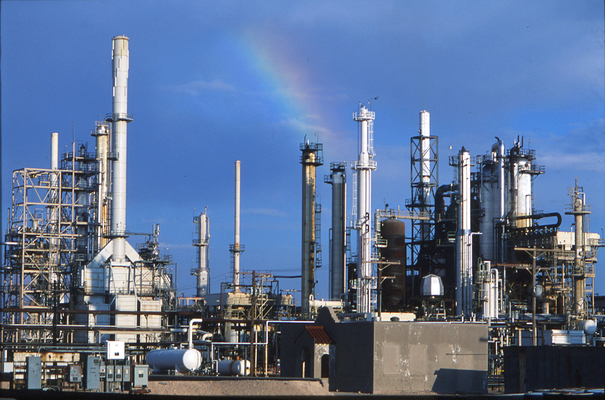
The job of an oil refinery is to
a)
transport the crude from the drill site
b)
separate crude into various types of fuel
c)
pump crude oil up to the surface
d)
mix separate types of fuel into crude
26.
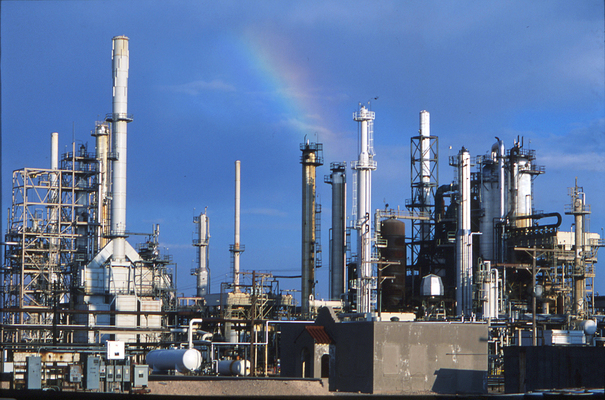
Distillation occurs where crude oil is separated into fuels by
a)
mixing it with corn starch and letting it settle
b)
putting it under intense pressure until it becomes solid
c)
heating it to different boiling points
d)
removing the sulfur particles from it
27.
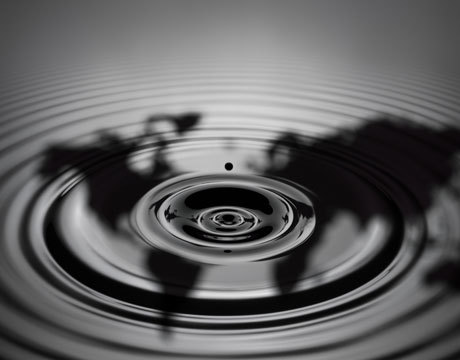
Drilling, refining, and using petroleum is responsible for which environmental hazard?
a)
air pollution
b)
water pollution
c)
groundwater pollution
d)
all 3 types of pollution
28.

What fossil fuel is in the image?
a)
Coal
b)
Natural Gas
c)
Petroleum
29.

What fossil fuel is in the image?
a)
Natural Gas
b)
Steam
c)
Coal
d)
Petroleum
30.
Which fossil fuel is the remains of ancient plants?
a)
Coal
b)
Petroleum
c)
Natural Gas
31.
This is another name for Oil...
a)
wesson
b)
petroleum
c)
petrochemicals
d)
fossil fuel
32.
The process of separating the different length hydrocarbons from crude oil is known as...
a)
Distillation
b)
Cracking
c)
Fractional Distillation
d)
Filtering
33.
Can oil be made from fossil fuels?
a)
Cannot
b)
Can
34.
Why are fossil fuels considered nonrenewable resources?
a)
They burn quickly.
b)
They take millions of years to form.
c)
They pollute the air.
d)
They are in low demand.
35.
Which fossil fuel produces the lowest levels of most air pollutants?
a)
Coal
b)
Oil
c)
Natural Gas
d)
Petroleum
36.
All of the following are nonrenewable resources EXCEPT
a)
Coal
b)
animals
c)
petroleum (oil)
d)
natural gas
100 %

