
 Worksheets
Spring Semester Review
Total questions: 178
Worksheet time: 3hrs 3mins
Name
Class
Date
1.
Organic Compounds are made of these two elements:
a)
helium and carbon
b)
neon and cobalt
c)
hydrogen and carbon
d)
carbon and calcium
2.
Which problem is balanced?
a)
PbO2 + 2H2
b)
So2 + H20 --> H2SO4
c)
2Na + 2H2O --> 2NaOH + H2
3.
When balancing equations a ____ can be placed to the left of a formula of a substance to make the equations balanced
a)
charge
b)
subscript
c)
random number
d)
coefficient
4.
When balancing equations what does
-->
mean?
-->
mean?
a)
subscript
b)
equals
c)
it is just an arrow
d)
yield
5.

How many Valence Electrons does Argon have?
a)
2
b)
3
c)
8
d)
18
6.
How many atoms are there TOTAL in:
H2SO4
H2SO4
a)
6
b)
5
c)
7
d)
3
7.
Number of N in (NH₄)₂CrO₄
a)
1
b)
2
c)
8
d)
16
8.
Which of the following has a full valence shell?
a)
Oxygen
b)
Neon
c)
Barium
d)
Carbon
9.

How many protons are in this element?
a)
79
b)
196
c)
117
d)
Cannot be determined
10.

How many protons are in Beryllium?
a)
4
b)
9
c)
5
d)
2
11.

How many neutrons are in a Gold atom?
a)
79
b)
196
c)
118
d)
275
12.

How many electrons does a Copper atom have?
a)
63
b)
29
c)
92
d)
34
13.

What element is represented in this Bohr Model?
a)
Carbon
b)
Hydrogen
c)
Aluminum
d)
Lithium
14.
How many elements are in HHe
a)
3
b)
4
c)
2
d)
5
15.
Is salt (NaCI) a compound or a element
a)
Compound
b)
element
16.
Which of the following is not a compound?
a)
HCl
b)
Cl
c)
NaCl
d)
CO2
17.
The compound PO4 is...
a)
inorganic
b)
organic
18.
Which compound is inorganic?
a)
Glucose (C₆H₁₂O₆)
b)
Ethane (C₂H₆)
c)
Carbon Dioxide (CO₂)
d)
Stearic Acid (C₁₈H₃₆O₂)
19.
Balance this equation.
_Mg + _Cl2 --> _MgCl2
_Mg + _Cl2 --> _MgCl2
a)
1, 2,1
b)
already balanced
c)
2,1,1
d)
1,1,2
20.
Balance this equation.
_SnO2 +_H2-->_Sn +_H2O
_SnO2 +_H2-->_Sn +_H2O
a)
1,1,2,1
b)
1,2,1,1
c)
1,2,1,2
d)
1,2,2,1
21.
Balance this equation
_Zn+_HCl-->_ZnCl2 +_H2
_Zn+_HCl-->_ZnCl2 +_H2
a)
1,1,2,1
b)
1,1,1,2
c)
1,2,1,1
d)
2,1,1,1
22.
What does the Law of Conservation of Mass state?
a)
Matter cannot be gained or lost in a chemical reaction.
b)
Matter can only be lost in a chemical reaction.
c)
Matter can only be gained in a chemical reaction.
d)
Matter can be gained and lost in a chemical reaction.
23.
What is the little number after an element in a chemical equation called.
Example: H2
Example: H2
a)
Coefficient
b)
Subscript
c)
Atom
d)
Equation
24.
Valence electrons are:
a)
Electrons farthest away from the nucleus
b)
Electrons closest to the nucleus
c)
Electrons that just come and go - they don't stay with the atom
25.
The properties of the elements that make up a compound are usually very similar to the compound itself.
a)
True
b)
False
26.
A compound consists of two or more elements bound together.
a)
True
b)
False
27.
What period and group is Silver (Ag)?
a)
Period 2, Group 1
b)
Period 3, Group 16
c)
Period 5, Group 11
d)
Period 2, 14
28.
The atomic number tells you what?
a)
number of electrons
b)
number of protons
c)
number of neutrons
d)
both electrons and protons in an atom.
29.
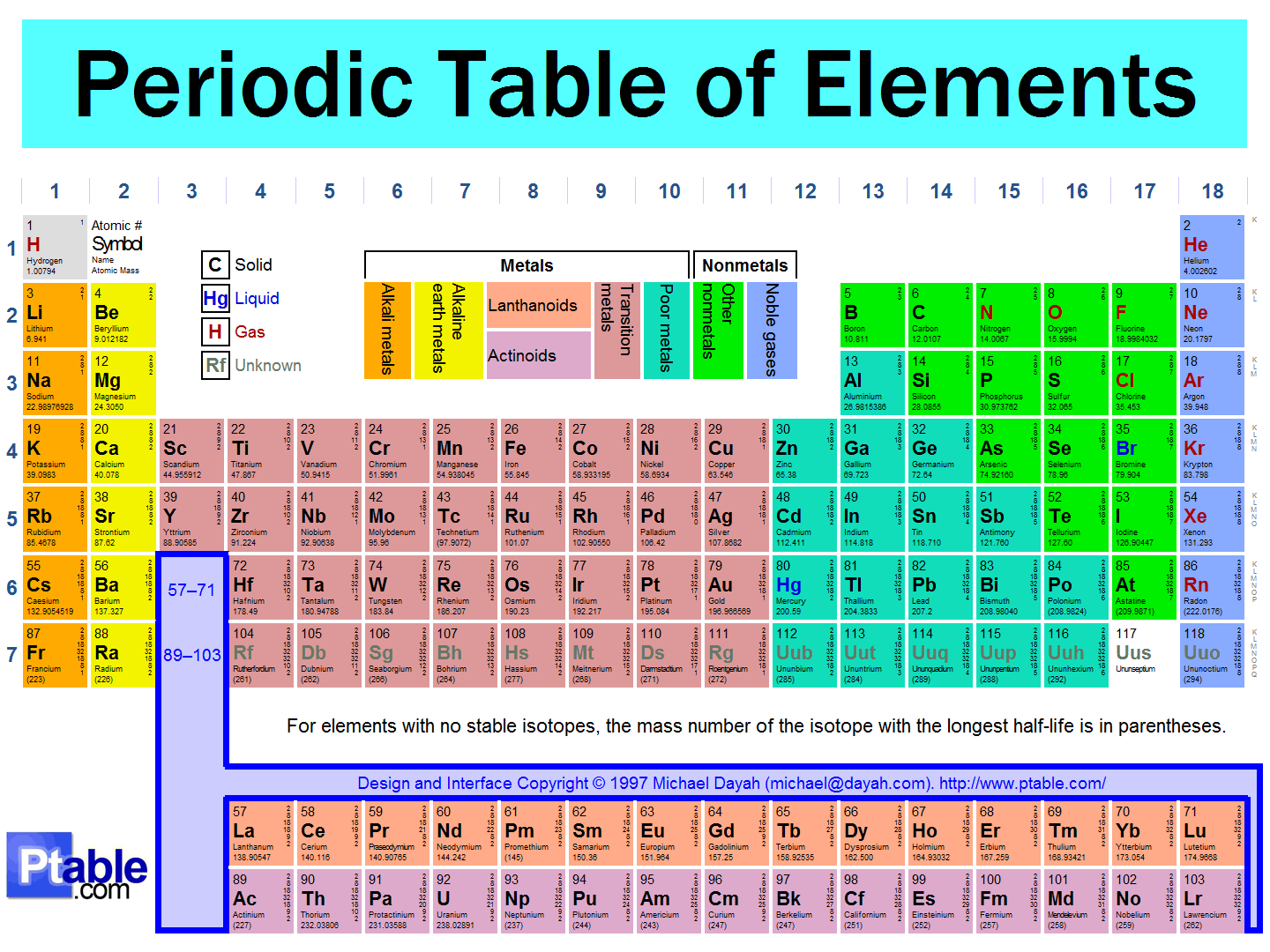
The horizontal row on the periodic table is called a
a)
group
b)
family
c)
period
d)
atomic number
30.

A vertical column is called...
a)
group
b)
tower
c)
period
d)
crew
31.

Which elements have the most similar chemical properties?
a)
K and Na
b)
K and Ca
c)
K and Cl
d)
K and S
32.
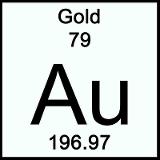
Which number is the atomic mass?
a)
79
b)
196.97
33.
What does the atomic mass tell you?
a)
Basically,the number of electrons and protons
b)
The number of neutrons
c)
Basically, the number of protons and neutrons
d)
The number of protons.
34.

a)
energy levels
b)
valence electrons
c)
protons
d)
neutrons
35.
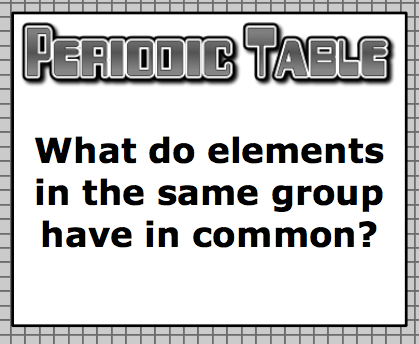
a)
energy levels
b)
valence electrons
c)
protons
d)
neutrons
36.
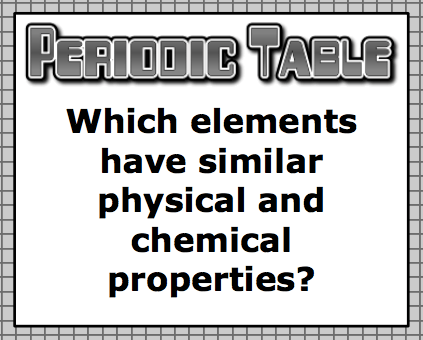
a)
Same group
b)
Same period
37.
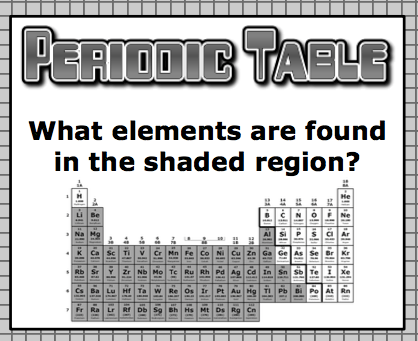
a)
Metals
b)
Nonmetals
c)
Metalloids
38.
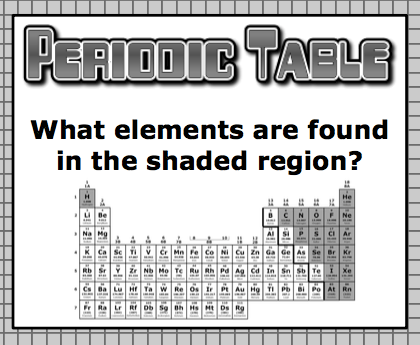
a)
Metals
b)
Nonmetals
c)
Metalloids
39.
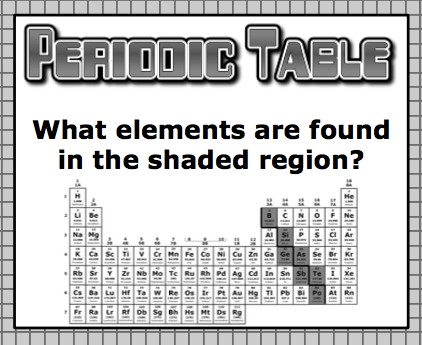
a)
Metals
b)
Nonmetals
c)
Metalloids
40.
What is the smallest unit of matter called
a)
elements
b)
atoms
c)
compounds
d)
cells
41.
How many valence electrons would Carbon have?
a)
1
b)
3
c)
4
d)
5
42.
How many elements are in C6H12O6?
a)
1
b)
2
c)
3
d)
4
43.
How many Sodium (Na) atoms are in 6NaCl?
a)
1
b)
12
c)
6
44.
How many Oxygen atoms are in Al₂(SO₄)₃
a)
4
b)
12
c)
7
d)
24
45.

Which organelle is like a solar panel for plant cells?
a)
Chloroplast
b)
Mitochondria
c)
Ribosome
d)
Nucleus
46.

What type of cell is pictured?
a)
Prokaryotic
b)
Eukaryotic
c)
Plant
d)
Animal
47.
Which of the following would be found in both eukaryotic AND prokaryotic cells?
a)
chloroplast
b)
cytoplasm
c)
nucleus
d)
endoplasmic reticulum
48.

Type of cell shown?
a)
Bacterial
b)
Prokaryotic
c)
Eukaryotic
d)
Red blood
49.
Which of the following in NOT a characteristic of eukaryotic cells?
a)
DNA is separated from the cytoplasm by a nuclear membrane
b)
Large
c)
Complex
d)
Lack membrane-bound organelles
50.
Which of the following is NOT a type of eukaryotic cell?
a)
mushroom cell
b)
pea leaf cell
c)
bacterial cell found in Swiss cheese
d)
alligator stomach cell
51.
How are prokaryotes and eukaryotes similar?
a)
They both contain membrane-bound organelles.
b)
They both have cell membranes.
c)
The both have nuclei.
d)
They both have chloroplasts.
52.
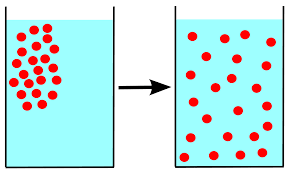
The picture below is an example of _________________.
a)
osmosis
b)
isotonic
c)
diffusion
d)
active transport
53.
Permeable means
a)
things can pass through
b)
the concentration levels are different
c)
it is permanent
d)
things are stuck
54.

Where is there a high concentration of water?
a)
in the flower
b)
cannot be determined by picture.
c)
in the vase
d)
in the leaves
55.

What is the definition of Selective Permeability?
a)
The movement of materials across the cell membrane that requires NO ENERGY from the cell.
b)
The movement of materials through (or across) the cell membrane
c)
The ability of the cell membrane to allow some things to pass through while preventing other things from passing through.
d)
The movement of molecules from an area of high concentration to a area of low concentration
56.
What is diffusion?
a)
when molecules move
b)
when molecules move from a high concentration to a low.
c)
no movement
d)
molecules move everywhere
57.
You should always carry the microscope by the
a)
arm and base
b)
arm and body tube
c)
arm only
d)
the objectives
58.
When looking at a specimen on your slide, you should always start with the
a)
low objective lens
b)
medium objective lens
c)
high objective lens
d)
super extra high power lens
59.
When looking through your microscope, you move your slide to the right- It appears
a)
to move to the right
b)
to stay the same
c)
to move to the left
d)
vanish
60.
The _______focuses the image under low power.
a)
revolving nosepiece
b)
fine adjustment knob
c)
coarse adjustment knob
d)
arm/neck
61.
The__________ sharpens the image under high magnification.
a)
the diaphragm
b)
fine adjustment knob
c)
coarse adjustment knob
d)
the ocular
62.
The ________ of the microscope would show you the MOST zoomed in image, or the SMALLEST field of view.
a)
low power objective
b)
medium power objective
c)
high power objective
d)
stage
63.
Who was the person who used his microscope to observe a thin slice of cork, and concluded that the cork was made up of cells?
a)
Robert Hooke
b)
Bill Nye
c)
Matthias Schleiden
d)
Rudolf Virchow
64.
What is the function of stage clips?
a)
To move the objectives
b)
To keep the slide secure
c)
To adjust the focus
d)
To look through
65.
Osmosis is the diffusion of _____ across a selectively permeable membrane.
a)
food
b)
air
c)
water
d)
oxygen
66.
During diffusion
a)
substances (things) moves from high to low concentration
b)
water moves when energy is used
c)
large or oddly shaped molecules move across a cell membrane
d)
water moves from high to low concentration
67.
An animal cell placed in a hypertonic (salty) solution will
a)
Stay the same
b)
Shrink- get smaller
c)
Swell- get bigger
68.
When both inside and outside of a cell have the same amount of water it is said that the cell has reached a state of ___________.
a)
osmosis
b)
equilibrium
c)
diffusion
d)
hypertonic
69.

Which way will the water molecules move during osmosis?
a)
Out of the cell, so the cell shrinks.
b)
Out of the cell, so the cell swells.
c)
Into the cell, so the cell shrinks.
d)
Into the cell, so the cell swells.
70.

This organelle helps plants keep their rigid structure.
a)
Cell wall
b)
Cell membrane
c)
Chloroplast
d)
Nucleus
71.
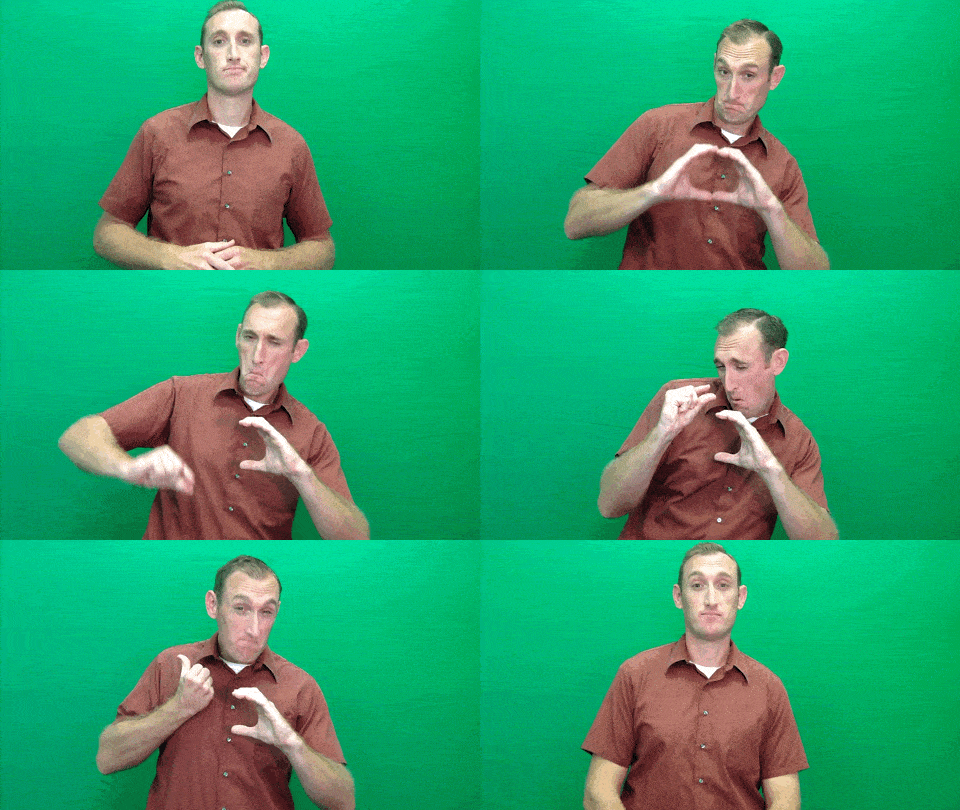
The ___________ is the basic unit of life
a)
organ
b)
cell
c)
atom
d)
tissue
72.
Which organelle is only found in a plant cell?
a)
nucleus
b)
chloroplast
c)
mitochondria
d)
cell membrane
73.
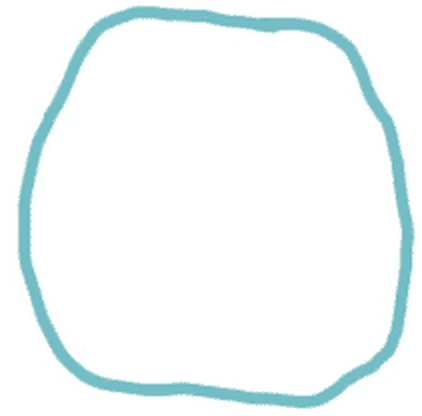
I am the outer most layer of an animal cell. What am I?
a)
cell wall
b)
nucleus
c)
cell membrane
d)
cell skin
74.

Directs all cell activities through the DNA located there.
a)
Vacuole
b)
Nucleus
c)
ribosomes
d)
Mitochondria
75.

What is the name of the genetic material that is inside the nucleus?
a)
ER
b)
ATP
c)
YOLO
d)
DNA
76.

Which part of the cell is often called "the brain of the cell"?
a)
nuclear membrane
b)
cell membrane
c)
nucleus
d)
mitochondria
77.
What is found in both plant and animal cells but is much larger in plant cells?
a)
Nucleus
b)
Mitochondria
c)
Chloroplast
d)
Vacuole
78.
This organelle takes food and turns it into ENERGY for plant and animal cells.
a)
Chloroplast
b)
Mitochondria
c)
Nucleus
d)
Ribosome
79.
The site of photosynthesis
a)
ribosome
b)
mitochondria
c)
chloroplast
d)
nucleus
80.

What are tiny organelles that convert glucose into energy?
a)
Ribosomes
b)
Chloroplasts
c)
Vacuole
d)
Mitochondria
81.

A rigid layer that lies outside the cell's membrane is...
a)
Cytoskeleton
b)
Cilia
c)
Cell Wall
d)
Flagella
82.
What organelle is called the "powerhouse" of a cell?
a)
Cytoplasm
b)
Nucleus
c)
Mitochondria
d)
Nucleolus
83.
What is the gel-like substance inside of cells called?
a)
photoplasm
b)
photosynthesis
c)
cytoskeleton
d)
cytoplasm
84.

Theodor Schwann and Matthias Schleiden were all responsible for publishing what theory?
a)
The Theory of Gravity
b)
The Theory of Relativity
c)
The Cell Theory
d)
The Theory of Continental Drift
85.

What would happen to the plant cell without the chloroplasts?
a)
There wouldn't be an organelle that performs photosynthesis
b)
There wouldn't be an organelle that serves as the resevoir for water and waste
c)
There wouldn't be an organelle that regulates what comes in and out of the cell
d)
They wouldn't be an organelle that makes necesary proteins
86.

What do all of these organisms have in common?
a)
They are all abiotic
b)
They are all made of cells
c)
They possess the same features
d)
They have the same internal and external structures
87.

According to cell theory, where did this cell come from?
a)
another living cell
b)
energy from sun
c)
a multicellular organism
d)
the nonliving environment
88.
What tool do you use to view the cells?
a)
metric ruler
b)
graduated cylinder
c)
microscope
d)
telescope
89.
Which of the following is NOT a cell theory.
a)
All non-living things are made of cells
b)
All cells come from pre-existing cells
c)
Cells are the basic unit of structure and function of all living things
d)
The nucleus controls the cell
90.
Stores food and water for the cell.
a)
Cytoplasm
b)
Cell Wall
c)
Vacuole
d)
Nucleus
91.

Which cell would shrink?
a)
A
b)
B
c)
C
d)
D
92.

Where is there a low concentration of dye?
a)
at the bottom of cup
b)
in the color
c)
at the top of cup
d)
no concenteraion gradient
93.
Prokaryotic and eukaryotic cells have many differences, but they also share some common features. Which of the following may be found in either type of cell?
a)
chloroplasts
b)
ribosomes
c)
mitochondria
d)
nucleus
94.
Which is true of prokaryotic and eukaryotic cells?
a)
Prokaryotic cells are larger than eukaryotic cells.
b)
Eukaryotic cells do not have nuclei, and prokaryotic cells do have nuclei.
c)
Prokaryotic cells lack membrane-bound organelles, and eukaryotic cells contain membrane-bound organelles.
d)
Eukaryotic cells are simpler than prokaryotic cells.
95.
When would you use the diaphragm on a compound microscope?
a)
When you wanted to move the stage
b)
When you wanted to adjust the light
c)
When you wanted to put the microscope away
d)
When you sneeze
96.
You can find total magnification by which of the following methods?
a)
eyepiece PLUS objective
b)
eyepiece TIMES objective
c)
eyepiece MINUS objective
d)
eyepiece DIVIDED BY objective
97.
Find the total magnification:
Eyepiece = 10X
Objective lens = 55X
Eyepiece = 10X
Objective lens = 55X
a)
10x
b)
55x
c)
65x
d)
550x
98.
Holds objective lenses; Rotates to change objectives
a)
Arm
b)
Base
c)
Revolving Nosepiece
d)
Diaphragm
99.

Which organelle is like a protective wall for the cell?
a)
Plasma Membrane
b)
Nucleus
c)
Cell wall
d)
Mitochondria
100.

Which organelle is like the battery for the cell?
a)
Chloroplast
b)
mitochondria
c)
Nucleus
d)
Vacuole
101.

Which organelle is like the toll booth that lets things in and out of the cell?
a)
Cell wall
b)
Cell Membrane
c)
Nucleus
d)
Cytoplasm
102.
A saltwater fish is accidentally placed in a freshwater aquarium. After a few hours, the fish died. which statement best explains why this occurred?
a)
The cells of the fish were dehydrated by a quick loss of water
b)
The fish reached old age coincidentally
c)
The cells of the fish absorbed more water than he was able to
d)
The stress from moving aquariums got to the fish
103.
Where does the blood pick up oxygen in the body?
a)
The heart
b)
The liver
c)
The lungs
d)
The skin
104.
What is the waste product that the blood carries from the body?
a)
Oxygen
b)
Carbon Dioxide
c)
Urine
d)
Feces
105.
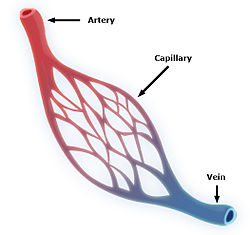
The smallest type of blood vessel is the:
a)
nerve
b)
vein
c)
capillary
d)
artery
106.

The circulatory system works with the ___________ system to provide our body with oxygen.
a)
respiratory
b)
digestive
c)
muscular
d)
skeletal
107.
The circulatory system works with the __________ system to obtain energy from nutrients that we eat.
a)
respiratory
b)
digestive
c)
skeletal
d)
nervous
108.

Which best describes the relationship between the muscular system and the circulatory system?
a)
The circulatory system captures carbon dioxide from the air for muscle energy.
b)
The circulatory system produces red blood cells to bring oxygen to the muscles
c)
The circulatory system provides a framework for muscle movement
d)
The circulatory system delivers oxygen for muscle energy
109.
Which 2 substances are exchanged in the Respiratory System?
a)
oxygen and nitrogen
b)
carbon dioxide and oxygen
c)
oxygen and glucose
d)
glucose and carbon dioxide
110.
The windpipe is also known as which organ?
a)
Lung
b)
Trachea
c)
Alveoli
d)
Nose
111.
The place in the lungs where oxygen and carbon dioxide are exchanged
a)
Diaphragm
b)
Alveolus
c)
Bronchi Tube
d)
Trachea
112.
Which is NOT a function of the Respiratory System?
a)
it warms the air
b)
it exchanges O2 and CO2
c)
It pumps blood to the organs
d)
it creates sound through the larynx
113.
How is glucose stored in the liver?
a)
Glycogen
b)
Glucagon
c)
Glucose
d)
Starch
114.
Stores excess bile made by the liver.
a)
large intestines
b)
small intestines
c)
pancreas
d)
gall bladder
115.
What do the villi do?
a)
Increase surface area for absorption
b)
Increase digestion rate
c)
Slow down digestion rate
d)
Break down food better
116.
Skin color is due to a pigment called
a)
keratin
b)
chromatin
c)
melanin
d)
epithelium
117.
Which of the following is not a function of the integumentary system?
a)
absorbs vitamin C so that the skin will not be subject to disease
b)
Protects organs from injury
c)
Helps with immunity as the first line of defense.
d)
Regulates body temperature
118.
Heat escapes from the skin when blood vessels
a)
constrict
b)
dilate
119.
Oil glands that are found all over the skin, except on the palms and soles of the feet; ducts usually empty into a hair follicle
a)
exocrine glands
b)
sebaceous glands
c)
sebum
d)
sweat glands
120.
Where is the dermis located?
a)
The surface of the skin
b)
Directly below the epidermis
c)
Covers the outside layers
121.

The integumentary system does not include..
a)
Hair
b)
Skin
c)
Nails
d)
Liver
122.
What are the 3 types of muscle tissue?
a)
Thigh, Calf, & Shoulder
b)
Traps, Forearm, & Abs
c)
Hamstring, Biceps, & Triceps
d)
Smooth Muscle, Cardiac Muscle, & Skeletal Muscle
123.
Which muscle type is found in your stomach, bladder, and intestines?
a)
Skeletal
b)
Smooth
c)
Cardiac
124.
Which type of muscle is found in your heart?
a)
Skeletal
b)
Smooth
c)
Cardiac
125.
Which muscles are involuntary?
a)
skeletal
b)
cardiac
c)
smooth
d)
smooth and cardiac
126.
When a muscle contracts, it _______
a)
gets longer
b)
gets shorter
c)
gets thinner
d)
grows hair
127.

Name this muscle.
a)
Tricep
b)
Trapezius
c)
Bicep
d)
Humerus
128.
Which types of muscle tissue are voluntary?
a)
Cardiac
b)
Skeletal
c)
Smooth
d)
Cardiac and Smooth
129.
Skeletal muscles are attached to the _________.
a)
Stomach
b)
Lungs
c)
Bones
d)
Involuntary Muscles
130.
Muscles always work in _____
a)
pairs
b)
groups of 3
c)
bones
d)
joints
131.
Voluntary muscle is
a)
muscle that has to be told when to move
b)
muscle that moves automatically
c)
muscle that needs to be stretched regularly
d)
muscle that makes up the heart and stomach
132.
rope-like tissue that connects bone to muscle
a)
contract
b)
tendon
c)
tissue
d)
muscle
133.
What is an example of an involuntary muscle?
a)
Heart
b)
Bicep
c)
Tricep
d)
Deltoid
134.
The smooth muscle is located
a)
In the heart
b)
Bones
c)
Head
d)
Within organs
135.
Involuntary muscle is
a)
muscle found in the heart
b)
muscle found in the organs
c)
muscle that works automatically
d)
all of these are true
136.

Name this muscle.
a)
Hamstring
b)
Achilles Tendon
c)
Quadricep
d)
Gastrocnemius
137.
attaches bone to bone
a)
tendon
b)
ligament
c)
skeletal muscle
d)
cartilage
138.
which one of these IS a function of the skeletal system
a)
vitamin D production
b)
fat storage
c)
movement
139.
what are functions of the skelton?
a)
A) protection
b)
b) Body shape
c)
C) movement
d)
D) A,b and c
140.
What is the function of bone marrow?
a)
Produces blood cells
b)
Protects internal organs
c)
Produces melanin
d)
Produces hormones
141.
What is the function of the skeletal system?
a)
Support your body
b)
Help your body move with muscles
c)
all of the above
d)
protect your organs
142.
What is the function of the urethra?
a)
It filters urea out of the bloodstream
b)
It delivers urine from the bladder to the outside world
c)
It transfers urine from the kidneys to the bladder
d)
It prevents urine from leaking out of the bladder
143.
When a person breathes out, or exhales, which of the following is release from the body?
a)
carbon dioxide and sweat
b)
urea and bile
c)
bile and water
d)
water and carbon dioxide
144.
Which of the following is the fluid released by the kidneys once the wastes are removed from the water and blood in the body?
a)
bile
b)
urea
c)
sweat
d)
urine
145.
What is the function of the excretory system?
a)
It's responsible for the elimination of waste.
b)
Makes protein
c)
Transport of nutients, oxygen, and hormones to cells throughout the body and removal of metabolic wastes
d)
Movement
146.
What is the function of the ureter?
a)
Store and concentrate bile
b)
Carry urine from kidney to bladder
c)
Store urine
d)
Break down toxins and transforms them
147.

What organ is C pointing to?
a)
Ureters
b)
Bladder
c)
Kidney
d)
Urethra
148.
Which excretory organ filters the blood to remove excess water, urea, and cell wastes?
a)
Kidney
b)
Bladder
c)
Urethra
d)
Ureters
149.
The ____ is a sac-like muscular organ that stores urine until it is ready to be released from the body
a)
Stomach
b)
Bladder
c)
Urethra
d)
Gallbladder
150.

What organ is B pointing to?
a)
Kidney
b)
Urethra
c)
Ureter
d)
Bladder
151.

What organ is 1 pointing to?
a)
Kidney
b)
Urethra
c)
Bladder
d)
Ureter
152.

What organ is D pointing to?
a)
Ureters
b)
Bladder
c)
Urethra
d)
Kidney
153.
The gland that controls regulation of metabolic rate is the:
a)
Thyroid
b)
Parathyroids
c)
Pancreas
d)
Adrenal Glands
154.
Glucose levels in the blood are controlled by the:
a)
Pancreas
b)
Thyroid
c)
Pituitary
d)
Adrenal Glands
155.
The hormone that lowers blood sugar is:
a)
Insulin
b)
Glucagon
c)
Cortisol
d)
Glycogen
156.
Pineal gland –
a)
produces a hormone (melatonin) that helps you go to sleep
b)
produces a hormone that stimulates the immune response in children
c)
hormone that increases blood
d)
decreases bone calcium levels
157.

Function of adrenal glands:
a)
produces
hormones that control BSL (blood sugar level)
b)
control
female characteristics and menstrual cycle
c)
control
male characteristics and sperm production
d)
help
prepare the body for stress
158.
Glands are small organs located throughout your body that secrete (release) substances called
a)
Plasma
b)
Hormones
c)
Enzymes
d)
Bile
159.
What does the endocrine system do?
a)
Responsible for digestion
b)
Regulate bone growth
c)
Release homrones into the blooodstream
d)
Maintains immmun system
160.
Which of the following is an example of a gland?
a)
Heart
b)
Pancreas
c)
Stomach
d)
Kidneys
161.
Where are the adrenal glands located?
a)
Bottom of the kidneys
b)
In front of the kidneys
c)
On top of the kidneys
d)
Lower abdomen
162.
What hormones are produced by the pancreas?
a)
Testosterone
b)
Insulin and Glucagon
c)
Epinephrine
d)
Glycogen and Glucose
163.
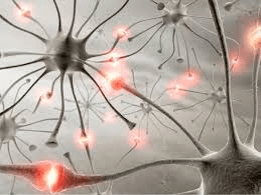
a body system that controls and coordinates all body activities through electric impulses/messages between brain, spinal cord and nerves.
a)
endocrine system
b)
nervous system
c)
nerve
d)
neuron
164.
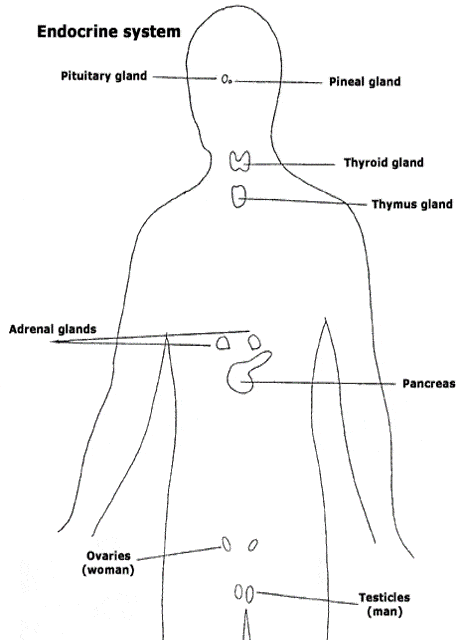
a body system that controls growth and homeostasis by secreting hormones from glands.
a)
skeletal system
b)
nervous system
c)
endocrine sytem
d)
integumentary system
165.
If the environment gets cold, we will often shiver in order to:
a)
keep body temperature the same as the external temperature
b)
decrease body temperature
c)
increase body temperature
d)
regulate blood pressure
166.
The "cause" for something to happen is the
a)
response
b)
effect
c)
stimulus
d)
homeostasis
167.
The "effect" of a given stimulus is the...
a)
response
b)
stimulus
c)
cause
d)
result
168.
When glucose levels in the blood rise, your brain sends a signal to your pancreas. The pancreas releases insulin, which opens channels in cell membranes to allow glucose to enter the cell, lowering blood sugar levels. This is controlled by a mechanism called
a)
Positive Feedback Response
b)
Negative Feedback Loop
c)
Endocrine system
d)
Nervous system
169.
This part of the brain is in charge of muscle tone and coordination as well as balance...
a)
peripheral nerves
b)
brain stem
c)
cerebellum
d)
cerebrum
170.
This part of the brain would be in charge of controlling involuntary muscle contractions such as coughing, blinking, breathing.
a)
peripheral nerves
b)
brain stem
c)
cerebellum
d)
cerebrum
171.
The thick column of nerves that run down the center of your back is called...
a)
neuron
b)
brain stem
c)
spinal cord
d)
peripheral nerves
172.
The part of the brain that is responsible for thought, reasoning, memory, judgement, speech and voluntary body movement
a)
cerebrum
b)
spinal cord
c)
brain stem
d)
cerebellum
173.
An egg cell leaves the _______________ and goes into the fallopian tube.
a)
Testicle
b)
Ovary
c)
Uterus
d)
Testes
174.
What gland triggers the beginning of puberty?
a)
Pancreas
b)
Prostate
c)
Pituitary
d)
Hypothalamus
175.
Females are born with all the egg cells they will ever have.
a)
True
b)
False
176.

What do you call the union of egg and sperm cell?
a)
menstruation
b)
homeostasis
c)
fertilization
d)
ovulation
177.
Egg cells are produced in the ______________
a)
testes
b)
fallopian tubes
c)
ovaries
178.
What are the male and female gametes?
a)
female - egg; male - sperm
b)
female - sperm; male - egg
c)
female - ovary; male - testes
d)
female - testes; male - ovary
100 %