
 Worksheets
Rocks!!
Total questions: 133
Worksheet time: 2hrs 49mins
Name
Class
Date
1.
Compacting and cementing of sediments can also be called
a)
stratification
b)
sedimentariation
c)
lithification
d)
metamorphism
2.
What type of rock forms from stratification?
a)
Intrusive
b)
Igneous
c)
Sedimentary
d)
Metamorphic
3.
Which type of rock results from melting and cooling of magma?
a)
Igneous
b)
Metamorphic
c)
Sedimentary
d)
Extrusive
4.
Which type of rock forms from extreme heat and pressure?
a)
Igneous
b)
Sedimentary
c)
Organic
d)
Metamorphic
5.
Which of the following are nonrenewable resources?
a)
Plants and animals
b)
Wind and water
c)
Sunlight and water
d)
Coal and petroleum
6.
True/False: A decrease in temperature would cause magma to form.
a)
True
b)
False
7.
Regional and contact metamorphism create what type of rock?
a)
Igneous
b)
Sedimentary
c)
Foliated
d)
Metamorphic
8.
Sediment being dropped off and laid to rest
a)
Deposition
b)
Erosion
c)
Weathering
d)
Lithification
9.
Sediment being dropped off and laid to rest
a)
Deposition
b)
Erosion
c)
Weathering
d)
Lithification
10.
Texture is determined by
a)
the chemicals in a rock
b)
the color of a rock
c)
the bumpiness of a rock
d)
the size and shape of the rock's mineral grains
11.
The chemical makeup of a rock
a)
Composition
b)
Texture
c)
Minerals
d)
Organic matter
12.
The process which forms layers of sedimentary rock is called
a)
weathering
b)
deposition
c)
erosion
d)
stratification
13.
A naturally occurring solid mixture of minerals and organic matter is a
a)
mineral
b)
rock
c)
composition
d)
pebble
14.
Sediment being moved from one area to another is called
a)
erosion
b)
deposition
c)
weathering
d)
compaction
15.
True/False: Igneous rocks can only turn into metamorphic rocks.
a)
True
b)
False
16.
What is the MAIN way rocks are classified?
a)
Their color and shapes
b)
How they form
c)
Mineral bands
d)
Where they form
17.
Scientists classify rocks by their composition and
a)
chemicals
b)
size
c)
color
d)
texture
18.
Which type of rock results from melting and cooling of magma?
a)
Igneous
b)
Metamorphic
c)
Sedimentary
d)
Extrusive
19.
Which type of rock forms from extreme heat and pressure?
a)
Igneous
b)
Sedimentary
c)
Organic
d)
Metamorphic
20.
A metamorphic rock changes into an igneous rock by what two processes?
a)
Melting and cooling
b)
Extreme heat and pressure
c)
Compaction and cementation
d)
Weathering and erosion
21.
Wind, water, and ice breaking down rock is called
a)
Erosion
b)
Deposition
c)
Compaction
d)
Weathering
22.
What is the MAIN way rocks are classified?
a)
Their color and shapes
b)
How they form
c)
Mineral bands
d)
Where they form
23.
True/False: Igneous rocks can only turn into metamorphic rocks.
a)
True
b)
False
24.
The process in which dissolved minerals crystallize and glue sediment together.
a)
compaction
b)
deposition
c)
organic rock
d)
cementation
25.

When sediments are pressed together tightly, this is called ____________.
a)
Compaction
b)
Cementation
c)
Weathering
d)
Erosion
26.
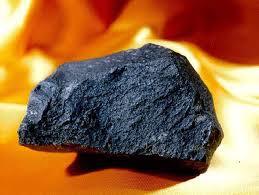
This rock was found near the mouth of a volcano. What type of rock is this?
a)
Sedimentary
b)
Igneous
c)
Metamorphic
27.
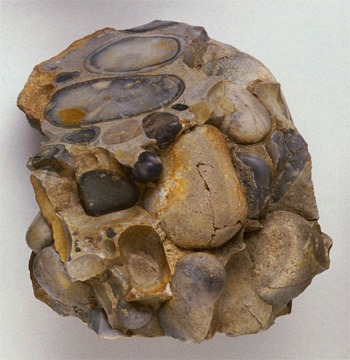
This rock was formed by smaller pieces of rock that settled at the bottom of a lake millions of years ago. What type of rock is this?
a)
Sedimentary
b)
Igneous
c)
Metamorphic
28.
What are the 3 major types of rocks?
a)
Igneous, Metamorphic, Sedimentary
b)
Metamorphic, Igneous, Cementation
c)
Brown, Red, Gray
d)
Streak, Hardness, Breakage
29.

This rock started as lava that cooled and then was heated and put under pressure over time. What type of rock is this?
a)
Sedimentar
b)
Igneous
c)
Metamorphic
30.

This rock started as molten magma. What type of rock is this?
a)
Sedimentary
b)
Igneous
c)
Metamorphic
31.

This rock is made from tiny pieces of other rocks that settled to the bottom of a valley millions of years ago. What type of rock is this?
a)
Sedimentary
b)
Igneous
c)
Metamorphic
32.

This rock was molten magma that slowly cooled under the ground. What type of rock is this?
a)
Sedimentar
b)
Igneous
c)
Metamorphic
33.

This rock cooled on the outside of a volcano and contained air bubbles when it was forming. What type of rock is this?
a)
Sedimentary
b)
Igneous
c)
Metamorphic
34.

After lots of time, pressure, and heat, you get this kind of rock. What type of rock is this?
a)
Sedimentary
b)
Igneous
c)
Metamorphic
35.

Each rock type can follow only one pathway of the rock cycle.
a)
True
b)
False
36.
Fossils are often found in ____________ because it is formed from the remains of once living things.
a)
metamorphic
b)
magma
c)
igneous
d)
sedimentary
37.

This rock was formed by lots of fossils that settled on top of each other over time. What type of rock is this?
a)
Sedimentary
b)
Igneous
c)
Metamorphic
38.
The process by which igneous rocks are formed...
a)
heat and pressure
b)
melting and cooling
c)
erosion and deposition
39.
The process by which metamorphic rocks are formed...
a)
heat and pressure
b)
erosion and deposition
c)
melting and cooling
40.
Rock that forms when pressure, temperature, or chemical processes change existing rock.
a)
Igneous Rock
b)
Sedimentary Rock
c)
Metamorphic Rock
d)
Rock Cycle
41.
Rock that forms sediment from older rocks get pressed and cemented together.
a)
Sedimentary Rock
b)
Metamorphic Rock
c)
Igneous Rock
42.
The name rock is given when it is broken down into smaller pieces.
a)
texture
b)
weathering
c)
sediment
d)
erosion
43.
True or False: Igneous Rocks form from Sediment
a)
True
b)
False
44.
_______ rock forms from magma/lava
a)
Metamorphic
b)
Sedimentary
c)
Igneous
45.

This rock was another type of rock that was heated and compressed over time. What type of rock is this?
a)
Sedimentary
b)
Igneous
c)
Metamorphic
46.
This rock started as molten magma. What type of rock is this?
a)
Sedimentary
b)
Igneous
c)
Metamorphic
47.

This rock was formed by smaller pieces of rock that settled at the bottom of a lake millions of years ago. What type of rock is this?
a)
Sedimentary
b)
Igneous
c)
Metamorphic
48.
Which type of rock is most likely to contain fossils?
a)
Igneous
b)
Sedimentary
c)
Metamorphic
49.

Cooling & crystalization produce
a)
igneous rocks
b)
metamorphic rocks
c)
sedimentary rocks
50.
Extreme Heat and Pressure creates a _________ rock.
a)
Igneous
b)
Metamorphic
c)
Sedimentary
d)
Mineral
51.
True or False: Once a rock is sedimentary, it cannot become an igneous rock.
a)
True
b)
False
52.
When you watch a volcano erupt molten rock, you are seeing _____
a)
Lava
b)
Magma
c)
Mineral Crystals
d)
Igneous Rocks
53.
What are the 3 major types of rocks?
a)
Igneous, Metamorphic, Sedimentary
b)
Metamorphic, Igneous, Cementation
c)
magma, lava, crystals
54.
When sediments are pressed together tightly, this is called ____________.
a)
Compaction
b)
Cementation
c)
Weathering
d)
Erosion
55.

Each rock type can follow only one pathway of the rock cycle.
a)
True
b)
False
56.
Rock that forms when minerals form from solutions or sediment from older rocks get pressed and cemented together.
a)
Sedimentary Rock
b)
Metamorphic Rock
c)
Igneous Rock
58.
Rock that forms when pressure, temperature, or chemical processes change existing rock.
a)
Igneous Rock
b)
Sedimentary Rock
c)
Metamorphic Rock
d)
Rock Cycle
58.
Rock that forms when pressure, temperature, or chemical processes change existing rock.
a)
Igneous Rock
b)
Sedimentary Rock
c)
Metamorphic Rock
d)
Rock Cycle
60.
The process by which metamorphic rocks are formed...
a)
heat and pressure
b)
compaction and cementation
c)
melting and cooling
60.
The process by which metamorphic rocks are formed...
a)
heat and pressure
b)
compaction and cementation
c)
melting and cooling
61.
The process by which igneous rocks are formed...
a)
heat and pressure
b)
melting and cooling
c)
compaction and cementation
62.
The name rock is given when it is broken down into smaller pieces.
a)
texture
b)
weathering
c)
sediment
d)
erosion
63.
What two processes make sediment?
a)
Weathering
b)
Erosion
c)
Weathering & Erosion
64.
_______ rock forms from magma/lava
a)
Metamorphic
b)
Sedimentary
c)
Igneous
65.
The process by which sediment is moved from one place to another. Can be caused by water, wind, ice, and gravity.
a)
Rock Cycle
b)
Uplift
c)
Deposition
d)
Erosion
66.

This rock was formed by lots of fossils that settled on top of each other over time. What type of rock is this?
a)
Sedimentary
b)
Igneous
c)
Metamorphic
67.

This rock cooled on the outside of a volcano and contained air bubbles when it was forming. What type of rock is this?
a)
Sedimentary
b)
Igneous
c)
Metamorphic
68.

This rock was another type of rock that was heated and compressed over time. What type of rock is this?
a)
Sedimentary
b)
Igneous
c)
Metamorphic
69.

This rock started as molten magma. What type of rock is this?
a)
Sedimentary
b)
Igneous
c)
Metamorphic
70.

This rock was molten lava that cooled quickly as it came out of a volcano. What type of rock is this?
a)
Sedimentary
b)
Igneous
c)
Metamorphic
71.

This rock is made from tiny pieces of other rocks that settled to the bottom of a valley millions of years ago. What type of rock is this?
a)
Sedimentary
b)
Igneous
c)
Metamorphic
72.

After lots of time, pressure, and heat, you get this kind of rock. What type of rock is this?
a)
Sedimentary
b)
Igneous
c)
Metamorphic
73.
True or False: There is only one way for the rock cycle to flow.
a)
False
b)
True
74.
The series of processes in which rock changes from one type to another.
a)
Metamorphic Rock
b)
Sedimentary Rock
c)
Igneous Rock
d)
Rock Cycle
75.
Which type of metamorphic rock has minerals in bands or stripes?
a)
Nonfoliated
b)
Coarse grained
c)
Fine grained
d)
Foliated
76.
Wind, water, and ice breaking down rock is called
a)
Erosion
b)
Deposition
c)
Compaction
d)
Weathering
77.
Lava which cools on Earth's surface forms an
a)
metamorphic rock
b)
intrusive igneous rock
c)
extrusive igneous rock
d)
foliated metamorphic rock
78.
Magma cooling and hardening below Earth's surface forms an
a)
Intrusive igneous rock
b)
Extrusive igneous rock
c)
Foliated metamorphic rock
d)
Organic sedimentary rock
79.
What is the MAIN way rocks are classified?
a)
Their color and shapes
b)
How they form
c)
Mineral bands
d)
Where they form
80.
Sediment being dropped off and laid to rest
a)
Deposition
b)
Erosion
c)
Weathering
d)
Lithification
81.
True/False: A decrease in temperature would cause magma to form.
a)
True
b)
False
82.
An igneous rock can become ______.
a)
metamorphic
b)
sedimentary
c)
igneous
d)
all of these
83.

True or False: Igneous Rocks form from Sediment
a)
True
b)
False
84.

What does it mean for a rock to be extrusive
a)
Have layers
b)
Have Rounded Edges
c)
Form from Lava
d)
Form By Sediment
85.

What does it mean for a rock to be extrusive
a)
Have layers
b)
Have Rounded Edges
c)
Form from Lava
d)
Form By Sediment
86.
What does it mean for a rock to be extrusive
a)
Have layers
b)
Have Rounded Edges
c)
Form from Lava
d)
Form By Sediment
87.
A naturally occurring solid mixture of minerals and organic matter is a
a)
mineral
b)
rock
c)
composition
d)
pebble
88.
Texture is determined by
a)
the chemicals in a rock
b)
the color of a rock
c)
the bumpiness of a rock
d)
the size and shape of the rock's mineral grains
89.
¿Qué debe pasar con los sedimentos para que se conviertan en roca?
a)
meteorización, erosión y deposición
b)
compactación y cementación
c)
fusión, enfriamiento y solidificación
d)
calor y presión
90.
Cuando las rocas sufren erosión, intemperie, compactación y cementación, se convierte en:
a)
magma
b)
roca ignea
c)
roca sedimentaria
d)
conos volcanicos
92.
What are strata?
a)
mineral fragments
b)
minerals crystallized out of solution
c)
fossils in sedimentary rock
d)
layers in sedimentary rock
92.
What are strata?
a)
mineral fragments
b)
minerals crystallized out of solution
c)
fossils in sedimentary rock
d)
layers in sedimentary rock
93.
Ricardo has an igneous rock in his rock collection. Where did this rock most likely form?
a)
in a volcano
b)
on a forest floor
c)
on a coral reef
d)
at the bottom of a river
94.
Metamorphic rock forms when
a)
magma cools and hardens.
b)
minerals crystallize out of sea water.
c)
heat and pressure change the composition and texture of a rock.
d)
natural cement binds rock fragments together.
95.
Where would you most likely find a metamorphic rock?
a)
Deep in the Earth
b)
on the ocean floor
c)
next to a river
d)
in a volcano
96.
When tremendous heat and pressure is applied to sandstone deep within the Earth's crust, marble forms. It is a _____ rock
a)
chemical sedimentary
b)
extrusive igneous
c)
nonfoliated igneous
d)
nonfoliated metamorphic
97.
Extreme Heat and Pressure creates a _________ rock.
a)
Igneous
b)
Metamorphic
c)
Sedimentary
d)
Mineral
98.
True or False: Once a rock is sedimentary, it cannot become an igneous rock.
a)
True
b)
False
99.
This rock started as lava that cooled and then was heated and put under pressure over time. What type of rock is this?
a)
Sedimentar
b)
Igneous
c)
Metamorphic
100.

This rock was molten magma that slowly cooled under the ground. What type of rock is this?
a)
Sedimentary
b)
Igneous
c)
Metamorphic
101.
What two processes make sediment?
a)
Weathering
b)
Erosion
c)
Weathering & Erosion
102.
Fossils are only found in
a)
Sedimentary rocks
b)
Foliated Metamorphic rocks
c)
Igneous Rocks
d)
Nonfoliated Metamorphic rocks
103.
Which of the words below describe mud, sand, and tiny bits of rocks that cement together to form a type of rock?
a)
stalactites
b)
magmas
c)
metamorphs
d)
sediments
104.
This rock was found near the mouth of a volcano. What type of rock is this?
a)
Sedimentary
b)
Igneous
c)
Metamorphic
105.
What is sedimentary?
a)
Formed by heat and pressure
b)
Formed by heat and cooling
c)
Layered rock formed by compaction
d)
All of the above
106.
When sediments are pressed together tightly, this is called ____________.
a)
Compaction
b)
Cementation
c)
Weathering
d)
Erosion
107.
The process in which dissolved minerals crystallize and glue sediment together.
a)
compaction
b)
deposition
c)
organic rock
d)
cementation
108.
The movement of weathered material (sediment) is called?
a)
weathering
b)
erosion
c)
deposition
109.
What is deposition?
a)
Dropping off sediment
b)
Movement of sediment
c)
Breaking down of sediment
110.
What type of rocks can form on or beneath Earth's surface?
a)
Sedimentary
b)
Igneous
c)
Metamorphic
d)
Granite
111.
What is one of the most common extrusive rocks?
a)
Granite
b)
Obsidian
c)
Basalt
d)
Porphyry
112.
What is one of the most common intrusive rocks?
a)
Granite
b)
Obsidian
c)
Basalt
d)
Porphyry
113.
What determines the texture of an igneous rock?
a)
color of the minerals
b)
where it was found
c)
size and shape of crystals
d)
how heavy it is
114.
Each rock type can follow only one pathway of the rock cycle.
a)
True
b)
False
115.
How do geologists classify rocks?
a)
color, texture, grains
b)
size, shape, pattern
c)
igneous, sedimentary, metamorphic
d)
fine, coarse, not visible
116.
Which is the most UNRELIABLE to use in identification of minerals?
a)
texture
b)
color
c)
grain size
d)
shape
117.
Of the three major types of rocks which one forms layers?
a)
metamophic
b)
sedimentary
c)
igneous
118.
Major type of rock that forms from either lava or magma?
a)
sedimentary
b)
metamorphic
c)
igneous
119.
Which major type of rock forms from the remains of living things, bones, pieces of rock.
a)
sedimentary
b)
igneous
c)
metamorphic
120.
Which major type of rock ALWAYS forms as a result of heat and pressure?
a)
igneous
b)
metamorphic
c)
sedimentary
121.
Two ways to describe types of igneous rocks are _____
a)
Extrusive and Intrusive
b)
Foliated and Non-Foliated
c)
Clastic and Biochemical
d)
Black and Gray
122.
A metamorphic rock changes into an igneous rock by what two processes?
a)
Melting and cooling
b)
Extreme heat and pressure
c)
Compaction and cementation
123.
Which type of rock forms from extreme heat and pressure?
a)
Igneous
b)
Sedimentary
c)
Metamorphic
124.
Wind, water, and ice breaking down rock is called
a)
Weathering
b)
Deposition
c)
Compaction
125.
What is the MAIN way rocks are classified?
a)
Where they form
b)
How they form
c)
Mineral bands
126.
True/False: Igneous rocks can only turn into metamorphic rocks.
a)
True
b)
False
127.
Sediment being moved from one area to another is called
a)
erosion
b)
deposition
c)
weathering
128.
The chemical makeup of a rock
a)
Composition
b)
Texture
c)
Minerals
129.
True/False: A decrease in temperature would cause magma to form.
a)
True
b)
False
130.

The process when rocks break into smaller pieces due to exposure to natural elements is called
a)
erosion
b)
weathering
c)
sediments
131.
The temperature of the core is very hot.
a)
True
b)
False
132.
The upper mantle is also called
a)
Continential Crust
b)
Asthenosphere
c)
Lithosphere
133.
The oceanic crust is composed of
a)
Sediment
b)
Water
c)
Rock
100 %