
 Worksheets
polymers
Total questions: 28
Worksheet time: 2hrs 41mins
Name
Class
Date
1.
Carbon tends to share its electrons. What type of bond does carbon tend to form?
a)
Ionic
b)
Covalent
c)
Metallic
d)
James
2.
Carbon tends to share its electrons. What type of bond does carbon tend to form?
a)
Ionic
b)
Covalent
c)
Metallic
d)
James
3.

How many bonds does carbon make?
a)
1
b)
4
c)
6
d)
12
4.
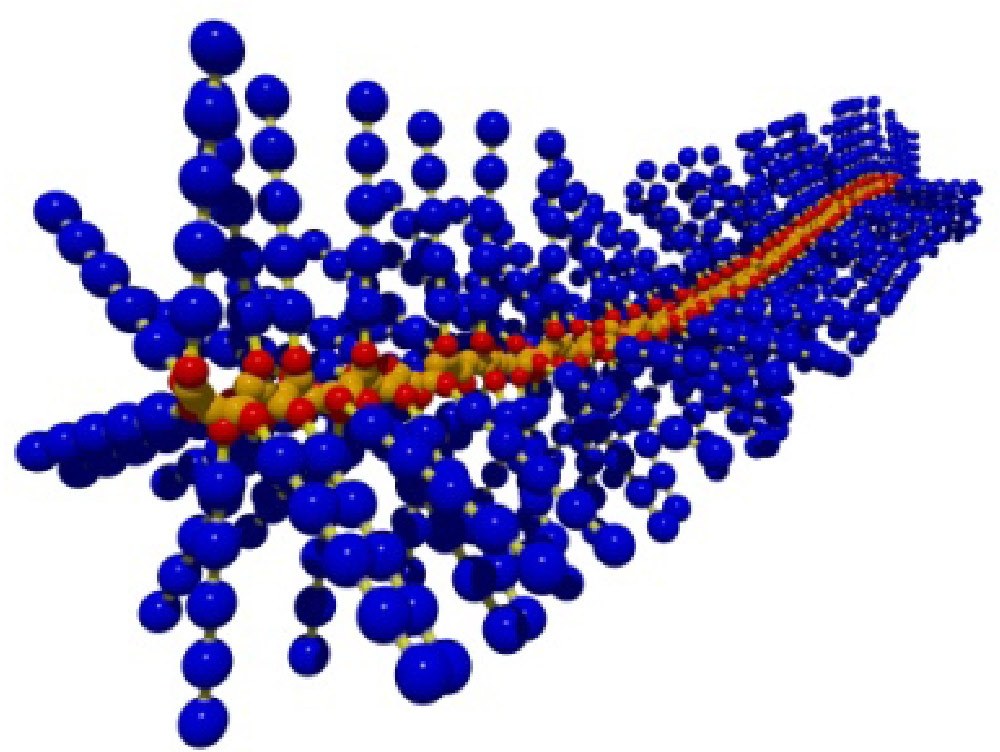
What is a polymer?
a)
a group of atoms
b)
a long chain molecule with identical group of atoms
c)
a long chain of molecules
d)
a long chain of different atoms
5.
The process by which polymers and plastics are made
a)
polymerization
b)
vulcanization
c)
PVA
d)
PMMA
6.
Small molecules that make up larger molecules.
a)
monomer
b)
polymer
c)
synthetic
d)
plastic
7.

Which of the following is not a type of polymer?
a)
natural
b)
synthetic
c)
sympathetic
d)
thermoplastic
8.

Which of the following is not a type of natural polymer?
a)
polyethylene
b)
wool
c)
rubber
d)
cotton
9.

Which of these is an example of synthetic polymer?
a)
cotton fibers
b)
rubber
c)
wool
d)
polyvinyl chloride (PVC)
10.
What is a homopolymer?
a)
ABABABAB
b)
AAAAAAAA
c)
AAAABBBB
d)
AABBAABB
11.

Which of the following undergo addition polymerization?
a)
a
b)
b
c)
c
d)
d
12.

They contain the same type of monomer in the structure
a)
copolymer
b)
homopolymer
c)
thermoplastic
d)
condensation polymer
13.
They contain the same type of monomer in the structure
a)
copolymer
b)
homopolymer
c)
thermoplastic
d)
condensation polymer
14.

The functional group of the monomer react to bond each other and produce water.
a)
condensation
b)
thermosetting
c)
copolymer
d)
addition
15.

What polymer does this shorthand formula represent?
a)
PVC
b)
Polypropene
c)
DNA
d)
Polyethene
16.

What monomer is used to make this polymer?
a)
Propane
b)
Ethene
c)
Propene
d)
Methane
17.

Repeat units are often designated using what letter to represent the number of repeats?
a)
x
b)
z
c)
n
d)
a
18.
Repeat units are often designated using what letter to represent the number of repeats?
a)
x
b)
z
c)
n
d)
a
19.

The reaction site in addition polymerization
a)
Functional group
b)
Double bond
c)
By-product
d)
Hydrogen
20.

Which is an alternating copolymer?
a)
AAAAAAAA
b)
ABABABAB
c)
AAAABBBB
d)
AABBAABB
21.
Once formed, it can be heated and reformed Over and over again
a)
Thermoplastic
b)
Thermoset
c)
Linear
d)
Branched
22.
Once formed, it can be heated and reformed Over and over again
a)
Thermoplastic
b)
Thermoset
c)
Linear
d)
Branched
23.

Large molecules made of Hydrogen and Carbon
a)
plastic
b)
vulcanization
c)
hydrocarbon
d)
organic
24.
It cannot be re-melted. Once re-heated they will burn.
a)
Thermoplastic
b)
Thermoset
c)
Linear
d)
Branched
25.
Rigid and very strong Polymer. Also a type of thermoset polymer.
a)
Linear
b)
Branched
c)
Cross-Linked
d)
Thermoset
26.
Rigid and tough Polymer
a)
Linear
b)
Branched
c)
Cross-Linked
d)
Thermoset
27.
Soft, flexible and tough Polymer
a)
Linear
b)
Branched
c)
Cross-Linked
d)
Thermoset
28.

Rigid and very strong Polymer.
a)
Linear
b)
Branched
c)
Cross-Linked
d)
Thermoset
100 %

