
 Worksheets
The Elements of Art
Total questions: 22
Worksheet time: 10mins
Name
Class
Date
1.
A three dimensional object, such as a cube or ball or the representation of a 3-D object. 3-D objects have height, length, and width.
a)
form
b)
shape
c)
space
2.

a)
shape
b)
form
3.
Texture you can actually feel.
a)
tactile
b)
visual
4.

a)
shape
b)
form
5.
The darkness or lightness of a color. Shades are dark, tints are light.
a)
value
b)
color
c)
shade
6.

a)
geometric forms
b)
geometric shapes
c)
organic forms
7.

a)
visual texture
b)
actual texture
8.
Texture you can see, but cannot feel.
a)
visual
b)
tactile
9.

a)
diagonal
b)
vertical
c)
horizontal
10.
Which of these is NOT an element of art?
a)
color
b)
line
c)
space
d)
hue
11.

a)
horizontal
b)
vertical
c)
diagonal
12.

a)
vertical
b)
horizontal
c)
diagonal
13.
The way something feels to the touch (actual/tactile) or how it may look (visual).
a)
texture
b)
color
c)
line
14.
A two dimensional area created by connecting lines.
a)
shape
b)
form
c)
space
15.
The visual quality of objects caused by the amount of light reflected by them.
a)
color
b)
value
c)
color wheel
16.

a)
visual texture
b)
tactile texture
c)
no texture
17.
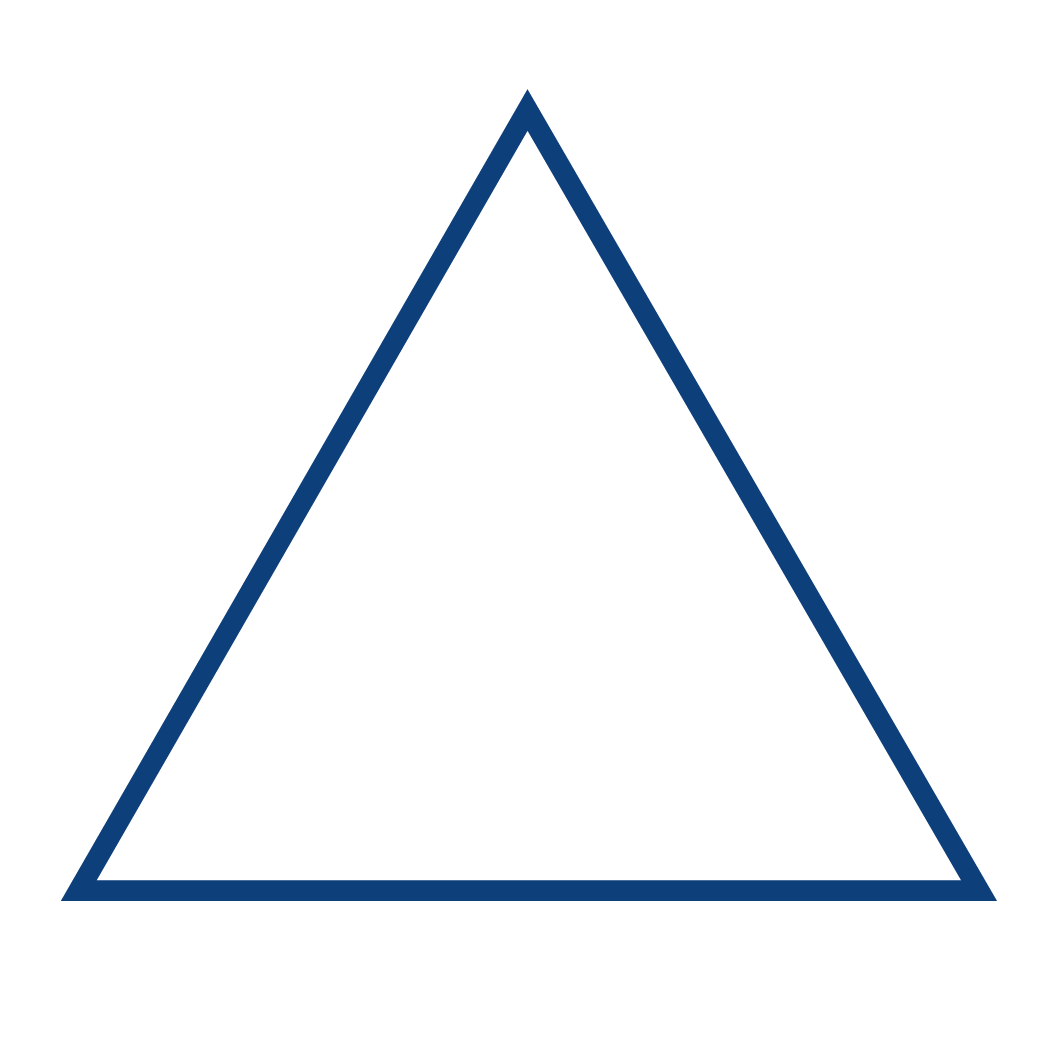
Is this image an example of a geometric or organic shape?
a)
Geometric
b)
Organic
18.
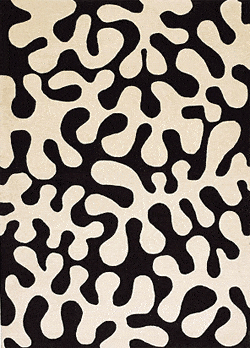
What phrase best describes this image?
a)
geometric forms
b)
geometric shapes
c)
organic shapes
d)
organic forms
19.
The two kinds of texture are:
a)
sharp and soft
b)
fluffy and rough
c)
visual and actual
d)
bumpy and smooth
20.

We see color because of...
a)
value
b)
shadow
c)
reflections of light
d)
we have eyes
21.
"Texture is only relevant to 3-dimensional art."
a)
True
b)
False
22.
Positive is what is there, negative is where there isn't anything.
a)
Space
b)
Shape
c)
Line
d)
Form
100 %

