
NEW
Font size
S
M
L
XL
 Worksheets
Body Symmetry
Total questions: 14
Worksheet time: 7mins
Name
Class
Date
1.
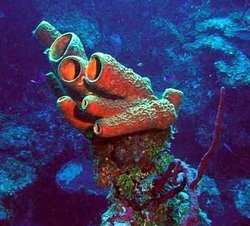
What type of symmetry does this animal exhibit?
a)
Asymmetry
b)
Bilateral symmetry
c)
Radial symmetry
2.
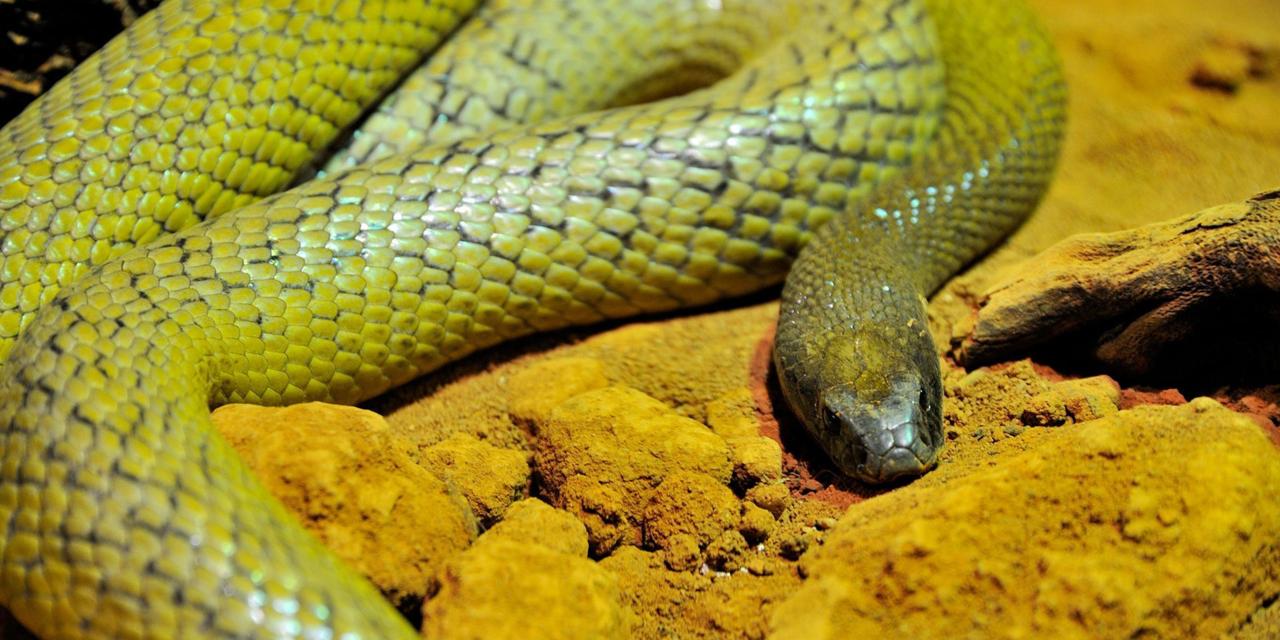
What type of symmetry does this animal exhibit?
a)
Asymmetry
b)
Bilateral symmetry
c)
Radial Symmetry
3.
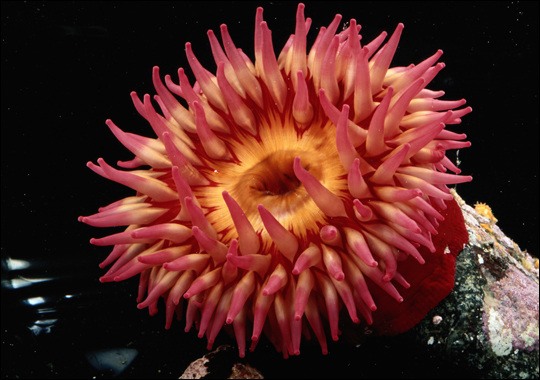
What type of symmetry does this animal exhibit?
a)
Asymmetry
b)
Bilateral symmetry
c)
Radial symmetry
4.
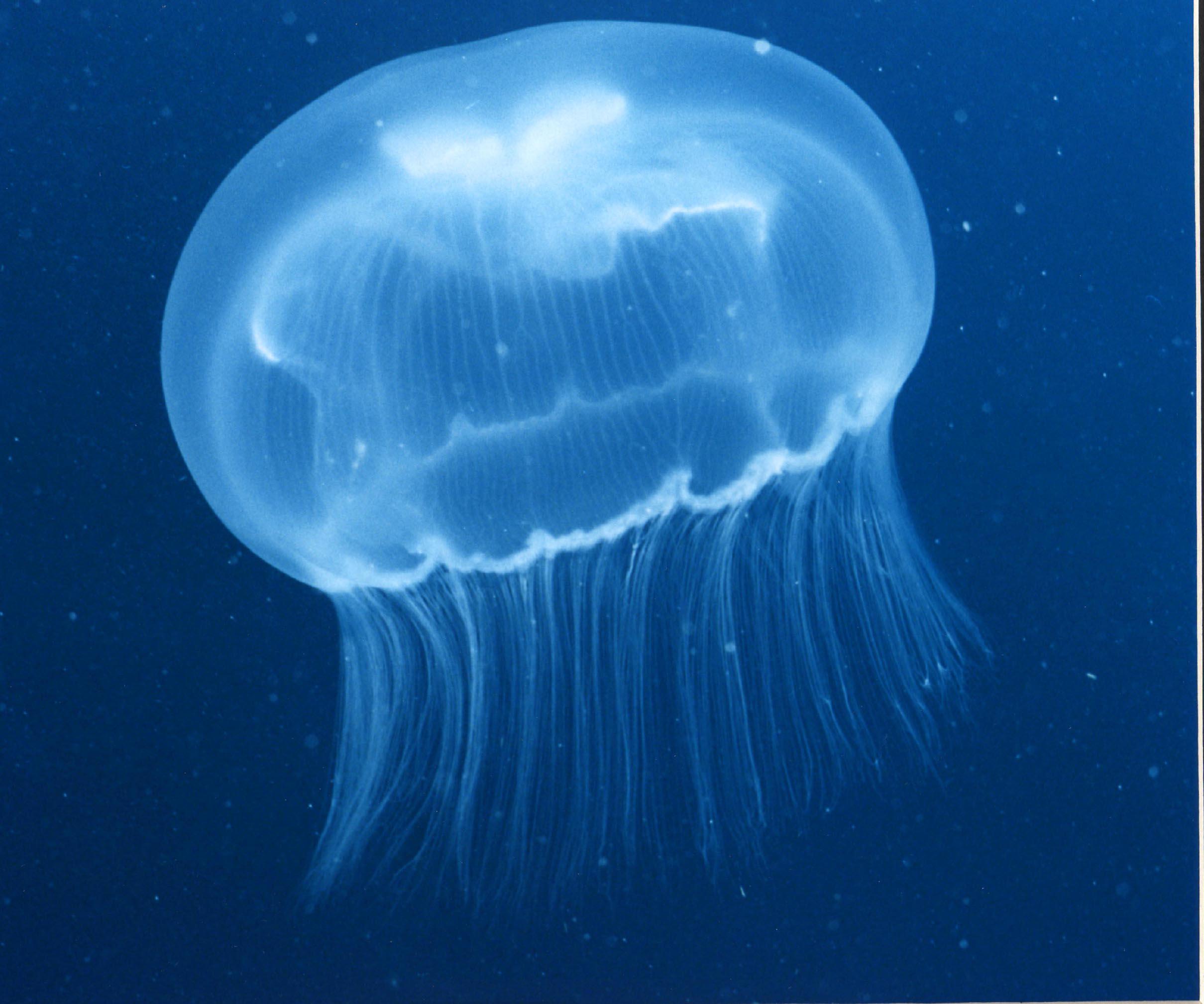
What type of symmetry does this animal exhibit?
a)
Asymmetry
b)
Bilateral symmetry
c)
Radial symmetry
5.
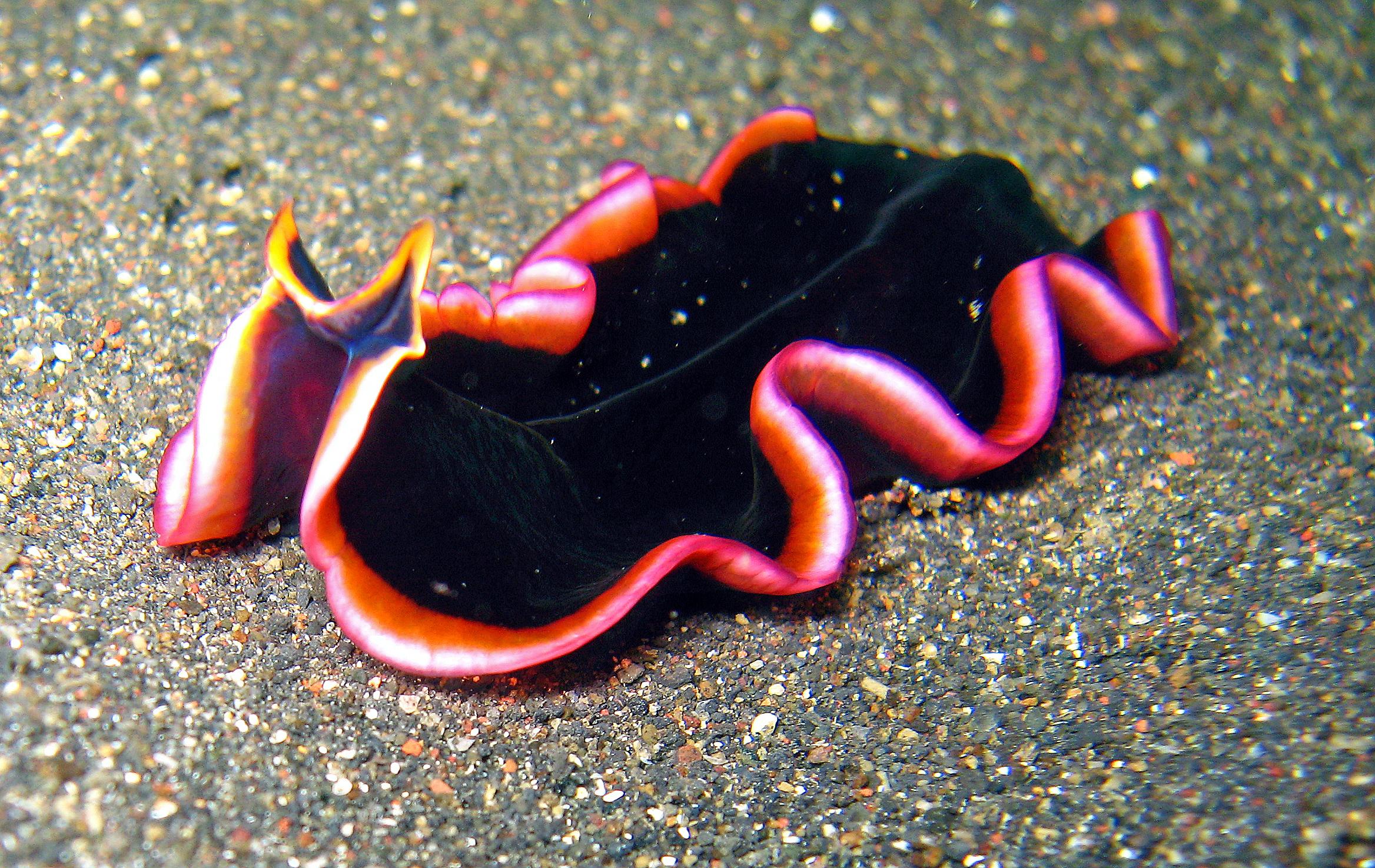
What type of symmetry does this animal exhibit?
a)
Asymmetry
b)
Bilateral symmetry
c)
Radial symmetry
6.
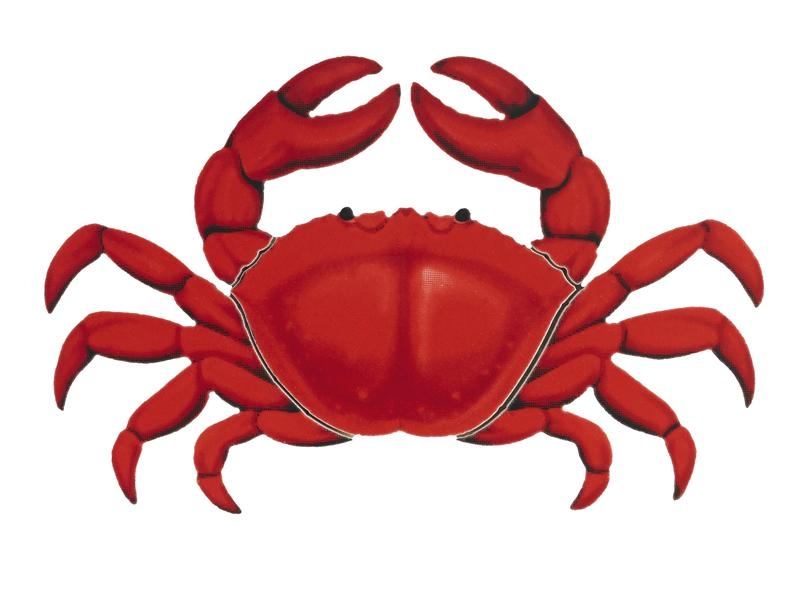
What type of symmetry does this animal exhibit?
a)
Asymmetry
b)
Bilateral symmetry
c)
Radial symmetry
7.
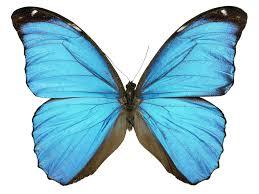
What type of symmetry does this organism have?
a)
Asymmetry
b)
Radial
c)
Bilateral
8.
Animals are
a)all unicellular
b)all multicellular
c)
mostly unicellular
d)mostly multicellular
9.
All vertebrates have
a)
4 legs
b)wings
c)lungs
d)a backbone
10.
Animals whose body parts are arranged the same on both sides have
a)
radial symmetry
b)asymmetry
c)bilateral symmetry
d)spherical symmetry
11.
Which have radial symmetry?
a)
starfish
b)
jellyfish
c)
sand dollar
d)
all of these have radial symmetry
12.
Most sponges have
a)
radial symmetry
b)bilateral symmetry
c)
spherical symmetry
d)asymmetry
13.
Animals whose body parts are arranged in a circle around a center point have
a)radial symmetry
b)spherical symmetry
c)asymmetry
d)bilateral symmetry
14.
What occurs when the body can’t be divided into similar sections (mirror images)?
a)
asymmetry
b)
symmetry
c)
segmented
d)
unsegmented
Reset

