
 Worksheets
American Government Unit 1
Total questions: 86
Worksheet time: 52mins
Name
Class
Date
1.
A social institution that tries to ensure the society’s needs are met is known as
a)
Congress
b)
Government
c)
Country
d)
Law Enforcement
2.
The Social Contract Theory is defined as
a)
One person controlling an area and everything in it.
b)
A contract between the government and its people.
c)
An evolution of one nation
d)
A contract between a business owner and a consumer.
3.
One person who controls an area and every aspect of that area is the ______________ Theory.
a)
Social Contract
b)
Force
c)
Divine Right
d)
Evolution
4.
A ruler who wields absolute power. Receives power by taking it through force. An autocrat.
a)
Dictator
b)
President
c)
Constitutional Monarch
5.
A system of government in which political power resides with the people.
a)
Autocracy
b)
Democracy
c)
Oligarchy
6.
Post is inherited and lasts until death or abdication.
a)
Monarchy
b)
Dictatorship
7.
The king or queen has complete or total power among his or her people.
a)
Absolute Monarchy
b)
Constitutional Monarchy
8.
The king or queen has power that is limited by a constitution and parliament.
a)
Absolute Monarchy
b)
Constitutional Monarchy
9.
A representative democracy in which the people's elected deputies (representatives), not the people themselves, vote on legislation.
a)
Socialism
b)
Communism
c)
Olygarchy
d)
Republic
10.
A form of government where the monarch rules unhindered, i.e., without any laws, constitution, or legally organized oposition.
a)
Authoritarian
b)
Communist
c)
Absolute Monarchy
d)
Dictatorship
11.
A government that seeks to subordinate the individual to the state by controlling not only all political and economic matters, but also the attitudes, values, and beliefs of its population.
a)
Sultanate
b)
Emirate
c)
Islamic republic
d)
Totalitarian
12.
A government in which control is exercised by a small group of individuals whose authority generally is based on wealth or power.
a)
Marxism
b)
Parliamentary monarchy
c)
Oligarchy
d)
Monarchy
13.
In an ancient kingdom, the people were tired of being treated badly their king. The people of each village got together and chose chiefs to bring their complaints to the king. What kind of government did the villagers demonstrate by their actions?
a)
Representative Democracy
b)
Direct Democracy
c)
Autocracy
d)
Monarchy
14.
Kayla sat in the meeting hall and listened to the different candidates for her state's open Senate seat. The candidates debated about their positions on issues. When Election Day came along, she voted for the candidate she thought would best serve her community’s interests. What form of government does Kayla have?
a)
Representative democracy
b)
Direct democracy
c)
Monarchy
d)
Oligarchy
15.
What is a government that is run by the people, either directly or indirectly?
a)
Oligarchy
b)
Communism
c)
Monarchy
d)
Democracy
16.
A self-appointed council amends the country’s constitution. Based on this scenario, which form of government is taking action?
a)
republic
b)
oligarchy
c)
monarchy
d)
dictatorship
17.
A monarch presides over ceremonies, but elected leaders run the gov. What form of gov is this?
a)
absolute monarchy
b)
dictatorship
c)
constitutional monarchy
d)
republic
18.
What is the term for a type of government in which one person possesses unlimited power?
a)
Democracy
b)
Autocracy
c)
Socialism
d)
Communism
19.
What do a republic and a direct democracy have in common?
a)
rule by a single political party
b)
a small group of leaders
c)
rule by the people
d)
a single leader
20.
What does an absolute monarchy, dictatorship, and oligarchy have in common?
a)
A single individual or small group exercises control over government
b)
The head of state is chosen by Parliament
c)
Political power is exercised by representatives elected by the people
d)
Their citizens decide public issues for themselves
21.
Which statement applies to all types of monarchies?
a)
The monarch's power, whether total or limited, is established in a written constitution.
b)
They combine the executive and legislative branches.
c)
Their ruler holds absolute power, unlimited by Parliaments or constitutions.
d)
The monarch inherits his or her power.
22.
a system in which government controls people's lives
a)
totalitarian
b)
constitutional monarchy
c)
representative democracy
d)
republic
23.
A ____________ is any form of government in which citizens hold the power to rule; they vote.
a)
Autocracy
b)
Oligarchy
c)
Democracy
d)
Anarchy
24.
An ____________ is any form of government in which one ruler holds all political power.
a)
Autocracy
b)
Oligarchy
c)
Democracy
d)
Anarchy
25.
A _________ is a form of government where one leader has absolute control over citizens’ lives.
a)
Autocracy
b)
Absolute Monarchy
c)
Dictatorship
d)
Monarchy
26.
What is the term for a type of government in which one person possesses unlimited power?
a)
Communism
b)
Democracy
c)
Socialism
d)
Autocracy
27.
A ___________ is a government ruled by one person who has hereditary power
a)
Absolute Monarchy
b)
Constitutional Monarchy
c)
Monarchy
d)
Autocracy
28.
In an absolute monarchy the king or queen’s rule is supreme. No one can question their authority.
a)
True
b)
False
29.
In a constitutional monarchy, the power of the king is not limited.
a)
True
b)
False
30.
In an _________, a small group of people has all the power.
a)
monarchy
b)
oligarchy
c)
autocracy
d)
plutocracy
31.
Which type of government gets their power from religious tradition?
a)
Democracy
b)
Theocracy
c)
Monarchy
d)
Dictatorship
32.
Which type of government gets their power from the force?
a)
Democracy
b)
Theocracy
c)
Monarchy
d)
Dictatorship
33.
Which type of government gets their power from allegiance to the royal family?
a)
Democracy
b)
Theocracy
c)
Monarchy
d)
Dictatorship
34.
If the government leader comes from the religious community, what type of government is this?
a)
Democracy
b)
Theocracy
c)
Monarchy
d)
Dictatorship
35.
If citizens risk punishment for criticizing the government, what type of government is this?
a)
Democracy
b)
Theocracy
c)
Monarchy
d)
Dictatorship
36.
What type of government is this: Laws and leaders are influenced by Islamic faith. The people follow Islamic law strictly or face consequences.
a)
Democracy
b)
Theocracy
c)
Monarchy
d)
Dictatorship
37.
What type of government is this: Current leader took his power by force. Citizens will be punished if they criticize the government
a)
Democracy
b)
Theocracy
c)
Monarchy
d)
Dictatorship
38.
What type of government is this: The country is ruled by a king. The next ruler is selected according to the blood line
a)
Democracy
b)
Theocracy
c)
Monarchy
d)
Dictatorship
39.
The people elect a Prime Minister, the chief leader in the government. His power is balanced by an elected group of Parliament
a)
Democracy
b)
Theocracy
c)
Monarchy
d)
Dictatorship
40.
Which type of government sounds like this: "I follow my leaders because they are faithful to my religion."
a)
Democracy
b)
Theocracy
c)
Monarchy
d)
Dictatorship
41.
Country X's leaders are chosen by popular vote by the citizens. The people do not get to vote on most issues, but they always get to elect leaders. The people do have power through voting. What type of government is this?
a)
Democracy
b)
Theocracy
c)
Monarchy
d)
Dictatorship
42.
Country Y is in the Middle East. They have various leaders, but most are not elected. The leader and the laws of the government obey the Quran - the holy book of Islam. The laws of the Quran are the guidelines for all ways of life in the country. What type of government is this?
a)
Democracy
b)
Theocracy
c)
Monarchy
d)
Dictatorship
43.
Country Z is in Europe. They are ruled by a military leader who took by power by overthrowing the previous government. Citizens are obedient, but they did not elect him. There is an election, but this leader is the only name on the ballot. People may not criticize the government.
a)
Democracy
b)
Theocracy
c)
Monarchy
d)
Dictatorship
44.
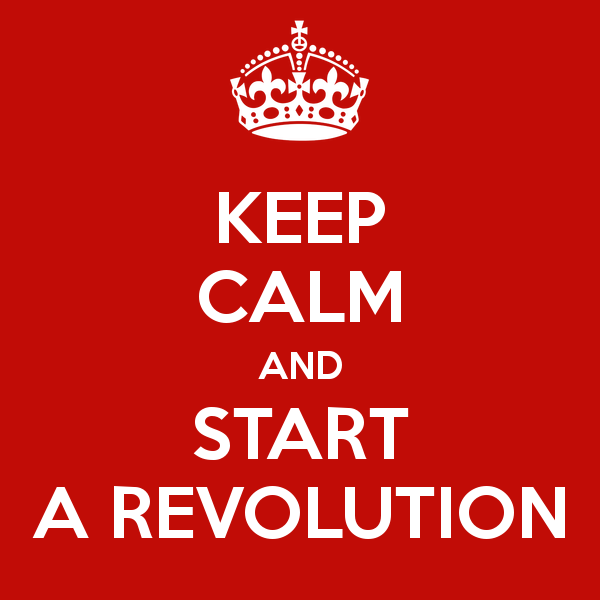
In Hobbes's view of the social contract, people retained the right to question, overthrow, or replace their government.
a)
True
b)
False
45.
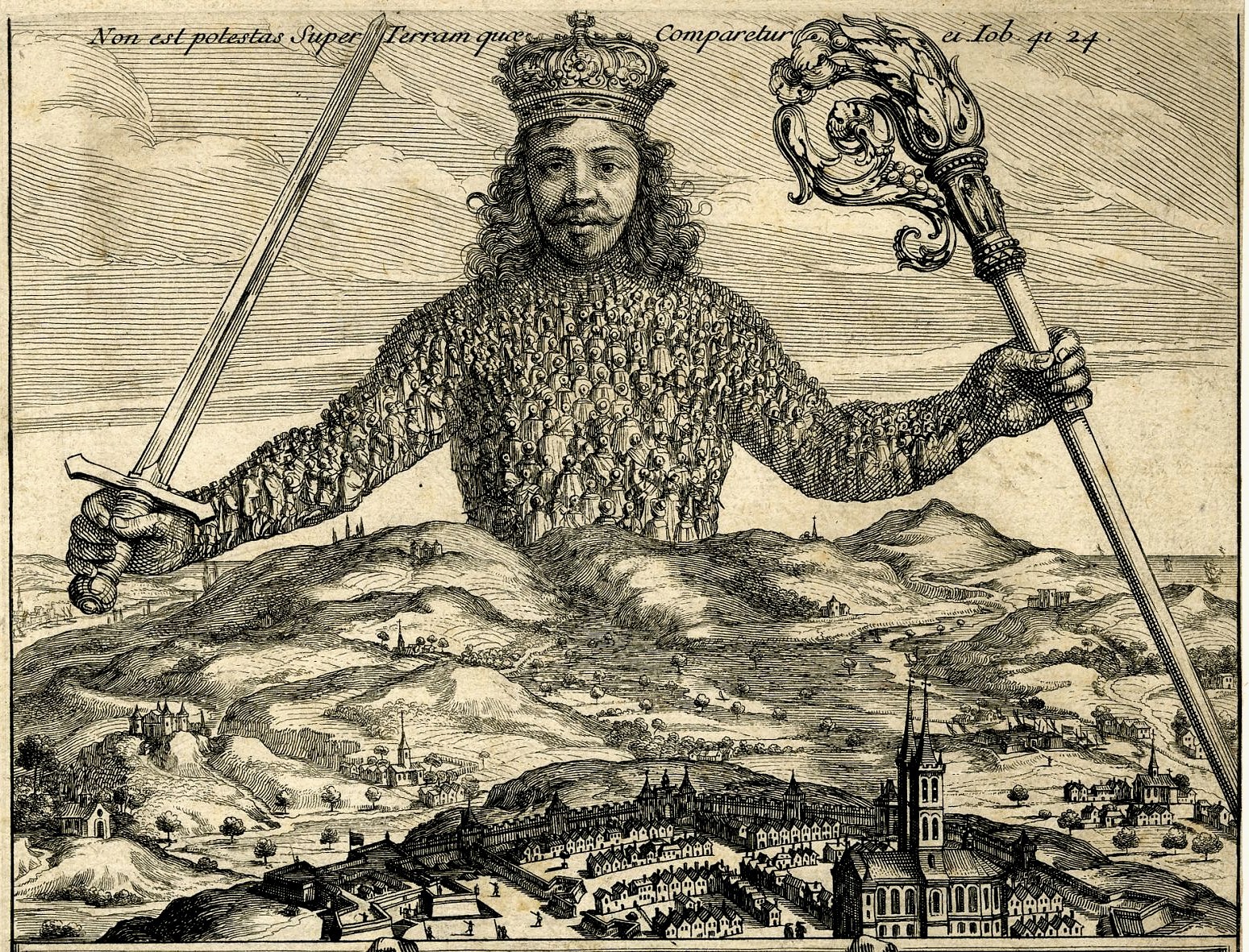
What was the name of Thomas Hobbes's book on government?
a)
Behemoth
b)
Gargantua
c)
Leviathan
d)
Colossus
46.
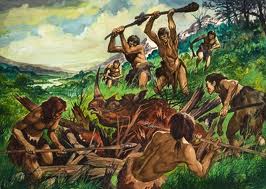
How did Hobbes sum up people's quality of life in a state of nature?
a)
life, liberty, and the pursuit of happiness
b)
poor, nasty, brutish, and short
c)
fulfilling, long-lived, philosophical, and introspective
d)
scared, hungry, lonely, and cold
47.

According to Hobbes, people agreed to give up some __________________ in exchange for __________________ as part of the social contract.
a)
rights and power / protection
b)
food and shelter / weapons
c)
security and protection / freedom
d)
money / goods and services
48.
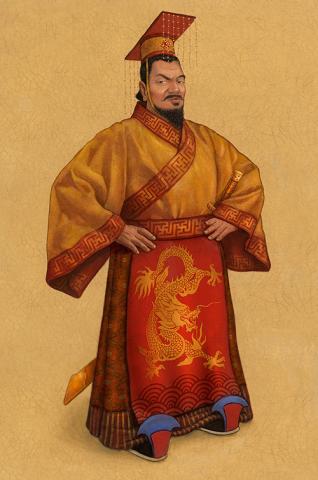
Hobbes believed that a single __________, or ruler, should have complete authority over the people.
a)
emperor
b)
magnate
c)
overlord
d)
sovereign
49.
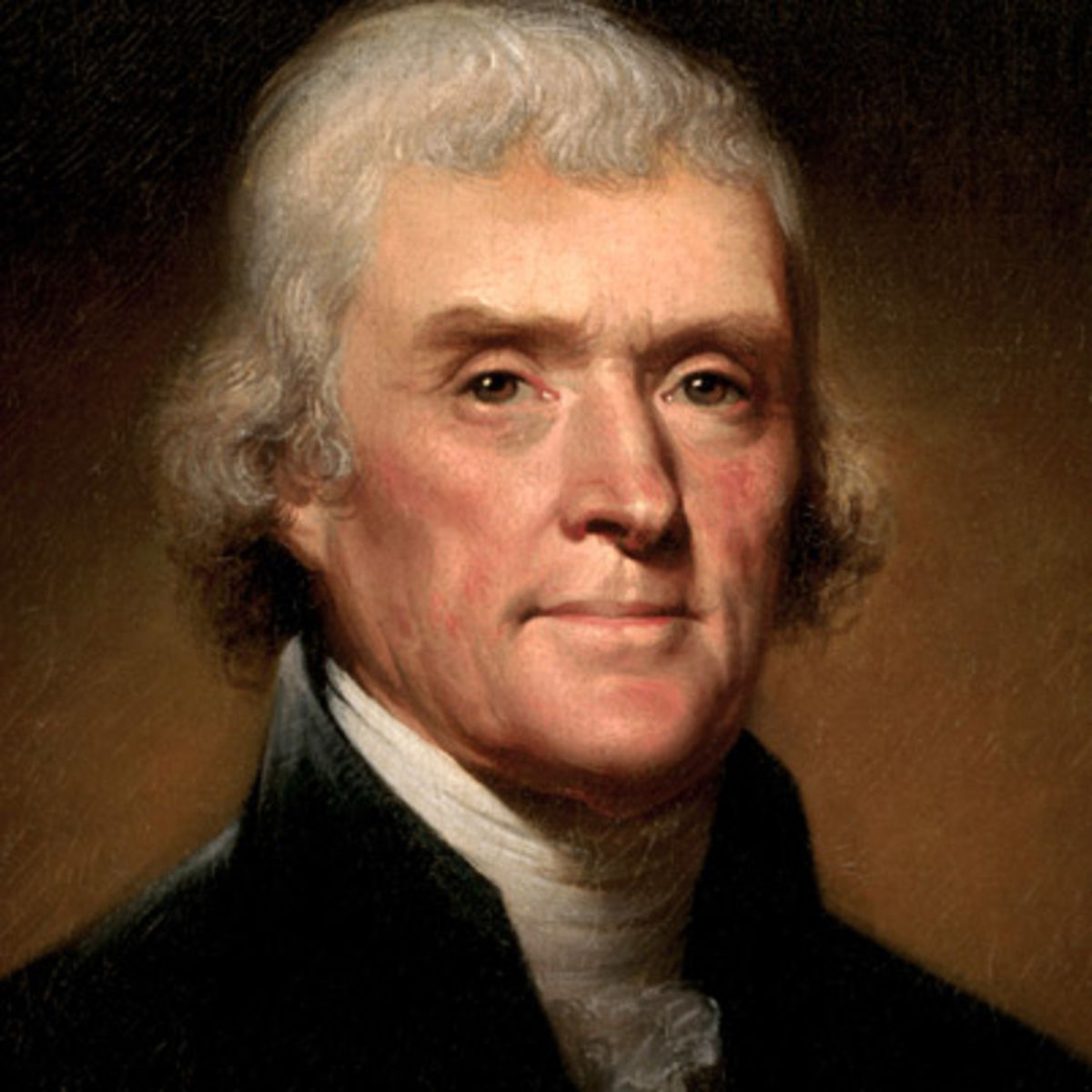
John Locke's thinking influenced what American founder?
a)
George Washington
b)
Benjamin Franklin
c)
Alexander Hamilton
d)
Thomas Jefferson
50.

According to Locke, all humans share a set of __________.
a)
internal organs
b)
natural rights
c)
hopes and dreams
d)
traits and motivations
51.
For both Hobbes and Locke, the social contract is an agreement between...
a)
plaintiff and defendant
b)
sovereign states
c)
companies and shareholders
d)
citizens and government
52.
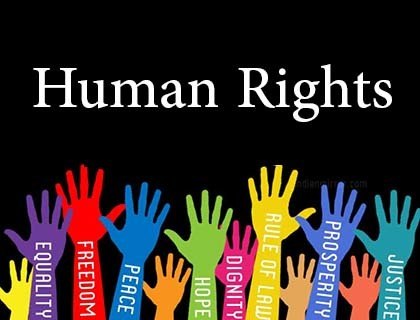
Locke's inalienable rights include...
a)
life, liberty, and property
b)
pizza, chipa, and soda
c)
life, property, and travel
d)
freedom of speech, freedom to bear arms, and freedom of assembly
53.

Locke believed that people's natural rights are granted to them by their government(s).
a)
True
b)
False
54.
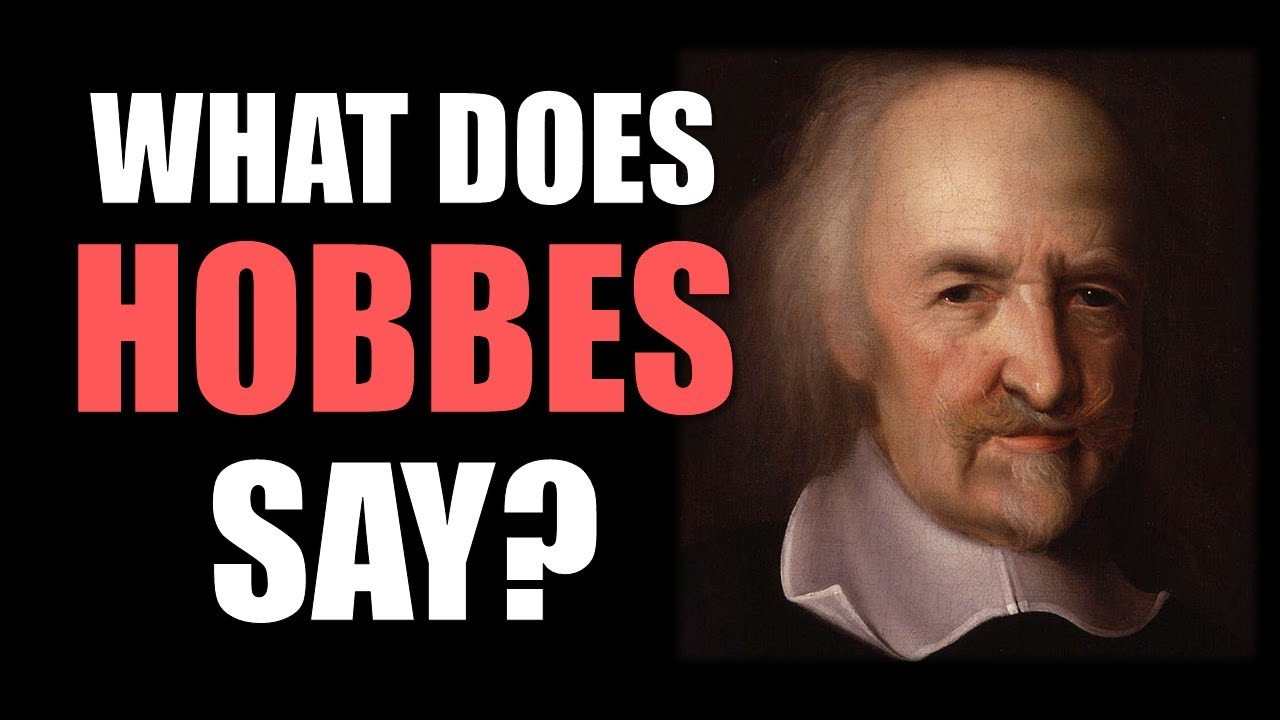
How did Hobbes view human nature?
a)
We are inquisitive and industrious.
b)
We are naturally selfish and quick to fight.
c)
We are naturally altruistic and usually willing to compromise.
d)
We are born a 'blank slate', and we develop differently according to our life's experiences..
55.
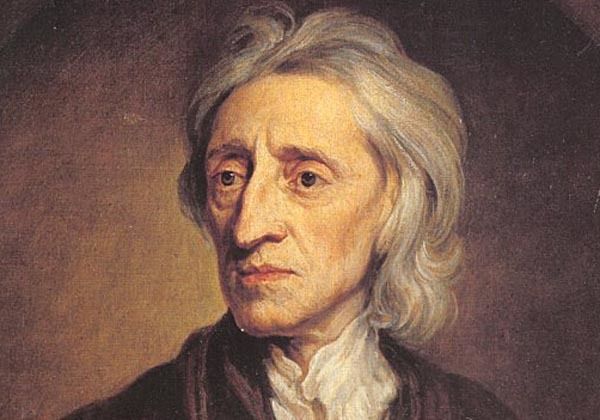
How did Locke view human nature?
a)
We are a born a 'blank slate', and we develop differently according to our life's experiences..
b)
We are naturally altruistic and usually willing to compromise.
c)
We are inquisitive and industrious.
d)
We are naturally selfish and quick to fight.
56.
This philosopher believed that government was best when power was split three ways
a)
Locke
b)
Hobbes
c)
Rousseau
d)
Montesquieu
57.
This philosopher believed people are born good but can make poor decisions without proper guidance.
a)
Locke
b)
Hobbes
c)
Rousseau
d)
Montesquieu
58.
He believed that good government was formed by the "general will" of society and people give up some freedom for the common good.
a)
Locke
b)
Wollstonecraft
c)
Rousseau
d)
Hobbes
59.
Baron de Montesquieu established two ideas that helped mold today's government in the United States. Those two ideas were....
a)
reason and progress
b)
Separation of Power and Checks and Balances
c)
Laissee-faire and Supply & Demand
d)
General Will and Social Contract
60.
Under the Articles of Confederation, the government consisted of _______________ branch of government.
a)
3
b)
2
c)
1
d)
4
61.
Under the Articles of Confederation Congress could only pass a law if ____________ out 13 states agreed.
a)
13
b)
8
c)
9
d)
10
62.
One weakness of the Articles of the Confederation was ____________.
a)
The ability of Congress to tax.
b)
The inability of Congress to tax.
c)
The ability of Congress to declare war.
d)
The ability of Congress to create courts.
63.
In order to change (amend) the Articles of Confederation, __________ out of 13 states had to agree.
a)
9
b)
10
c)
13
d)
15
64.
Under the Articles of Confederation, Congress could regulate trade between the states.
a)
true
b)
false
65.
Under the Articles of Confederation, each state got __________ vote.
a)
3
b)
2
c)
1
d)
5
66.
The Articles of Confederation created a _________________ type of government.
a)
strong
b)
average
c)
weak
d)
federal
67.
The weaknesses of the Articles of the Confederation led to an effort to create a new _____________.
a)
Proclamation of 1763
b)
Constitution
c)
Declaration of Independence
d)
Treaty of Paris 1783
68.
The Great Compromise accomplished which of the following?
a)
Created a one house legislature
b)
Postponed the conversation about slavery
c)
Added the Bill of Rights
d)
Created a two house legislature
69.
In what house of our national legislature, called Congress, does each state have equal representation?
a)
Senate
b)
House of Representatives
c)
General Assembly
d)
House of Commons
70.
What document replaced the Articles of Confederation and established a new national government?
a)
The Declaration of Independence
b)
The Constitution
c)
The Magna Carta
d)
The English Bill of Rights
71.
Americans were afraid that a __?__ would lead to tyranny, or oppressive rule.
a)
strong state government
b)
weak government
c)
strong central government
d)
legslature
72.
What does ratification mean?
a)
To deny
b)
to ask for
c)
to demand
d)
to approve
73.
The Constitutional Convention was convened to...
a)
write the Treaty of Paris.
b)
get all the signers of the Declaration together to celebrate.
c)
decide who would fight Daniel Shay.
d)
improve the Articles of Confederation.
74.
-Feared a strong central government. Believed a bill of rights needed to be added to the Constitution. opponents of the Constitution. All describe-
a)
democrats
b)
anti-federalists
c)
federalists
d)
small states
75.
The issue of enslaved people for the purpose of representation was the main issue of -
a)
Great Compromise
b)
One-Third Compromise
c)
Three-Fifths Compromise
d)
Slave Compromise
76.

The image represents what resolution that happened at the Convention-
a)
Three Fifths Compromise
b)
One Quarter Compromise
c)
Slave Compromise
d)
Great Compromise
77.

The image represents-
a)
Three-Fifths Compromise
b)
Great Compromise
c)
A line at McDonalds
d)
People without an Iphone
78.
Someone that favored approval of the Constitution is called-
a)
Federalist
b)
Anti Federalist
c)
Republican
d)
Democrat
79.

The Great Compromise called for a house of representatives and a Senate which is called-
a)
bicameral
b)
unicameral
c)
one camel
d)
Three camels
80.
Supported the Constitution. favored stronger central government. Wanted weaker state government. All describe
a)
Federalists
b)
Anti-Federalists
c)
demigods
d)
Senate
81.
Representation should be proportional based on a states population was part of the
a)
New Jersey plan
b)
Virginia plan
c)
Conneticut plan
d)
Commerce Compromise
82.
Representation should be equal giving each state the same number of representatives was part of the
a)
New Jersey plan
b)
Virginia plan
c)
Conneticut plan
d)
Commerce Compromise
83.
To choose the president through and indirect vote we use the
a)
Commerce compromise
b)
Great Compromise
c)
Three-fifths Compromise
d)
Electoral College
84.
Who is considered the "Father of the Constitution?
a)
James Madison
b)
Benjamin Franklin
c)
Thomas Jefferson
d)
Patrick Henry
85.
What document formed the first national government of our nation?
a)
The Articles of Confederation
b)
The Constitution
c)
The Declaration of Independence
d)
The Magna Carta
86.

Which is a weakness of the Articles of Confederation?
a)
Congress couldn't collect taxes
b)
Weak central government
c)
Provided for no common currency
d)
All of the these
100 %

