
 Worksheets
Organelle and Cell History Review
Total questions: 45
Worksheet time: 1hrs 22mins
Name
Class
Date
1.

What kind of cell doesn't have a nucleus?
a)
Prokaryote
b)
Eukaryote
c)
Human
d)
Fungi
2.

What kind of organelle surrounds the nucleus?
a)
Golgi Apparatus
b)
Mitochondria
c)
Nucleolus
d)
Nuclear Envelope
3.

Which organelle is represented on the lower right side of this picture? Its function is to make ATP.
a)
Vacuole
b)
Ribosome
c)
Lysosome
d)
Mitochondrion
4.

Which organelle protects the cell by controlling what can enter and leave?
a)
Cell wall
b)
Cell membrane
c)
Protein
d)
Golgi Apparatus
5.

What kind of cells are in this image?
a)
Plant
b)
Animal
c)
Archaea
d)
Bacteria
6.

Which organelle is not in a typical bacterium cell?
a)
Lysosome
b)
Ribosome
c)
Cell Wall
d)
Cytoplasm
7.
Additional layer around the outside of plant cells made from cellulose that protect and give shape
a)
Cell Wall
b)
Chloroplast
c)
Cell Membrane
d)
Golgi Complex
8.
Produces proteins
a)
Ribosome
b)
Nucleus
c)
Cytoplasm
d)
Endoplasmic Reticulum
9.
Plant cell structures that turn energy from sunlight into food.
a)
Cell Wall
b)
Mitochondria
c)
Chloroplast
d)
Cytoplasm
10.
Are prokaryotes multicellular or unicellular?
a)
Multicellular
b)
Unicellular
11.
Has ribosomes
a)
Prokaryote
b)
Eukaryote
c)
both
12.
Complex
a)
Prokaryote
b)
Eukaryote
c)
Both
13.
Smaller
a)
Prokaryote
b)
Eukaryote
c)
Both
14.
Protists
a)
Prokaryote
b)
Eukaryote
c)
Both
15.

What cell part is NOT found in all cells?
a)
Cell Wall
b)
Cell Membrane
c)
Cytoplasm
d)
Genetic Material
16.

What is the function of the Golgi apparatus?
a)
where ribosomes are made
b)
receives proteins from ER and distributes them
c)
assembles amino acids into proteins
d)
Digests used proteins
17.
Where are proteins made?
a)
Golgi apparatus
b)
Mitochondrion
c)
Chromosome
d)
Ribosome
18.
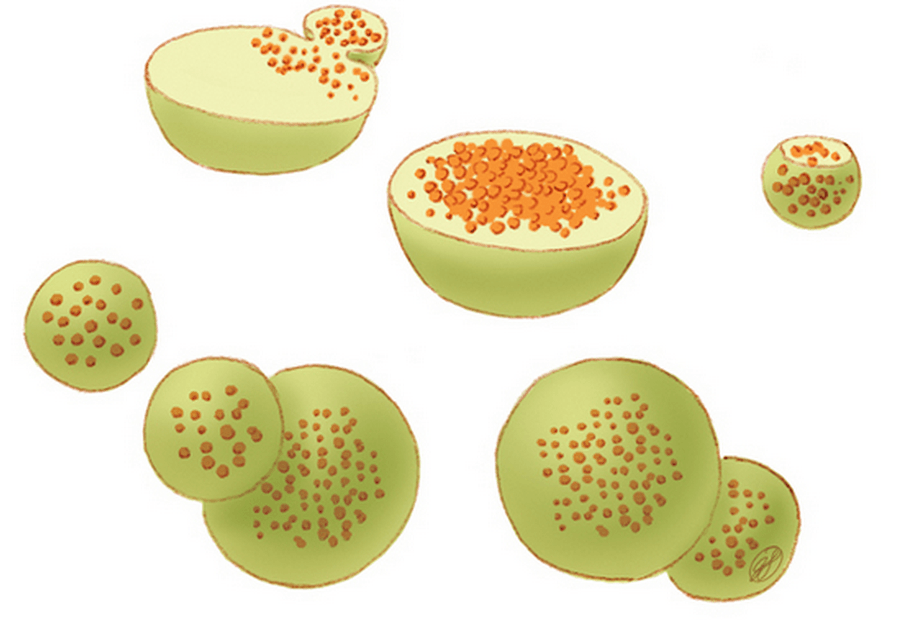
You might think of me as the trash collector, but recycler is maybe more accurate. What am I?
a)
mitochondria
b)
lysosome
c)
vacuole
d)
ribosome
19.
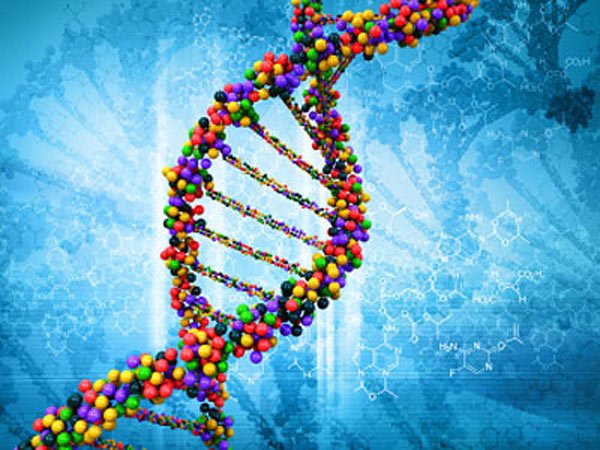
What is the name of the genetic material that is inside the nucleus?
a)
ER
b)
ATP
c)
RNA
d)
DNA
20.
What is found in both plant and animal cells but is much larger in plant cells?
a)
Nucleus
b)
Mitochondria
c)
Chloroplast
d)
Vacuole
21.
Main producer of ATP in all eukaryotes
a)
chloroplast
b)
mitochondria
c)
lysosome
d)
smooth er
22.
What organisms have a cell wall?
a)
Plants and Bacteria
b)
Only Animals
c)
Plants & Animals
d)
Animals & Bacteria
23.

Using this image, what organelle is N?
a)
Centrioles
b)
Cell Membrane
c)
Golgi Apparatus
d)
Ribosome
24.

Using this image, what organelle is C?
a)
Cell Wall
b)
Mitochondria
c)
Large Cell Vacuole
d)
Chloroplast
25.

Using this image, what organelle is A?
a)
Cell Wall
b)
Large Central Vacuole
c)
Mitochondria
d)
Chloroplast
26.

What is the difference between rough and smooth ER?
a)
There is no difference.
b)
Plants have rough ER, animals have smooth ER.
c)
What type of injuries the Doctors treat.
d)
Rough has ribosomes, smooth does not.
27.

Using this image, what organelle is D?
a)
Endoplasmic Reticulum
b)
Flagella
c)
Rough ER
d)
Smooth ER
28.
Who discovered and named cells?
a)
Captain Hook
b)
Robert Hooke
c)
Zacharias Janssen
d)
Rudolf Virchow
29.
What did Hooke first examine?
a)
Pond water
b)
Plant cells
c)
Cork
d)
Animal fat
30.
What did Leeuwenhoek examine?
a)
Cork
b)
Pond water
c)
Plant cells
d)
Animal fat
31.
What was Schleiden convinced of?
a)
All plants are made of cells
b)
All animals are made of cells
c)
All cells form spontaneously
d)
None of the above
32.
Who noted that animals are made of cells and concluded that all living things are made of cells and cell products?
a)
Rudolf Virchow
b)
Anton van Leeuwenhoek
c)
Theodor Schwann
d)
Robert Hooke
33.
Who discovered that cells come from preexisting cells and whose research lead to the major principles of cell theory?
a)
Matthias Schleiden
b)
Robert Hooke
c)
Zacharias Janssen
d)
Rudolf Virchow
34.
Which is not a part of cell theory?
a)
All organisms are made of cells
b)
All existing cells come from preexisting cells
c)
All matter is composed of living cells
d)
The cell is the most basic unit of life
35.
The jellylike substance that contains proteins, nucleic acids, minerals, ions, and organelles is what?
a)
Prokaryote
b)
Nucleus
c)
Cytoplasm
d)
Eukaryote
36.
Which part of the cytoskeleton help cells move? (For example with psudopodia)
a)
Microfilaments
b)
Intermediate Filaments
c)
Microtubules
37.
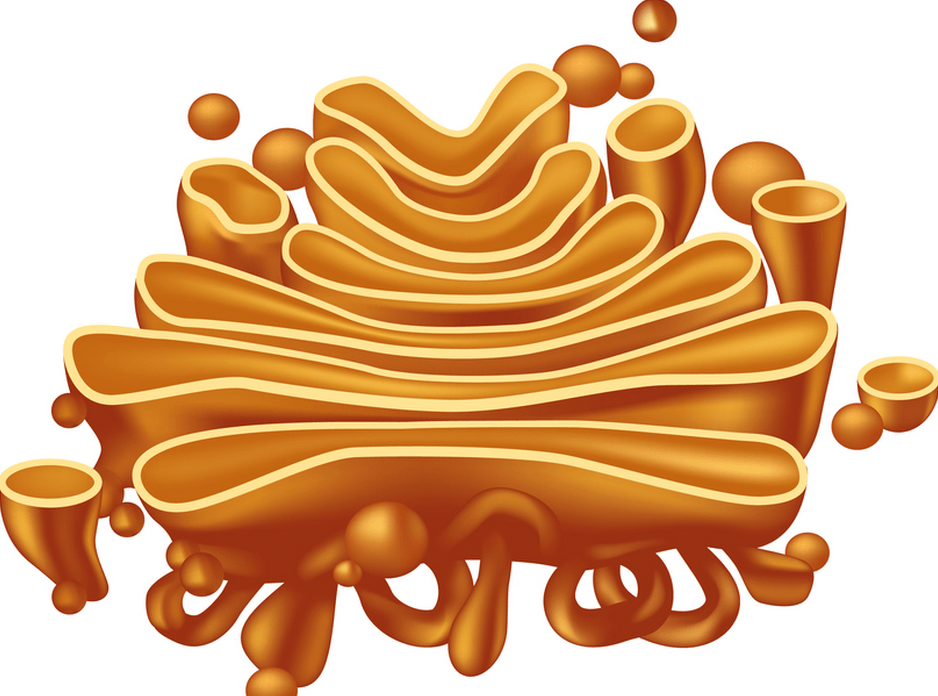
I am a protein packaging and shipping machine! Who am I?
a)
vacuole
b)
ribosome
c)
mitochondrion
d)
golgi apparatus
38.
The site of photosynthesis
a)
ribosome
b)
mitochondria
c)
chloroplast
d)
nucleus
39.
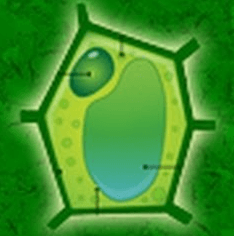
A rigid layer that lies outside the cell's membrane is...
a)
Cytoskeleton
b)
Cilia
c)
Cell Wall
d)
Flagella
40.
Which of these is not part of the cytoskeleton?
a)
microfilaments
b)
microtubules
c)
intermediate filaments
d)
vesicles
41.
What structure makes up a the cell wall of fungi?
a)
phospholipids
b)
chitin
c)
cellulose
42.
What is the function of the vacuole?
a)
Sac that stores water, nutrients, and waste products
b)
Sac filled with digestive chemicals
c)
Jelly-like substance within the plasma membrane
d)
stack of membranes that packages chemicals
43.

What does this organism use for movement?
a)
Pseudopod
b)
Cilia
c)
Flagella
d)
legs
44.

What does this organism use for movement?
a)
Pseudopod
b)
Cilia
c)
Flagella
d)
legs
45.
Which of these does not limit cell size?
a)
size of environment
b)
time to transport materials into the cell
c)
time to move materials across the cell
d)
energy needed to complete tasks
100 %

